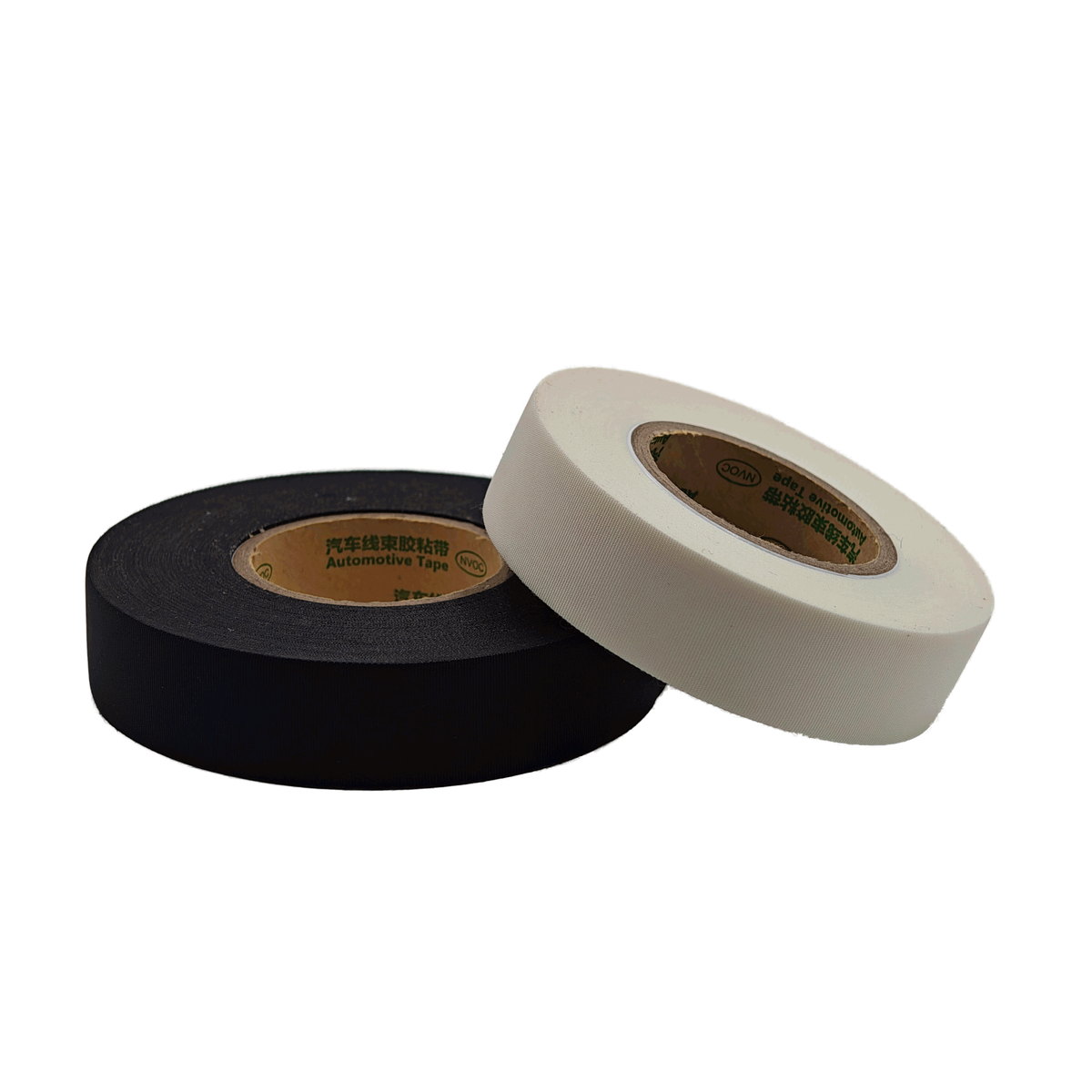
Building a clear acetate cloth tape specification is essential when requesting supplier quotations for your manufacturing or assembly operations. Without a precise specification, suppliers may provide products that don't meet your performance requirements, leading to costly delays, safety concerns, or product failures. A well-defined specification ensures that all potential suppliers understand your exact needs, enabling fair price comparisons and reliable sourcing.
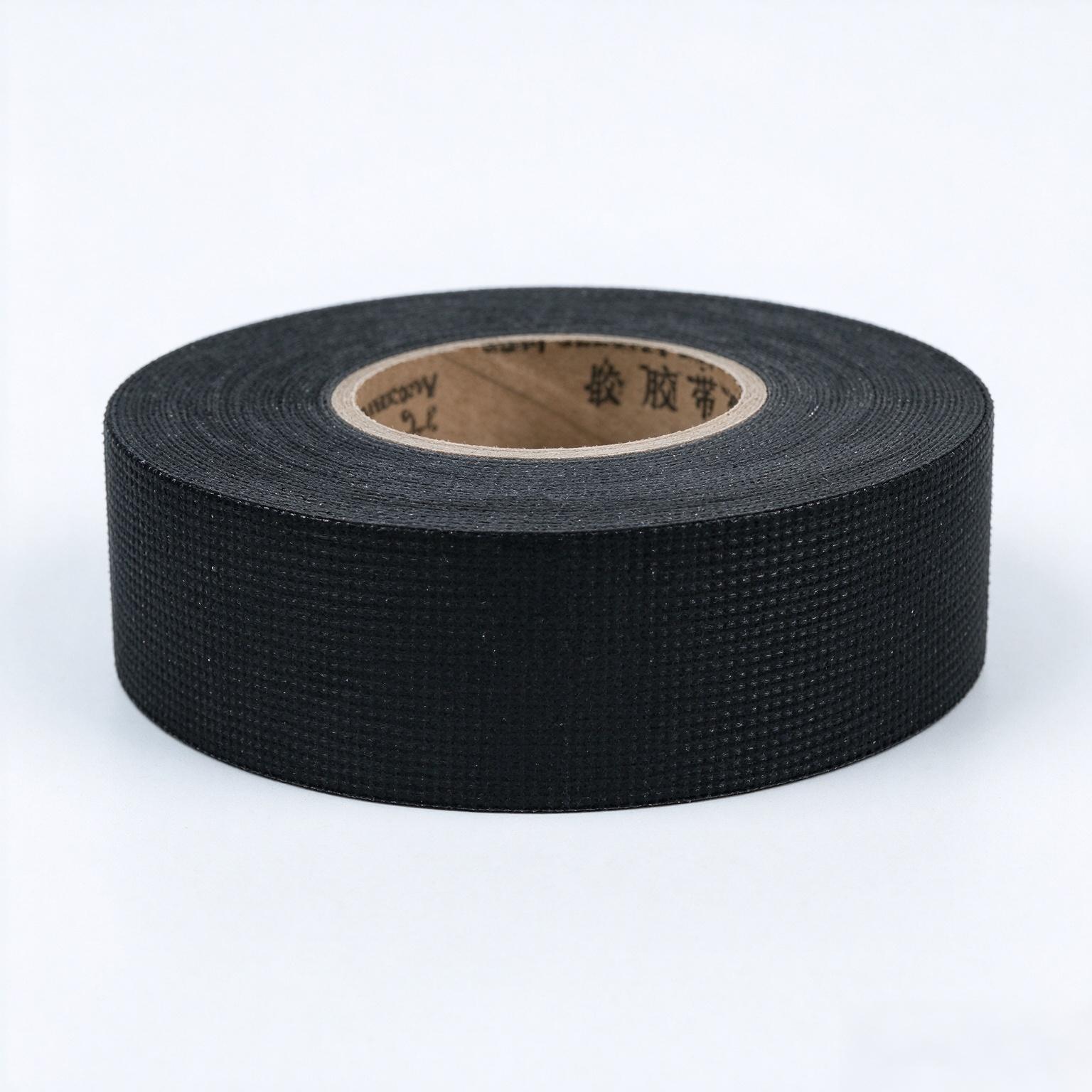
The acetate cloth tape you select plays a critical role in applications involving electrical insulation, cable wrapping, and wire harness protection. Specifications must address material composition, adhesive properties, dimensional accuracy, performance standards, and application-specific requirements. This comprehensive guide walks you through the essential steps to create specifications that attract competitive quotes while protecting your operational interests.
Understanding Core Material and Adhesive Requirements
Acetate Cloth Composition and Base Material
The foundation of any acetate cloth tape specification begins with defining the base material composition. Acetate cloth tape consists of a woven acetate fiber substrate that provides mechanical strength and flexibility. When specifying this material, you must detail the thread count, weave density, and fiber diameter to ensure consistent product quality across suppliers. Higher thread counts generally provide better electrical insulation properties and improved tensile strength, which is critical for cable wrapping applications.
Suppliers need to know whether you require virgin acetate fibers or if recycled content is acceptable. You should also specify the color, finish, and any special surface treatments applied to the cloth base. For electrical insulation applications, clarify whether the cloth must meet specific flame-retardant standards or UL certifications. These details prevent misunderstandings and ensure that the acetate cloth tape delivered matches your exact operational needs.
Adhesive Type and Application Performance
The adhesive system bonds the cloth substrate to itself during wire harness tape wrapping or cable wrapping operations. Your specification must identify whether you need a rubber-based, acrylic-based, or specialized synthetic adhesive. Each adhesive type offers different advantages: rubber-based adhesives provide excellent initial tack and moisture resistance, while acrylic-based options offer superior temperature stability and long-term aging characteristics.
Specify the adhesive's initial tack strength, measured in ounces per linear inch, and its shear adhesion value after aging. Include requirements for temperature performance range, moisture vapor transmission, and compatibility with the materials the tape contacts during cable wrapping or wire harness protection. Suppliers must also understand whether the tape will remain in place permanently or be removed after assembly, as this affects adhesive formulation decisions.
Defining Dimensional and Performance Specifications
Width, Thickness, and Length Tolerances
Dimensional precision directly impacts assembly efficiency and product performance in electrical insulation and cable wrapping operations. Specify the exact tape width required, typically ranging from half an inch to several inches, with clear tolerance ranges. Define thickness in mils or millimeters, including acceptable variation limits. For wire harness tape applications, thickness uniformity is especially important because it affects how the tape conforms to irregular cable geometries.
Length specifications matter when quotations involve roll quantities. Clarify whether you need standard roll lengths or custom lengths, and specify the acceptable tolerance for cut lengths. Include details about the core material (paper or plastic), roll configuration, and packaging requirements. These specifications help suppliers provide accurate quotes and ensure that received acetate cloth tape meets your inventory and production handling needs.
Adhesive Coverage and Strength Testing
Adhesive coverage uniformity ensures consistent performance across every section of tape used in cable wrapping or wire harness applications. Specify the percentage of adhesive coverage, typically ninety to ninety-five percent for most electrical insulation applications. Define the adhesive weight per unit area and acceptable variation limits. Include minimum peel strength values, typically measured as pounds per inch of width, to ensure the tape remains securely attached during manufacturing and throughout the product lifecycle.
Shear strength testing is critical for wire harness tape used in high-vibration environments. Specify minimum shear values in pounds per linear inch, often measured at elevated temperatures to simulate real operational conditions. Include hold-time requirements: the duration the tape must support a defined load without slipping. For electrical insulation applications, specify electrical properties such as dielectric strength, measured in volts per mil.
Incorporating Application-Specific and Compliance Requirements
Electrical Insulation and Safety Standards
Most acetate cloth tape used in electrical applications must comply with specific safety standards and regulatory requirements. Your specification should identify applicable standards such as UL recognition, CSA certification, or other regional approvals. For electrical insulation in cable wrapping or wire harness protection, specify voltage ratings and temperature class requirements. Document whether the tape must be flammable-resistant or meet specific smoke emission limits.
Include testing methodologies that suppliers must follow to validate compliance. Specify whether the tape will undergo dielectric breakdown testing, flame propagation testing, or toxicity assessments. For certain industries like automotive or aerospace, include additional requirements such as specific automotive standards compliance or environmental testing. Clearly state that suppliers must provide third-party test reports or certifications validating all claimed properties.
Environmental and Operational Conditions
Define the environmental conditions the acetate cloth tape must withstand during manufacturing, storage, and product use. Specify temperature ranges for performance, including minimum and maximum operating temperatures and thermal cycling requirements. Include moisture resistance specifications, important for cable wrapping in humid environments. Address UV exposure requirements if the tape will be exposed to sunlight or will reside on exterior components.
Document any chemical resistance requirements if the tape contacts solvents, oils, or other substances during wire harness assembly or service life. Specify storage conditions and shelf-life requirements to ensure suppliers provide products within acceptable freshness windows. Include aging requirements: specify how the tape's properties must be maintained after specified storage periods at defined temperature and humidity levels. These comprehensive requirements ensure that suppliers deliver acetate cloth tape capable of performing reliably throughout its intended application lifespan.
FAQ
What core information must a supplier have to quote acetate cloth tape accurately?
Suppliers need detailed specifications including the base cloth composition, adhesive type and properties, width and thickness dimensions with tolerances, adhesive coverage percentage, strength testing requirements, and all applicable compliance standards. They must also understand the end-use application, whether for electrical insulation, cable wrapping, or wire harness protection, and the required quantities and delivery schedule. Providing this complete specification package ensures suppliers can offer accurate pricing and reliable products.
How do electrical insulation requirements affect acetate cloth tape specifications?
Electrical insulation applications demand specifications for dielectric strength, voltage ratings, and temperature class performance. You must specify compliance with relevant standards such as UL or CSA certifications and document testing methodologies suppliers must follow. The tape must maintain insulation properties across the intended temperature and humidity ranges, and you should require third-party test reports validating electrical performance claims. These requirements distinguish electrical-grade tape from general-purpose options.
Why is wire harness tape specification different from standard cable wrapping tape?
Wire harness tape typically requires higher adhesive strength, enhanced conformability to complex geometries, and superior vibration resistance compared to standard cable wrapping applications. Wire harness tape specifications must include shear strength values at elevated temperatures and hold-time requirements for demanding environments. Additionally, wire harness tape often requires compliance with specific automotive or aerospace standards. Cable wrapping applications may emphasize flexibility and ease of application over maximum strength values, resulting in different specification priorities and supplier selection criteria.
 EN