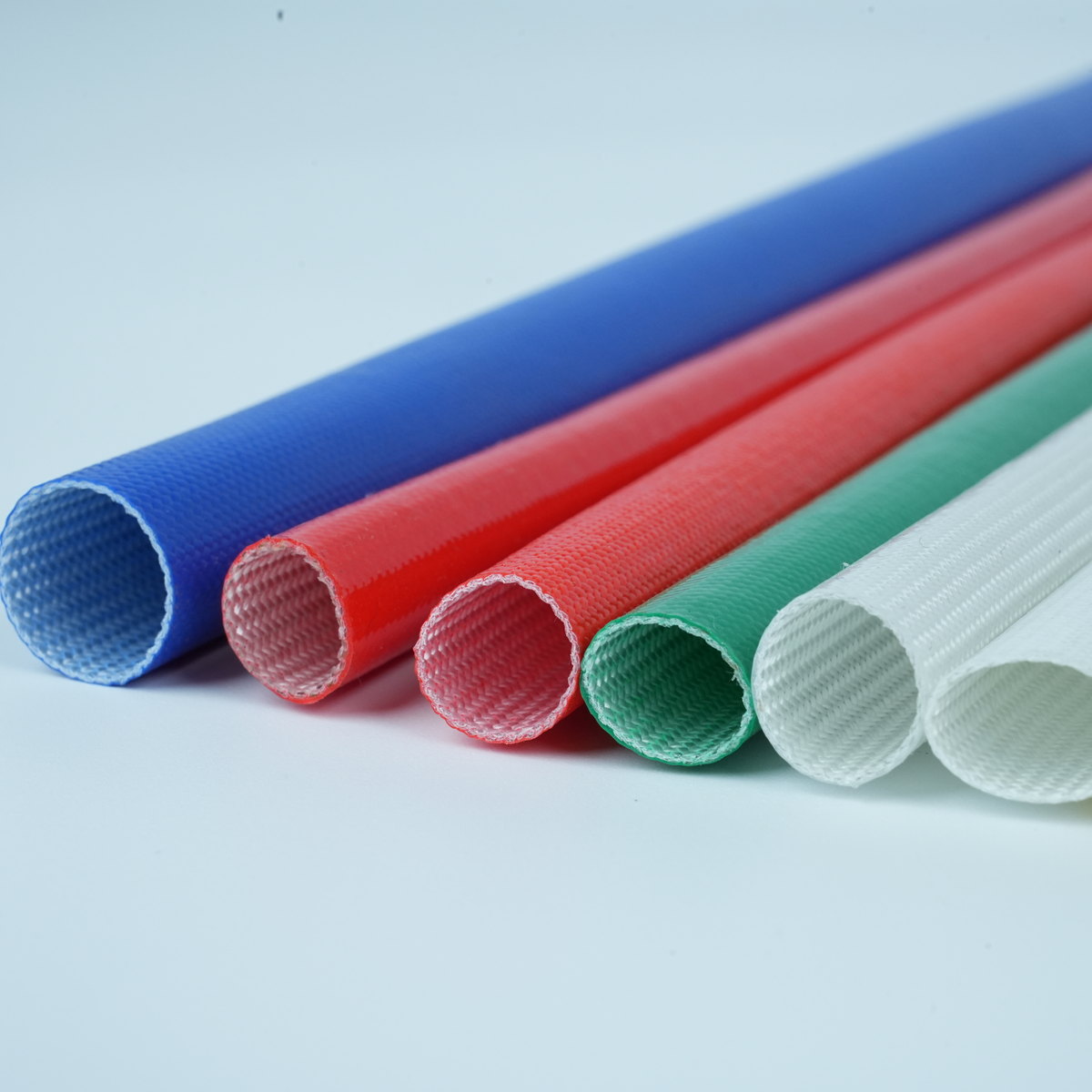
Selecting the right fiberglass sleeving requires balancing two critical factors: heat resistance and cost efficiency. In industrial applications, particularly in automotive wiring and engine compartments, the insulation material must withstand extreme temperatures while remaining economically viable for manufacturers. This balance is not always straightforward, as higher heat resistance typically commands premium pricing, yet choosing inadequate insulation can lead to product failure, safety risks, and costly recalls. Understanding how to evaluate both dimensions enables engineers and procurement professionals to make informed decisions that protect equipment performance without unnecessary budget overruns.
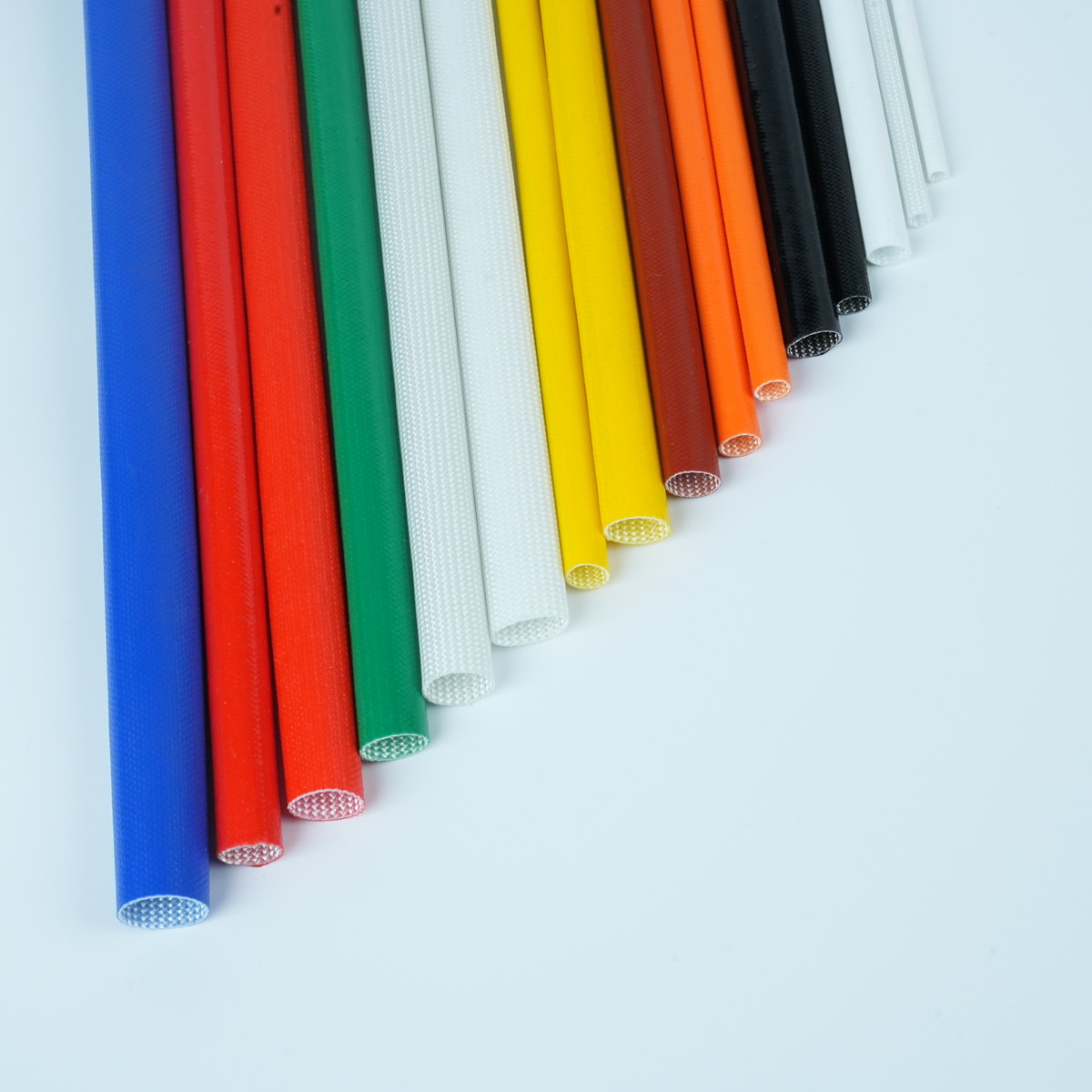
The selection process begins with a clear understanding of your application's thermal demands. Automotive wiring in modern vehicles must tolerate engine bay temperatures, alternator proximity, and transient thermal spikes that can exceed 200 degrees Celsius. High temperature insulation standards vary by industry, and overshooting them unnecessarily inflates material costs, while undershooting them invites electrical failure. The key is matching the thermal specification to the actual service environment, then identifying which fiberglass sleeving products deliver that performance at the most competitive price point.
Understanding Heat Resistance Specifications in Fiberglass Sleeving
Thermal Rating Classifications
Fiberglass sleeving products are classified by thermal rating, typically ranging from Class A (105°C) through Class H (180°C) and beyond. Each class indicates the maximum continuous operating temperature the insulation can safely withstand without degrading. For automotive wiring exposed to engine compartment heat, Class F (155°C) represents a common baseline, while Class H or custom formulations may be required in high-stress zones near exhaust manifolds or turbochargers. The rating reflects both the glass fiber substrate and any resin or coating applied to enhance heat resistance. Understanding these classifications prevents both over-specification and dangerous under-specification.
Material Composition and Temperature Performance
The heat resistance of fiberglass sleeving depends on the purity and diameter of the glass fibers, the binder system, and any protective outer coating. Pure silica glass fibers offer superior high temperature insulation compared to standard borosilicate glass, and phenolic or silicone resin coatings significantly enhance thermal stability. However, each enhancement adds cost. A mid-range product with appropriate phenolic impregnation often delivers adequate heat resistance for most automotive wiring applications without the premium price of aerospace-grade high temperature insulation. Evaluating the actual material composition rather than relying solely on thermal rating helps identify true cost-to-performance value.
Cost Analysis and Selection Strategy
Raw Material and Manufacturing Costs
The fiberglass sleeving market presents a wide price spectrum driven by fiber quality, diameter, wall thickness, and production volume. Standard-grade products suitable for general automotive wiring typically cost 30 to 50 percent less than premium high temperature insulation. Raw material costs for glass fiber have remained relatively stable, but specialized resin systems and tighter thermal tolerances drive price escalation. For high-volume applications, engaging suppliers early in the design phase can unlock bulk pricing and custom formulations that balance heat resistance with cost efficiency without sacrificing performance margins.
Total Cost of Ownership
Purchasing fiberglass sleeving at the lowest unit price often masks hidden costs downstream. Field failures caused by inadequate thermal performance lead to warranty claims, recalls, customer dissatisfaction, and potential safety liability. Conversely, over-specifying heat resistance beyond application requirements inflates production costs unnecessarily. The true cost metric is total cost of ownership, which accounts for material expense, installation labor, scrap rates during manufacturing, and post-sale support costs. A slightly more expensive fiberglass sleeving product with proven thermal performance in your specific automotive wiring environment often delivers superior economics than a cheaper alternative requiring redesign or replacement after launch.
Practical Decision Framework for Fiberglass Sleeving Selection
Application Mapping and Thermal Profiling
Begin selection by creating a thermal profile of each wiring harness zone within your vehicle or equipment. Identify maximum operating temperature, peak transient temperature, duration of heat exposure, and proximity to heat sources. Separate your wiring into distinct zones: general underhood wiring (moderate heat), engine bay critical circuits (high heat), and specialized high-stress areas (extreme heat). This segmentation allows you to specify appropriate fiberglass sleeving for each zone rather than over-specifying the entire harness to the highest requirement. High temperature insulation suited for peak-stress zones costs more; applying it everywhere wastes budget.
Supplier Performance and Qualification
Cost efficiency depends not only on material selection but also on supplier reliability and consistency. Fiberglass sleeving must meet established standards such as UL, IEC, or automotive OEM specifications, and suppliers must demonstrate long-term consistency in thermal performance and dimensional tolerances. Requesting thermal testing data, longevity reports under actual vehicle operating conditions, and batch certification records ensures you understand what you are purchasing. Some suppliers bundle technical support, custom sizing, and logistics optimization, which can offset higher unit prices through reduced assembly labor and lower scrap rates. Evaluating suppliers on total value delivered, not unit price alone, often reveals genuine cost efficiency gains.
Balancing Performance Margins and Budget Constraints
Best practice involves specifying fiberglass sleeving with a thermal safety margin of approximately 20 to 30 degrees Celsius above your maximum service temperature. This margin accommodates aging, manufacturing variation, and unexpected thermal excursions without triggering failure. A safety margin of 20 to 30 degrees Celsius adds modest cost compared to operating at the thermal edge, yet prevents the catastrophic costs of field failures. If your budget is tight, prioritize thermal margin in critical high-stress zones while using standard fiberglass sleeving in lower-stress areas. This mixed approach delivers robust safety economics without inflating total cost.
FAQ
What thermal rating of fiberglass sleeving do I need for automotive wiring?
Most automotive wiring in standard engine compartments requires Class F or Class H fiberglass sleeving (155 to 180 degrees Celsius continuous rating). However, specific zones such as areas near turbochargers, high-output alternators, or exhaust systems may demand higher heat resistance. Identify the maximum continuous and peak transient temperatures in your application, then select fiberglass sleeving rated at least 20 to 30 degrees Celsius above that maximum. Consult your vehicle OEM or application engineering guidelines to confirm the precise thermal specification for your automotive wiring configuration.
How can I reduce fiberglass sleeving costs without compromising safety?
Segment your wiring harness by thermal zone and specify appropriate high temperature insulation for each zone rather than over-specifying the entire harness. Use standard-grade fiberglass sleeving in moderate-heat areas and reserve premium products for high-stress zones. Request bulk pricing from qualified suppliers, participate in volume commitments to lower per-unit costs, and consider custom formulations that deliver your exact thermal and dimensional requirements without unnecessary enhancements. Working with suppliers early in design enables optimization of both cost and performance before production commitments.
What standards should fiberglass sleeving meet for automotive applications?
Automotive wiring fiberglass sleeving must typically comply with UL standards (such as UL 1441 or UL 1581), IEC specifications, and OEM requirements from vehicle manufacturers. Common automotive standards include IEC 60811 for insulation testing and various thermal cycling and flammability tests specific to automotive electrical systems. Verify that your selected fiberglass sleeving carries appropriate certification marks and third-party testing documentation confirming thermal performance, mechanical strength, and compliance with relevant safety standards for your vehicle platform.
 EN