 EN

how-to-balance-dimensional-consistency-and-temperature-stability-in-wire-loom-conduit-selection, how-to-balance-dimensional-consistency-and-temperature-stability-in-wire-loom-conduit-selection, /blogs
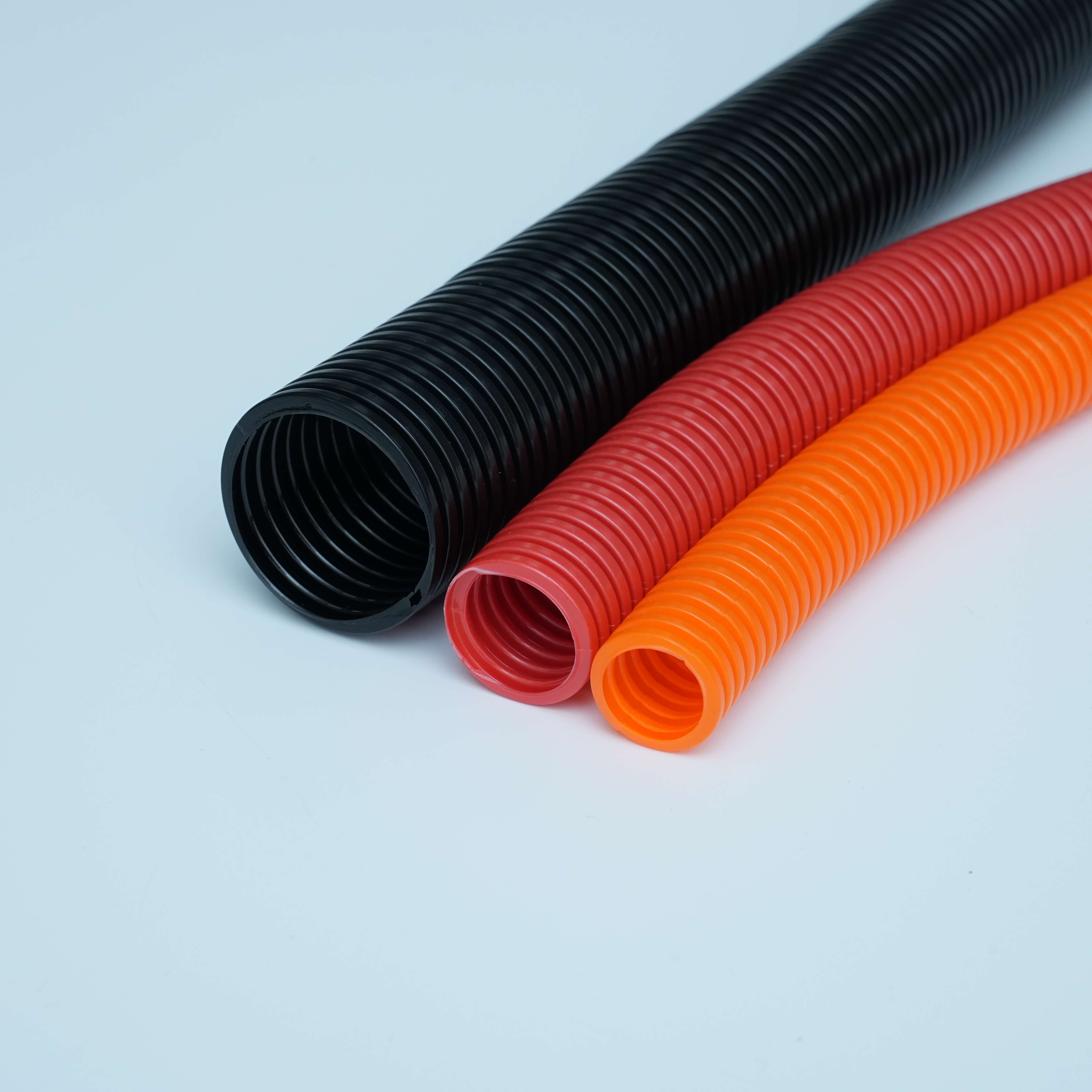
Selecting the right wire loom conduit involves far more than simply choosing a protective sleeve. Industrial applications demand that wire loom materials maintain precise dimensional consistency while withstanding temperature fluctuations that can compromise safety, performance, and system longevity. The challenge lies in identifying a cable conduit solution that balances these two critical yet sometimes competing requirements, ensuring your wire harness protection strategy delivers both reliability and durability across demanding operational conditions.
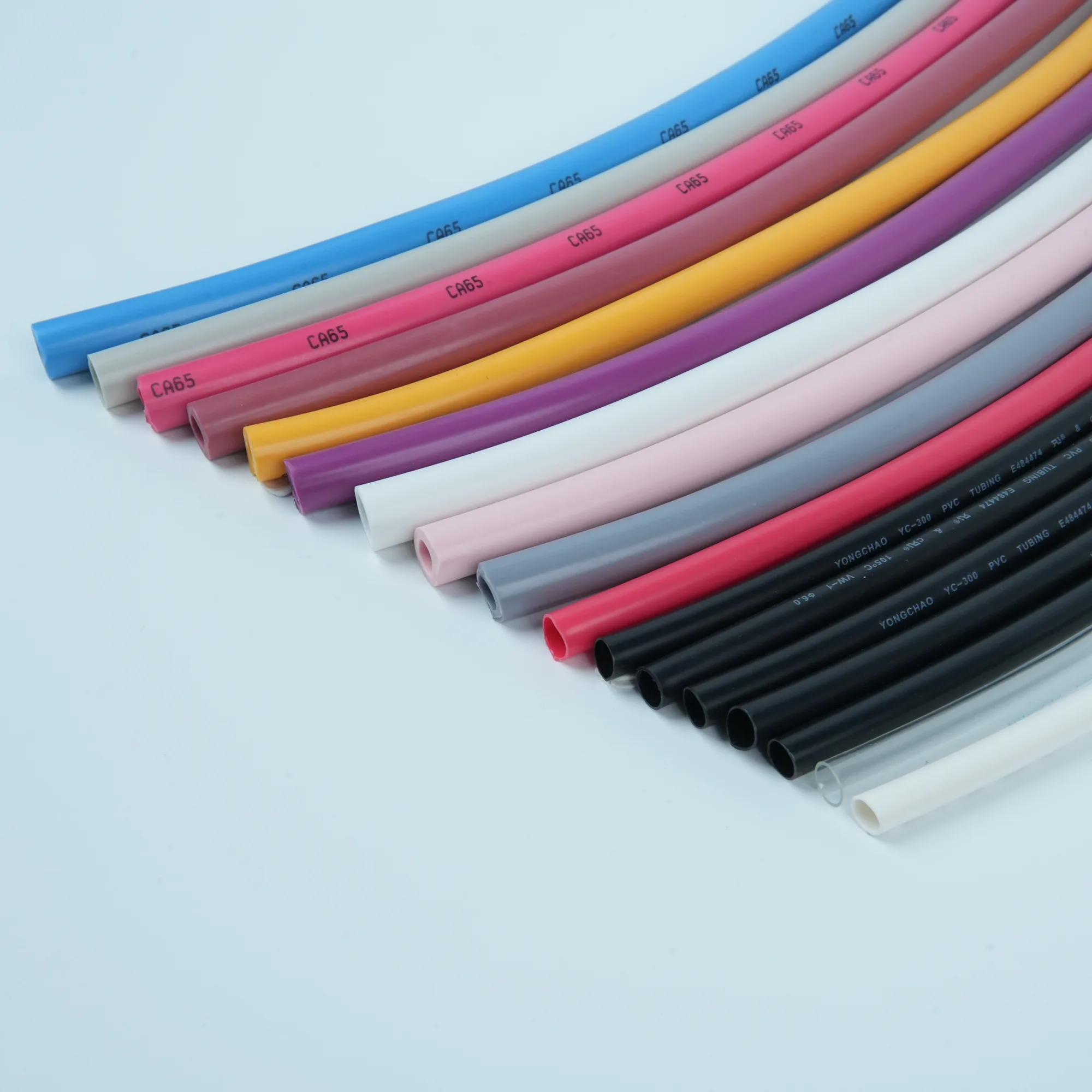
Temperature stability and dimensional precision are interdependent factors in wire harness protection. When a cable conduit experiences thermal stress, material properties shift—expansion occurs in some directions while contraction happens in others. This thermal cycling can degrade the integrity of your wire loom, causing misalignment, increased friction, or mechanical failure. Understanding how dimensional consistency and temperature stability work together is essential for engineers, procurement specialists, and facility managers who depend on consistent equipment performance in automotive, industrial, aerospace, and telecommunications environments.
Dimensional consistency is the degree to which a cable conduit maintains its original size and shape throughout its operational lifespan. When wire loom experiences dimensional drift, the internal geometry changes, affecting how wires sit within the protective sleeve. This can create pressure points that accelerate insulation wear, compromise electromagnetic shielding, or allow wires to shift and contact sharp edges. In high-vibration or high-speed applications, even minor dimensional changes compound over time, leading to unexpected failures that disrupt production schedules and increase maintenance costs.
Non-shrinkable formulations are the foundation of reliable wire loom conduit design. Materials engineered to resist shrinkage—such as stabilized PVC compounds, polyolefin blends, and specialized elastomers—maintain their cross-sectional dimensions across extended service windows. Wire harness protection systems that use shrink-prone materials degrade quickly, particularly when exposed to heat cycles or mechanical stress. The best cable conduit selections prioritize resins and additives specifically formulated to lock dimensional properties in place, preventing the gradual compression or expansion that undermines long-term reliability and forces costly replacement cycles.
Temperature fluctuations are inevitable in industrial environments. Motors, transformers, high-current conductors, and outdoor installations expose wire loom conduit to repeated heating and cooling cycles. Each cycle places thermal stress on the material matrix, causing differential expansion and contraction. Over time, this thermal cycling weakens the polymer chains, reduces flexibility, and increases brittleness. A cable conduit rated only for static temperature exposure will fail prematurely when subjected to dynamic thermal cycling. Selecting wire harness protection products specifically tested for cyclic thermal performance—not just maximum temperature ratings—ensures your system survives real-world operating conditions.
Not all wire loom materials handle temperature extremes equally. Standard PVC-based cable conduit typically functions between minus ten and seventy degrees Celsius, while specialized formulations extend into minus forty to one hundred degrees Celsius or beyond. The choice depends on your specific environment: indoor HVAC systems, outdoor industrial equipment, automotive engine compartments, and arctic installations each present unique thermal profiles. Wire harness protection specifications must account not just for peak temperature but for the rate of temperature change and the total number of heating and cooling cycles expected over the product lifespan. Materials with superior thermal stability resist embrittlement, maintain flexibility, and preserve dimensional properties across this entire thermal envelope.
Start by identifying the temperature range and cycling frequency your wire loom will experience. Cross-reference this data against material datasheets that explicitly report dimensional change percentages after thermal cycling—not just maximum temperature ratings. Look for cable conduit products tested per ASTM D149 or equivalent standards for electrical properties, but also verify shrinkage rates per ASTM D2671 after thermal conditioning. Wire harness protection products should demonstrate less than two percent dimensional change after five hundred thermal cycles. Request technical data that documents how the material performs after extended UV exposure, mechanical flexing, and chemical exposure, since these factors compound thermal stress on wire loom performance.
Once you select your cable conduit, proper installation maximizes dimensional stability and thermal performance. Avoid over-tightening or kinked installations that create stress concentration points where wire loom fails prematurely. Use strain relief fittings that accommodate thermal expansion without transferring stress to the conductors themselves. Organize wire harness bundles to allow airflow around the cable conduit, preventing localized hot spots that accelerate thermal degradation. In applications subject to rapid temperature swings, consider sleeved configurations that provide a secondary protective layer. Schedule periodic inspections to catch early signs of dimensional drift or thermal stress before they compromise system safety or productivity. This proactive approach to wire loom maintenance preserves both dimensional consistency and thermal stability throughout the full service cycle.
Dimensional consistency and temperature stability are tightly linked in cable conduit performance. When wire loom experiences thermal stress, material expansion and contraction directly impact dimensional properties. If a material cannot maintain its original size during temperature cycling, the dimensional change creates mechanical stress that compromises wire harness protection. Conversely, materials engineered for superior thermal stability naturally resist shrinkage and maintain dimensional consistency. The best cable conduit selections integrate both properties into the material formulation, ensuring that as temperature changes occur, the wire loom remains geometrically stable and continues protecting your conductors effectively.
Review the material's technical datasheet for specific dimensional change measurements after thermal cycling tests, not just maximum temperature ratings. Look for cable conduit products tested per ASTM D2671 shrinkage standards and thermal cycle data that simulates your actual operating environment. Request documentation showing performance after five hundred or more thermal cycles at your expected temperature extremes. Verify that wire loom samples maintain less than two percent dimensional change and retain electrical and mechanical properties after conditioning. Contact manufacturers directly for test reports comparing cable conduit candidates under your exact thermal profile, since generic ratings often mask performance differences relevant to your wire harness protection strategy.
Standard PVC-based wire loom conduit typically functions up to seventy degrees Celsius and remains too brittle below minus ten degrees. For extreme temperature environments, specialized cable conduit formulations are necessary. High-performance wire harness protection materials, such as cross-linked polyolefin or fluoropolymer-based systems, maintain flexibility and dimensional consistency across minus forty to one hundred degrees Celsius or wider ranges. These materials cost more but deliver superior thermal stability and dimensional consistency in arctic, desert, engine compartment, or high-altitude applications. Selecting the wrong wire loom material for extreme conditions leads to rapid failure, so always match cable conduit specifications to your specific thermal range and cycling frequency rather than defaulting to standard products.






