 EN

how-to-balance-chemical-resistance-and-installation-access-in-wire-harness-sleeve-selection, how-to-balance-chemical-resistance-and-installation-access-in-wire-harness-sleeve-selection, /blogs
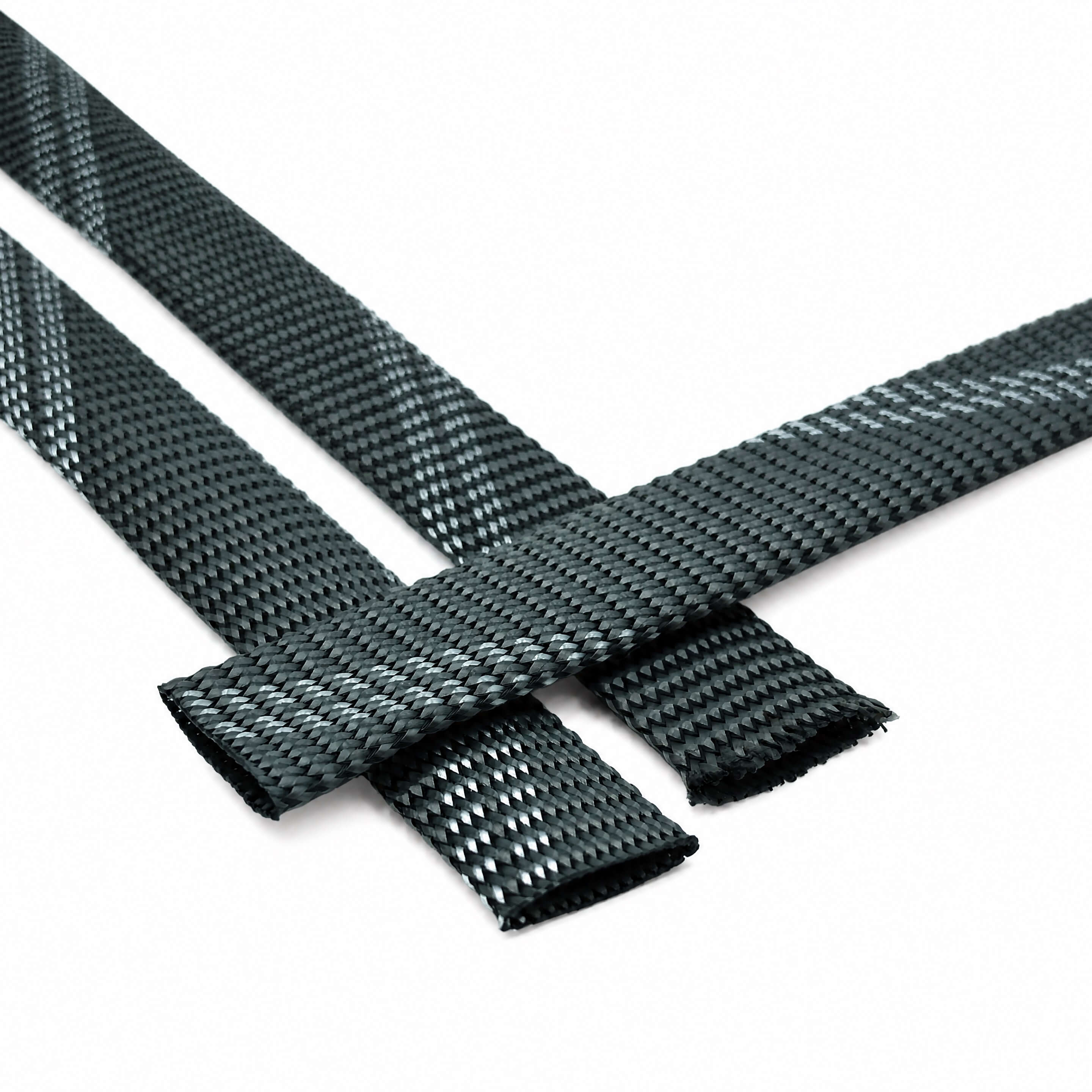
A wire harness sleeve must do more than cover a group of cables. In automotive, industrial, and equipment applications, the harness may be exposed to fuel, oil, cleaning agents, coolant, moisture, heat, vibration, and repeated maintenance. At the same time, technicians may need to inspect connectors, add wires, or replace damaged sections after the harness has been installed.
This creates a practical selection challenge: a tightly enclosed wire harness sleeve may provide a continuous protective barrier but make later access difficult, while an easy-to-open design may not suit every chemical exposure. A chemical resistant sleeve must be matched to the actual fluid, not just the application label.
The right choice depends on the working environment, the required level of protection, and how often the harness needs to be serviced.
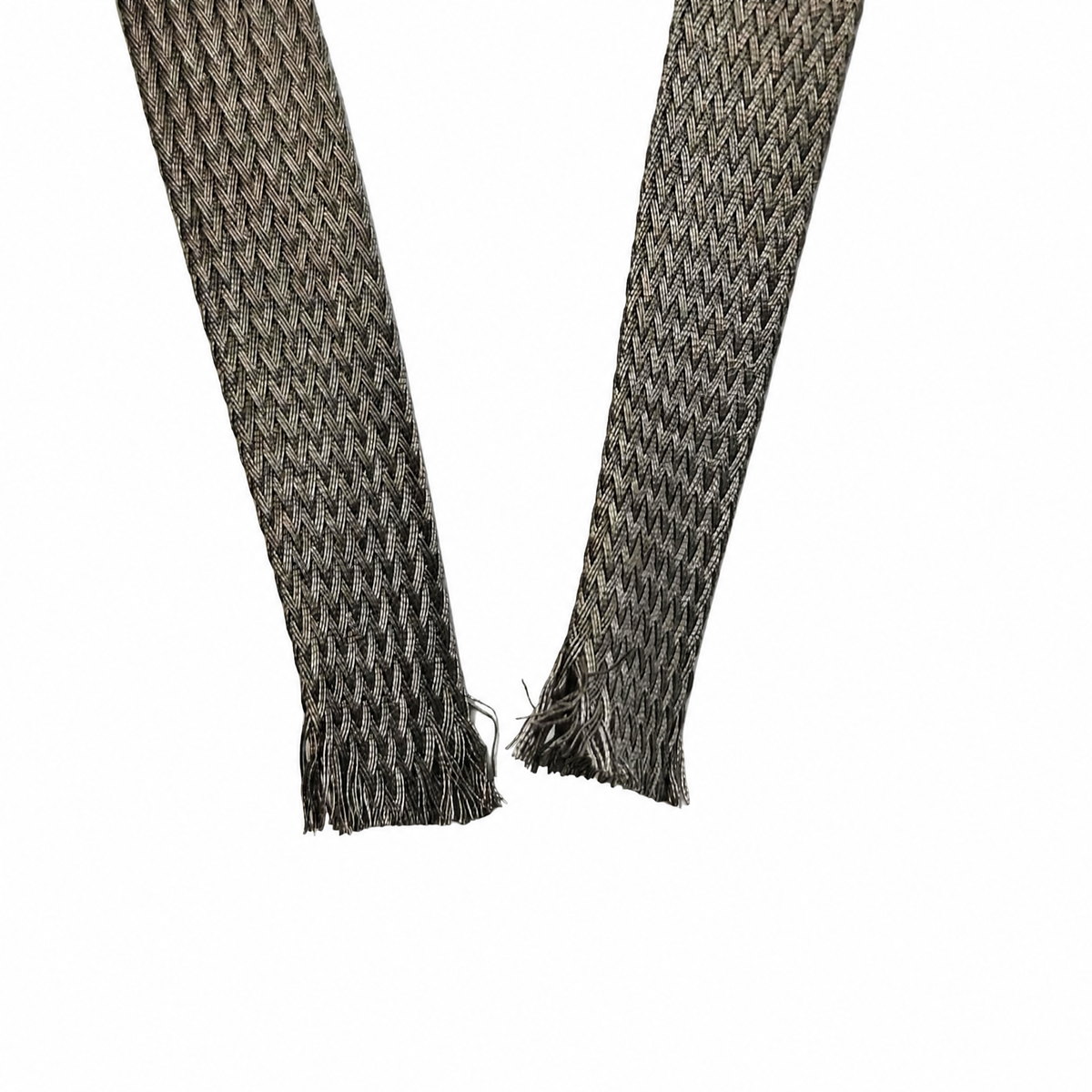
Start by listing the substances that may contact the harness. Chemical resistance is not a single performance property. Resistance to diesel fuel does not automatically mean resistance to brake fluid, alkaline cleaners, acids, hydraulic oil, or every industrial solvent.
Record the chemical name, concentration, contact temperature, exposure duration, and whether contact is continuous immersion, regular splashing, occasional spills, or vapor exposure. Also consider cleaning procedures. A sleeve that performs well under brief contact at room temperature may behave differently when a hot fluid remains on its surface for several hours.
The exposure location matters as much as the chemical itself. An engine-bay harness near a fuel line may face a different risk from a control-cabinet harness that is only exposed to occasional cleaning. Defining these conditions helps narrow the material options before comparing sleeve structures and deciding whether a chemical resistant sleeve or a re-enterable design is more appropriate.
Different wire harness sleeve designs solve different installation problems.
Closed Tubular Sleeves
Closed tubular sleeves provide a continuous covering around the bundle and are often suitable for new harness assemblies, where wires can be threaded through the sleeve before connectors are fitted. However, installing them over an existing harness can require disconnecting terminals or removing components. This may increase labor when the harness has large connectors, multiple branches, or a complex route.
Expandable Braided Sleeving
Expandable braided sleeving can stretch to accommodate changes in bundle diameter and can be fitted over cable groups during assembly. It is useful when flexibility and coverage are important. However, the braid opening, end treatment, and exposure conditions should be reviewed carefully. An open braid should not be treated as a sealed chemical barrier simply because the base material has some resistance to particular fluids.
Self-Closing Wrap
Self-closing wrap is designed for situations where the harness is already assembled or may need future access. Instead of feeding the entire cable bundle through a tube, the installer opens the sleeve along its length, positions it around the harness, and closes the overlapping edges. Technicians can reopen it for inspection, cable additions, or maintenance.
For example, CHENGRUN's Braided Self-closing Wrap uses polyester monofilament and multifilament construction. Its product information lists resistance to gasoline and engine fluids, a working temperature range of -40°C to +150°C, and abrasion performance exceeding 10,000 cycles under ISO 6722-1.
The product is also designed to be opened and closed around an assembled bundle. These characteristics make it a candidate for harness routes that need both service access and protection from specified automotive fluids. The stated resistance should still be checked against the exact fluid and exposure conditions in the application.
Corrugated Conduit
Corrugated conduit is another option when a more defined protective channel is needed. CHENGRUN's PA standard nylon conduit is described as having chemical resistance, a -40°C to +150°C operating range, and split or non-split configurations.
A split conduit can simplify retrofit installation around cables that are already routed, while a non-split version is suited to new assembly. Confirm compatibility with the specific chemical before selection; a general material description is not a substitute for a fluid-resistance test.
Not every section of a harness has the same risk. Identify locations where chemicals may directly reach the sleeve, such as areas near fuel systems, hydraulic components, pumps, processing equipment, or cleaning points. Other sections may mainly need abrasion protection, bundling, and convenient inspection.
A practical design can use different protection structures along different sections of the same harness. A chemical-resistant sleeve can be reserved for direct-exposure points, while a self-closing wrap can cover serviceable sections.
For more demanding fluid exposure, purpose-designed products such as diesel-resistant heat-shrink tubing or FKM heat-shrink tubing may be worth evaluating. Heat-shrink products can provide a close-fitting cover after installation, but they are generally less convenient to reopen for routine service.
They are therefore better considered for defined sections or terminations where the required fluid protection is more important than frequent access. Verify the product datasheet and installation process before specifying them.
Correct sizing affects both protection and serviceability. Measure the outside diameter of the complete bundle, including branch points and any local changes caused by connectors or protective components. Do not size the sleeve from a single wire or from an idealized straight section.
For a self-closing design, check the required overlap after installation. CHENGRUN's CR-BS-4009 product information specifies at least 25% edge overlap. The overlap should be maintained around bends, branches, and changes in bundle diameter so the sleeve does not open unintentionally.
Also confirm that clips, clamps, and nearby structures will not pull the closure apart during vibration or movement.
For conduit and tubular sleeves, review the minimum bend radius, internal diameter, and installation clearance. A sleeve that is too tight can be difficult to install and may place unnecessary pressure on the harness. An oversized sleeve may shift during operation or fail to provide the intended mechanical coverage.
Before approving a wire harness sleeve for production, test a representative sample under realistic conditions. Expose it to the actual chemical at the expected concentration, temperature, and duration.
After exposure, inspect for swelling, softening, cracking, discoloration, loss of flexibility, surface damage, or changes in closure retention.
If the harness will be serviced, include repeated opening and closing in the evaluation. Check whether the overlap remains secure after handling, whether the sleeve can be repositioned without damage, and whether the assembly remains protected at bends and branch points.
Where relevant, combine chemical exposure with abrasion, vibration, and thermal cycling tests.
Request the applicable technical datasheet, test method, and sample before making a final decision. A product name or broad material category alone cannot establish suitability for every chemical environment.
A balanced specification should include the chemical type, exposure pattern, operating temperature, bundle diameter, routing geometry, abrasion risk, installation method, and expected maintenance frequency. It should also state whether the harness is a new assembly or an existing installation that must remain serviceable.
The best wire harness sleeve is not necessarily the one with the highest claimed resistance or the most closed construction. The right self-closing wrap or chemical-resistant sleeve is the one that meets the verified exposure and maintenance requirements.
By comparing material performance, sleeve structure, fit, and access needs together, engineers can reduce installation difficulty without compromising cable protection.
CHENGRUN supplies braided and self-closing sleeves, corrugated conduit, heat-shrink tubing, and other wire protection products for automotive and industrial applications. Sharing the harness dimensions, operating conditions, chemical exposure details, and service requirements can help narrow the options and identify a suitable sample for evaluation.






