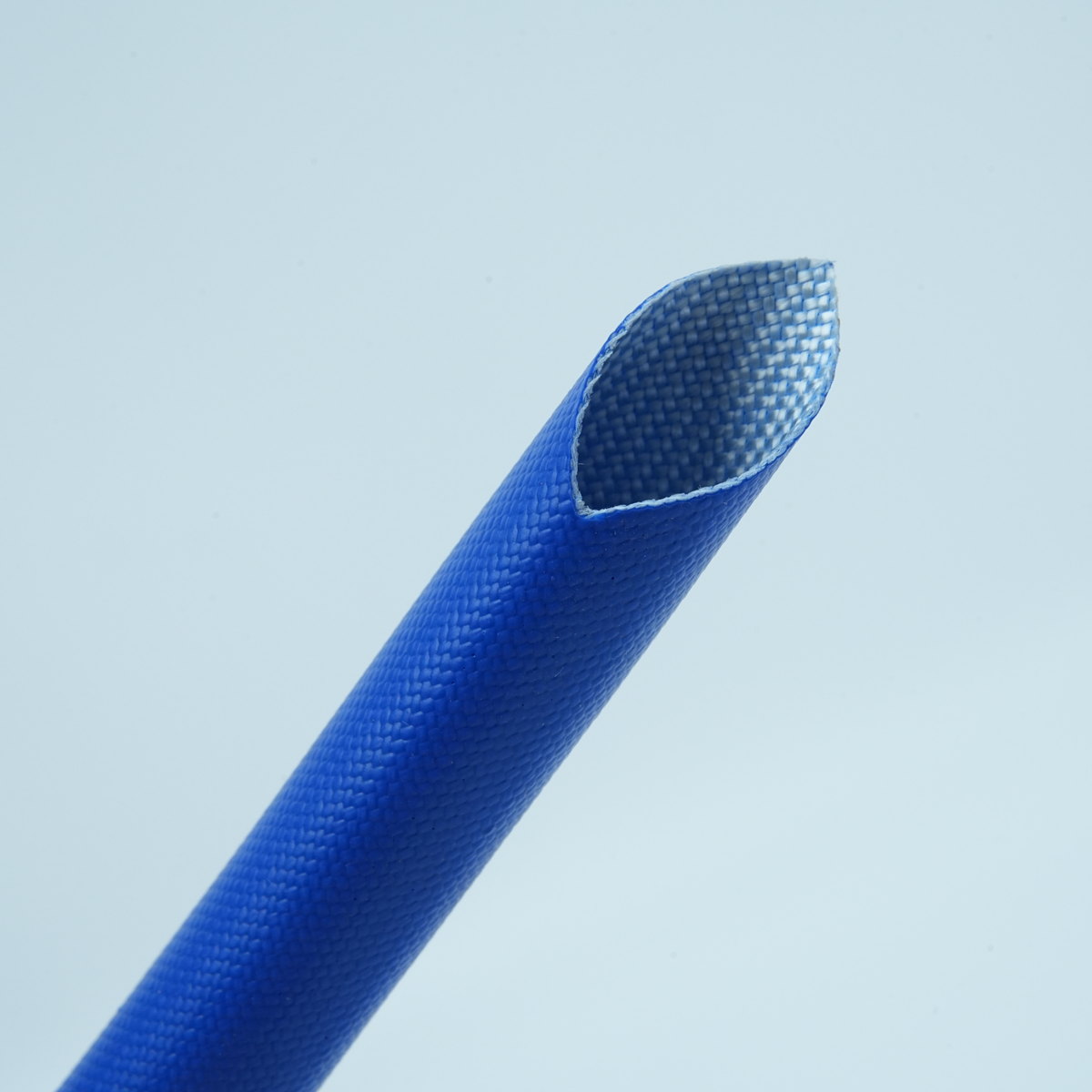
Selecting the right PTFE sleeving requires balancing two competing demands: protecting cables from abrasive environments while ensuring the material fits snugly around the bundle without creating installation challenges or compromising performance. This balance is critical in industrial applications where cable protection and electrical insulation directly impact system reliability and operational lifespan. Many engineers struggle to find the sweet spot between material durability and practical bundle fit, often sacrificing one for the other. Understanding how abrasion resistance and bundle fit interact will help you make selections that maximize both protection and installation efficiency.
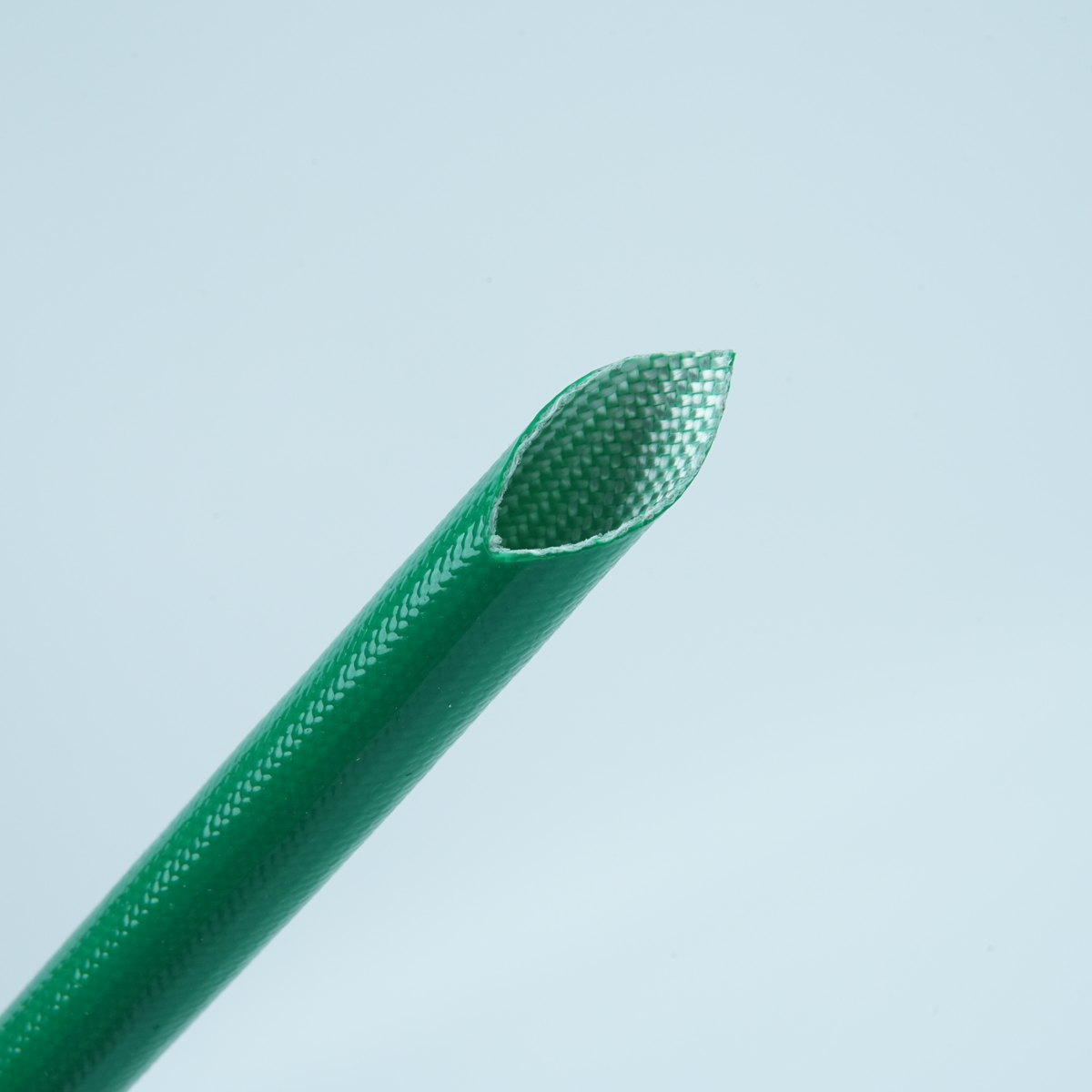
PTFE sleeving excels in high temperature environments and delivers exceptional cable protection compared to standard polymers. Its unique combination of chemical resistance, low friction properties, and thermal stability makes it ideal for demanding industrial and aerospace applications. However, the thickness and material composition that provide superior abrasion resistance can create fitting challenges when working with tightly bundled cables. The key is understanding how wall thickness, shrink ratios, and material formulation affect both protective capability and practical installation.
Understanding Abrasion Resistance in PTFE Sleeving
How Material Thickness Impacts Protection Levels
Abrasion resistance in PTFE sleeving depends heavily on wall thickness. Thicker walls provide more durable cable protection against friction, mechanical wear, and sharp contact points. In high temperature applications, this durability becomes even more critical because thermal stress can accelerate material degradation and compound abrasion damage. A thicker PTFE sleeving acts as a reliable barrier, extending cable lifespan in harsh industrial environments where friction is constant.
However, greater thickness introduces a practical constraint. Thicker sleeving reduces internal diameter availability, which directly impacts bundle fit. If your cable bundle has limited space or requires precise dimensional compliance, overly thick PTFE sleeving becomes impractical. The solution lies in selecting wall thickness that meets your actual abrasion exposure level rather than defaulting to maximum thickness across all applications.
Material Composition and Durability Trade-offs
PTFE formulations can vary in their filler content and cross-link density, both of which influence abrasion resistance. Premium formulations engineered for high temperature and cable protection often incorporate additives that enhance wear resistance but may increase material stiffness. This stiffness can affect how easily the sleeving conforms to irregular bundle shapes during installation and long-term flex cycles. Understanding your specific abrasion environment helps determine whether you need maximum hardness or whether a more flexible formulation would serve you better while still providing adequate cable protection.
Bundle Fit Considerations and Installation Reality
Measuring and Selecting Appropriate Internal Dimensions
Proper bundle fit starts with accurate measurement of your cable bundle's actual outer diameter. Many installation failures occur when engineers overestimate bundle diameter or fail to account for cable compression under the sleeving. When PTFE sleeving is applied too loosely, it cannot provide consistent cable protection and may shift during operation. Conversely, selecting sleeving with an internal diameter too small creates installation stress, risks damaging the bundle during application, and can lead to over-compression that compromises conductor performance and electrical insulation properties.
Heat-shrink PTFE sleeving adds another layer of complexity because shrink ratios vary by product type. A 3:1 shrink ratio product offers different fit flexibility than a 2:1 ratio. Knowing your bundle's pre-shrink and final diameter requirements ensures you select sleeving that shrinks into the correct working range. This precision prevents the common problem of either loose fit or excessive compression, both of which undermine cable protection and installation efficiency.
Flex and Conformability During Installation
Bundle fit also depends on how easily the PTFE sleeving conforms to the cable bundle shape during and after installation. Some industrial applications involve bundles with varying cross-sections or irregular routing paths. High-modulus PTFE formulations may resist conforming to these shapes, creating gaps where cable protection is compromised. More flexible PTFE compositions conform better to bundle irregularities, but they may sacrifice some abrasion resistance if formulated too softly. The balance here involves understanding your bundle's geometry and movement patterns before selecting sleeving rigidity.
Achieving the Optimal Balance in Real-World Applications
Assessing Your Specific Abrasion Exposure
Before choosing between thicker and thinner PTFE sleeving, inventory your actual abrasion risks. High temperature environments alone do not always demand maximum wall thickness. If your cables run in a protected conduit system, moderate thickness often suffices. If cables experience direct contact with sharp fixtures, metal edges, or vibration sources, thicker PTFE sleeving becomes necessary. Industrial applications with continuous high temperature exposure and mechanical stress justify premium cable protection through thicker walls, but applications with moderate exposure do not. This assessment prevents over-specifying material and unnecessarily complicating bundle fit.
Document the specific friction sources, temperature ranges, and mechanical load patterns in your installation environment. This data drives rational thickness selection and ensures your PTFE sleeving selection balances actual protection needs with practical bundle fit constraints.
Matching Shrink Ratios to Bundle Geometry
Selecting the correct shrink ratio is equally important as wall thickness. A 2:1 heat-shrink PTFE sleeving provides gentler compression suitable for sensitive bundles or applications requiring easier installation. A 3:1 or 4:1 ratio delivers tighter fit and superior cable protection for demanding industrial scenarios. Matching the shrink ratio to your bundle diameter range ensures the sleeving achieves the right final fit without over-compression or looseness. Verify that your selected shrink ratio product exists in the internal diameter range your bundle requires, as some specialized formulations may have limited size availability.
High temperature applications typically favor tighter shrink ratios because heat can cause minor material relaxation over time. Starting with slightly more aggressive compression helps maintain consistent electrical insulation and cable protection throughout the product's operational life.
Testing Before Full-Scale Implementation
The most reliable approach involves testing your selected PTFE sleeving on a representative cable bundle sample before committing to production quantities. Measure bundle fit, assess installation ease, evaluate whether electrical insulation remains uniform after shrinking, and inspect cable protection at bundle attachment points. This testing reveals whether your balance between abrasion resistance and bundle fit works in practice. Sometimes minor adjustments to wall thickness or shrink ratio dramatically improve real-world performance without sacrificing protection levels.
FAQ
Does thicker PTFE sleeving always provide better cable protection?
Not necessarily. Thicker PTFE sleeving improves abrasion resistance in environments with direct mechanical contact or sustained friction, but adequate thickness for your specific abrasion exposure may be considerably thinner than maximum-wall options. Overly thick sleeving wastes material, complicates bundle fit, and may create installation problems without proportional protection gains. Assess your actual abrasion sources and select wall thickness that addresses those specific risks rather than assuming thicker always means better cable protection.
How do I ensure electrical insulation remains effective after PTFE sleeving installation?
Proper bundle fit is essential for maintaining electrical insulation integrity. Sleeving applied too loosely cannot maintain consistent contact with the cable bundle, creating voids where electrical insulation effectiveness diminishes. Sleeving compressed too tightly risks damaging the bundle or introducing stress points. Testing your selected PTFE sleeving's shrink ratio and internal diameter on representative bundles before production ensures the final fit maintains uniform coverage and electrical insulation properties throughout the cable's operational life.
What happens if my bundle dimensions vary across different installations?
Variable bundle dimensions require careful shrink ratio planning. If your bundles range from small to large diameters, you may need multiple PTFE sleeving sizes rather than forcing a single size across all configurations. Alternatively, selecting a shrink ratio with wider workable diameter range provides more flexibility, though this may sacrifice some optimization for any single bundle size. Measure your complete range of bundle diameters and work backward to identify shrink ratios and internal diameters that accommodate your full operational spectrum while maintaining acceptable cable protection and bundle fit across all variants.
 EN