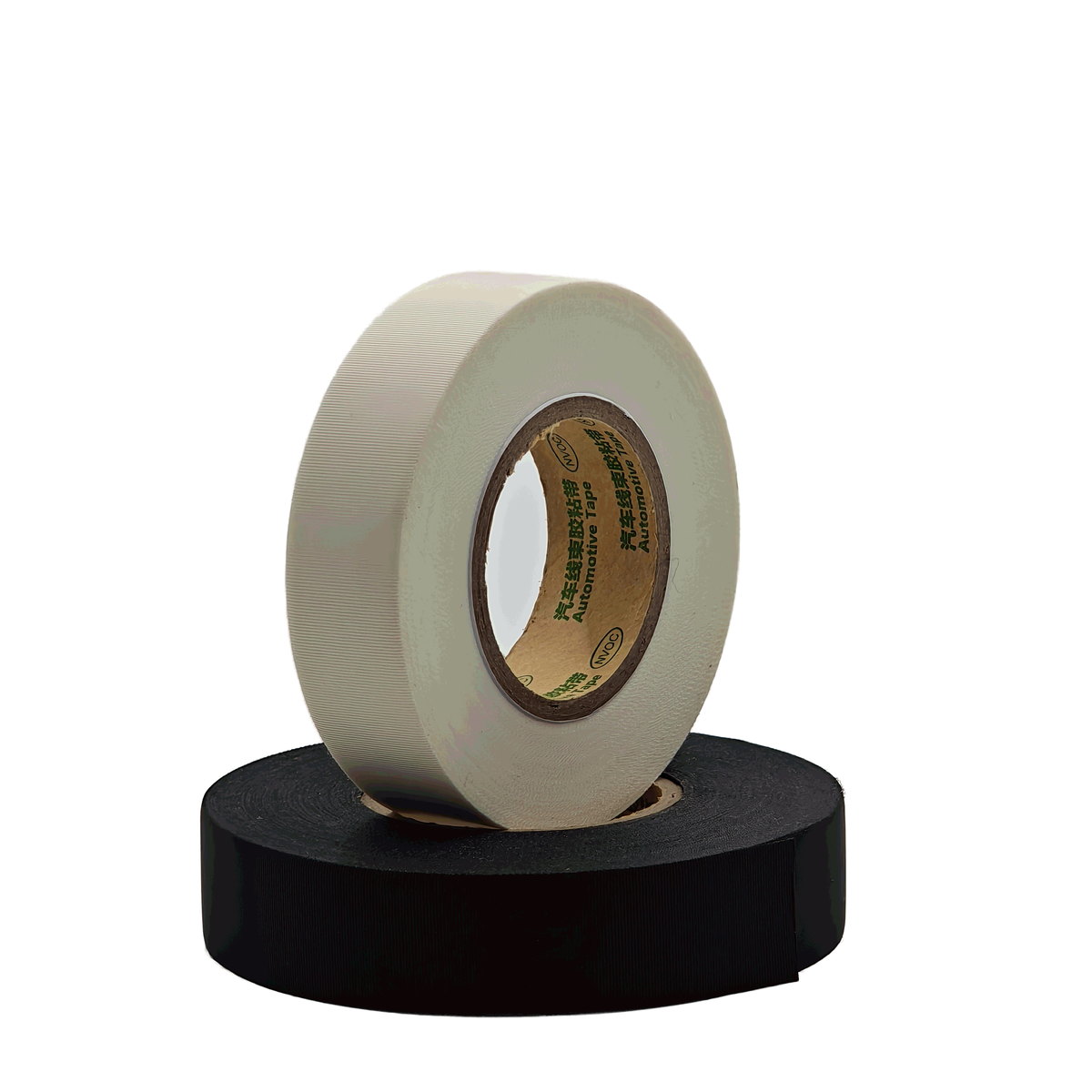
Proper application of acetate cloth tape requires attention to detail and technique. When used for electrical insulation or cable wrapping projects, even minor mistakes during installation can compromise the tape's ability to provide protection and maintain a professional appearance. Wrinkles, bubbles, and loose edges are among the most common challenges technicians face when applying this heat resistant tape, yet these issues are entirely preventable with the right approach and knowledge.
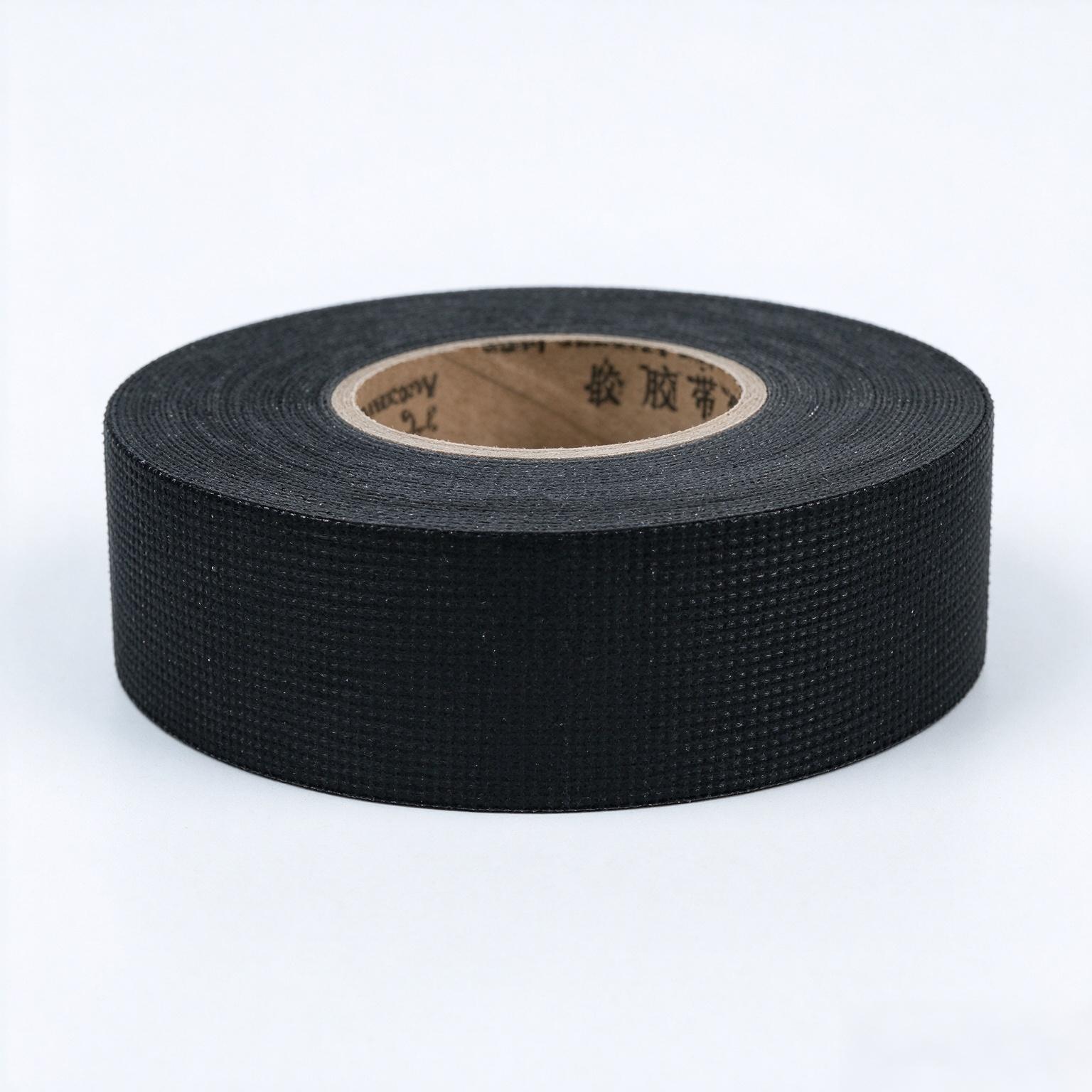
The key to flawless tape application lies in understanding the material's properties and mastering fundamental installation methods. Acetate cloth tape is engineered specifically for demanding applications where electrical insulation and durability matter, making it essential that the installation process reflects that same quality standard. This guide walks through proven strategies for avoiding wrinkles, securing loose edges, and achieving professional results consistently.
Preparation and Surface Conditioning for Optimal Adhesion
Clean and Dry Your Application Surface
Before applying any cable wrapping or electrical insulation tape, the substrate must be thoroughly cleaned and completely dry. Dust, oils, moisture, and residues prevent the adhesive from bonding properly, creating pockets of separation that lead to edge lifting and premature failure. Use a lint-free cloth and appropriate solvent for the specific material you are taping. Allow sufficient drying time, particularly in humid environments, as trapped moisture beneath the tape will eventually cause wrinkles and deterioration of the electrical insulation properties.
Inspect and Prepare the Tape Application Area
Examine the surface geometry where you plan to apply the heat resistant tape. Sharp corners, burrs, and irregular edges can puncture or snag the tape, creating tears and compromised sections. Sand down any sharp points and remove obstructions that might interfere with smooth, wrinkle-free application. For cable wrapping work, ensure the cable itself is free of kinks, sharp protrusions, or contaminants that could disrupt the tape's adhesion and create loose edges during or after application.
Correct Tension and Alignment Techniques
Apply Consistent Tension Throughout the Application Process
Maintaining steady, moderate tension is critical when unwinding and placing acetate cloth tape. Excessive tension causes the tape to stretch and then shrink back as tension is released, resulting in wrinkles and slack sections. Insufficient tension leaves the tape loose and prone to shifting, peeling, and loose edges. Practice holding the tape at a consistent angle and speed as you apply it to the surface. For electrical insulation applications, this balance ensures the tape conforms smoothly to the underlying material without buckling or creating air pockets that weaken protection.
Execute Smooth, Deliberate Movements
Apply the heat resistant tape using slow, deliberate motions rather than quick or jerky movements. Rushing the installation increases the risk of misalignment and loose edges. When wrapping cable or cylindrical objects, maintain a slight overlap with each successive layer, typically one-third to one-half the tape width. This overlap pattern ensures complete coverage and prevents gaps where electrical insulation could be compromised. Work from one end to the other in a continuous motion, pressing the tape firmly against the surface as you advance.
Securing Edges and Managing Overlaps
Anchor the Starting Edge Securely
The first edge of your acetate cloth tape application sets the standard for the entire job. Position the starting edge precisely where you intend it to remain, press it down firmly, and smooth out any initial wrinkles before proceeding. For cable wrapping work, start at a seam or low-profile area of the cable to minimize visual detection of the starting point. Press the edge down with deliberate, overlapping finger strokes to ensure the adhesive has fully engaged with the surface. This prevents the starting edge from becoming loose later in the application process.
Manage Overlaps and Transitions
When applying multiple layers of heat resistant tape, overlaps must be precise and evenly spaced. Uneven overlaps create visible ridges and areas where loose edges are more likely to develop. As you complete one wrap and begin the next, ensure the new layer of tape sits smoothly over the previous layer without bunching or twisting. Press down firmly over each overlap zone to bond the layers together and eliminate trapped air. For electrical insulation applications, proper overlap management directly affects the overall thickness and protective capability of the tape barrier, making this step essential to maintaining performance standards.
Finish and Seal the Terminating Edge
The final edge of your acetate cloth tape requires the same attention as the starting edge. Trim the tape cleanly at your predetermined endpoint and press the terminating edge down firmly to prevent peeling or loose edges from forming during use. Some technicians apply a small piece of additional tape over the terminating edge to create a secure seal, which is particularly effective for cable wrapping in vibration-prone environments. This finishing technique ensures that the electrical insulation remains intact and the tape maintains its integrity throughout the application's service life.
FAQ
Why does acetate cloth tape wrinkle even when applied carefully?
Wrinkles typically result from inconsistent tension, inadequate surface preparation, or applying the heat resistant tape too quickly. If the substrate contains dust or moisture, the tape cannot adhere uniformly, causing wrinkles to form as the adhesive struggles to bond. Additionally, wrinkles may develop if the tape is stretched during application and then released, allowing it to bunch up. Ensuring a clean, dry surface and maintaining steady, moderate tension throughout the cable wrapping process eliminates most wrinkle-related issues.
How can I fix loose edges after applying acetate cloth tape?
If loose edges appear after installation, clean the affected area gently and carefully lift the loosened section. Inspect the underlying surface for debris or moisture that may have prevented adhesion. Wipe the surface clean, allow it to dry, and reapply the electrical insulation tape with firm pressure, working from the center of the loose section outward to eliminate air pockets. For permanent results, consider replacing that section of heat resistant tape entirely rather than attempting a repair, particularly in critical applications where tape integrity directly affects safety.
What is the ideal overlap percentage for cable wrapping with acetate cloth tape?
A standard overlap of one-third to one-half the tape width is ideal for most cable wrapping applications. This range ensures complete coverage of the underlying material while maintaining structural integrity and a neat appearance. The specific overlap needed depends on the cable diameter, application environment, and electrical insulation requirements. Larger diameters or high-vibration environments may benefit from greater overlap percentages to maximize durability and prevent loose edges from developing due to movement or thermal stress over time.
 EN