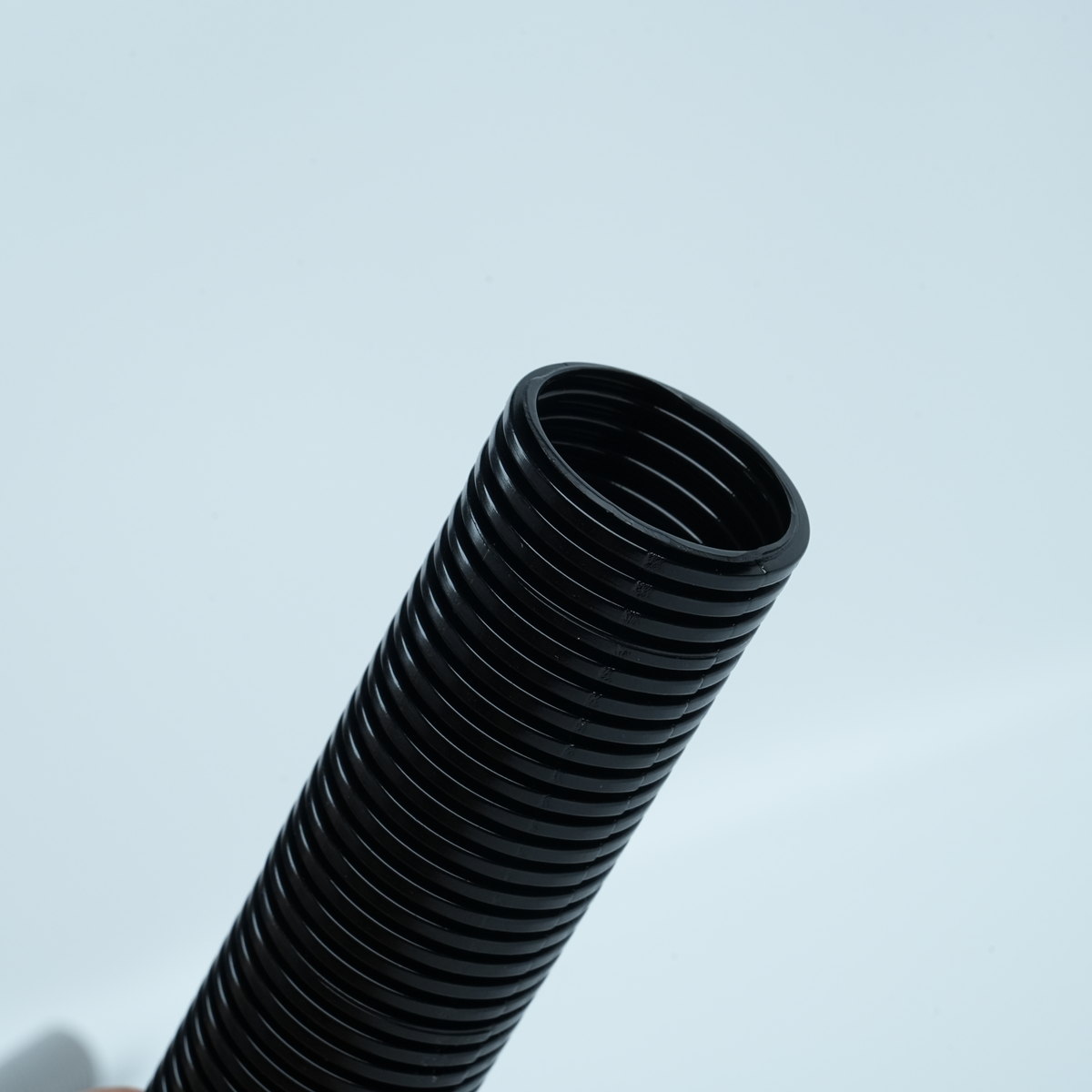
Overfilling is common in dense harness assembly but can be prevented through careful planning. Excess cables in one conduit restrict airflow, increase installation friction and operating temperatures, and accelerate insulation wear. These risks are especially important in industrial and automotive systems with limited space for power, signal, and ground conductors. Proper capacity planning helps maintain reliable wire harness protection.
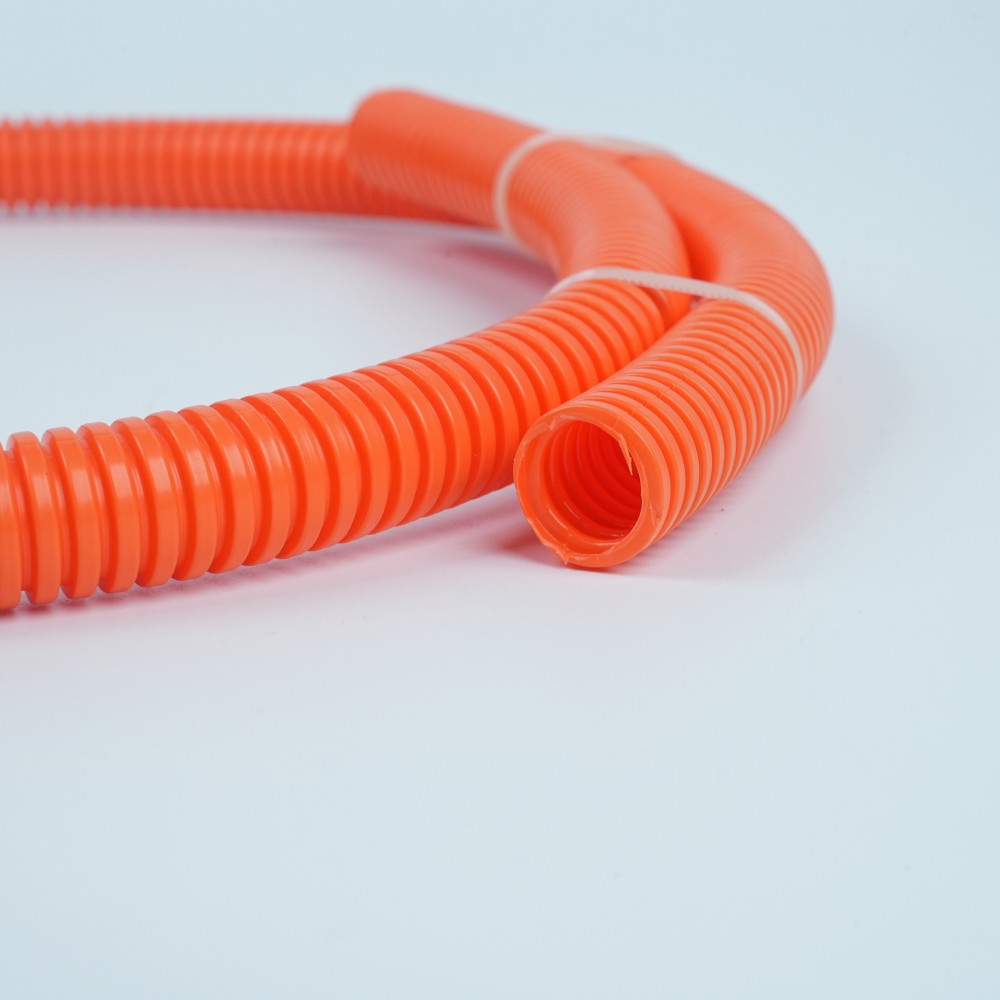
Conduit fill is often overlooked during design. For single-duct applications, industry guidance commonly limits fill to 50% of internal cross-sectional area, with lower limits sometimes used for multi-duct systems. Exceeding capacity increases installation stress and heat, while making maintenance and rerouting harder. Careful planning helps prevent rework and field failures in dense aerospace, marine, and heavy-equipment harnesses.
Understanding Capacity Limits for Wire Loom Conduit
Calculating Safe Fill Ratios
Every cable conduit size has a measurable internal diameter and cross-sectional area, which directly determines how much wire can safely fit inside. A 0.5-inch flexible nylon conduit, for example, has roughly 0.196 square inches of internal area. Using the 50% rule, you would safely accommodate approximately 0.098 square inches of actual cable cross-section. When you account for twisted pairs, shielded bundles, and varying wire gauges in a dense harness, the math becomes complex quickly. Professional harness designers use cable fill calculators or reference tables that account for the actual combined diameter of all conductors, accounting for round cables, flat ribbons, and even the space consumed by protective sleeves or tape wrapping. Miscalculating this during the design phase is the primary root cause of overfilling. Taking time to verify calculations before ordering materials or commencing assembly prevents expensive mistakes downstream. The wire loom conduit selection process must begin with an accurate inventory of all conductors, their dimensions, and their bundle configuration.
Accounting for Conductor Variety in Dense Harnesses
Dense harnesses may combine power cables, twisted-pair data lines, coaxial leads, fiber optics, and pneumatic tubing. Their flexibility, thermal properties, and dimensions differ. Coaxial cables need more space because of shielding, while twisted pairs may expand around bends. Measure each cable's actual outer diameter rather than relying on wire gauge. A physical mock-up or CAD model can confirm that the selected conduit accommodates the planned bundle.
Design Practices That Prevent Overfilling
Segmenting Harnesses Into Multiple Conduit Runs
One of the most effective strategies for managing density is to deliberately split a large harness into two or more smaller bundles, each in its own cable conduit. Rather than forcing all conductors into a single 1-inch conduit, consider routing half the bundle through two 0.75-inch conduits, or using separate runs for power, signal, and ground circuits. This approach offers multiple benefits beyond simply staying within fill limits. Separate conduits reduce crosstalk between high-current power lines and sensitive signal conductors, improve heat dissipation by increasing surface area exposed to ambient air, simplify troubleshooting and repairs by isolating functional groups, and allow for staged assembly where each wire loom can be tested independently before integration. In dense harnesses for electric vehicles, industrial robotics, or renewable energy systems, segregation is increasingly standard practice because the reliability gains far outweigh the minor material and routing overhead. A multi-conduit design also provides flexibility during the product lifecycle; if future versions require additional sensors or modified wiring, you have room to add a third conduit rather than redesigning the entire harness.
Choosing Appropriate Conduit Materials and Sizing
The material composition of your cable conduit directly affects how efficiently you can use available space and how well the system protects the wire harness. Corrugated nylon conduit, for example, offers excellent flexibility and is lightweight, making it ideal for applications requiring frequent flexing or vibration isolation. However, it has a slightly smaller usable internal area compared to smooth-walled conduit of the same nominal diameter due to wall thickness. Split or spiral conduit allows for easier wire insertion and removal after installation, which can be a game-changer in dense harnesses where retrofitting or maintenance is expected. Flame-retardant variants meet regulatory requirements in aerospace and automotive but may have marginally thicker walls, reducing internal capacity slightly. Before finalizing your conduit selection, compare the actual internal dimensions of candidate products rather than assuming all 0.75-inch conduit is identical. Some manufacturers offer high-flow or low-profile variants specifically engineered to maximize usable area within tight packaging constraints. Consulting with your conduit supplier about space limitations and expected wire bundle dimensions ensures you select a product that supports your wire harness protection needs without forcing overfilling compromises.
Installation and Assembly Best Practices
Pre-Assembly Planning and Layout
Before any wire enters a cable conduit, create a detailed assembly plan that maps out the exact sequence and order of conductors. In dense harnesses, randomized insertion often leads to jams, twisted pairs, or forced compression that exceeds safe fill levels. Develop a packing diagram that shows which wires go in first, how they are arranged radially within the conduit cross-section, and which go in last. Group cables of similar diameter and stiffness together to minimize gaps and voids that waste space inefficiently. Use temporary markers or color-coded tape to label the insertion sequence on the physical bundle before it enters the loom. This planning phase also identifies whether any individual wire is oversized for the chosen conduit diameter; if a single conductor cannot enter cleanly, the entire conduit size must be increased before assembly begins. For high-volume production, manufacturers often create physical insertion jigs or use guided tooling that enforces correct sequencing and prevents force-fitting. Even in low-volume or prototyping scenarios, spending thirty minutes on detailed layout planning eliminates hours of rework and prevents the temptation to compress the bundle excessively to meet installation deadlines.
Monitoring Fill During Installation
As wires are fed into the cable conduit during assembly, active monitoring prevents gradual compression that sneaks past acceptable limits. Establish a visual checkpoint where the harness enters the conduit; if wires must be forced or if the entry point shows visible deformation or bunching, pause immediately and reassess. Using a go/no-go gauge or simply comparing the actual bundle diameter to the conduit bore provides quick feedback before overfilling occurs. In automated or semi-automated harness insertion systems, tension sensors or laser measurement can detect when pulling force exceeds expected thresholds, signaling that compression has begun. For dense harnesses, consider test-fitting a sample run or prototype assembly first, documenting insertion forces and confirming that the final configuration stays within safe parameters. This trial run often reveals practical issues that pen-and-paper calculations miss, such as stiffness effects when certain cable types are bundled together, or unexpected resistance from protective wrapping or labeling. Technicians should be trained to recognize and report signs of overfilling such as difficulty threading, visible cable deformation at the conduit opening, or unusual resistance partway through the run. Building a culture where assembly teams feel empowered to flag these issues before completion prevents shipments of harnesses that fail prematurely in customer hands.
FAQ
What happens if wire loom conduit is overfilled?
Overfilled cable conduit restricts heat dissipation, causing elevated operating temperatures that accelerate insulation breakdown and increase failure risk. Excessive compression also damages cable jackets during installation, creates stress points that fail under vibration, and makes future maintenance or rerouting extremely difficult or impossible. In critical applications like aerospace or medical devices, overfilled wire harness protection systems can lead to warranty claims, field service calls, or safety incidents that damage brand reputation and trigger costly recalls.
How do I measure if my wire loom is safe for a cable conduit?
Measure or reference the outer diameter of each conductor in your bundle, calculate their combined cross-sectional area, and compare it to the internal area of your chosen cable conduit. The total conductor area should not exceed 50% of the conduit's internal cross-section for standard applications, or lower percentages in temperature-sensitive or high-reliability scenarios. Using a fill calculator tool or consulting your conduit manufacturer's specification sheet ensures accuracy before assembly begins, preventing wire harness protection system failures downstream.
Can I use a smaller conduit to save space in dense harnesses?
Smaller cable conduit saves space and weight, but only if you stay within safe fill limits. If downsizing requires exceeding the 50% fill threshold, the reliability and thermal performance gains are lost. Instead, consider splitting the harness into multiple conduit runs, using a different conduit material with a higher internal-to-external area ratio, or implementing spiral conduit for easier installation, which reduces resistance and the temptation to overcompress.
 EN