The performance of fiberglass sleeving depends fundamentally on material construction. Industrial applications demand protective solutions that withstand extreme conditions while maintaining electrical integrity. Material composition, weave density, coating type, and layering architecture directly determine how well fiberglass sleeving performs in demanding environments. Understanding these construction elements helps engineers select the right protection for motors, transformers, cable assemblies, and high voltage equipment.
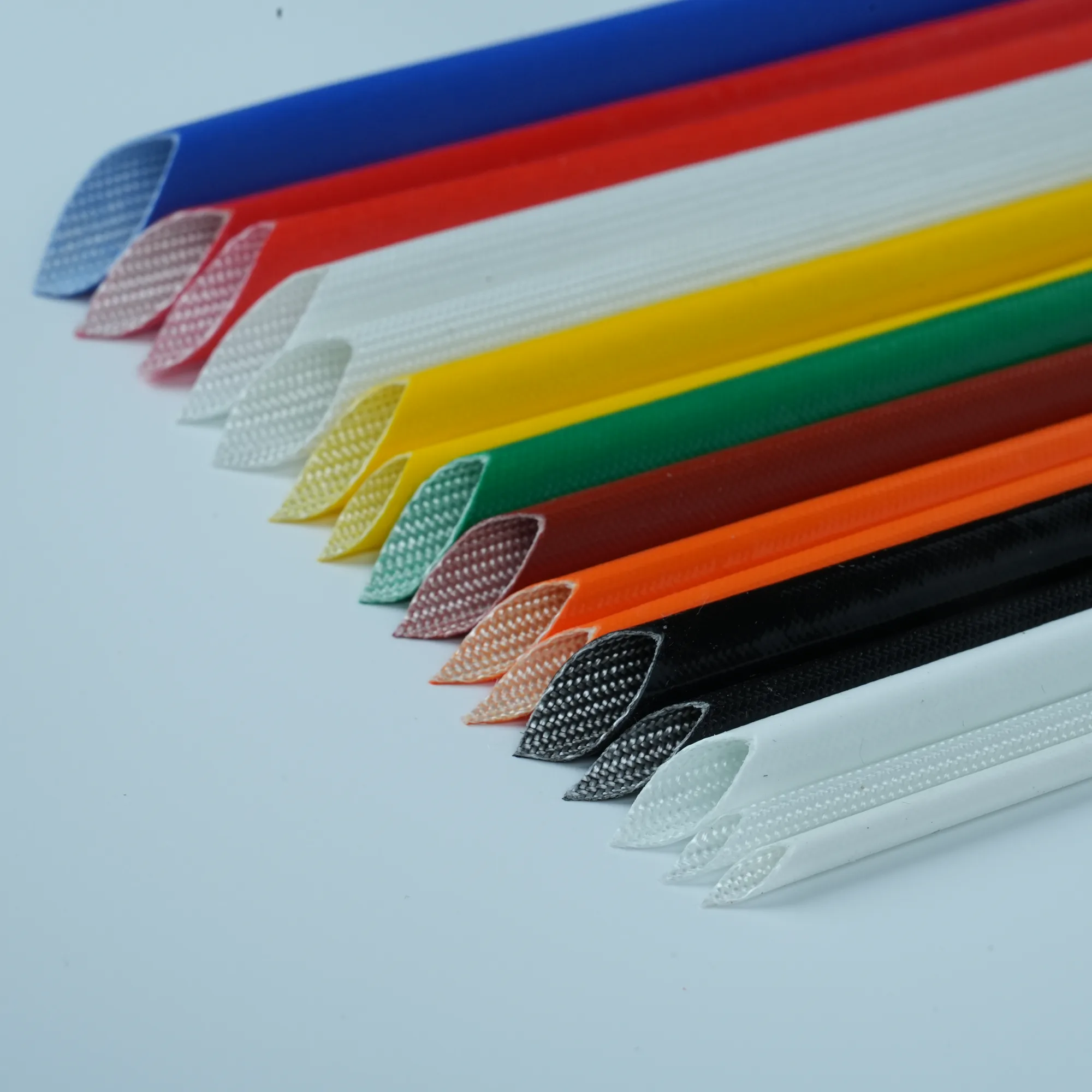
Modern fiberglass sleeving combines base fiber properties with specialized coatings to deliver superior wire protection and electrical insulation across temperature ranges from ambient to extreme heat. The interaction between glass fiber reinforcement, resin systems, and outer protective layers creates the total performance envelope. This article explores how material construction decisions shape fiberglass sleeving outcomes in real industrial settings.
Glass Fiber Composition and Weave Architecture
Base Glass Fiber Selection
Glass fiber quality forms the foundation of fiberglass sleeving durability. Manufacturers select from E-glass, C-glass, or specialized borosilicate compositions depending on chemical resistance and thermal requirements. E-glass fibers offer cost-effective performance for standard wire protection applications. C-glass provides superior chemical resistance in acidic or corrosive environments. The fiber diameter, typically ranging from 3 to 10 micrometers, directly influences sleeving flexibility and strength characteristics. Tighter fiber sizing produces smoother surfaces ideal for high speed cable installation, while looser arrangements enhance mechanical cushioning for fragile conductors.
Weave Density Impact
Weave pattern determines how effectively fiberglass sleeving protects against mechanical damage and environmental penetration. Tight basket weaves provide maximum wire protection through denser fiber contact, creating superior abrasion resistance. Plain weaves balance protection with flexibility, making installation easier on complex cable geometries. The fabric density, measured in ounces per square yard, directly correlates with sleeving thickness and structural integrity. Higher density construction enhances puncture resistance and extends sleeving lifespan in applications involving frequent cable movement or sharp edge contact.
Coating Systems and High Temperature Insulation
Resin and Binder Selection
Coating materials fundamentally alter fiberglass sleeving thermal tolerance and electrical insulation capabilities. Silicone-based coatings deliver excellent high temperature insulation, maintaining flexibility at temperatures exceeding 200°C and intermittently reaching 260°C. Acrylic and polyurethane systems work well for moderate temperature environments below 120°C. Phenolic resins provide superior mechanical strength but reduced flexibility. The binder system determines moisture resistance, flame characteristics, and long-term thermal aging properties. Aerospace and industrial equipment applications commonly specify silicone coatings due to superior high temperature insulation performance and reliability across extended thermal cycles.
Multi-Layer Construction Advantages
Advanced fiberglass sleeving incorporates multiple material layers to achieve specialized performance objectives. Inner layers provide mechanical wire protection through cushioning and abrasion resistance. Middle layers enhance thermal stability and chemical resistance. Outer layers offer flame protection and environmental sealing. This layered approach allows manufacturers to optimize each property independently without compromising overall functionality. Multi-layer constructions demonstrate superior electrical insulation characteristics because each layer contributes to dielectric strength while specialized coatings handle specific environmental challenges more effectively than single-component solutions.
Performance Characteristics and Material Integration
Thermal Performance and Material Properties
Material construction directly determines high temperature insulation ratings and continuous service temperature limits. Silicone-coated fiberglass sleeving achieves Class F thermal ratings suitable for 155°C continuous operation with higher intermittent temperature capability. Glass fiber reinforcement prevents thermal creep and maintains dimensional stability better than polymer-only solutions. Thermal conductivity of the coating system influences heat dissipation from protected conductors, important in high-current applications. Material density and fiber-to-resin ratio affect thermal expansion rates and mechanical stress during temperature cycling. Proper material selection ensures fiberglass sleeving maintains electrical insulation effectiveness across the full operating temperature range without degradation.
Mechanical and Environmental Resilience
Construction materials determine fiberglass sleeving durability in harsh industrial environments. Silicone-based formulations resist oxidative degradation better than standard acrylic coatings, extending lifespan in high-ozone or high-temperature environments. Glass fiber reinforcement provides puncture resistance and tear strength superior to non-woven alternatives. Chemical-resistant coating systems protect against oil, solvents, and coolant exposure common in manufacturing settings. Moisture absorption characteristics vary by material composition, affecting electrical insulation stability in humid or submerged applications. Material selection must balance mechanical robustness, environmental resistance, and electrical performance requirements specific to each application.
FAQ
How does material construction affect fiberglass sleeving flame resistance?
Flame-resistant properties depend on base fiber composition and coating chemistry. Borosilicate glass fibers naturally resist combustion and maintain strength at extreme temperatures. Silicone coatings provide superior flame protection through char formation and insulative carbon layer development. Halogen-free formulations in specialized coatings meet modern fire safety standards. Material construction choices directly influence UL and regulatory compliance ratings.
Why is high temperature insulation critical in fiberglass sleeving selection?
High temperature insulation protects electrical conductors in demanding industrial equipment including motors, transformers, and high-power cable assemblies. Material composition determines continuous and intermittent temperature limits where electrical insulation remains effective. Silicone-coated fiberglass sleeving maintains dielectric strength at elevated temperatures where standard polymers degrade. Proper material selection ensures equipment reliability and prevents insulation breakdown failures across thermal cycles.
What material factors improve wire protection durability?
Wire protection durability depends on fiber density, coating thickness, and chemical resistance of materials. Tighter weave patterns and higher-density glass fiber content increase puncture and abrasion resistance. Multi-layer constructions distribute mechanical stress across material layers, extending service life. Silicone and specialized polymer coatings resist environmental degradation better than standard acrylic formulations. Material quality and proper specification ensure fiberglass sleeving provides sustained electrical insulation and mechanical protection throughout equipment operating life.
 EN







