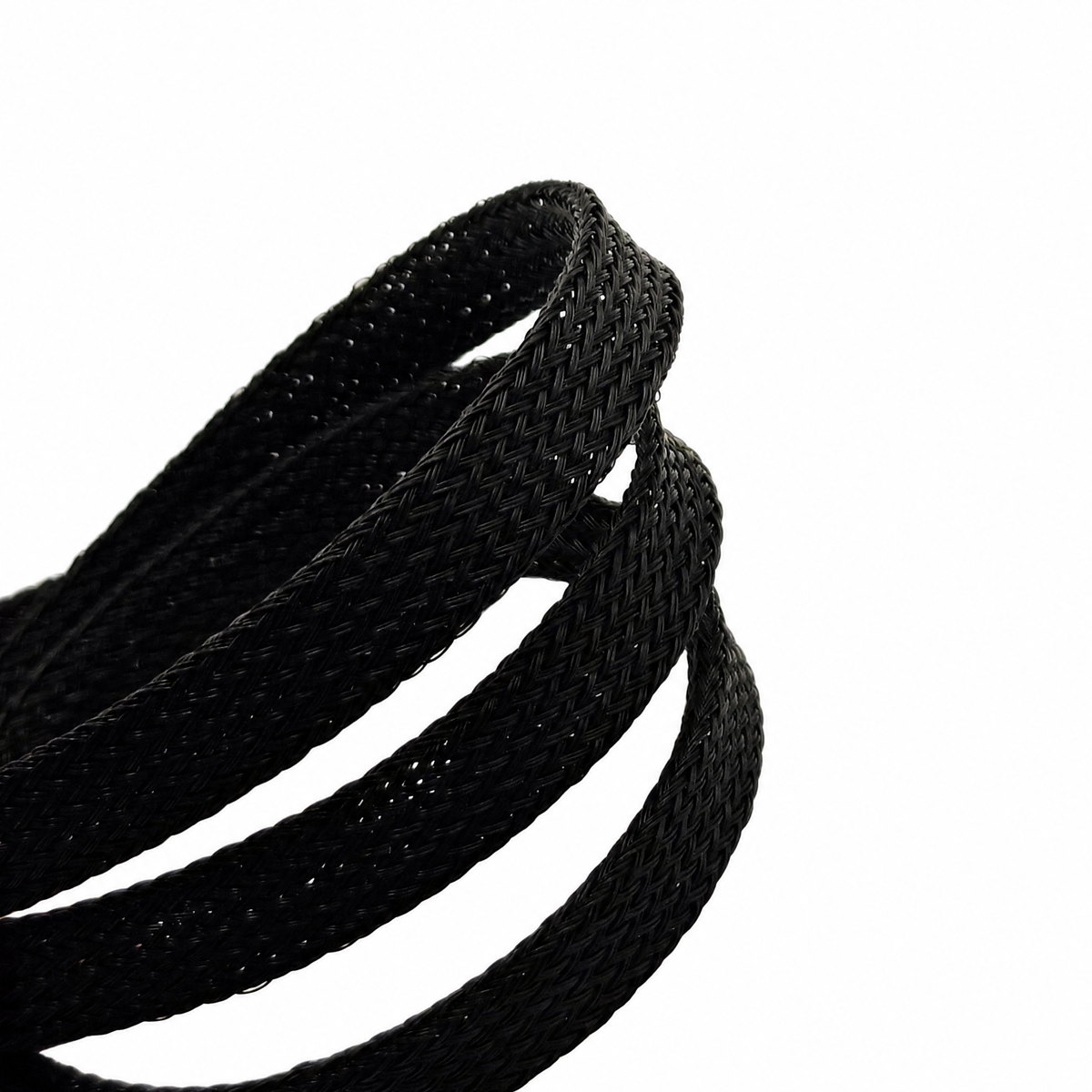
The material construction of expandable sleeving directly determines its effectiveness in protecting cables and managing wiring systems in industrial environments. Different polymers, weave patterns, and fiber compositions create distinct performance characteristics that impact durability, thermal resistance, flexibility, and long-term reliability. Understanding how material choices influence expandable sleeving behavior is essential for engineers, technicians, and procurement professionals who need to select the right cable management solution for their specific applications.
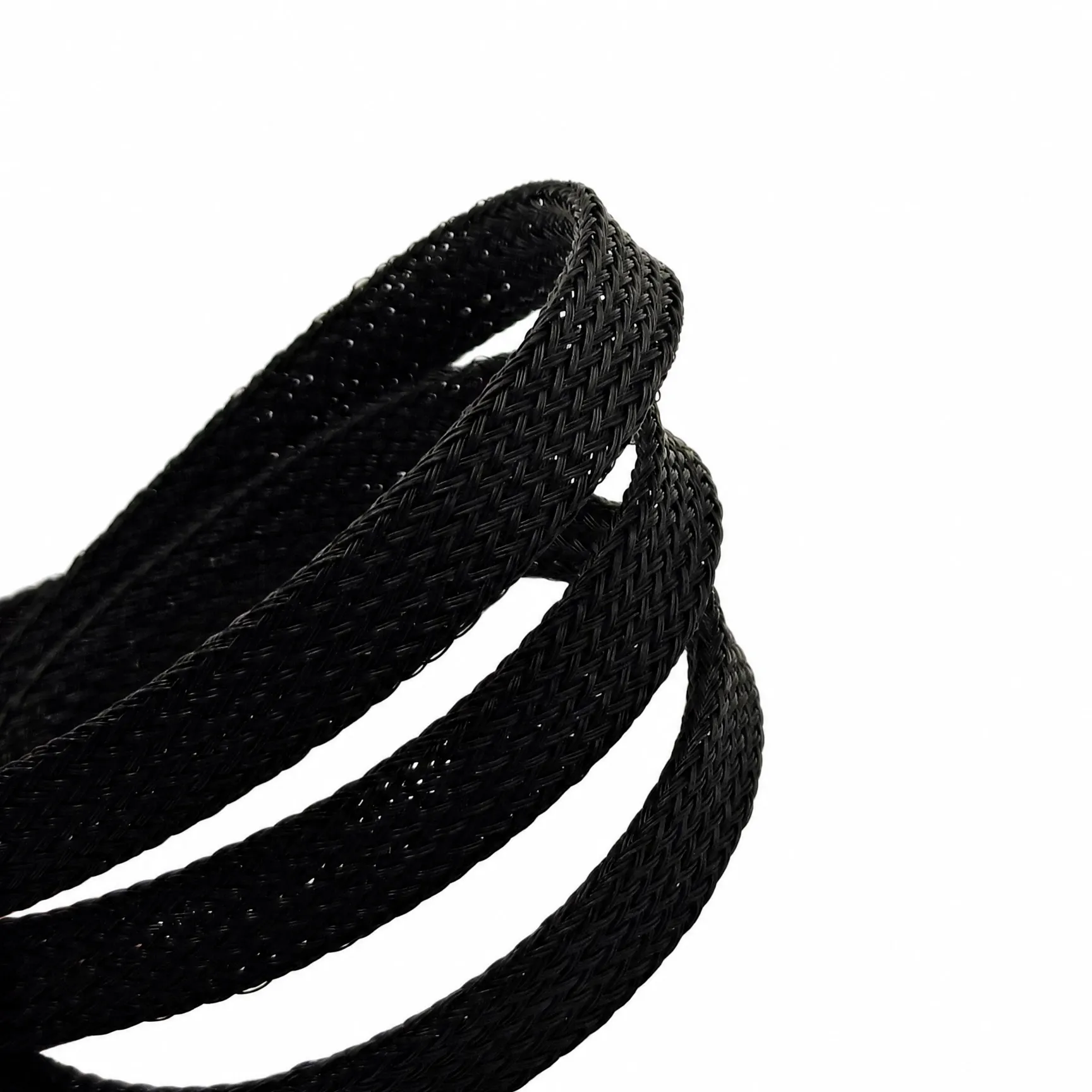
Material selection in pet sleeving and other cable protection products involves trade-offs between cost, performance, and application requirements. Polyester, nylon, and polyethylene terephthalate each bring different strengths to wire protection scenarios. When engineers evaluate expandable sleeving options, they must consider chemical resistance, flame retardancy, abrasion tolerance, moisture absorption, and temperature operating ranges. These material attributes translate directly into how well the sleeving performs under real-world conditions and how long it maintains its protective integrity.
How Polymer Type Influences Expandable Sleeving Durability
Polyester-Based Expandable Sleeving
Polyester construction remains one of the most common material bases for pet sleeving used in general-purpose cable management applications. Polyester fibers offer moderate abrasion resistance, good chemical stability, and reasonable cost-effectiveness for standard industrial environments. When woven into expandable sleeving, polyester maintains flexibility while providing reliable protection against minor impacts and friction. The material naturally resists many common solvents and oils encountered in manufacturing facilities. However, polyester has limitations in extreme temperature applications and can degrade when exposed to prolonged UV radiation or harsh outdoor conditions.
Nylon-Reinforced Wire Protection Solutions
Nylon construction delivers superior durability for expandable sleeving intended for demanding applications requiring exceptional abrasion resistance and mechanical strength. Pet sleeving formulated with nylon fibers provides enhanced tear resistance and better retention of protective properties under continuous movement or vibration. Nylon exhibits superior flexibility compared to many alternatives, making it ideal for cable management in tight spaces where bending radius matters. The material maintains stable performance across a wider temperature range and resists most industrial fluids effectively. For applications involving repetitive motion, mechanical stress, or harsh handling, nylon-based expandable sleeving justifies its premium cost through extended service life and reduced replacement frequency.
Weave Pattern and Material Density Effects on Cable Management
Single-Layer Versus Multi-Layer Braided Construction
The braided architecture of expandable sleeving directly affects its protective capabilities and adaptability to different wire diameters. Single-layer braiding creates lightweight pet sleeving suitable for applications where minimal bulk matters and cable bundles require flexibility for frequent reconfiguration. Multi-layer braided construction in expandable sleeving delivers enhanced protection by distributing forces across multiple material pathways, reducing the risk of localized damage penetrating through to the inner cables. Denser weave patterns increase material cost but improve abrasion resistance and environmental sealing. Engineers selecting cable management solutions must balance the protective redundancy offered by multi-layer designs against budget constraints and space limitations in their specific installations.
Fiber Diameter and Weave Tightness Variables
Fiber diameter within the braided structure of expandable sleeving significantly influences how tightly the weave contracts around cables of varying diameters. Finer fibers allow tighter weaving patterns, creating pet sleeving with better gap closure and improved wire protection against ingress of contaminants, moisture, or insects. Coarser fibers in expandable sleeving offer faster expansion properties and easier installation on pre-assembled cable bundles but may leave small gaps under certain diameter conditions. The relationship between weave tightness and fiber diameter determines the effective range of cable sizes that any given expandable sleeving product can accommodate safely. Specifying the correct weave density ensures optimal cable management performance and prevents either excessive compression that restricts cable movement or loose coverage that compromises protection.
Chemical Composition and Environmental Performance in Wire Protection
Flame Retardancy and Safety Requirements
Material additives in expandable sleeving dramatically alter its fire performance characteristics and compliance with safety standards across different industries. Pet sleeving treated with flame-retardant compounds resists ignition and limits smoke generation during thermal incidents, critical for applications near flammable materials or in confined spaces where smoke accumulation poses risks. Standard polyester expandable sleeving may not meet flame requirements, whereas specialty formulations incorporating phosphorus or halogenated compounds achieve UL or other regulatory certifications. Choosing flame-retardant expandable sleeving adds cost but may be mandatory in aerospace, automotive, marine, or chemical processing environments. Cable management decisions involving wire protection must include verification that material composition satisfies all applicable fire codes and industry standards for the intended installation location.
Moisture and Chemical Resistance in Diverse Industrial Settings
The polymeric composition of expandable sleeving determines its resistance to moisture absorption, oil permeability, and degradation from chemical exposure common in manufacturing plants. Pet sleeving constructed from moisture-resistant materials prevents swelling, maintains dimensional stability, and resists fungal growth in humid or wet environments. Polyester-based expandable sleeving performs adequately in moderate moisture conditions but may absorb water in extremely humid or submerged applications. Nylon variants demonstrate lower moisture absorption rates, making them superior for cable management in food processing, beverage production, or outdoor installations. Chemical compatibility requires careful material selection when expandable sleeving contacts solvents, cleaning agents, or aggressive industrial fluids; polyester tolerates many oils and mild solvents while certain nylon formulations provide broader chemical resistance for more specialized wire protection scenarios.
FAQ
Does material construction affect the temperature rating of expandable sleeving?
Yes, material construction fundamentally determines the temperature operating range of expandable sleeving and pet sleeving products. Polyester typically operates safely up to 80°C to 100°C, while premium nylon formulations may extend to 120°C or beyond. Specialty materials with ceramic coatings or aramid fibers in the braided structure enable expandable sleeving suitable for high-temperature cable management near furnaces, engines, or thermal processing equipment. The polymer backbone begins losing structural integrity above its glass transition temperature, so wire protection in elevated-temperature applications requires careful material selection matching the thermal profile of your specific installation environment.
Can pet sleeving material composition impact installation difficulty?
Material choice influences the ease of expanding and installing expandable sleeving around existing cable bundles, directly affecting labor time and installation costs. Softer materials with lower tensile strength expand more easily and require less force, simplifying cable management for field technicians. Stiffer materials in nylon-based expandable sleeving require more careful handling and may necessitate specialized tools or techniques for optimal wire protection. Material memory also varies; polyester-based pet sleeving may partially contract after expansion, potentially requiring post-installation tensioning or securing mechanisms. Understanding the material's mechanical properties helps schedule realistic installation timelines and allocate appropriate labor resources for deploying expandable sleeving systems effectively.
How does material selection in expandable sleeving impact long-term maintenance requirements?
Superior material construction in expandable sleeving reduces degradation rates, extends replacement intervals, and lowers total cost of ownership for cable management systems over their operational lifespan. Premium pet sleeving formulations resist UV degradation, maintain flexibility under repeated thermal cycling, and resist abrasion better than economy alternatives, reducing the frequency of inspections and replacements. Materials chosen for specific environmental challenges such as oil resistance or flame retardancy provide reliable wire protection without unexpected failures that disrupt production. Investing in quality expandable sleeving materials with appropriate chemical resistance, durability ratings, and thermal stability delivers superior long-term cable management performance and reduces unplanned maintenance burden on industrial maintenance teams.
 EN