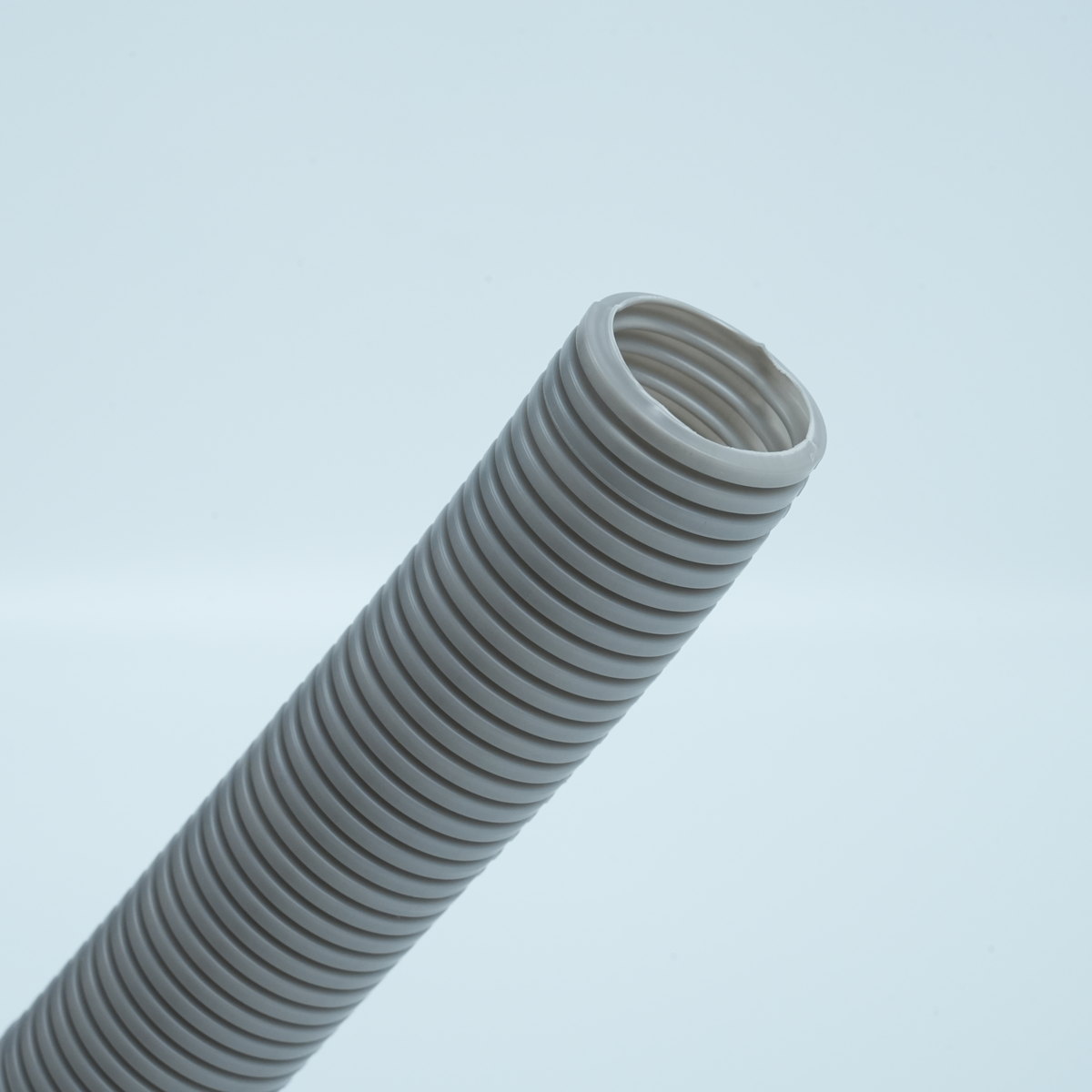
The material composition of corrugated conduit fundamentally determines how well it performs in industrial and automotive applications. Whether you're designing an automotive harness protection system or routing cables through demanding environments, the choice between nylon, polyester, and other materials directly affects durability, flexibility, and long-term reliability. Understanding how material construction influences corrugated conduit performance helps engineers and procurement teams make decisions that balance cost, protection requirements, and operational constraints.
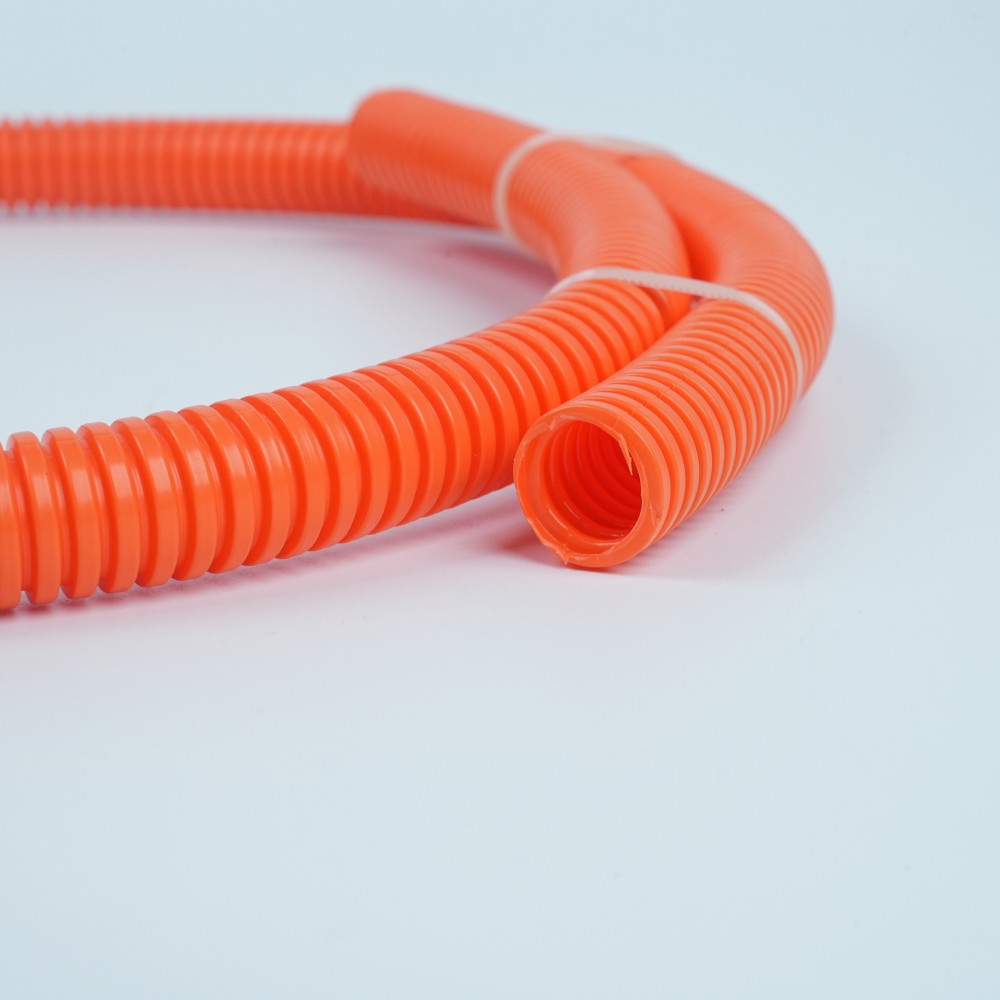
Material science plays a critical role in how corrugated tubing resists physical stress, temperature fluctuations, chemical exposure, and mechanical wear. Different polymers offer distinct advantages: nylon provides excellent flexibility and impact resistance, while polyester delivers superior flame retardancy and environmental stability. The corrugated conduit market relies heavily on material selection to meet automotive harness standards, electrical safety codes, and specific cable routing requirements across industries.
Material Types and Their Core Properties
Nylon-Based Corrugated Conduit
Nylon remains the most widely used material for automotive harness applications and general cable routing due to its inherent flexibility and mechanical strength. The crystalline structure of nylon allows corrugated tubing manufactured from this polymer to bend repeatedly without cracking, making it ideal for engine bays and areas subject to vibration. Nylon's resistance to oils, greases, and many chemicals common in automotive environments extends the service life of the corrugated conduit significantly.
The performance of nylon corrugated tubing depends on the specific nylon grade used. Standard nylon (PA6 or PA66) offers good flexibility and cost efficiency, while reinforced nylon formulations improve rigidity and temperature tolerance. When selecting a corrugated conduit for cable routing in high-vibration zones, nylon's damping characteristics reduce resonance and protect bundled wires from fatigue failure.
Polyester and Flame-Retardant Variants
Polyester-based corrugated tubing excels in applications requiring superior flame retardancy and thermal stability. This material construction prevents rapid propagation of flames and limits smoke generation, making it essential for aerospace, railway, and industrial automation cable routing systems. The corrugated tubing design combined with polyester's inherent properties creates a protective barrier that meets stringent safety certifications like UL 1581 and EN 60811-401.
Polyester material also resists prolonged UV exposure better than standard nylon, making it suitable for outdoor cable routing installations. The automotive harness industry increasingly specifies flame-retardant polyester corrugated conduit for underbody applications where exposure to fuel vapor and high operating temperatures demands enhanced protection. Unlike nylon, polyester maintains its structural integrity across a wider temperature range, though it may exhibit slightly reduced flexibility in cold conditions.
Performance Impact of Material Construction
Flexibility and Bend Radius Behavior
The polymer's molecular backbone directly controls how tightly a corrugated conduit can bend without kinking or cracking. Nylon polymers allow smaller bend radii because their amorphous regions absorb mechanical deformation elastically. This flexibility advantage makes nylon corrugated tubing preferred for routing cables through tight engine compartments and complex harness assemblies. Material construction determines the minimum bend radius that maintains wire protection integrity and prevents sharp pinch points.
Polyester-based corrugated conduit typically exhibits slightly larger minimum bend radii due to its more rigid crystalline structure, but this trade-off often proves acceptable in applications where flame retardancy requirements outweigh flexibility needs. The corrugated tubing profile itself enhances flexibility regardless of polymer type, but material properties establish the envelope of possible performance. Cable routing designers must account for these material-driven limitations when planning bundle pathways and bend point locations.
Temperature and Chemical Resistance
Material composition fundamentally governs how corrugated conduit responds to temperature extremes and chemical exposure. Standard nylon corrugated tubing operates reliably from roughly minus forty to eighty degrees Celsius, while high-temperature nylon variants extend this range to one hundred twenty degrees. Polyester and specialized engineering polymers push thermal limits even higher, supporting applications in geothermal, industrial furnace, and demanding automotive underbody environments where sustained heat exposure occurs.
Chemical resistance varies significantly based on material construction. Automotive harness systems encounter battery acid, coolant, transmission fluid, and fuel vapor—all of which degrade certain polymers over time. Nylon demonstrates excellent resistance to these fluids, but prolonged submersion weakens its mechanical properties. Polyester and reinforced plastic composites maintain structural integrity longer in aggressive chemical environments, justifying their higher material cost in premium automotive and industrial cable routing applications.
Selecting the Right Material for Application Requirements
Automotive Industry Standards and Selection Criteria
Automotive original equipment manufacturers specify corrugated conduit based on material properties that meet Federal Motor Vehicle Safety Standards and internal durability benchmarks. The automotive harness system must protect electrical conductors for the vehicle's operational lifetime while minimizing weight and cost. Material construction decisions balance these competing pressures: nylon provides cost efficiency and proven performance in most underhood applications, while premium materials address specific thermal or chemical challenges.
Engineers evaluating corrugated tubing for automotive cable routing applications assess materials through accelerated aging tests that simulate decades of temperature cycling, ozone exposure, and vibration. Material science testing confirms whether a nylon or polyester formulation maintains adequate tensile strength, elongation, and tear resistance after environmental stress. This validation process ensures that the corrugated conduit material construction will not degrade unexpectedly during vehicle service life, protecting both the wire bundle and the vehicle's electrical functionality.
Industrial and Aerospace Cable Protection
Industrial machinery and aerospace environments demand corrugated tubing materials that exceed automotive baseline requirements. Flame-retardant polyester and specialty engineering plastics dominate these markets because mechanical strength alone proves insufficient. Cable routing in aircraft cabins and industrial control panels requires corrugated conduit materials that resist flame propagation and limit toxic smoke emission during electrical faults or fire events.
Material construction in these applications often incorporates additives that enhance flame retardancy without compromising flexibility or long-term creep resistance. The corrugated tubing design pairs with advanced material chemistry to create conduit systems that survive harsh industrial environments while meeting international safety certifications. Industrial procurement teams specify materials based on application-specific hazard profiles rather than generic automotive standards, ensuring the corrugated conduit material construction aligns with unique operational risks and regulatory requirements.
FAQ
Does corrugated conduit material affect cable routing ease?
Yes, material directly influences how easily corrugated tubing accommodates wire insertion and removal during assembly and service. Nylon offers superior lubricity and internal smoothness, reducing friction during cable routing. Polyester and reinforced polymers may require slightly more effort during wire threading, but this minimal inconvenience trades off against superior thermal and flame properties that some applications demand.
Can I substitute nylon corrugated conduit with polyester in automotive harness applications?
Not without engineering review. While both materials protect cables, each offers different performance envelopes. Nylon automotive harness conduit suits standard underhood routing where flexibility and cost efficiency matter most. Polyester corrugated tubing becomes necessary when flame retardancy, extended temperature limits, or chemical resistance exceed nylon's material capabilities. Always verify that substituted corrugated conduit material meets your original equipment manufacturer's specifications.
How does material construction influence corrugated conduit longevity?
Material composition determines resistance to the cumulative stressors that degrade conduit over time: UV radiation, thermal cycling, chemical contact, and mechanical flexing. Premium material construction in polyester or reinforced nylon formulations extends corrugated tubing service life significantly compared to standard variants. Selecting appropriate material ensures your cable routing protection system remains effective throughout the intended operational lifetime without brittle failure or wall degradation.
 EN