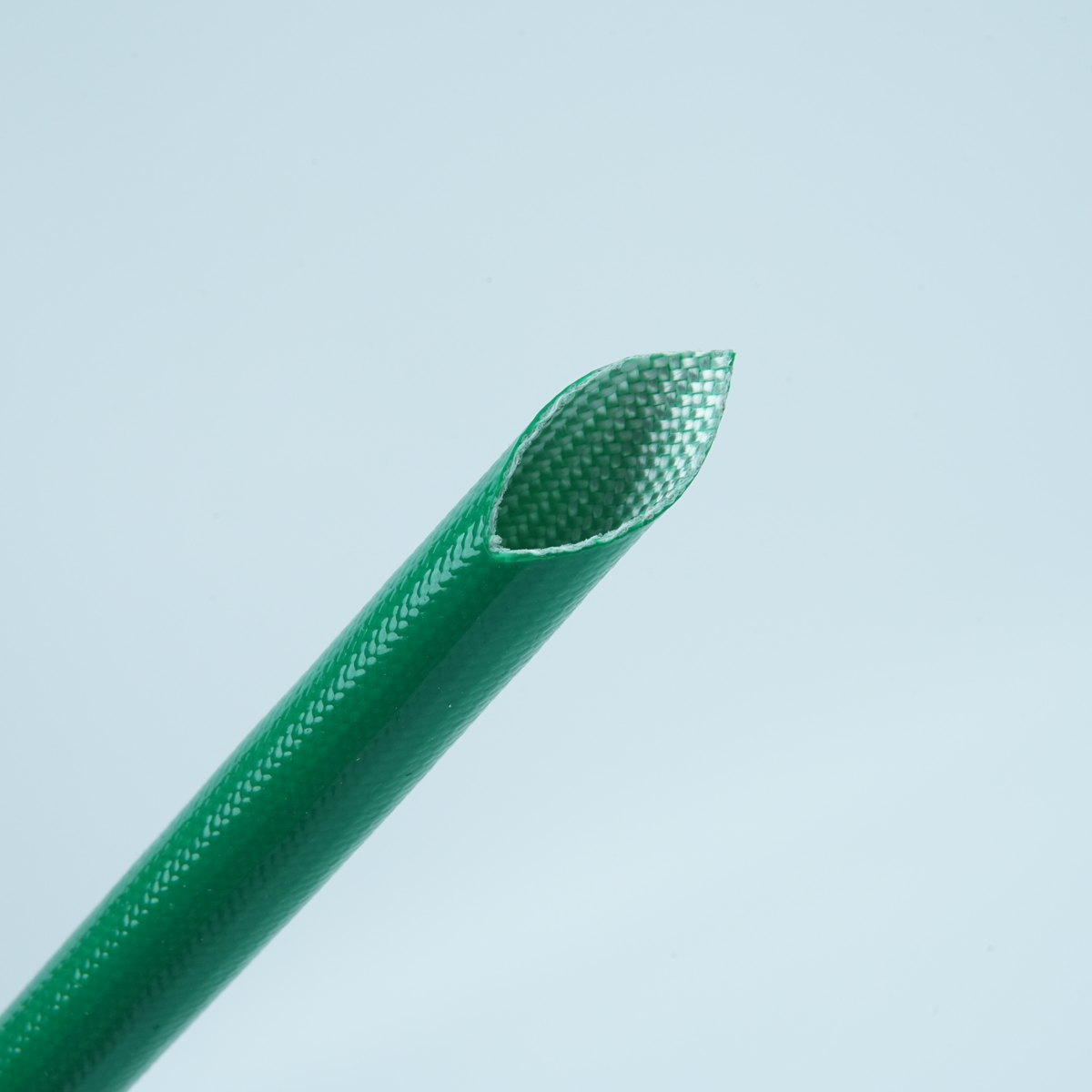
Cable bundles in industrial and electrical applications face constant thermal stress, abrasion, and environmental challenges. A fiberglass sleeving solution provides essential protection by combining durability, thermal management, and mechanical strength. This protective layer becomes critical when cables are routed through high-temperature zones, machinery compartments, or exposed outdoor environments. Understanding the right specification, fit, and installation method ensures long-term cable integrity and operational safety.
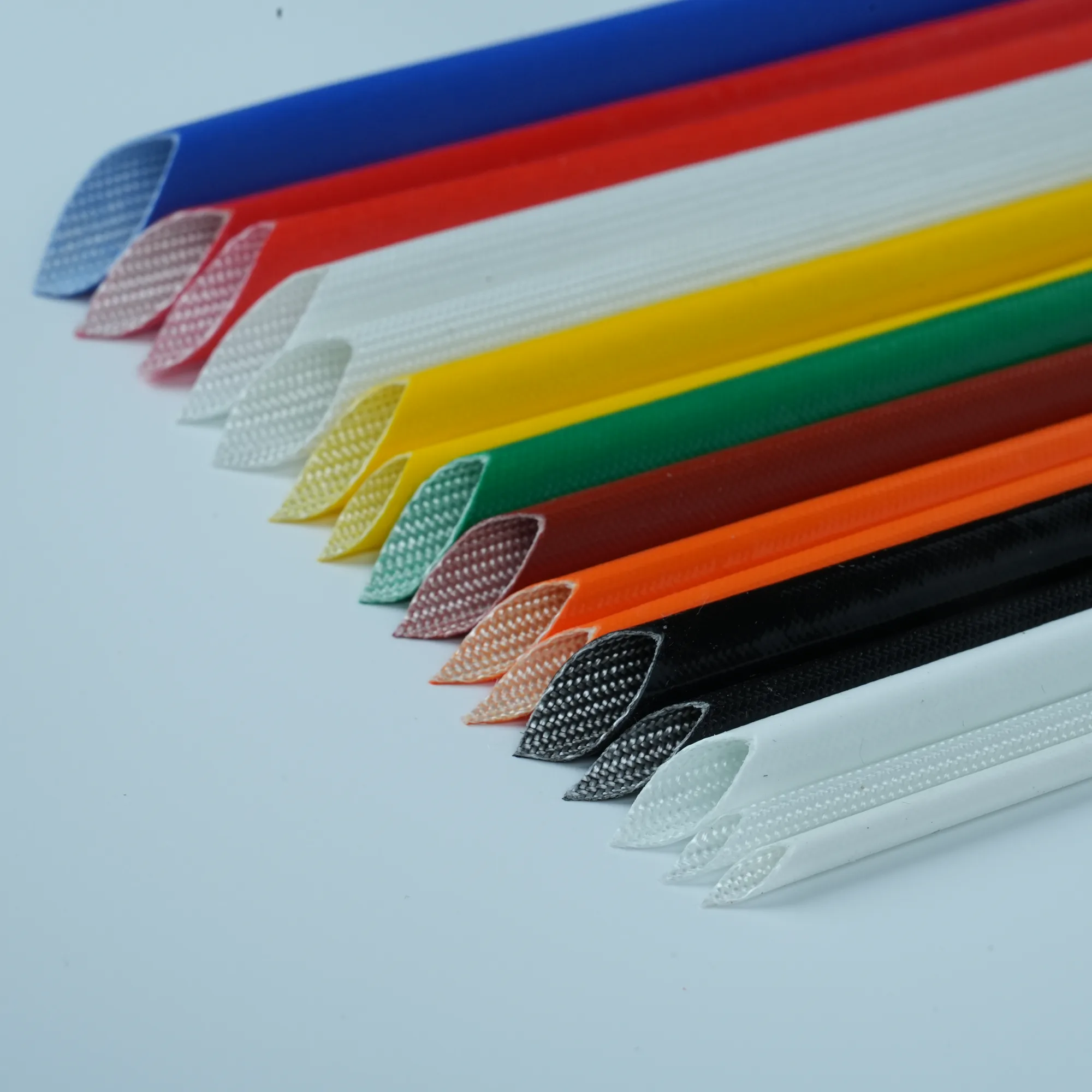
The design and material composition of heat resistance protective sleeving determine its performance across different operating conditions. Modern fiberglass sleeving combines glass fiber reinforcement with specialized resin matrices or silicone coatings to achieve superior heat resistance ratings, flexibility during installation, and long-term mechanical reliability. Proper sizing, accurate fit, and correct installation technique directly influence how effectively the sleeve protects cable bundles from thermal degradation, moisture ingress, and physical damage.
Understanding Heat Resistance and Material Performance
How Fiberglass Sleeving Achieves High Temperature Insulation
Heat resistance in fiberglass sleeving stems from the inherent properties of glass fiber reinforcement combined with specialized coating materials. Glass fibers maintain structural integrity at temperatures where many polymers would soften or degrade. High temperature insulation is achieved through multi-layer construction, where an inner fiberglass weave provides mechanical strength while an outer silicone or resin layer adds thermal barrier properties.
The thermal performance of fiberglass sleeving depends on the specific material grade and coating system selected. Standard fiberglass variants offer continuous-use temperatures between 200 and 300 degrees Celsius, while premium silicone-coated options extend performance to 400 degrees or higher. The heat resistance rating represents the maximum sustained temperature where the sleeve maintains its protective function without premature brittleness, shrinkage, or loss of electrical insulation properties.
Selecting the Correct Heat Rating for Your Application
Choosing the appropriate heat resistance classification requires understanding both peak operating temperatures and sustained thermal exposure patterns. Most industrial cable bundles experience maximum temperatures that occur during fault conditions or short-term peak loads, while continuous operating temperatures remain 20–40 degrees Celsius lower. Wire protection effectiveness depends on matching the sleeve heat rating to the worst-case sustained condition, not just the theoretical maximum.
Documentation from equipment manufacturers typically specifies cable temperature limits, ambient operating ranges, and installation environment details. These inputs guide the selection of appropriate high temperature insulation specifications. Over-specifying heat resistance adds unnecessary cost, while under-specifying risks premature failure, warranty voidance, and safety liability.
Flexibility and Fit Considerations During Installation
Balancing Protective Thickness With Installation Ease
Fiberglass sleeving must balance protective thickness with practical flexibility during routing and bundle assembly. Thicker sleeves provide greater mechanical protection and heat resistance but require larger conduit diameters and complicate final positioning around cable terminations. Thinner options offer superior flexibility and reduce overall bundle diameter but may compromise abrasion resistance or thermal performance in severely demanding environments.
The appropriate wall thickness for fiberglass sleeving typically ranges from 0.5 mm to 2.5 mm, depending on application severity, cable bundle size, and operational context. Most industrial applications use 1.0–1.5 mm thickness, which provides adequate wire protection while maintaining reasonable flexibility for routing and installation. Testing during the design phase confirms that the selected thickness accommodates bend radius requirements, terminal clearance, and mechanical access constraints.
Sizing Accuracy for Proper Cable Bundle Fit
Accurate sizing is essential for effective protection and reliable fit around cable bundles of varying diameters. Fiberglass sleeving is produced in standard inside diameters ranging from 3 mm to 100 mm, with custom sizes available for specialized applications. Measuring the maximum bundle outer diameter and selecting a sleeve size that provides slight compression without excessive tension ensures the protection layer stays in contact with the cables during thermal cycling and vibration.
A properly fitted fiberglass sleeving sleeve remains centered over the cable bundle throughout the operational life cycle. Loose-fitting sleeves migrate, bunch, or separate during thermal expansion and contraction, reducing effective wire protection. Conversely, excessively tight fits restrict cable movement, create stress concentration points, and may degrade the sleeve material through persistent compression.
Installation Methods and Best Practices
Preparation, Routing, and Securing Techniques
Successful installation of fiberglass sleeving begins with thorough cable bundle preparation, including cleaning the outer surface and removing any sharp protrusions that could puncture the protective sleeve during deployment. The bundle is pre-formed to match the final routing path, accounting for bend radii, support point spacing, and terminal connections. Heat resistance performance is maximized when the sleeve is applied smoothly and concentrically around the entire bundle length.
Many applications benefit from temporary securing methods during sleeve deployment, such as flexible cable ties or adhesive tape applied at intervals along the bundle. These hold the sleeve in proper alignment as the bundle is positioned into its final routing location. Once the cable bundle reaches its installed position, adjusting fastening points ensures the sleeve experiences minimal stress or compression, allowing thermal expansion and movement without degradation.
Handling Transitions, Terminations, and Environmental Sealing
Cable bundle transitions—where fiberglass sleeving ends and exposed cable begins—require careful attention to prevent moisture ingress and protect unshielded wire sections. Common approaches include tapering the sleeve edge gradually toward exposed conductors, using heat-shrink tubing over the transition zone, or applying flexible silicone sealant to bridge the gap. These techniques maintain wire protection and extend service life in moisture-rich environments.
Terminal areas where cables transition to connectors, terminal blocks, or junction boxes present distinct challenges for high temperature insulation application. The sleeve must accommodate the physical dimensions of terminal hardware while maintaining adequate clearance for electrical connections. Most installations terminate the fiberglass sleeving 10–20 mm before connector bodies, allowing access for crimping, soldering, or screw terminals while still protecting the primary cable run with effective heat resistance coverage.
FAQ
What wire protection temperature range should I specify for outdoor industrial applications?
For outdoor industrial environments, select fiberglass sleeving rated at least 20–30 degrees Celsius above the maximum documented ambient temperature plus any localized heat sources. If ambient conditions reach 40 degrees Celsius and cables pass near machinery generating radiant heat, specify heat resistance capability of 120–150 degrees Celsius minimum. This safety margin accounts for direct solar exposure, reflective heating, and aging degradation over the equipment lifespan. Most outdoor industrial installations use 150–200 degree Celsius rated sleeves to ensure sustained performance and warranty compliance.
Can fiberglass sleeving be applied over already-installed cable bundles?
Yes, fiberglass sleeving can be retrofitted over existing cable bundles, though the process requires careful planning to minimize disruption. The cable bundle must be supported securely to prevent sagging during sleeve installation. Split or opening-style fiberglass sleeving options simplify retrofit applications, allowing the protective layer to wrap around bundles without requiring removal or end-feeding techniques. Standard continuous sleeving requires cable-end access for deployment. Retrofit applications should include transitional sealing at bundle terminations to restore complete wire protection equivalent to new installations.
How does high temperature insulation sleeving maintain flexibility after years of thermal cycling?
Premium high temperature insulation sleeving retains flexibility through silicone resin systems and specialized glass fiber weaves engineered to resist thermal embrittlement. Silicone coatings remain flexible across wide temperature ranges, preventing the brittleness that affects traditional fiberglass or lower-grade materials. Quality fiberglass sleeving products undergo thermal cycling testing—repeated heating and cooling under load—to verify that flexibility, tensile strength, and protective properties remain stable throughout the specified operational life. This durability advantage justifies higher material costs in critical applications.
 EN