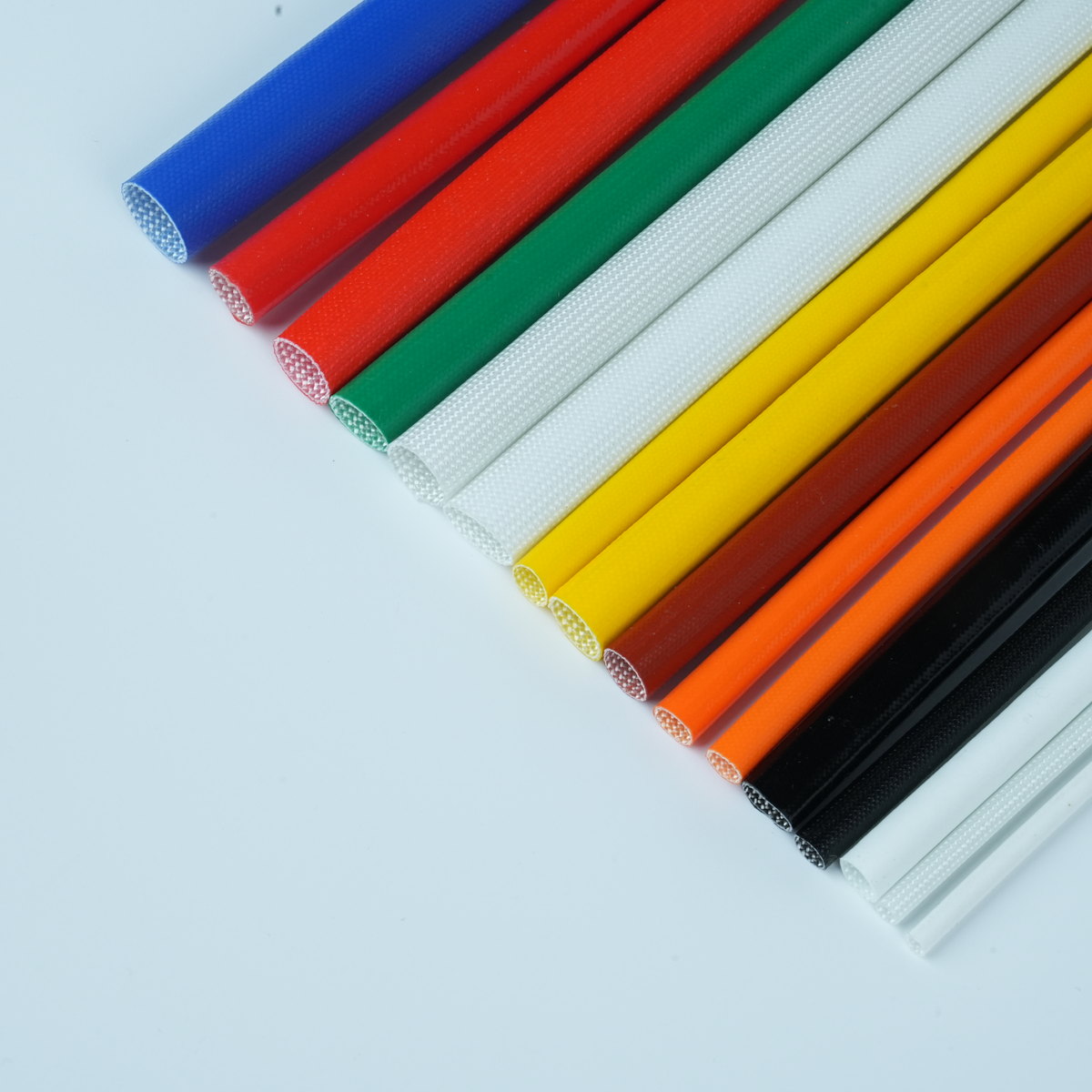
When selecting protective solutions for electrical wiring and components, engineers and maintenance professionals often face a critical choice between fiberglass sleeving and heat shrink tubing. Both deliver wire protection and electrical insulation, yet they serve distinctly different purposes and excel in different operating environments. Understanding the fundamental differences between these two cable sleeving methods is essential for making the right decision for your specific application.

Heat shrink tubing and fiberglass sleeving represent two distinct categories of protective covering, each with specialized strengths. While heat shrink tubing creates a permanent, sealed barrier through thermal contraction, fiberglass sleeving provides reusable, flexible wire protection without adhesive bonding. The choice between them depends on your thermal requirements, application permanence, maintenance needs, and operating temperature ranges.
Understanding Fiberglass Sleeving for High-Temperature Applications
Why Fiberglass Sleeving Excels in Extreme Heat
Fiberglass sleeving is engineered specifically for environments where sustained high temperatures would destroy traditional polymer-based alternatives. Industrial furnaces, engine compartments, welding stations, and aerospace applications demand cable sleeving materials that maintain integrity well above 200°C. Fiberglass sleeving consistently performs in these demanding conditions, making it the default choice for thermal wire protection in heavy industry.
The material composition of fiberglass sleeving provides exceptional thermal stability without degradation. Unlike heat shrink tubing, which typically softens or loses integrity above 150–180°C depending on polymer formulation, fiberglass sleeving can withstand continuous exposure to temperatures exceeding 300°C. This thermal resilience makes fiberglass sleeving indispensable where electrical insulation must remain reliable under extreme process conditions.
Reusability and Maintenance Advantages
One overlooked advantage of fiberglass sleeving is its non-destructive removability. Unlike heat shrink tubing, which must be cut away during maintenance, fiberglass sleeving slides off without damage to underlying wires or cable sleeving infrastructure. This reusability dramatically reduces long-term costs in industrial settings where frequent rewiring, troubleshooting, or component replacement occurs regularly.
Maintenance technicians appreciate the speed of cable sleeving installation and removal with fiberglass products. No heat gun is required, no thermal shrinking process, and no risk of heat damage to nearby components. This operational efficiency translates into reduced downtime and lower labor costs, particularly in repetitive maintenance cycles common in manufacturing plants and power generation facilities.
Heat Shrink Tubing for Permanent Sealed Protection
Hermetic Sealing and Moisture Barrier Benefits
Heat shrink tubing creates a permanent, hermetically sealed barrier that fiberglass sleeving cannot match. When heated, the tubing contracts tightly around wires and connectors, forming a moisture-resistant seal that excludes water, oils, and contaminants completely. For applications requiring electrical insulation in wet environments, marine settings, or corrosive atmospheres, heat shrink tubing provides superior protection through its adhesive-backed variants.
This sealed integrity matters critically in automotive, marine, and outdoor electrical applications. Heat shrink tubing with appropriate wall thickness and adhesive formulation prevents corrosion initiation on wire strands and connection points. While fiberglass sleeving offers wire protection, it cannot create the hermetic seal that eliminates moisture ingress, making heat shrink tubing the preferred cable sleeving choice for submerged or chemically aggressive environments.
Permanent Installation and Cost Efficiency
Heat shrink tubing is designed for permanent installation, eliminating concerns about accidental slippage or vibration-induced movement. Once applied and cooled, the tubing remains fixed in position indefinitely. For applications where electrical insulation and wire protection must be absolutely reliable without maintenance intervention, heat shrink tubing offers peace of mind and simplified long-term planning.
While initial material cost for heat shrink tubing may exceed fiberglass sleeving per unit length, the permanent nature of the installation often justifies the expense. In consumer electronics, automotive assemblies, and appliance manufacturing, heat shrink tubing eliminates the labor cost of periodic maintenance checks and adjustments. The combined material and installation cost frequently favors heat shrink tubing in high-volume, one-time assembly scenarios.
Selecting the Right Cable Sleeving Solution for Your Environment
Temperature-Based Decision Framework
Operating temperature is the primary driver in choosing between fiberglass sleeving and heat shrink tubing for cable sleeving applications. If your environment sustains temperatures above 180°C continuously, fiberglass sleeving becomes mandatory. Industrial equipment, engine bay applications, and furnace-adjacent installations almost always require the thermal resilience that only fiberglass sleeving provides.
Conversely, if temperatures remain below 150°C and the application requires moisture exclusion or a permanent seal, heat shrink tubing delivers superior electrical insulation and environmental protection. Consumer electronics, telecommunications equipment, and standard industrial control panels typically fall into this category, where heat shrink tubing's sealed properties outweigh fiberglass sleeving's temperature tolerance.
Application-Specific Considerations
Beyond temperature, application permanence and maintenance frequency determine the optimal choice. Aerospace applications, power plants, and heavy manufacturing typically favor fiberglass sleeving because maintenance technicians need reliable wire protection that survives repeated inspection and repair cycles. The non-destructive removability of fiberglass sleeving aligns perfectly with these environments' service requirements.
Medical devices, sealed automotive modules, and marine electronics generally favor heat shrink tubing because the application requires permanent sealing and the installation undergoes minimal future modification. Once assembled and sealed, these products enter service with no expectation of wire protection or cable sleeving adjustments. The hermetic barrier and permanence of heat shrink tubing address these use cases more effectively than reusable fiberglass sleeving alternatives.
FAQ
What temperature can fiberglass sleeving withstand?
Fiberglass sleeving engineered for wire protection typically maintains integrity at temperatures exceeding 300°C in many industrial applications, significantly outperforming standard heat shrink tubing. The exact maximum temperature depends on the fiberglass formulation, resin binder, and any coatings applied, but most commercial fiberglass sleeving products function reliably at 200–260°C continuously. For critical high-temperature applications requiring electrical insulation above 180°C, fiberglass sleeving is the appropriate cable sleeving choice.
Can heat shrink tubing be reused after installation?
Heat shrink tubing is not designed for reuse after thermal activation and shrinking. Once the tubing shrinks around wires during heat application, removing it typically requires cutting, which damages the protective barrier. In contrast, fiberglass sleeving for wire protection slides off without damage, making it reusable across multiple maintenance cycles. This fundamental difference makes heat shrink tubing the permanent solution and fiberglass sleeving the preferred cable sleeving choice when maintenance flexibility matters.
Which material provides better moisture protection?
Heat shrink tubing with adhesive-backed walls creates a hermetic seal that completely excludes moisture, making it superior for electrical insulation in wet or marine environments. Fiberglass sleeving, while offering excellent wire protection and thermal resistance, does not seal against moisture penetration at connection points. For applications requiring absolute moisture exclusion and cable sleeving integrity in humid or submersed conditions, heat shrink tubing is the appropriate choice despite fiberglass sleeving's temperature advantages.
 EN