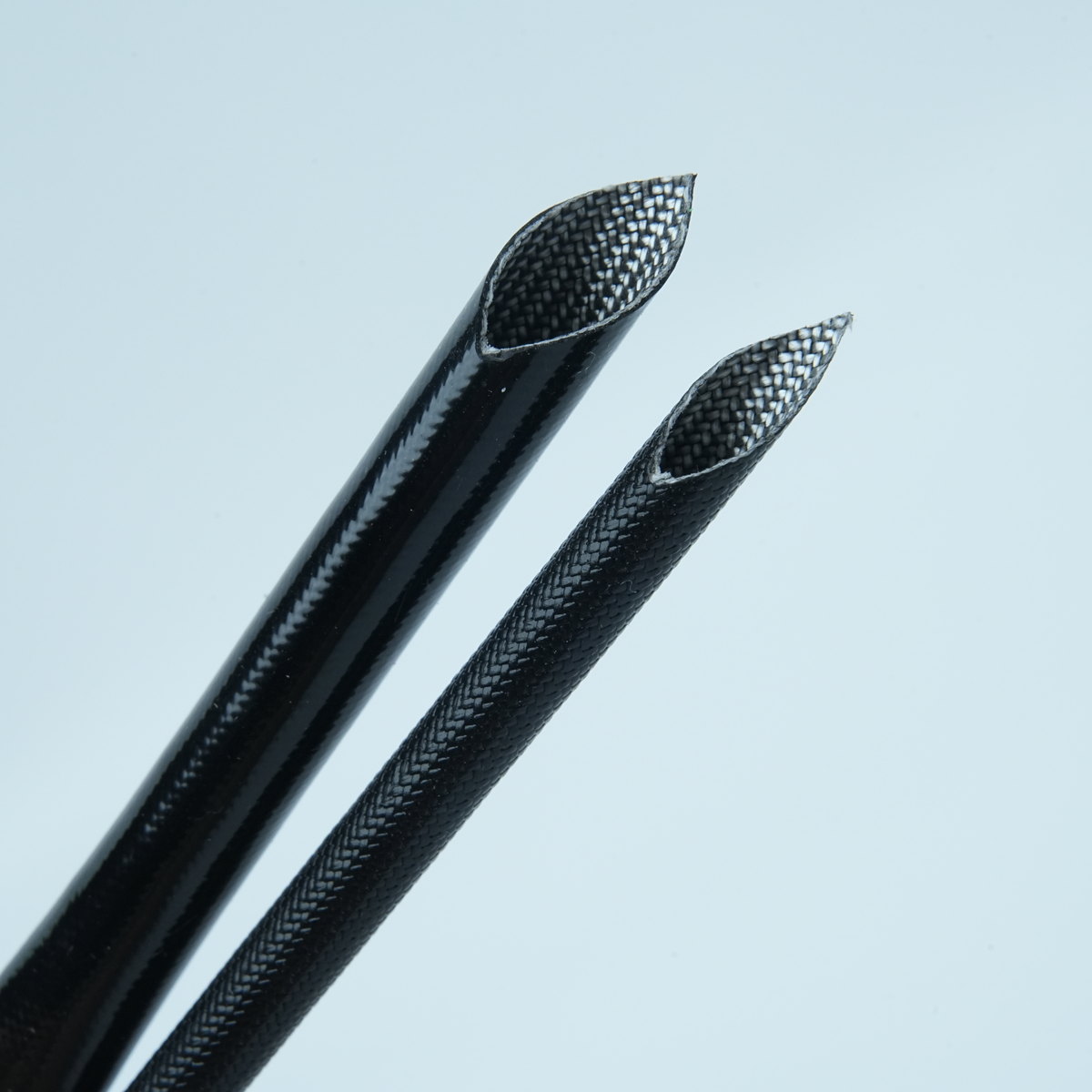
Routing wires and cables through confined spaces demands precision, durability, and reliable protection. Engineers face constant pressure to fit complex electrical systems into increasingly compact designs without compromising safety or performance. Fiberglass sleeving has emerged as a critical solution for these challenging installations, offering superior thermal resistance, mechanical strength, and flexibility that standard cable sleeving alternatives simply cannot match in tight routing scenarios.

Understanding the nuances of material selection is essential for engineers who need to ensure long-term reliability in applications where space constraints are non-negotiable. The decision to choose fiberglass sleeving over conventional options hinges on several interrelated factors, including temperature exposure, mechanical stress, environmental conditions, and installation geometry. This guide walks through the most critical selection criteria that separate effective designs from costly failures in confined cable routing applications.
Thermal Performance and Temperature Range Considerations
Heat Resistance Requirements in Compact Installations
Tight routing spaces often concentrate heat around cables and wires, creating thermal environments that standard insulation cannot withstand. Fiberglass sleeving maintains its structural integrity across a much wider temperature range than plastic or rubber alternatives, typically supporting continuous operation from minus forty to five hundred degrees Fahrenheit. This exceptional thermal stability prevents degradation, cracking, and loss of electrical insulation properties that compromise safety in industrial and automotive applications where heat dissipation becomes impossible due to spatial limitations.
Material Composition and Fire Safety
The woven glass fiber construction of premium fiberglass sleeving products naturally resists flame propagation and charring. Unlike polyethylene or PVC-based cable sleeving, which can melt, soften, or release toxic fumes under thermal stress, fiberglass maintains dimensional stability and electrical insulation integrity during exposure to sustained heat. Engineers working with aerospace, military, or safety-critical equipment rely on fiberglass sleeving specifically because it meets demanding fire certification standards without requiring additional chemical treatments that might compromise flexibility or cost-effectiveness.
Mechanical Durability and Space-Constrained Installation
Abrasion Resistance During Routing and Vibration
Tight routing spaces force cables to bend around sharp edges, compress against mounting brackets, and endure constant vibration from adjacent equipment. Wire protection becomes critical in these scenarios because inadequate sleeving allows outer insulation to fray, crack, or separate under mechanical stress. Fiberglass sleeving withstands abrasion far better than soft cable sleeving materials, maintaining continuous electrical insulation even after years of vibration and movement. The rigid yet flexible character of woven glass fiber provides cushioning against sharp contact points while resisting the cutting and tearing that would compromise softer protective layers.
Installation Flexibility Without Sacrificing Protection
Engineers selecting materials for tight spaces face a frustrating trade-off: rigid protective tubes restrict routing options, while flexible cable sleeving often lacks durability. Fiberglass sleeving resolves this tension by combining genuine flexibility with superior mechanical strength. The material bends smoothly around corners and complex paths without pinching or creating dead zones where heat accumulates or moisture traps. This balance between flexibility and structural integrity makes fiberglass sleeving ideal for applications where design constraints leave no room for oversized conduits or rigid protective housings.
Electrical Insulation and Environmental Resistance
Voltage Breakdown and Dielectric Strength
High-voltage applications in confined spaces demand exceptional electrical insulation that maintains dielectric strength across extended temperature ranges and throughout the product lifespan. Fiberglass sleeving provides consistent insulation properties that do not degrade from thermal cycling, UV exposure, or contact with oils and solvents common in industrial environments. The electrical insulation performance remains stable because the woven glass matrix does not absorb moisture or undergo chemical changes that would increase conductivity or create leakage paths between wire protection layers and adjacent conductors.
Moisture and Chemical Resistance
Tight routing spaces in harsh environments expose cables to condensation, salt spray, petrochemical vapors, and cleaning fluids that corrode conventional cable sleeving. Fiberglass sleeving resists moisture absorption, chemical attack, and corrosive atmospheres far more effectively than braided nylon, polycarbonate, or standard plastic sleeves. For offshore applications, food processing facilities, chemical plants, and automotive underbody installations, this chemical resistance becomes the difference between systems that function reliably for decades and those that fail prematurely due to insulation breakdown or conductor corrosion. The inherent stability of glass fiber material ensures wire protection persists through exposure cycles that would degrade inferior alternatives.
Practical Selection Workflow for Tight Space Applications
Matching Sleeving Diameter to Cable Bundle Geometry
Successful fiberglass sleeving selection begins with precise measurement of the cable bundle diameter and routing path constraints. Engineers must account for thermal expansion of both the wire and the sleeving material when calculating minimum and maximum clearances. Undersizing creates installation stress and potential insulation damage, while oversizing wastes space and increases weight in weight-sensitive applications like aerospace systems. Many designers implement sizing standards that maintain at least point-one-inch clearance between the cable bundle outer diameter and the inner diameter of the sleeving to accommodate thermal expansion while preserving mechanical protection.
Installation Method and Long-Term Durability
The method of applying fiberglass sleeving significantly impacts its protective effectiveness and longevity in tight spaces. Braided fiberglass sleeving can be slipped over cables before termination, allowing full coverage without removal complexity. Self-closing types wrap around existing installations where removal is impractical. Each approach offers trade-offs between installation convenience and coverage consistency that engineers must weigh against their specific design constraints. Proper installation tension and routing support ensure the sleeving maintains contact with the wire protection perimeter throughout its service life, preventing gaps where abrasion or environmental exposure could compromise insulation integrity.
FAQ
Why is fiberglass sleeving superior to plastic cable sleeving in tight routing spaces?
Fiberglass sleeving maintains its structural integrity across wider temperature ranges, resists abrasion and chemicals more effectively, and provides superior electrical insulation performance compared to plastic alternatives. In tight spaces where thermal stress concentrates and mechanical wear accelerates, these advantages directly translate to longer service life and more reliable wire protection without requiring oversized conduits or restrictive routing paths.
What temperature range can fiberglass sleeving withstand?
Premium fiberglass sleeving typically supports continuous operation from minus forty to five hundred degrees Fahrenheit, making it suitable for thermal environments that would cause plastic and rubber cable sleeving to soften, crack, or lose electrical insulation properties. This exceptional thermal stability remains consistent throughout the product lifespan without degradation from thermal cycling or exposure to extreme conditions.
How do engineers determine the correct diameter for fiberglass sleeving?
Measure the outer diameter of the complete cable bundle and select fiberglass sleeving with an inner diameter approximately point-one to point-two inches larger to accommodate thermal expansion and maintain consistent contact. Account for both the wire expansion and sleeving expansion when calculating clearances, and verify that the selected size allows unobstructed routing through all tight spaces in your design without pinching or creating dead zones for heat accumulation.
 EN