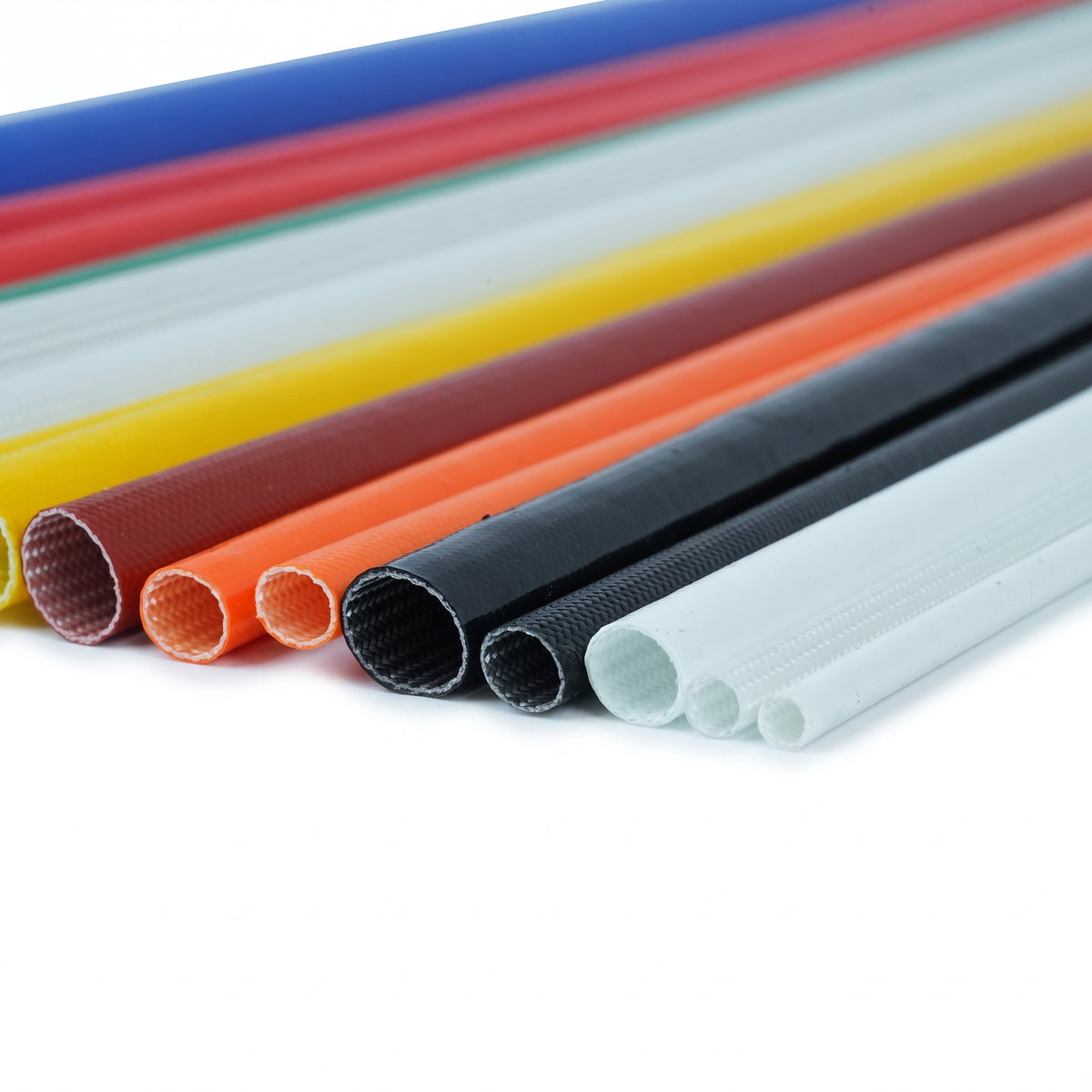
Selecting the correct fiberglass sleeving for cable assemblies is one of the most critical decisions in electrical assembly design. The wrong choice leads to premature failure, safety hazards, and costly rework in the field. This guide walks you through sizing considerations, installation best practices, and a practical verification checklist to ensure your fiberglass sleeving choice protects wires and components reliably throughout their operational life.
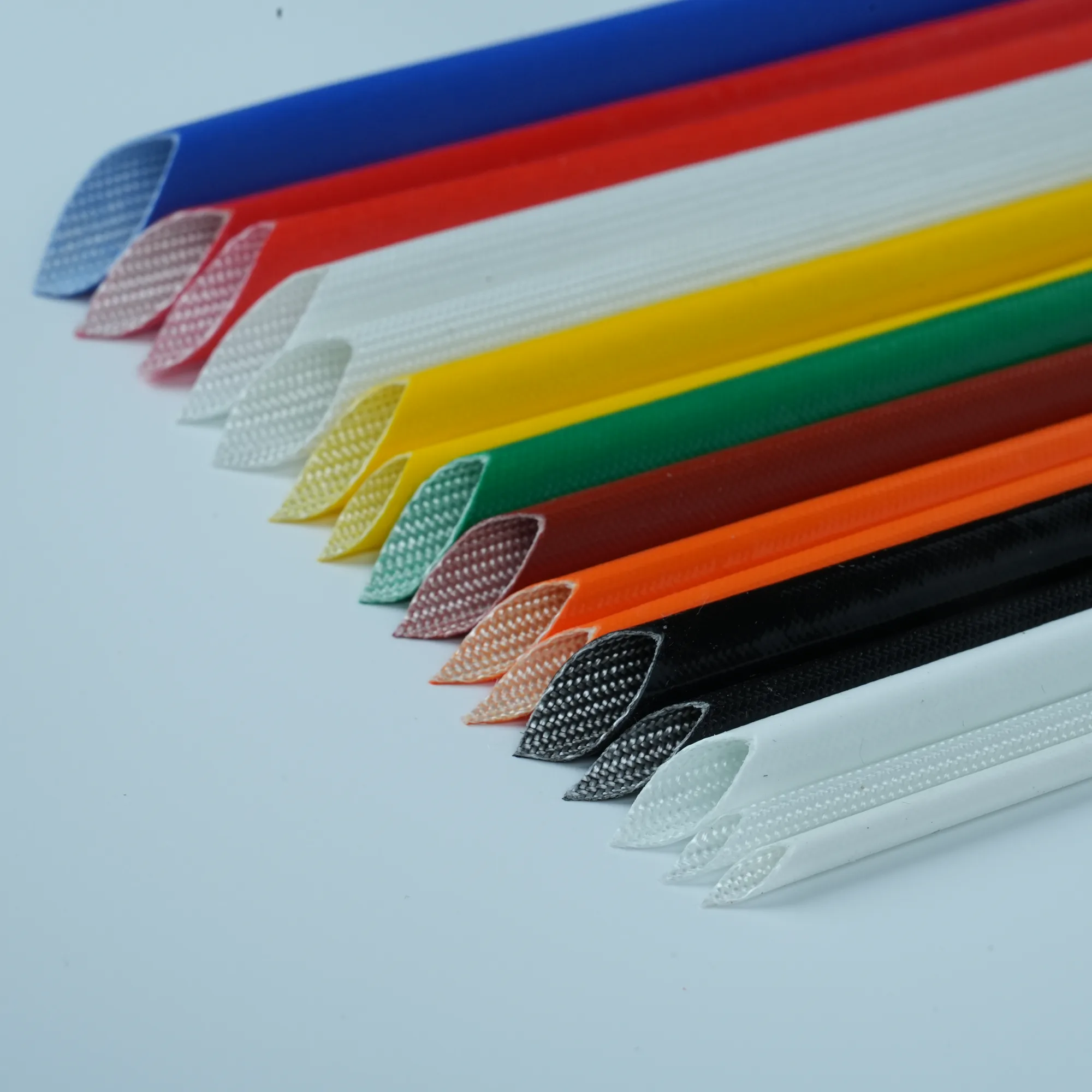
Cable assembly environments demand materials that balance flexibility with durability. Fiberglass sleeving offers high temperature insulation, abrasion resistance, and electrical insulation properties that meet or exceed industrial standards. However, proper sizing ensures the sleeving fits snugly without cutting off wire insulation or leaving gaps that compromise protection. This article provides the technical foundation and actionable steps needed to specify, measure, and verify fiberglass sleeving installations correctly.
Understanding Fiberglass Sleeving Properties and Applications
Core Benefits of Fiberglass Construction
Fiberglass sleeving combines a woven glass fiber core with protective coatings to deliver superior performance in demanding environments. The high temperature insulation capability allows continuous operation at temperatures that would degrade standard polymer sleeves. Wire protection is enhanced through the sleeving's resistance to oils, solvents, and thermal cycling. Electrical insulation ratings ensure the material meets UL, CSA, and IEC compliance standards required for many industrial and automotive applications.
The structural integrity of fiberglass sleeving makes it ideal for applications where cables face mechanical stress, chemical exposure, or extreme heat. Unlike thin-wall polymers, this material maintains dimensional stability even under thermal stress. The weave pattern allows controlled expansion and contraction, reducing the risk of slippage or premature degradation. Industries from aerospace to power distribution rely on fiberglass sleeving because it delivers consistent performance over decades of service.
Common Industrial Applications
Manufacturing facilities use fiberglass sleeving to protect motor leads, heater wires, and control cables where ambient temperatures exceed 300 degrees Fahrenheit. Automotive engine compartments demand high temperature insulation to shield wiring harnesses from radiant heat and direct contact with hot components. Industrial welding equipment, kiln installations, and furnace control systems all depend on the electrical insulation and durability that proper fiberglass sleeving provides. Power distribution networks and switchgear cabinets use similar sleeves to organize conductors and prevent accidental contact.
Sizing Your Fiberglass Sleeving Selection
Measuring Cable Diameter Accurately
Correct sizing begins with precise cable diameter measurement. Use a digital caliper or micrometer to measure the cable at three points along its length, then calculate the average. Round up to the nearest standard sleeving size rather than rounding down, as tight-fitting sleeves can crimp wire insulation over time. When measuring bundles of multiple wires, ensure all wires are laid parallel and in their natural configuration without compression.
Account for any existing insulation or jacket thickness when calculating required fiberglass sleeving diameter. If wires are already wrapped in tape or have irregular surfaces, add 0.5 to 1.0 millimeters to your measurement before selecting a size. Document all measurements in a specification sheet that includes wire gauge, total bundle diameter, application temperature, and environmental exposure factors. This documentation becomes essential when ordering replacement sleeves or troubleshooting field issues.
Accounting for Temperature and Environmental Factors
High temperature insulation requirements determine whether standard fiberglass sleeving is sufficient or whether upgraded coatings are necessary. Standard fiberglass typically handles continuous exposure up to 260 degrees Celsius, while silicone-coated variants extend this to 360 degrees Celsius or higher. Brief excursions above rated temperature may cause minor degradation, but sustained operation above specifications accelerates aging and reduces service life dramatically.
Environmental exposure also influences material selection. Oily environments require fiberglass sleeving with solvent-resistant coatings. Outdoor installations exposed to UV radiation need materials with UV-stabilized additives. High-vibration environments benefit from sleeves with superior adhesion properties that prevent internal migration. Chemical compatibility must be verified for applications near aggressive substances such as refrigerants, hydraulic fluids, or cleaning solvents.
Installation Best Practices and Verification Checklist
Proper Installation Techniques
Begin by preparing cable ends with a straight cut using a sharp blade or wire stripper. Unravel the fiberglass sleeving slightly at the installation end to create a funnel shape that guides wires through smoothly. Insert wires slowly and evenly without forcing, allowing the weave to naturally accommodate the bundle. If resistance is felt, stop and verify that you have selected the correct size; forcing oversized cables through undersized sleeves damages both the wires and the sleeving.
After initial threading, slide the sleeving along the entire cable length to ensure uniform coverage without bunching or gaps. Verify that the sleeving sits flush against the wire insulation without creating air pockets that could trap moisture. Use heat shrink tubing or adhesive sleeves at both ends to secure the fiberglass and prevent fraying. Allow adequate curing time for adhesives according to manufacturer specifications before subjecting the assembly to operational temperatures or mechanical stress.
Installation Verification Checklist
Before deploying cable assemblies, conduct systematic verification following this checklist. First, confirm that fiberglass sleeving covers the entire length of protected conductors with no gaps at joints, terminals, or connection points. Second, verify that the sleeving diameter matches specifications by measuring at three separate locations along the cable. Third, inspect for visible damage, tears, or manufacturing defects that could compromise wire protection or electrical insulation integrity.
Fourth, check that wire protection meets the intended application requirements by reviewing temperature ratings, environmental exposure, and electrical safety standards. Fifth, ensure that sleeving is secured properly at both ends without creating stress points that could cause rupture during thermal cycling. Sixth, confirm that the assembly has adequate spacing from heat sources and moving components that could abrade the sleeving over time. Document all verification results with photographs and specifications retained in project records for warranty and maintenance purposes.
FAQ
What diameter fiberglass sleeving do I need for my cable assembly?
Measure your cable or wire bundle diameter using a caliper, then select the next available standard size above your measurement. For example, if your bundle measures 8.5 millimeters, choose a 9-millimeter or 10-millimeter sleeve. Always consult the manufacturer's sizing chart and account for any existing insulation layers before finalizing your selection. Round up rather than down to avoid damaging wire insulation through compression.
How does high temperature insulation rating affect my choice?
Standard fiberglass sleeving typically provides high temperature insulation rated for continuous operation up to 260 degrees Celsius. If your application requires higher temperature tolerance, upgrade to silicone-coated fiberglass sleeving, which maintains electrical insulation and wire protection properties at temperatures up to 360 degrees Celsius or beyond. Always verify the specific temperature rating against your actual operating conditions, including brief thermal excursions, to ensure adequate safety margin and durability.
Can fiberglass sleeving replace wire protection in harsh chemical environments?
Fiberglass sleeving provides excellent wire protection in most industrial environments, but material compatibility must be verified for harsh chemical exposure. Standard weaves resist oils and many solvents effectively, yet certain aggressive chemicals may require specialized coatings or alternative materials. Consult the material safety data sheet and chemical compatibility guide for your specific sleeving product to confirm suitability. When in doubt, conduct a small field trial before committing to large-scale installation in chemically aggressive locations.
 EN