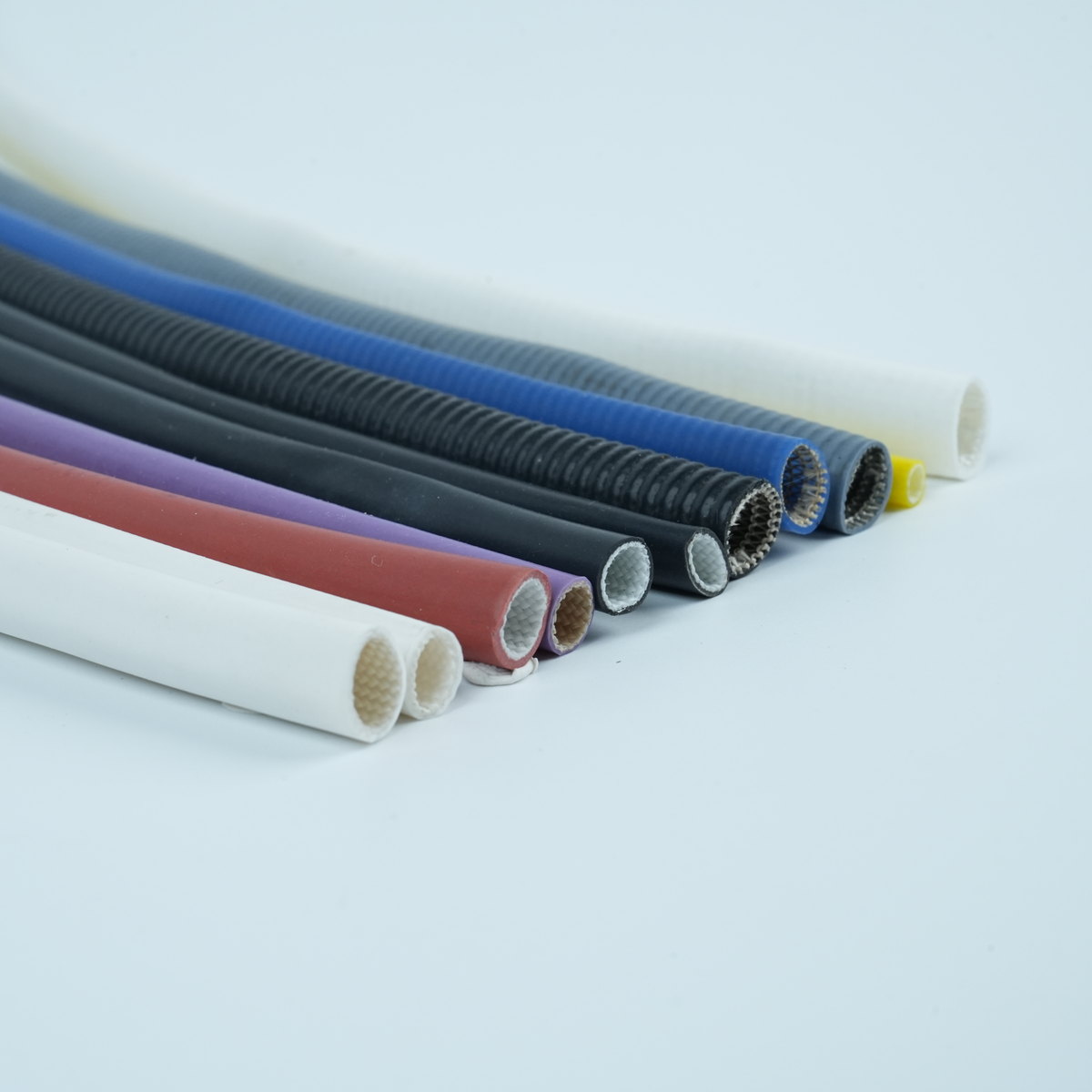
Cable management in industrial environments demands more than basic protection. A fiberglass sleeve provides engineered insulation that withstands demanding thermal and mechanical conditions while maintaining flexibility during installation. In manufacturing plants, automotive assembly lines, and power distribution systems, proper wire insulation around cable bundles directly impacts system reliability, safety compliance, and operational lifespan. Understanding how fiberglass sleeve solutions fit into your infrastructure and how to install them correctly ensures optimal performance under stress.
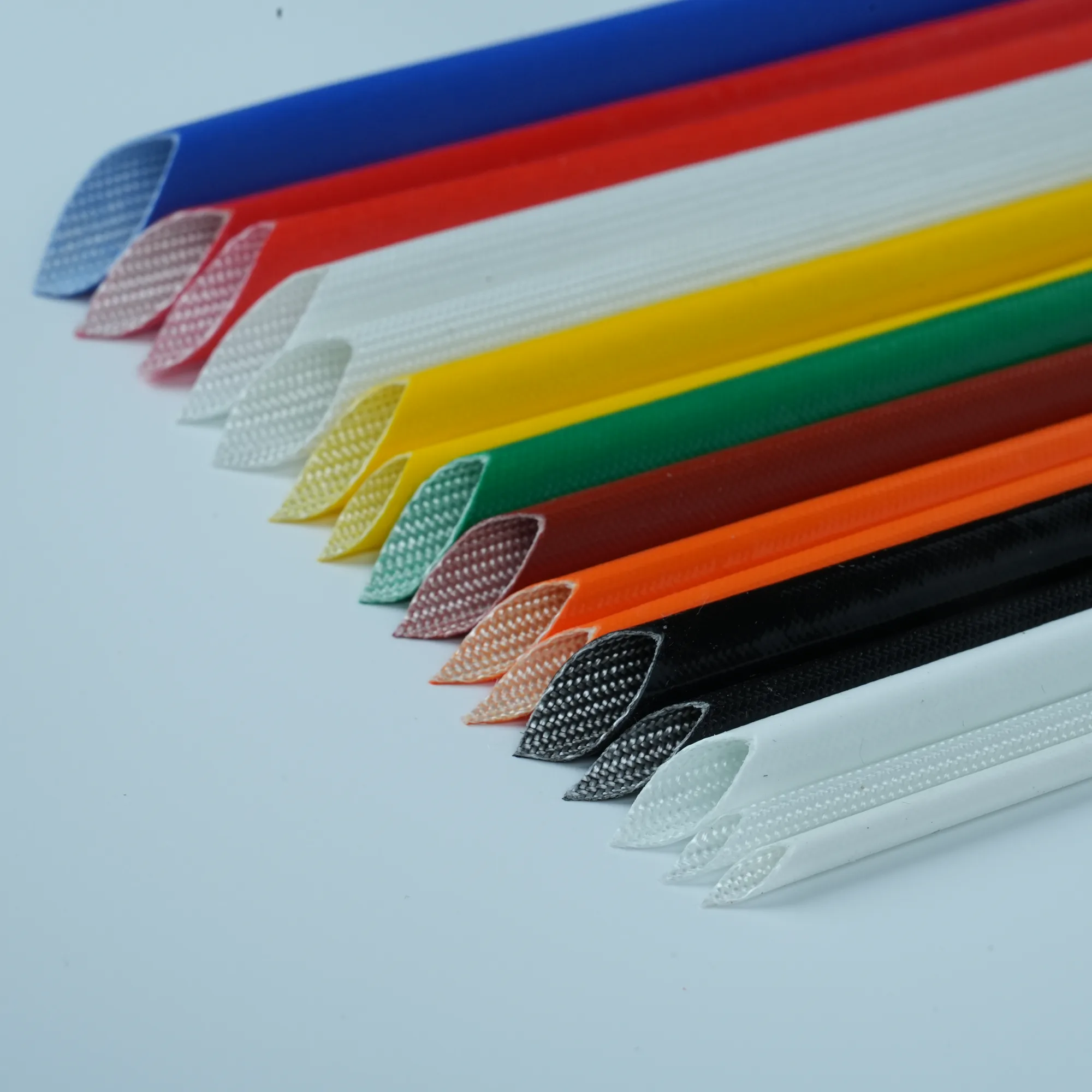
Industrial cable bundles face multiple environmental hazards: thermal cycling, abrasion, chemical exposure, and mechanical vibration. A high temperature heat resistant sleeve constructed from fiberglass materials offers superior protection compared to standard plastic or rubber jackets. The interwoven fiberglass matrix resists degradation at elevated temperatures, maintains dimensional stability, and allows controlled airflow around conductors. This combination of thermal performance and mechanical durability makes fiberglass sleeve technology the preferred choice for critical applications where failure carries safety or financial consequences.
Understanding Fiberglass Sleeve Construction and Thermal Capability
Material Composition and Heat Resistance
A fiberglass sleeve consists of multiple woven layers of borosilicate glass fibers bound with a resin matrix or silicone coating. This construction provides high temperature tolerance that synthetic materials cannot match. The glass fibers themselves remain stable at temperatures exceeding 300 degrees Celsius, while the binder system determines the overall heat resistant sleeve rating. Premium fiberglass products incorporate silicone outer layers that enhance thermal performance, chemical resistance, and flexibility. Wire insulation in high-demand environments benefits from this engineered approach, as traditional jackets begin softening or failing at temperatures where fiberglass maintains full structural integrity.
Mechanical Properties and Flexibility
Industrial applications require wire insulation that flexes during installation without cracking or separating from the conductor bundle. Fiberglass sleeve materials balance rigidity with controlled flexibility. The cross-woven pattern distributes stresses evenly across the surface, preventing localized failure points. When a heat resistant sleeve incorporates silicone components, the outer layer further enhances compliance, allowing installers to bend and route cable bundles through tight spaces without damaging the insulation or underlying conductors. This flexibility during installation proves critical in retrofitting applications where cables must navigate existing infrastructure constraints.
Selection and Fitting for Cable Bundle Applications
Sizing and Bundle Configuration
Correct sizing of a fiberglass sleeve depends on three factors: the total outer diameter of the cable bundle, the number and gauge of individual conductors, and the final assembly configuration. Oversized sleeves create gaps where heat cannot dissipate effectively and where vibration can cause abrasion. Undersized options restrict flexibility and create stress concentration during bending. Manufacturers offer fiberglass sleeve products in standard diameters ranging from 6 millimeters to over 50 millimeters, with custom sizes available for specialized bundles. Wire insulation performance improves when the sleeve fits snugly against the bundle surface, maintaining contact without compressive damage to individual conductors. Before selecting a heat resistant sleeve, measure the bundle diameter precisely and account for any protective tape or primary insulation already in place.
Environmental and Regulatory Fit
Different industrial sectors enforce specific standards for wire insulation materials. Automotive suppliers often require UL or ISO certification for thermal sleeve products. Aerospace applications demand compliance with AS85572 or equivalent military specifications. Power generation facilities reference IEEE or NFPA guidelines for insulation performance. A fiberglass sleeve meeting these regulatory requirements ensures that your installation passes third-party inspections and maintains compliance throughout the equipment lifecycle. High temperature environments in semiconductor manufacturing or steel production specifically benefit from fiberglass materials rated for continuous exposure at 250 degrees Celsius or higher. Evaluating regulatory fit before purchasing prevents costly rework and ensures system legality in your operational context.
Installation Methodology and Best Practices
Preparation and Application Techniques
Installing a fiberglass sleeve begins with thorough preparation of the cable bundle. Remove any loose insulation, clean the conductor surface, and verify that no sharp edges or burrs protrude from terminals or connector housings. Fiberglass materials can be cut cleanly with a sharp utility knife or specialized thermal sleeve cutter to achieve the exact length needed for your application. Soak the fiberglass sleeve in water or silicone release agent to improve pliability and ease installation onto the cable bundle. This lubrication technique, standard in industrial wire insulation practice, reduces friction that could separate fibers or damage the underlying conductors. Slide the moistened sleeve slowly and carefully over the bundle, ensuring even distribution and complete coverage of all exposed areas. For extremely tight bundles, installers may need to separate individual conductors temporarily, thread the sleeve, and then recombine the bundle within the protection layer.
Securing and Post-Installation Verification
Once the fiberglass sleeve covers the cable bundle, secure it at regular intervals using heat-resistant cable ties or stainless steel bands. These fasteners prevent the high temperature heat resistant sleeve from shifting during thermal cycling or vibration exposure. Space fasteners approximately 150 to 200 millimeters apart depending on the bundle rigidity and application severity. Allow the sleeve to dry completely before powering up the system; moisture trapped inside can create electrical hazards and reduce insulation effectiveness. Inspect the completed installation by running your hand along the sleeve surface to confirm smooth coverage with no gaps, wrinkles, or exposed wire insulation. Verify that the fiberglass sleeve routing avoids sharp edges, hot surfaces, or moving machinery that could cause damage during operation. This verification step prevents field failures and extends the protective life of your thermal insulation investment.
FAQ
What temperature range does a high temperature fiberglass sleeve support?
Premium fiberglass sleeve products with silicone outer layers typically maintain full performance from minus 40 degrees Celsius to plus 260 degrees Celsius. Standard glass-only variants support continuous temperatures up to 200 degrees Celsius. Peak intermittent temperatures may reach 300 degrees Celsius without permanent damage to the fiberglass matrix, though performance degradation begins above the continuous rating. Verify the specific thermal specification of your selected heat resistant sleeve by consulting the manufacturer datasheet, as formulations vary based on binder type, fabric density, and coating materials. Applications requiring extremes at either temperature end should include thermal testing or validation before full-scale deployment.
Can fiberglass sleeve accommodate existing wire insulation without removal?
Yes, a fiberglass sleeve can layer over existing primary wire insulation, provided the total bundle diameter remains within your selected sleeve size. This approach reduces installation time and eliminates the risk of damaging individual conductor insulation during removal. However, measure the bundled diameter carefully after accounting for all existing layers. Installing a high temperature heat resistant sleeve over standard plastic-jacketed cables provides additional protection and extends thermal capability beyond what the primary insulation alone could achieve. This layering technique proves especially valuable in retrofit situations where replacing original insulation is impractical or where upgrading thermal performance becomes necessary due to changed operating conditions.
How does fiberglass sleeve perform compared to elastomer or polymer alternatives?
Fiberglass materials excel in high temperature environments where polymers and elastomers degrade rapidly. Standard rubber sleeves typically fail above 120 degrees Celsius, while polyester materials break down beyond 150 degrees Celsius. A fiberglass sleeve maintains structural integrity and insulation properties at temperatures where competing materials would require replacement. The trade-off involves slightly lower flexibility in extreme-cold environments and higher material cost. For applications requiring sustained thermal performance, chemical resistance, and mechanical durability, fiberglass delivers superior reliability and lower total cost of ownership despite higher initial purchase price. Wire insulation decisions should weigh the full lifecycle cost against performance requirements rather than selecting materials based solely on upfront expense.
 EN