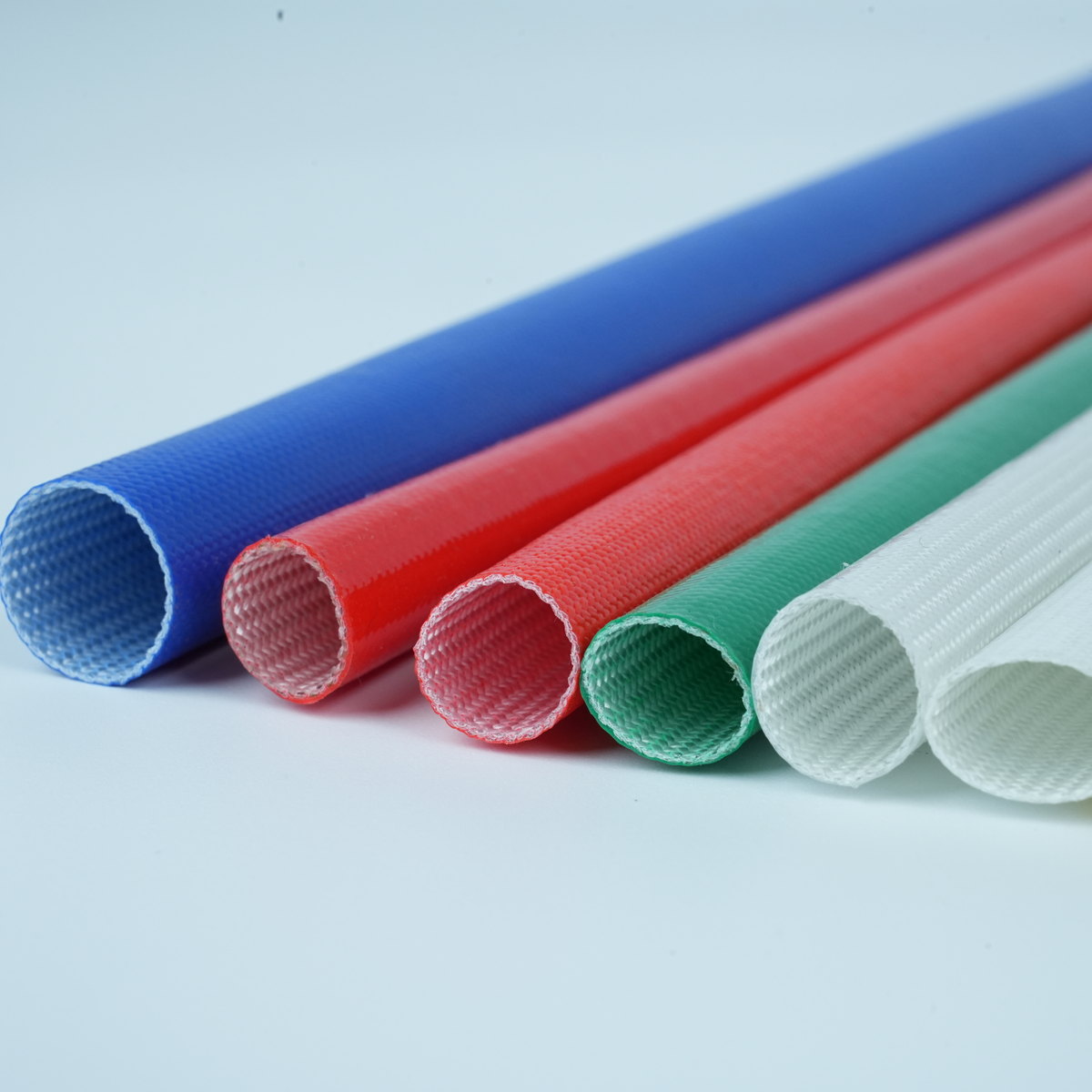
Solar energy systems depend on reliable cable management to maintain long-term performance and safety. Engineers designing solar installations face critical decisions about protecting conductors from environmental stressors, mechanical damage, and thermal exposure. The fiberglass sleeve has emerged as a preferred solution for solar cable routing, offering durability and protection in demanding outdoor conditions. Understanding the selection factors that distinguish high-performance fiberglass sleeves from standard alternatives is essential for engineers who must balance cost, protection level, and installation efficiency.

Selecting the right protection system for solar cables involves evaluating material composition, thermal ratings, environmental resistance, and compatibility with industrial wiring standards. Solar installations expose cables to ultraviolet radiation, temperature fluctuations, moisture, and mechanical stress that can degrade standard insulation layers. A properly specified fiberglass sleeve provides multi-layer defense while maintaining electrical safety and reducing maintenance requirements over the system's 25-year or longer lifespan.
Material Composition and Electrical Insulation Properties
Core Material Selection
The foundation of any effective fiberglass sleeve begins with selecting appropriate base materials. High-quality fiberglass reinforced solutions combine woven fiberglass fabric with synthetic binders designed for electrical insulation applications. This composite construction delivers superior tensile strength while maintaining flexibility for installation around cables of varying diameters. Engineers must verify that the fiberglass sleeve meets recognized electrical insulation standards and possesses the required dielectric strength ratings for the specific voltage class of the solar system.
Industrial wiring protection standards specify minimum thickness and coverage requirements that vary by application voltage and environmental exposure classification. A fiberglass sleeve designed specifically for solar applications typically incorporates reinforced layers that resist mechanical puncture during installation and maintenance activities. The material must also accommodate thermal expansion cycles without cracking or separating from the cable surface, ensuring long-term electrical safety and fire resistance.
Coating and Surface Treatments
Modern fiberglass sleeves often feature additional coating systems that enhance weather resistance and mechanical durability. Silicone-based or acrylic coatings applied to the outer surface improve water shedding properties and extend the material's resistance to UV degradation. These surface treatments are particularly critical in solar applications where cables may remain exposed to direct sunlight for decades without replacement opportunities. The coating must remain flexible at high temperature extremes while maintaining adhesion to the underlying fiberglass structure under cycling thermal loads.
Thermal Performance and High Temperature Capability
Temperature Rating and Operating Limits
High temperature performance represents a defining characteristic that separates premium fiberglass sleeve products from basic alternatives. Solar cables experience elevated temperatures during peak generation periods, especially in rooftop installations where ambient heat accumulates around conductors. Standard insulation materials may soften or lose their protective properties when exposed to sustained temperatures above 90 degrees Celsius, while engineered high temperature fiberglass sleeves maintain integrity at ratings of 130 degrees Celsius or higher.
Engineers must cross-reference the fiberglass sleeve temperature rating against the maximum conductor temperature predicted during peak solar irradiance and ambient heat conditions. System modeling should account for cable bundling effects that concentrate heat, as tightly grouped cables generate higher operating temperatures than individual runs. A properly rated high temperature fiberglass sleeve ensures that electrical insulation beneath the protective layer remains stable throughout the full operating range, preventing premature aging and maintaining safety margins throughout the system's service life.
Thermal Cycling and Mechanical Stability
Thermal cycling creates unique stress patterns that test the long-term durability of industrial wiring protection systems. Daily temperature swings, seasonal variations, and occasional thermal transients force fiberglass sleeves to expand and contract continuously over thousands of cycles. Poor-quality products develop micro-cracks and surface delamination that accelerate moisture ingress and electrical degradation. High-performance fiberglass sleeve designs incorporate internal structural features and material selections that accommodate thermal movement without compromising the protective barrier.
Environmental Resistance and Installation Considerations
UV Exposure and Chemical Compatibility
Solar cable routing systems must withstand direct exposure to intense UV radiation that breaks down many common polymers and protective coatings. A fiberglass sleeve specified for outdoor solar use incorporates UV stabilizers and highly resistant base materials that retain their protective properties even after years of continuous sunlight exposure. Coastal installations or systems near chemical processing facilities add additional environmental demands, requiring fiberglass sleeves formulated to resist salt spray corrosion, ozone degradation, and contact with cleaning solvents or process emissions.
Engineers should confirm that the selected industrial wiring protection product carries documentation of UV testing results performed under standard exposure protocols. Materials that show significant strength loss or discoloration after accelerated aging tests are candidates for rejection regardless of their cost advantages. Moisture resistance also becomes critical in humid or tropical climates where condensation and rain create sustained wet conditions on cable surfaces and within crevices where sleeves terminate.
Installation and Maintenance Access
Practical installation concerns often influence fiberglass sleeve selection as much as material specifications do. The sleeve must slide easily over existing cables without requiring expensive rework of terminations or conduit runs. Self-closing or interlocking designs allow technicians to apply the fiberglass sleeve after cables are already in place, reducing installation time and labor costs. Field repairability and the ability to replace individual cable sections without disturbing the entire run add significant value in long-term system maintenance scenarios.
Solar installations often span rooftops, conduit runs, and equipment housings where cable access remains limited after initial construction. Engineers should prioritize fiberglass sleeve designs that allow inspection without complete removal and facilitate repair procedures when individual cables require replacement due to damage or age-related degradation. The sleeve material must resist adhesion to cable jackets to prevent damage during removal activities.
FAQ
What electrical standards govern fiberglass sleeve selection for solar applications?
Solar cable protection must comply with IEEE 1500, UL 4703, IEC standards specific to PV systems, and local electrical codes that govern utility interconnection. These standards specify minimum electrical insulation ratings, fire propagation characteristics, and temperature sustainability requirements. Manufacturers should provide third-party testing documentation confirming compliance with relevant standards for the installation's geographic region and system voltage classification.
How does high temperature performance affect long-term cable reliability?
Temperature directly influences the aging rate of electrical insulation materials through chemical degradation processes. Each 10-degree Celsius increase above rated operating temperature can reduce insulation life by approximately 50 percent. A fiberglass sleeve rated for high temperature conditions slows this aging process by maintaining the underlying cable insulation at lower effective temperatures, thereby extending the entire solar system's useful lifespan and reducing unexpected failures during peak generation periods.
Can a single fiberglass sleeve type serve all solar cable routing applications?
Different solar cable routing scenarios demand specialized fiberglass sleeve variants. Main feeder cables exposed to direct sunlight require higher UV protection ratings than cables run through conduit. Industrial wiring standards recognize distinctions between outdoor exposure, semi-protected, and fully enclosed installations. Engineers should specify industrial wiring protection products designed specifically for the intended cable location, thermal environment, and maintenance accessibility rather than defaulting to a single standard option across diverse routing applications.
 EN