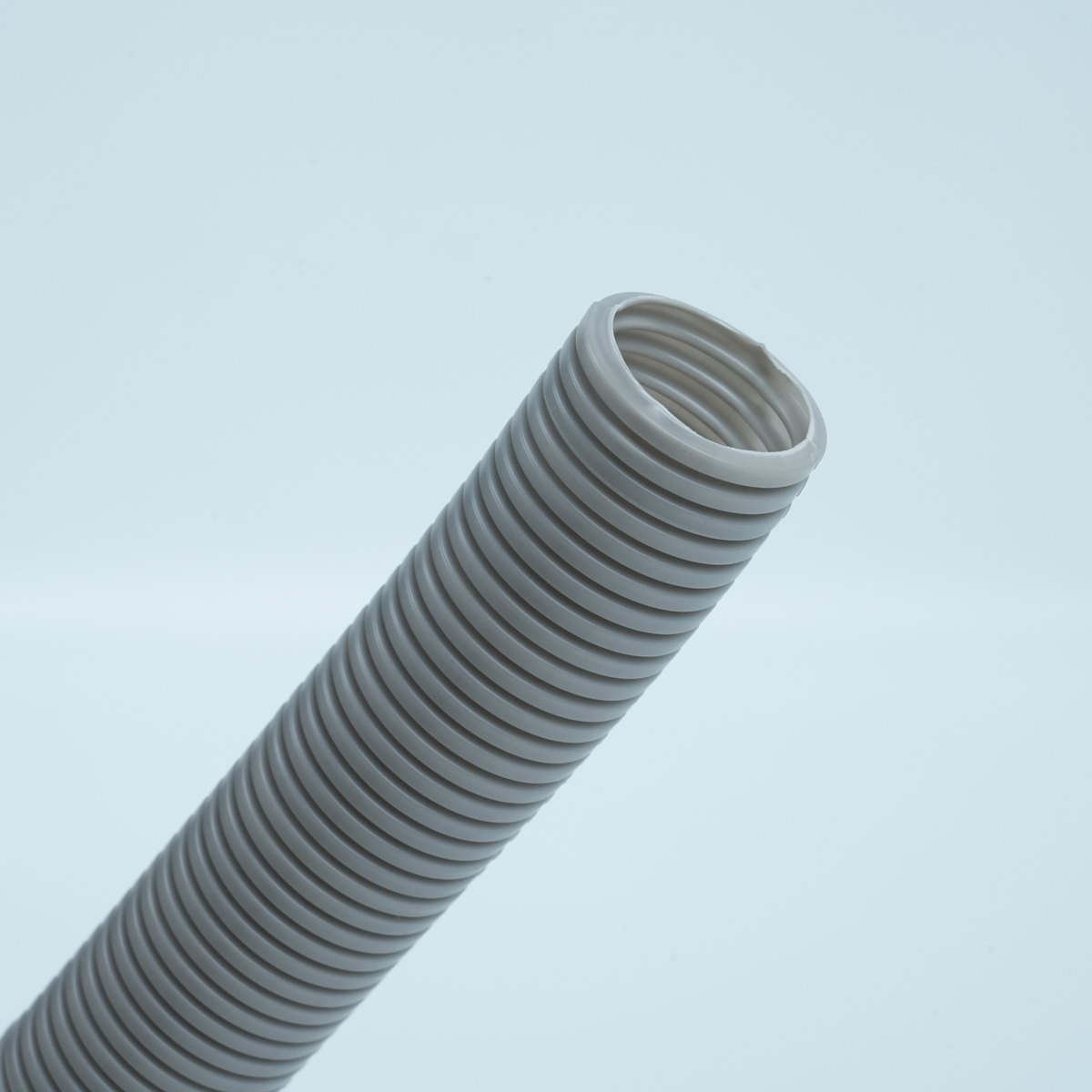
Home appliance wiring requires careful attention to protection and organization, yet many installers and technicians overlook critical aspects of wire loom conduit selection. The choice of conduit material, sizing, and routing methodology directly impacts both safety and longevity of appliance electrical systems. Understanding common mistakes in wire loom conduit selection can help prevent equipment damage, electrical hazards, and costly repairs down the line.
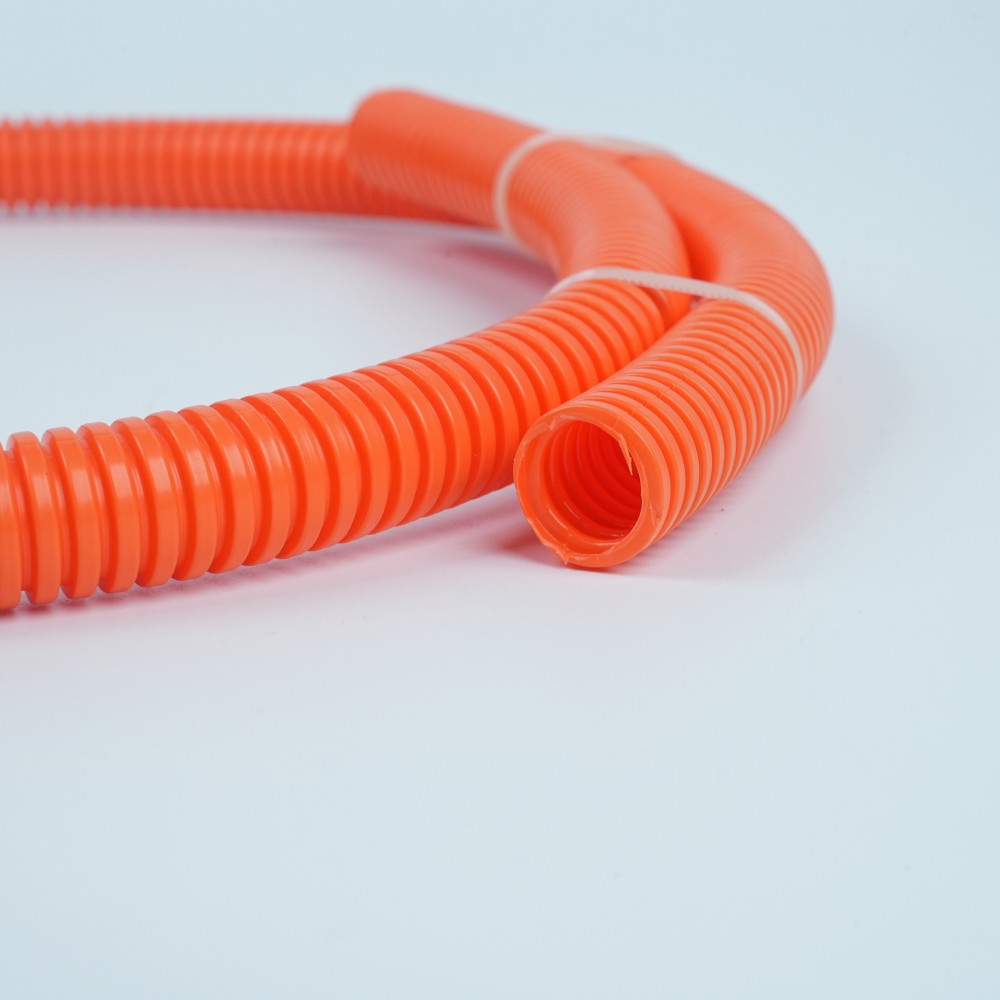
The wiring harness protection landscape spans multiple industries, from automotive wiring applications to household appliances and industrial equipment. However, the principles of wire loom conduit selection remain surprisingly consistent. Selecting inappropriate materials, ignoring environmental exposure factors, or implementing poor cable routing practices creates vulnerabilities that compound over time, leading to wire abrasion, moisture intrusion, and electrical failures.
Understanding Material Selection and Environmental Factors
Choosing the Wrong Material Type
One of the most prevalent mistakes occurs when installers select split loom or other conduit materials without considering the appliance operating environment. Standard polyethylene split loom works adequately in controlled indoor settings, but appliances subject to heat, moisture, or chemical exposure require flame-retardant and moisture-resistant materials. Refrigerators, dishwashers, ovens, and washing machines expose wiring to vastly different stress conditions that demand material specifications matched to actual application demands rather than generic budget choices.
Ignoring Temperature and Moisture Requirements
Appliance wiring often operates in temperature ranges exceeding standard split loom limitations. Kitchen appliances near heat sources, laundry equipment in humid environments, and basement-mounted units subject to condensation all require wire loom conduit rated for specific temperature and moisture conditions. Many installers fail to verify material certifications against appliance specifications, resulting in conduit degradation that compromises wire protection and increases short-circuit risks. Selecting materials based solely on cost rather than environmental suitability represents a fundamental disconnect between design requirements and implementation.
Cable Routing Mistakes and Routing Strategy Failures
Improper Cable Routing Within Tight Spaces
Inadequate cable routing planning creates installation problems that manifest over months or years of appliance operation. When wires are forced through split loom with sharp bends, twisted configurations, or excessive compression, the internal wires experience mechanical stress that degrades insulation integrity. Proper cable routing requires strategic planning during design phases, considering bend radius limitations, wire gauge specifications, and future maintenance accessibility. Many technicians simply pull cables through whatever split loom diameter fits immediately, ignoring the cumulative effects of tight routing on wire longevity and safety performance.
Failing to Account for Wire Movement and Vibration
Dynamic appliances like washers, dryers, and compressor-equipped refrigerators generate substantial vibration during operation. Wire loom conduit installed without accounting for vibration-induced wire movement allows internal wires to contact sharp edges or abrade against split loom surfaces. This gradual insulation degradation remains invisible during normal operation but creates latent electrical hazards. Proper automotive wiring practices, though often overlooked in appliance contexts, emphasize securing cable routing to minimize movement and fatigue stress on both conduit and contained wires.
Common Installation and Maintenance Oversights
Undersizing Conduit Diameter
Selecting split loom sizes based on initial wire bundle dimensions rather than future expansion needs creates installation constraints that force improper cable routing practices. Appliance manufacturers often require service wiring access or future component replacement, necessitating conduit with adequate interior space for easy wire manipulation. Undersized wire loom conduit complicates maintenance, encourages dangerous installation shortcuts, and increases wire insulation damage risk during service procedures. Engineers and technicians should calculate conduit requirements with 20 to 30 percent interior space margin beyond initial wire bundle cross-section.
Neglecting Environmental Sealing and Strain Relief
Split loom provides excellent wire bundling and abrasion protection but often fails to completely seal against moisture and contaminant ingress at entry and exit points. Many installers attach cable routing conduit to appliance chassis without proper strain relief or environmental sealing, allowing moisture to migrate inside the conduit. This oversight becomes critical in appliances with extended periods of moisture exposure or outdoor installation. Proper cable routing practices include weatherproof end caps, sealed connector passages, and strain relief mechanisms that prevent conduit separation under mechanical stress.
FAQ
What is the primary difference between split loom and rigid conduit for home appliances?
Split loom offers flexibility, easier installation in tight spaces, and sufficient wire protection for most indoor appliances, while rigid conduit provides superior abrasion resistance and environmental sealing in harsh conditions. Split loom works well for automotive wiring applications and standard home appliances, but applications requiring extreme temperature ranges or chemical resistance may benefit from rigid alternatives. Selection should align with specific appliance operating conditions rather than defaulting to either option universally.
How should cable routing change for appliances subject to vibration?
Vibration-prone appliances require wire loom conduit secured at multiple points along the routing path, with consideration for natural vibration frequencies and resonance patterns. Strategic placement of cable ties, clamps, or adhesive-backed conduit supports minimizes wire movement and reduces fatigue stress. Additionally, selecting split loom with enhanced damping properties and ensuring adequate interior clearance helps accommodate minor movement without wire-to-conduit contact that could degrade insulation over time.
Why does environmental exposure matter when selecting wire loom conduit?
Environmental factors like humidity, temperature extremes, chemical exposure, and UV radiation directly affect conduit material longevity and protective capability. Standard split loom degrades rapidly in high-temperature or high-moisture environments, losing flexibility and developing cracks that compromise wire protection. Flame-retardant and moisture-resistant materials cost more initially but prevent costly appliance failures, safety hazards, and replacement cycles that far exceed the material investment difference over appliance lifecycle.
 EN