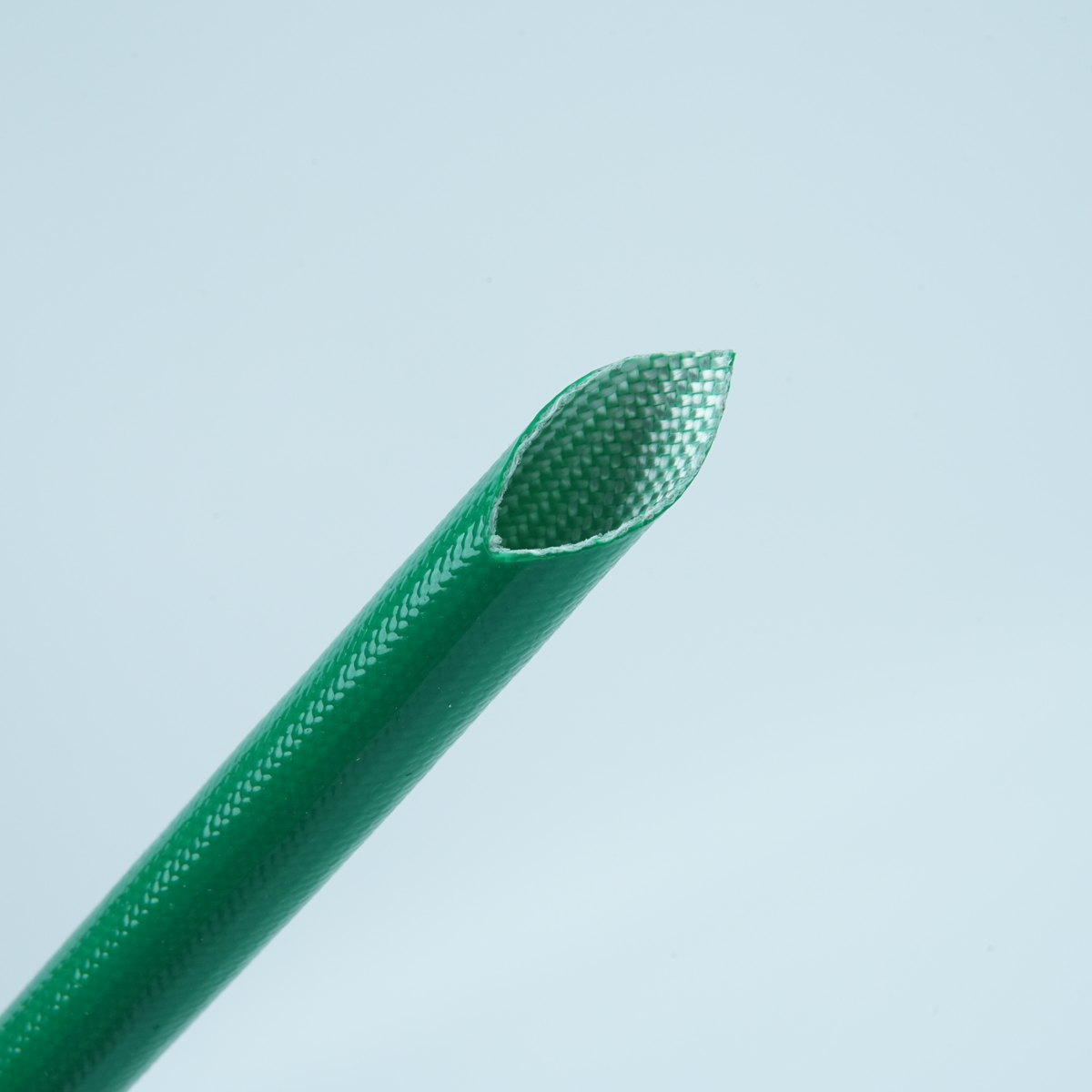
Cable bundle management is a critical yet often overlooked aspect of industrial electrical systems. The choice of protective materials can mean the difference between reliable, long-term performance and costly equipment failures. fiberglass sleeving has become a standard solution for protecting wires and cables in demanding environments, but many engineers and technicians make preventable mistakes during selection that compromise both safety and operational efficiency.
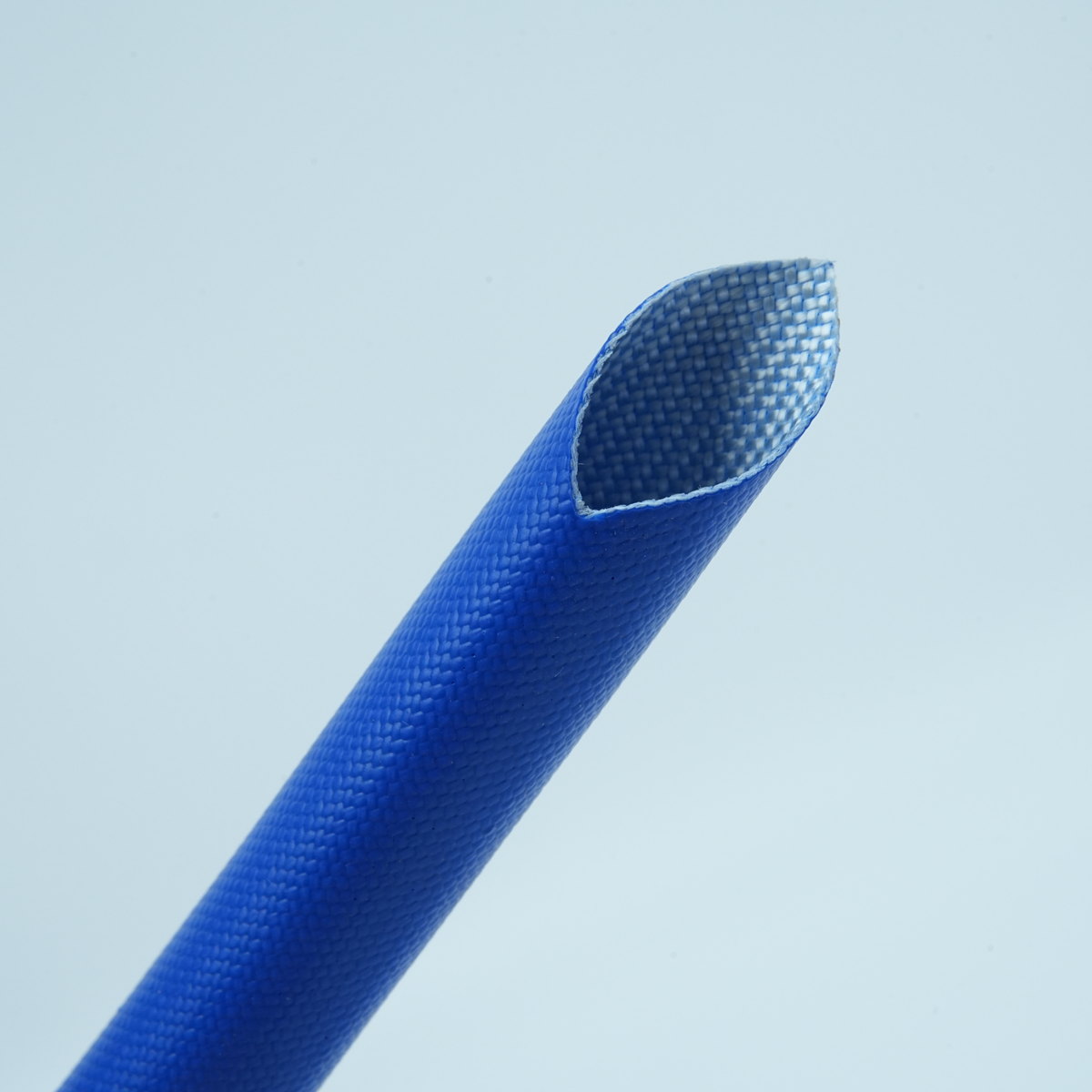
Understanding the specific application requirements, environmental conditions, and material properties is essential for proper fiberglass sleeving selection. Organizations frequently underestimate temperature extremes, overlook chemical exposure factors, or select materials with inadequate heat resistance without fully evaluating the thermal demands of their systems. This article explores the most common selection errors and provides actionable guidance to ensure your cable protection strategy delivers reliable performance.
Underestimating Temperature Requirements and Heat Resistance
Identifying Your True Thermal Environment
One of the most frequent mistakes in cable bundle management is choosing fiberglass sleeving based on ambient temperature alone rather than the actual operating temperature of the cables and surrounding equipment. Cables generate heat during normal operation, and in confined bundles or near heat sources, internal temperatures can exceed ambient readings by 20 to 50 degrees Celsius or more. Without proper heat resistance assessment, even materials rated for moderate temperatures will degrade prematurely, leading to insulation failure and safety hazards.
Effective high temperature insulation requires understanding peak operating conditions, not just standard operation. During power surges, equipment startup, or seasonal extremes, temperature spikes can dramatically stress protective materials. Many engineers fail to account for these transient conditions when selecting fiberglass sleeving, resulting in materials that perform adequately under normal circumstances but fail during critical moments. Proper selection demands a realistic worst-case thermal analysis of your specific installation environment.
Matching Material Ratings to Application Reality
Manufacturers provide temperature ratings for their fiberglass sleeving products, but these ratings must be interpreted correctly within your operational context. A material rated for 260 degrees Celsius may be suitable for some applications but insufficient for others operating near that threshold with sustained loads. The distinction between continuous rating and short-term peak tolerance is crucial. High temperature insulation materials must maintain mechanical strength, flexibility, and dielectric properties across your entire operating range, not merely survive exposure to rated temperatures.
Building a safety margin into your material selection is essential practice. If your analysis indicates peak cable temperatures of 240 degrees Celsius, selecting sleeving rated for 250 degrees leaves no operational buffer. Choosing materials with ratings 20 to 30 percent above your maximum anticipated temperature ensures sustained performance even as components age or environmental conditions vary slightly over time.
Overlooking Chemical and Environmental Exposure
Assessing Exposure Beyond Temperature
Heat resistance alone does not guarantee long-term protection in industrial environments. Chemical exposure, moisture, ultraviolet radiation, oil mist, flame, and mechanical abrasion all compromise fiberglass sleeving performance. Many selection mistakes stem from focusing exclusively on temperature while ignoring these critical environmental factors. A material with excellent heat resistance may deteriorate rapidly if exposed to hydraulic fluids, coolants, or other chemicals commonly found in manufacturing facilities.
Wire protection extends beyond thermal considerations when bundles are routed through areas with aggressive chemical environments. Fiberglass sleeving used in food processing plants must resist moisture and cleaning agents, while materials in automotive assembly areas must withstand oils and solvents. Outdoor installations demand resistance to UV degradation and weathering. Comprehensive environmental assessment prevents selecting materials that fail prematurely under real-world conditions, even if their thermal specifications appear adequate.
Material Compatibility and Aging Effects
Chemical resistance and material compatibility determine how fiberglass sleeving degrades over time. Many technicians fail to consider that protective properties diminish gradually as materials age under combined thermal and chemical stress. A sleeving selected based only on initial performance characteristics may become brittle, lose flexibility, or develop micro-cracks within a few years of operation. This degradation compromises both heat resistance and wire protection, eventually leading to insulation failure and potential safety incidents.
Selecting materials with proven long-term stability in your specific application environment prevents premature replacement and reduces maintenance costs. High temperature insulation that maintains performance across thousands of hours of operation and multiple thermal cycles provides superior reliability compared to cheaper alternatives that degrade quickly. Understanding the material composition, binder systems, and manufacturing standards helps ensure your cable bundle protection investment delivers the intended service life.
Incorrect Sizing, Installation, and Performance Expectations
Proper Diameter Selection and Bundle Configuration
Another critical mistake involves selecting fiberglass sleeving diameter without accounting for actual cable bundle dimensions and the need for adequate material coverage. Undersized sleeving creates excessive compression on cable bundles, restricting heat dissipation and potentially damaging insulation through mechanical stress. Oversized sleeving leaves gaps that allow moisture, dust, or chemicals to penetrate, defeating the purpose of the protective layer. Proper wire protection requires matching sleeving internal diameter to your specific cable bundle cross-section with appropriate tolerance for expansion and thermal cycling.
Installation practices significantly impact performance even when correctly specified materials are selected. Improper application, inadequate overlap at splices, or failure to secure sleeving properly can create exposure points where cables remain unprotected. Many organizations underestimate the importance of careful installation procedure, viewing it as routine work rather than a critical step in achieving the intended level of heat resistance and wire protection. Training installers on proper techniques and quality verification processes prevents widespread performance failures across multiple installations.
Material Grade Selection and Performance Verification
Fiberglass sleeving is manufactured in various grades and qualities that significantly affect performance in demanding applications. Budget materials may meet basic specifications but often contain inconsistent fiber quality, inadequate binder systems, or incomplete manufacturing controls. When high temperature insulation is essential for safety or equipment protection, selecting premium-grade materials from reputable manufacturers ensures consistent performance and documented compliance with relevant industrial standards.
Many selection mistakes involve failing to verify material compliance through proper documentation and testing. Reputable suppliers provide technical datasheets, certificates of compliance, and test results demonstrating heat resistance, mechanical properties, and environmental durability. Requiring this documentation before purchase and verifying material identity upon delivery prevents substitution of inferior products. Periodic quality inspections of in-stock materials also catch degradation from improper storage or environmental exposure, ensuring only suitable materials are used in critical installations.
FAQ
What is the most common error when selecting fiberglass sleeving for cable bundles?
The most widespread mistake is basing material selection on ambient temperature rather than actual operating temperatures within cable bundles. Engineers often overlook the additional heat generated by electrical current flow and the thermal effects of confined bundle geometry. This underestimation of true thermal demands leads to selecting fiberglass sleeving with insufficient heat resistance, resulting in premature degradation and wire protection failure.
How does high temperature insulation performance degrade over time?
High temperature insulation materials gradually lose mechanical strength, flexibility, and dielectric properties through combined thermal stress, chemical exposure, and normal aging. The fiberglass sleeving becomes brittle, develops micro-cracks, and loses its ability to provide effective wire protection. Material selection should account for this aging process by choosing products with proven long-term stability and adequate safety margins above anticipated operating temperatures.
What environmental factors beyond temperature affect fiberglass sleeving durability?
Chemical exposure, moisture, ultraviolet radiation, oil mist, and mechanical abrasion all compromise fiberglass sleeving performance alongside temperature stress. Industrial environments present multiple simultaneous challenges that demand comprehensive assessment during material selection. Proper wire protection requires choosing materials with documented resistance to the specific chemicals, fluids, and environmental conditions present in your installation location.
 EN