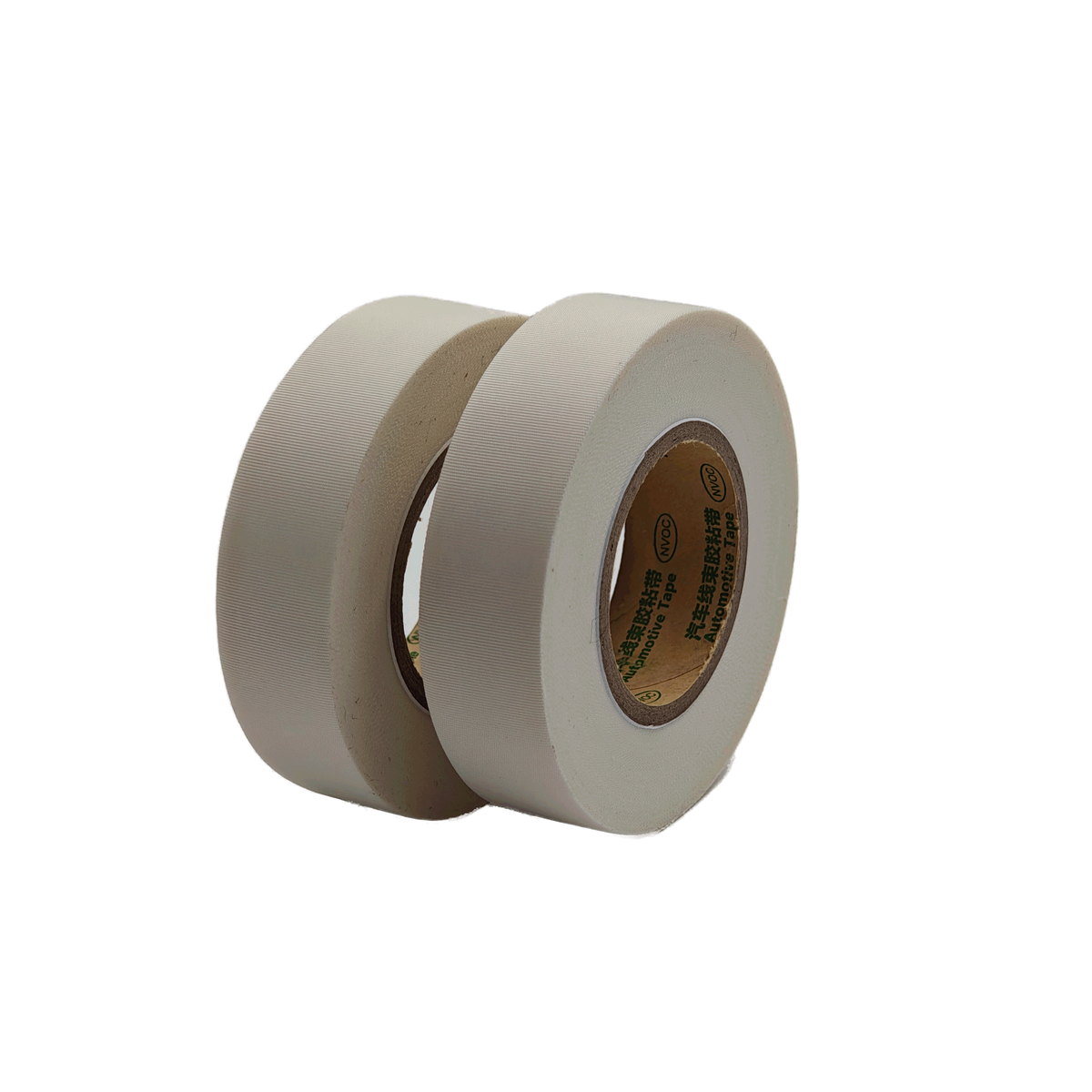
Selecting the right materials for home appliance wiring is critical to ensuring safety, durability, and long-term performance. Many homeowners and electricians make common errors when choosing acetate cloth tape, often overlooking essential specifications that can lead to premature failure, safety hazards, or costly repairs. Understanding these mistakes helps you make informed decisions that protect your investment and ensure reliable operation of your appliances.
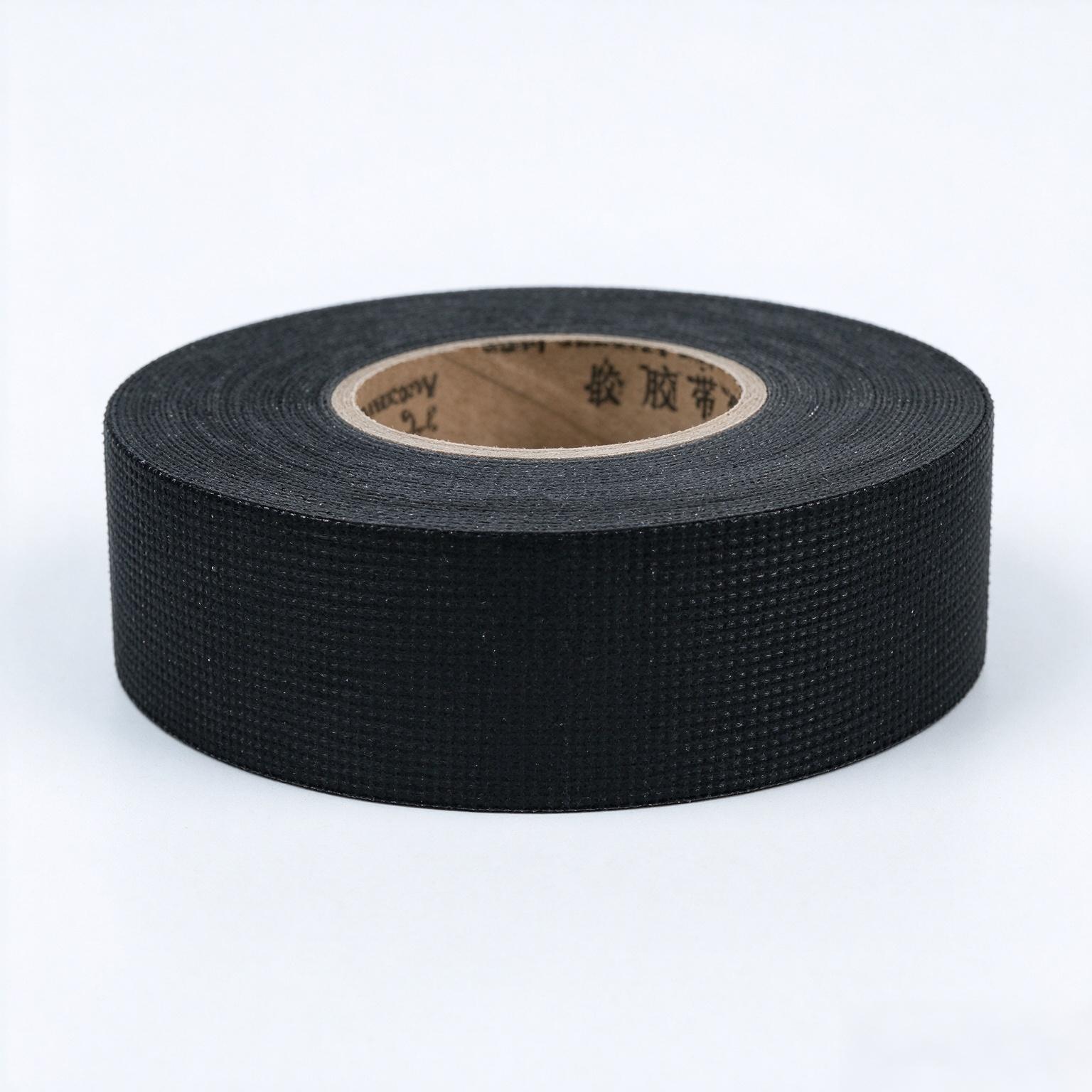
When working with electrical components, the wrong tape selection can compromise both safety and functionality. Acetate cloth tape is widely used for cable wrapping, insulation, and harness protection, but improper selection based on misleading assumptions, budget cuts, or incomplete knowledge can result in inadequate performance. This guide walks you through the most frequent mistakes and explains how to avoid them.
Overlooking Temperature Requirements
Ignoring Operating Temperature Ranges
One of the most critical mistakes is choosing acetate cloth tape without verifying its temperature tolerance. Home appliances generate varying levels of heat depending on their function. A heat resistant tape rated for 80 degrees Celsius may fail if your appliance operates at 100 degrees or higher. Refrigerators, ovens, dishwashers, and washing machines all have different thermal profiles, and selecting tape without matching these profiles is a major oversight.
When cable wrapping occurs near heating elements or in confined spaces where air circulation is limited, temperature buildup accelerates. The adhesive on standard acetate cloth tape can degrade, lose tackiness, or shift over time when exposed to sustained heat. This degradation exposes the underlying wires to friction, moisture, and potential short circuits. Always consult the appliance manual or electrical specification sheets to identify peak operating temperatures, then select heat resistant tape rated at least 20 degrees above that threshold.
Confusing Temperature Ratings with Application Conditions
Manufacturers often list temperature ratings under ideal laboratory conditions, not real-world appliance environments. A tape rated for 90 degrees Celsius might perform poorly when compressed between components or in high-humidity areas. Thermal cycling, where temperatures fluctuate between hot and cold, also stresses adhesive bonds. For automotive harness applications or appliances with cyclical operating patterns, choose a heat resistant tape with a margin of safety above the stated maximum operating temperature.
Misunderstanding Cable Wrapping Fundamentals
Applying Tape Too Loosely or Too Tightly
Proper cable wrapping technique directly affects the protective quality of acetate cloth tape. Wrapping too loosely leaves gaps where moisture, dust, and debris can penetrate, defeating the tape's purpose. Wrapping too tightly, conversely, can compromise wire insulation or create stress points that damage the conductor over time. The goal is a snug, even spiral that holds firmly without excessive tension.
Many people apply cable wrapping without overlapping each layer by at least 50 percent. This common mistake creates weak spots and uneven coverage. When acetate cloth tape lacks proper overlap, exposed sections remain vulnerable to environmental damage and mechanical wear. Additionally, insufficient wrap thickness leaves wires exposed to abrasion inside appliance cabinets, especially in areas with sharp edges or moving components.
Neglecting Pre-Wrap Surface Preparation
Before applying acetate cloth tape, the cable surface must be clean and dry. Dust, grease, and moisture dramatically reduce adhesive performance, causing the tape to peel away or shift during appliance operation. Many installers skip this preparation step, assuming that the tape's tackiness is sufficient to overcome surface contaminants. This assumption leads to premature failure, particularly in kitchens or laundry rooms where humidity levels are high.
Compromising on Material Quality and Specifications
Choosing Tape Based Solely on Price
Budget pressure is a leading factor in selecting substandard acetate cloth tape. Cheaper alternatives often use lower-grade adhesives, thinner cloth backing, or non-compliant heat resistant formulations. While the initial cost savings appear attractive, inferior tape fails faster, creating warranty issues, customer complaints, or repeat service calls. In home appliance manufacturing and repair, the cost of downtime and reputation damage far exceeds the minor savings from choosing budget-tier tape.
When evaluating cable wrapping options, compare total cost of ownership, not just unit price. Premium heat resistant tape lasts longer, maintains adhesion through temperature cycles, and reduces the risk of field failures. For automotive harness applications where reliability is non-negotiable, the investment in quality acetate cloth tape is essential and justified by performance longevity.
Neglecting Industry Standards and Certifications
Reputable acetate cloth tape meets specific industry standards such as UL, CSA, or equivalent certifications. These certifications verify that the tape has been tested for electrical insulation, adhesive durability, flammability, and temperature performance. Selecting tape without proper certification creates compliance and safety risks, especially in appliances sold in regulated markets. Always verify that the tape you choose carries appropriate certifications for its intended use.
Common Application Errors
Wrapping Over Existing Damaged Insulation
A frequent mistake is applying acetate cloth tape over wire insulation that is already cracked, worn, or compromised. While the tape provides temporary coverage, it does not restore the electrical integrity of damaged insulation. This practice can mask safety hazards and lead to electrical faults that the tape cannot prevent. Before wrapping, always inspect wires thoroughly and replace any section with damaged insulation before applying new tape.
Using the Wrong Tape Type for the Application
Acetate cloth tape serves specific purposes in home appliance wiring, but it is not universal. Some applications require moisture-resistant variants, others need enhanced flexibility or superior thermal performance. Using a standard acetate cloth tape in a high-moisture area or applying it to a complex automotive harness without considering its specific properties leads to premature failure. Match the tape type to the exact environmental demands and mechanical stresses of your application.
FAQ
What temperature range should acetate cloth tape handle for typical home appliances?
Most home appliances operate between 60 and 90 degrees Celsius, so selecting heat resistant tape rated for at least 110 degrees Celsius provides a safe margin. Always verify the specific appliance operating temperature and choose tape rated 20 degrees above that maximum to account for localized heat buildup and thermal cycling.
How often should cable wrapping be inspected or replaced?
Annual inspection is recommended for high-use appliances, especially those in kitchens or laundry rooms. Check for peeling edges, discoloration, or adhesive deterioration. If acetate cloth tape shows signs of degradation, plan replacement during the next service interval to prevent exposure of underlying wires.
Can acetate cloth tape be used in automotive harness applications?
Yes, but ensure the tape meets automotive-grade specifications for vibration resistance, moisture protection, and temperature cycling durability. Automotive harness environments are more demanding than typical home appliances, so verify that the heat resistant tape and cable wrapping approach comply with relevant automotive standards and vehicle manufacturer requirements.
 EN