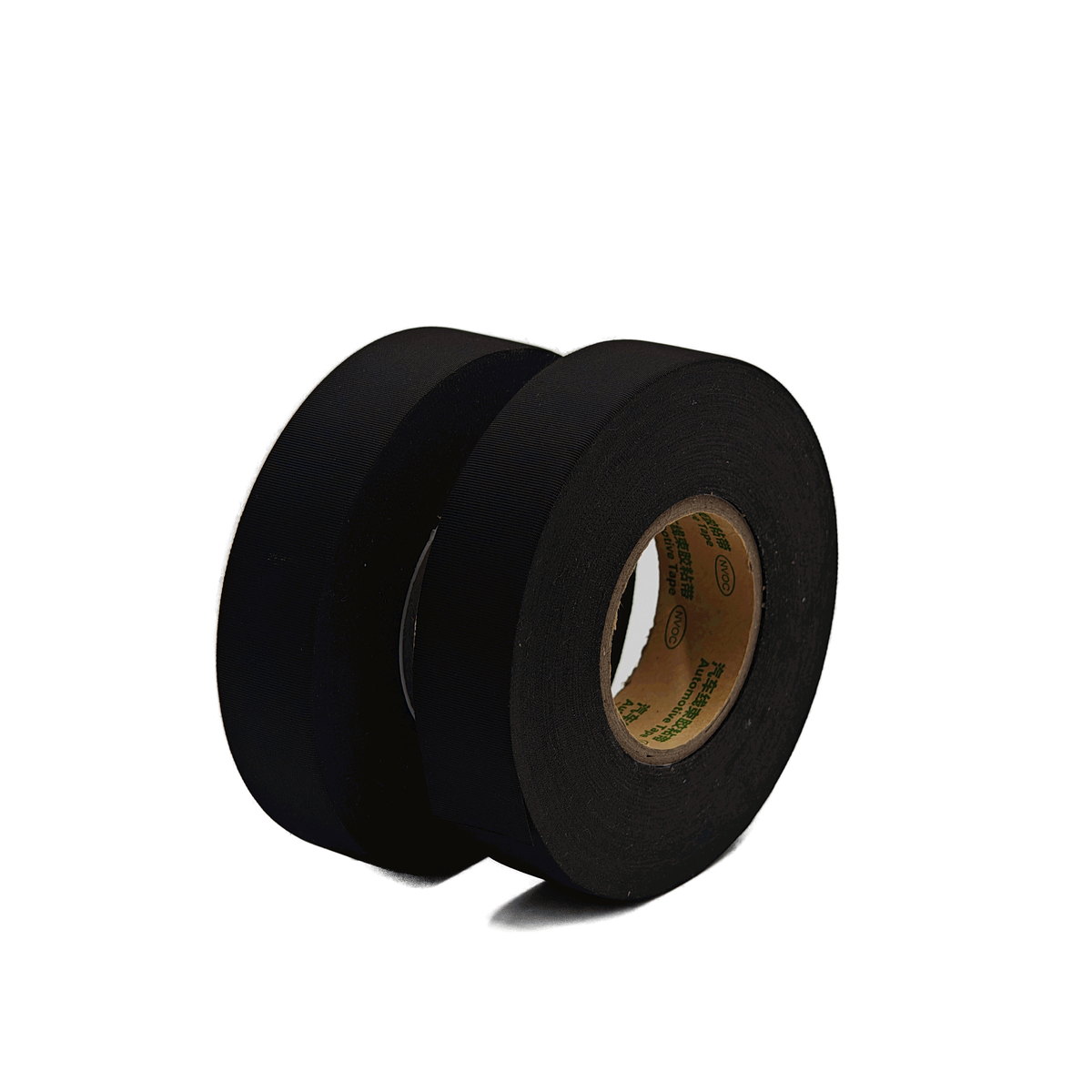
When selecting tape for industrial applications, understanding the differences between acetate cloth tape and PET tape becomes critical for project success. Both materials serve distinct purposes in manufacturing, electrical work, and construction, yet their properties and performance characteristics diverge significantly. The choice between these two tape types directly impacts durability, cost-effectiveness, and operational reliability in your specific application context.
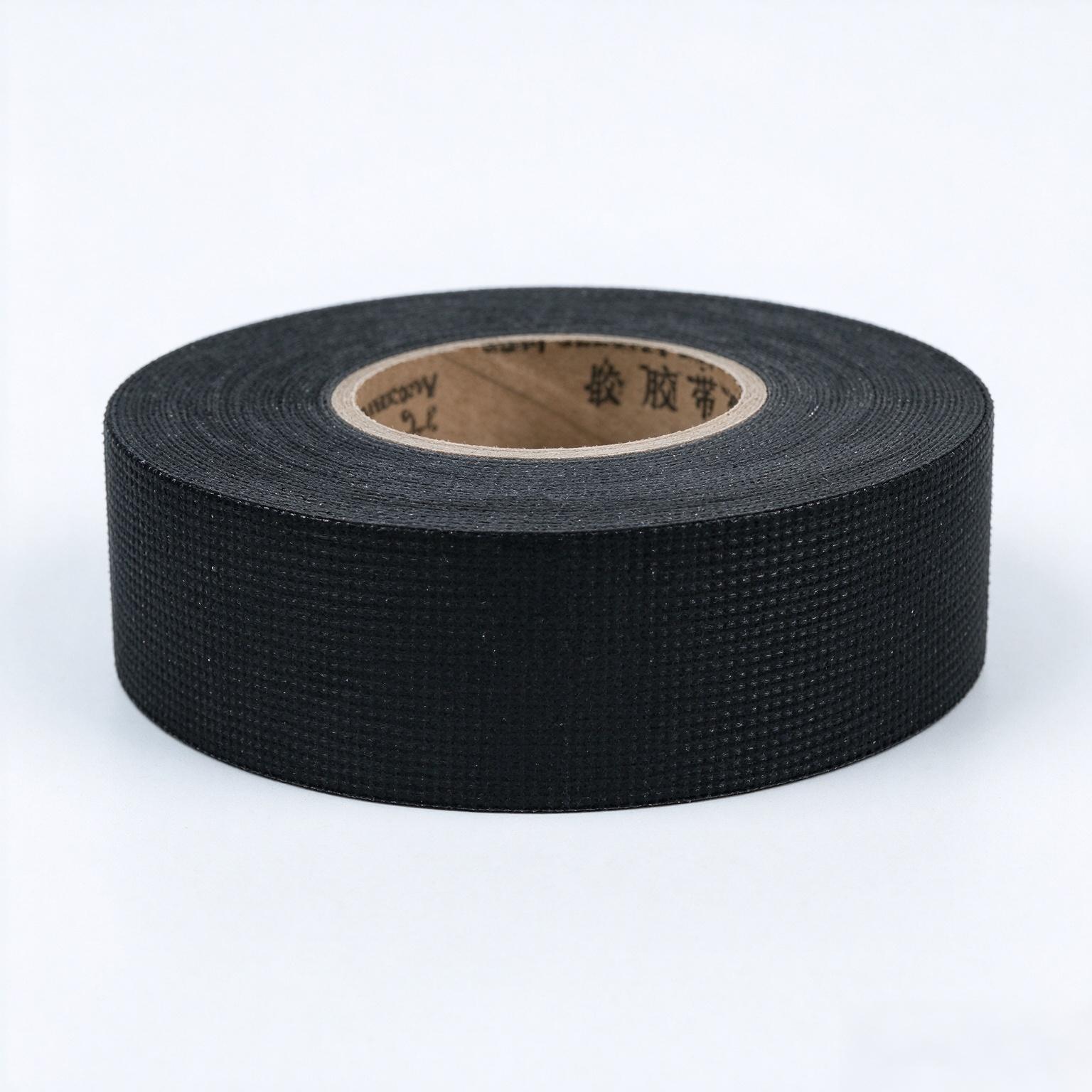
Acetate cloth tape offers distinct advantages in traditional industrial environments, particularly where electrical insulation and thermal management are priorities. This tape type combines fabric backing with acetate adhesive formulations designed for consistent performance across temperature ranges. Understanding how each tape type functions in cable wrapping, electrical insulation, and heat resistant applications helps engineers and procurement specialists make informed decisions that optimize both performance and cost efficiency.
Core Material Differences and Manufacturing Approaches
Acetate Cloth Tape Composition
Acetate cloth tape consists of cotton or synthetic fabric woven into a base layer, then coated with acetate-based adhesive compounds. This construction method creates a tape that performs exceptionally well in electrical insulation applications where consistent adhesion and temperature stability matter most. The fabric weave allows the tape to conform around irregular surfaces, making it ideal for cable wrapping projects that require flexibility without sacrificing strength.
The adhesive formulation in acetate cloth tape delivers reliable electrical insulation properties across moderate temperature ranges. Unlike synthetic alternatives, acetate-based adhesives maintain their bonding characteristics during temperature fluctuations common in industrial environments. This consistency makes acetate cloth tape a trusted choice for applications demanding long-term electrical insulation reliability.
PET Tape Material Structure
PET tape uses polyethylene terephthalate as both the backing material and base for adhesive application. This fully synthetic approach creates a tape with superior moisture resistance and dimensional stability compared to fabric-backed alternatives. PET tape backing provides inherent heat resistant tape properties, allowing it to function in higher temperature environments without degradation.
The synthetic nature of PET tape makes it less breathable than acetate cloth tape, a characteristic that proves beneficial in applications requiring moisture barriers. PET tape's dimensional stability means it maintains consistent thickness and width throughout its lifespan, important for precision applications in electronics and telecommunications industries.
Application-Specific Performance Characteristics
Electrical Insulation Performance
Electrical insulation applications require tape that maintains dielectric strength while resisting electrical conductivity. Acetate cloth tape excels in this domain because its fabric backing provides inherent insulation properties while the acetate adhesive bonds securely to conductors and insulators alike. Cable wrapping projects benefit tremendously from acetate cloth tape's ability to layer smoothly without bunching or shifting during application.
PET tape also provides adequate electrical insulation for many applications, but its synthetic backing creates different electrical characteristics than fabric-based alternatives. Where acetate cloth tape absorbs small amounts of moisture that can actually enhance electrical insulation in certain contexts, PET tape repels moisture entirely, making it preferable for completely dry-environment electrical work. The choice between these materials for electrical insulation depends on whether your installation environment exhibits moisture or remains consistently dry.
Cable Wrapping Efficiency
Cable wrapping demands tape flexibility, adhesive consistency, and ease of application. Acetate cloth tape's woven fabric backing provides natural flexibility that allows installers to wrap complex cable configurations with minimal effort. The tape conforms readily around bends and corners, reducing wasted material and installation time significantly compared to rigid alternatives.
PET tape requires more tension during application but delivers superior edge retention once applied. Its synthetic nature means less stretching during wrapping, which some technicians prefer for maintaining precise wrap patterns. For high-volume cable wrapping operations, PET tape's consistent thickness prevents overlapping variation that can occur with fabric-backed tapes subject to tension inconsistencies.
Heat Resistant Tape Capabilities
Heat resistant tape performance varies significantly between acetate cloth tape and PET alternatives. Standard acetate cloth tape performs reliably up to approximately 100°C, making it suitable for most industrial applications not involving extreme thermal exposure. This temperature range covers the majority of electrical insulation, cable wrapping, and standard manufacturing environments encountered in practice.
PET tape's synthetic composition enables heat resistant tape ratings extending to 130–150°C depending on specific formulations. Applications involving transformer windings, high-power cable terminations, or equipment operating near thermal limits should prioritize PET tape for superior heat resistance. However, standard acetate cloth tape remains perfectly adequate for applications where ambient temperatures remain below 100°C consistently.
Selection Criteria and Implementation Strategies
Cost-Benefit Analysis for Your Project
Acetate cloth tape typically costs less per unit than PET tape alternatives, making it economical for large-scale electrical insulation and cable wrapping projects with standard temperature requirements. The material cost advantage compounds when calculating total project expenses, particularly for telecommunications and power distribution applications involving substantial footage requirements.
PET tape's premium pricing reflects its extended temperature range, superior moisture resistance, and dimensional stability benefits. Projects operating in harsh environments, extreme temperature conditions, or requiring long-term storage in variable humidity conditions justify the additional investment in PET tape technology. Evaluating your specific operating conditions and material lifespan expectations determines whether the cost premium delivers genuine value.
Environmental and Storage Considerations
Storage conditions influence performance for both acetate cloth tape and PET alternatives significantly. Acetate cloth tape prefers controlled humidity environments, as extreme moisture variations can affect adhesive bonding characteristics. Proper storage practices—maintaining 40–60% relative humidity in cool, dark conditions—preserve acetate cloth tape performance throughout its shelf life.
PET tape demonstrates superior stability across variable storage conditions due to its synthetic nature. This advantage proves valuable for distributed inventory management, overseas shipping, or facilities lacking climate-controlled storage areas. If your operation involves unpredictable storage environments or extended inventory holding periods, PET tape's resilience provides worthwhile insurance against performance degradation.
FAQ
What makes acetate cloth tape different from PET tape for electrical insulation applications?
Acetate cloth tape features woven fabric backing with acetate-based adhesive, providing reliable electrical insulation in standard temperature environments up to approximately 100°C. PET tape uses fully synthetic materials, offering superior heat resistance up to 130–150°C and better moisture repellency. For standard electrical insulation work in controlled environments, acetate cloth tape delivers adequate performance at lower cost. For extreme temperature or harsh storage conditions, PET tape's superior heat resistant tape properties justify the premium investment.
How should I choose between acetate cloth tape and PET tape for cable wrapping projects?
Consider your specific cable wrapping environment and application requirements. Acetate cloth tape excels in flexibility and ease of application around complex shapes, reducing installation time and operator fatigue. Its fabric backing conforms naturally to irregular surfaces without requiring excessive tension. PET tape provides superior dimensional consistency and edge retention once applied, benefiting high-volume operations requiring precise wrapping patterns. For cost-conscious projects with standard temperature requirements, acetate cloth tape remains the preferred cable wrapping choice. For applications demanding precision, moisture resistance, or elevated temperatures, PET tape's consistency justifies its higher material cost.
Does acetate cloth tape offer adequate heat resistance for industrial applications?
Standard acetate cloth tape provides reliable heat resistant tape performance up to approximately 100°C, covering the vast majority of industrial electrical insulation and cable wrapping applications. This temperature range suits standard transformer work, general electrical installations, power distribution, and telecommunications environments operating under normal conditions. For applications exceeding 100°C—such as high-power equipment, specialized transformers, or equipment operating near thermal limits—specialized heat-resistant formulations or PET tape alternatives become necessary. Verify your application's actual operating temperature before selecting tape materials, ensuring performance margins remain adequate for safety and reliability requirements.
 EN