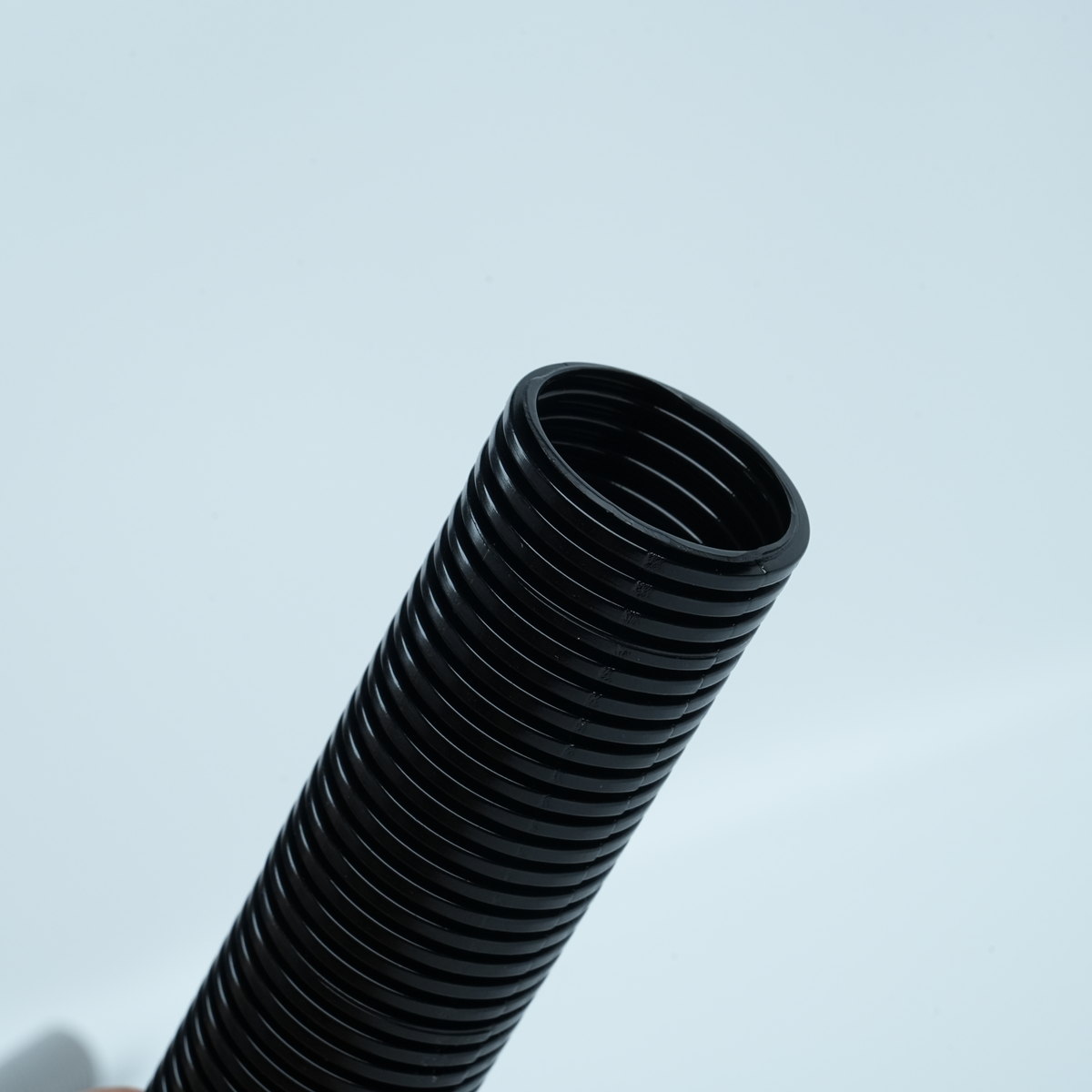
Specifying the right wire loom conduit is fundamental to ensuring safe, reliable power cable routing in industrial and automotive applications. Power cables face constant exposure to physical stress, thermal fluctuations, moisture, and chemical agents that can degrade insulation over time. Proper cable routing using wire loom conduit protects against abrasion, impact damage, and environmental contamination while maintaining the structural integrity of electrical systems. Selecting appropriate conduit materials and specifications prevents costly downtime, safety hazards, and compliance violations.
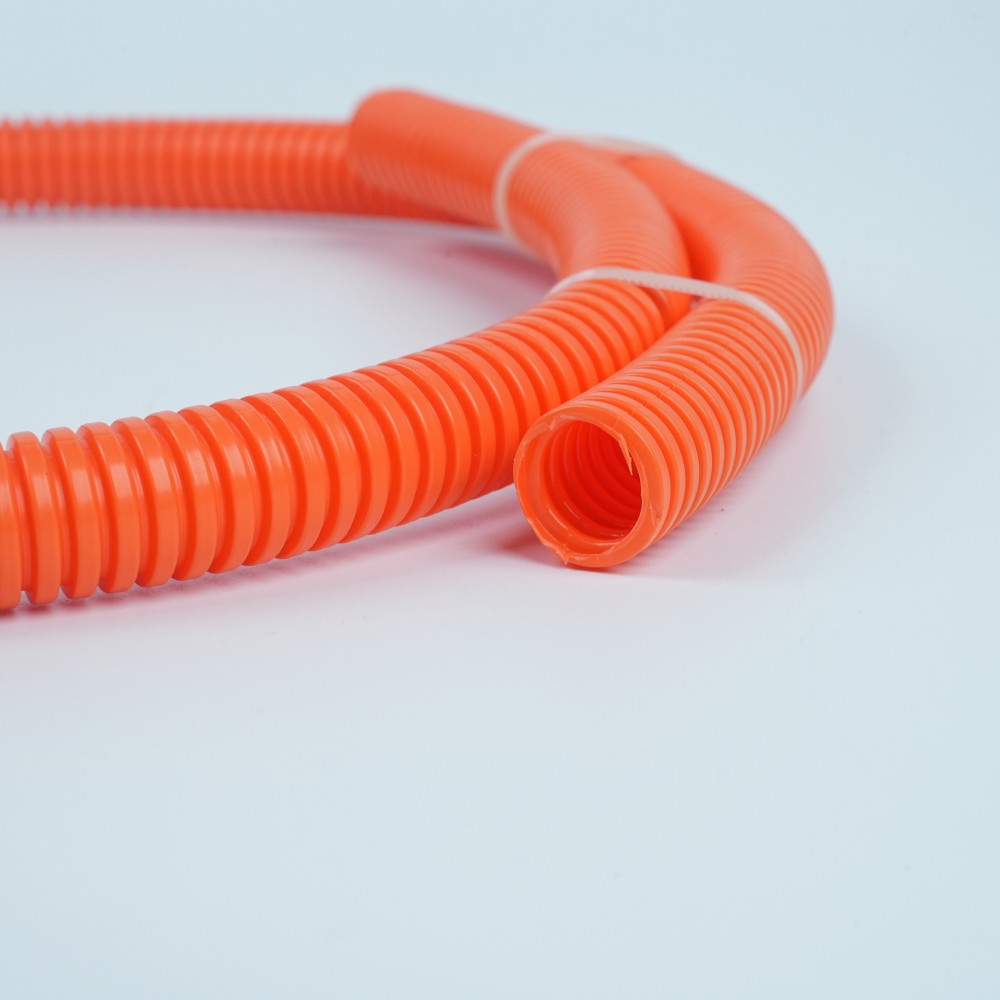
Whether designing automotive wiring harnesses, marine electrical systems, or industrial control panels, engineers and technicians must evaluate material composition, flame resistance ratings, flexibility requirements, and environmental performance. Split loom conduit provides practical installation advantages while meeting stringent safety standards across diverse industries. Understanding the technical specifications and application requirements ensures that cable routing solutions deliver both immediate protection and long-term durability.
Understanding Wire Loom Conduit Materials and Properties
Core Material Options for Split Loom Conduit
Wire loom conduit is manufactured from various materials, each offering distinct advantages for specific environments and performance requirements. Nylon-based split loom conduit dominates automotive wiring applications due to superior flexibility, cost-effectiveness, and chemical resistance. Polyethylene options provide lightweight alternatives for low-temperature applications, while PVC variants offer enhanced flame retardancy for safety-critical installations. Selecting the correct material directly impacts installation ease, long-term cable protection, and regulatory compliance.
Flame-retardant formulations are essential for automotive wiring systems and enclosed electrical environments where ignition sources present significant risks. Halogen-free options address environmental and health concerns while maintaining reliable flame suppression characteristics. Cable routing in high-vibration environments demands materials with superior tensile strength and resilience, preventing split loom deterioration that could expose conductors to damage or short circuits.
Temperature and Chemical Resistance Specifications
Operating temperature range directly influences wire loom conduit material selection, particularly in engine compartments and industrial equipment where ambient heat exceeds standard office conditions. Most automotive wiring conduit maintains functionality from minus forty degrees to one hundred twenty degrees Celsius, accommodating extreme climates and thermal cycling stress. Chemical resistance properties prevent degradation from oil, coolant, saltwater, and fuel exposure that commonly occurs in marine and automotive applications.
UV resistance extends cable routing system longevity in outdoor installations, preventing brittleness and structural failure. Material certifications from recognized standards bodies ensure that specified split loom conduit meets industry performance requirements and legal obligations across different markets and applications.
Selecting Appropriate Conduit Specifications for Cable Routing
Diameter and Wall Thickness Considerations
Wire loom conduit diameter must accommodate the total cross-sectional area of bundled cables while allowing sufficient space for thermal dissipation and future maintenance access. Undersized cable routing restricts airflow, trapping heat that degrades insulation and reduces conductor ampacity. Industry practice recommends minimum internal diameters thirty percent larger than the bundle cross-section, ensuring adequate clearance and practical installation. Split loom conduit wall thickness affects both flexibility and protective capability, with thicker walls providing superior puncture resistance in high-abrasion environments.
Calculating accurate conduit requirements prevents both material waste and inadequate cable protection. Bundled conductor diameter, number of circuits, and expected temperature rise during operation inform proper sizing decisions. Oversized cable routing adds unnecessary weight and cost while undersized conduit invites protection failures and safety risks.
Installation Environment and Protection Requirements
Identifying the specific cable routing environment determines which wire loom conduit features become critical selection criteria. Automotive wiring in engine bays faces extreme temperatures, vibration, fluid exposure, and abrasion from moving parts that demand premium split loom materials and robust specifications. Marine electrical systems require superior saltwater corrosion resistance and UV protection to maintain cable integrity across annual service intervals. Industrial control panel cable routing must accommodate high-frequency vibration and potential mechanical contact while maintaining flame safety standards.
Indoor installations in climate-controlled environments permit more economical wire loom conduit options, reducing specification costs without compromising necessary functionality. Outdoor cable routing demands comprehensive environmental protection including UV resistance, moisture barriers, and chemical stability. Identifying these environmental factors early in the design process streamlines material selection and prevents costly retrofitting or premature system failures.
Implementing Wire Loom Conduit in System Design
Installation Best Practices and Documentation
Proper cable routing using wire loom conduit requires careful planning and systematic implementation to maximize protection and maintainability. Split loom conduit should be installed with minimal bending radius, typically no sharper than eight times the conduit diameter, preventing internal cable stress and insulation damage. Securing conduit at regular intervals prevents mechanical strain from vibration or cable movement while allowing controlled routing through crowded equipment spaces.
Documentation practices capturing wire loom conduit specifications, routing paths, and material certifications facilitate future maintenance and troubleshooting. Labeling cable routing systems with diameter, flame ratings, and UV resistance properties ensures that replacement components meet original performance requirements. Complete records prevent expensive mistakes where undersized or chemically incompatible split loom conduit is installed during field repairs.
Compliance and Standards Alignment
Industry standards and regulatory requirements govern acceptable wire loom conduit materials, flame ratings, and installation methods across automotive, marine, and industrial sectors. Automotive wiring standards specify minimum flame classification requirements, electrical conductivity limits, and chemical resistance thresholds that protect vehicles and passengers. Marine electrical codes mandate saltwater-resistant cable routing materials and UV-stable split loom conduit for deck applications where sun exposure accelerates material degradation.
Selecting certified wire loom conduit with documented compliance to applicable standards eliminates uncertainty regarding regulatory acceptance and warranty validity. Third-party certifications from recognized testing laboratories provide independent verification that specified materials and flame-retardant formulations meet published requirements. International market requirements may mandate specific certifications, making compliance documentation essential for product sales and equipment approval across different regions.
FAQ
What is the primary difference between standard and flame-retardant split loom conduit?
Flame-retardant split loom conduit contains chemical additives that suppress ignition and limit fire propagation when exposed to heat sources, whereas standard wire loom conduit offers basic abrasion protection without active flame suppression. Automotive wiring and enclosed electrical installations require flame-retardant specifications to meet safety regulations and protect against catastrophic equipment failures. Standard cable routing options serve indoor, low-risk applications where fire exposure risk remains minimal.
How do I determine the correct wire loom conduit diameter for my cable routing project?
Calculate the total cross-sectional area of all bundled cables, then select split loom conduit approximately thirty percent larger in internal diameter to accommodate thermal expansion and future maintenance access. Measure cable bundle diameter directly when combining multiple conductors, or reference manufacturer specifications for individual cable dimensions. Oversizing slightly improves thermal management and reduces installation difficulty, while undersizing risks cable insulation damage and system reliability failures.
Are all automotive wiring applications compatible with standard nylon split loom conduit?
Most automotive wiring installations perform reliably with quality nylon-based wire loom conduit, though engine compartment applications near heat sources and extreme fluid environments may require premium materials with enhanced chemical and thermal resistance. High-performance vehicles with aggressive underbody configurations sometimes benefit from reinforced split loom options that withstand intense vibration and mechanical stress. Consulting original equipment manufacturer specifications ensures that selected cable routing materials align with vehicle design requirements and warranty obligations.
 EN