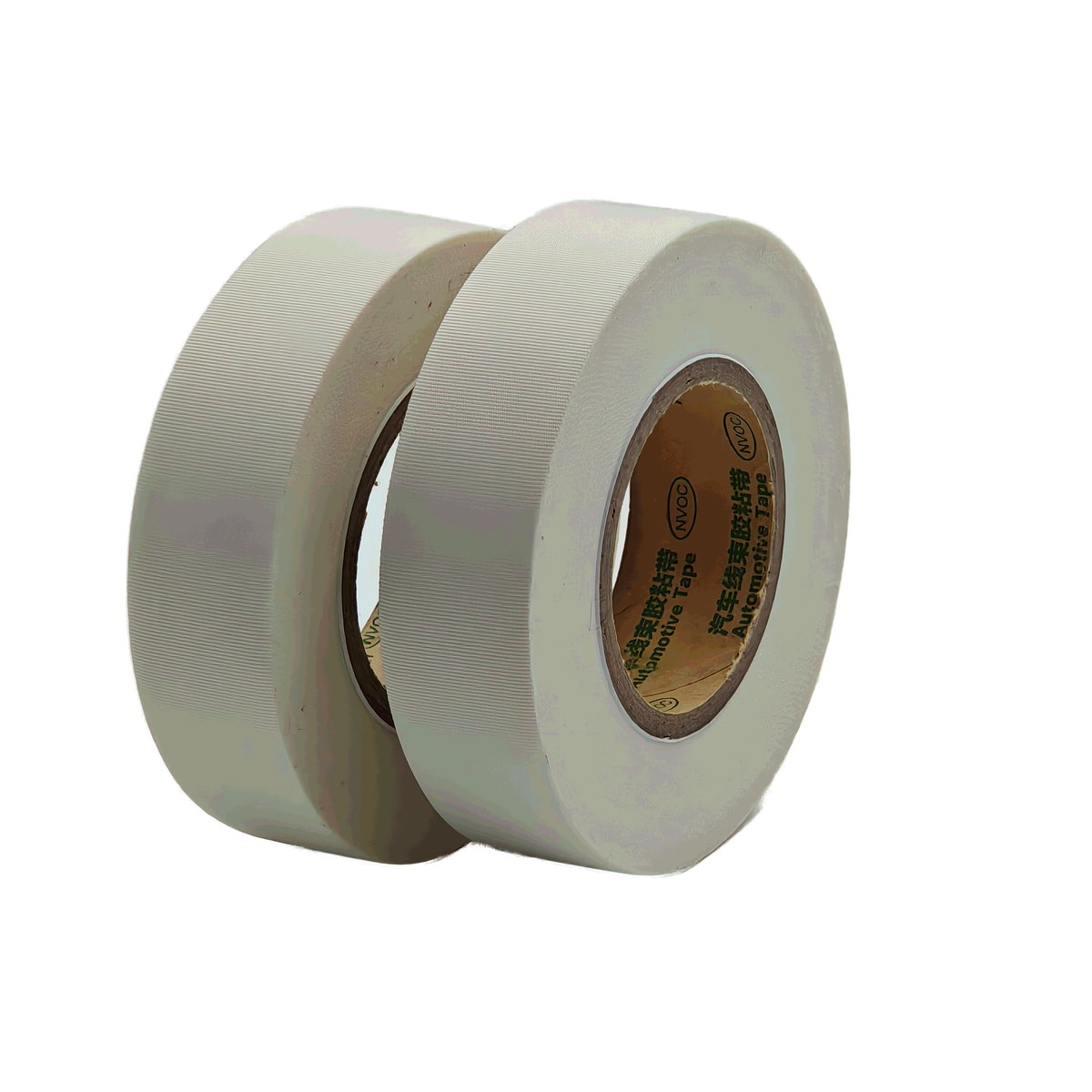
Selecting the right materials for cable management in industrial and electrical applications requires careful consideration of performance, durability, and safety standards. Acetate cloth tape has become an essential component in fixed cable route installations, offering superior adhesion, temperature resistance, and electrical insulation properties that protect both equipment and personnel. Understanding how to properly specify acetate cloth tape ensures your cable routing systems meet industry requirements and maintain long-term reliability in demanding environments.
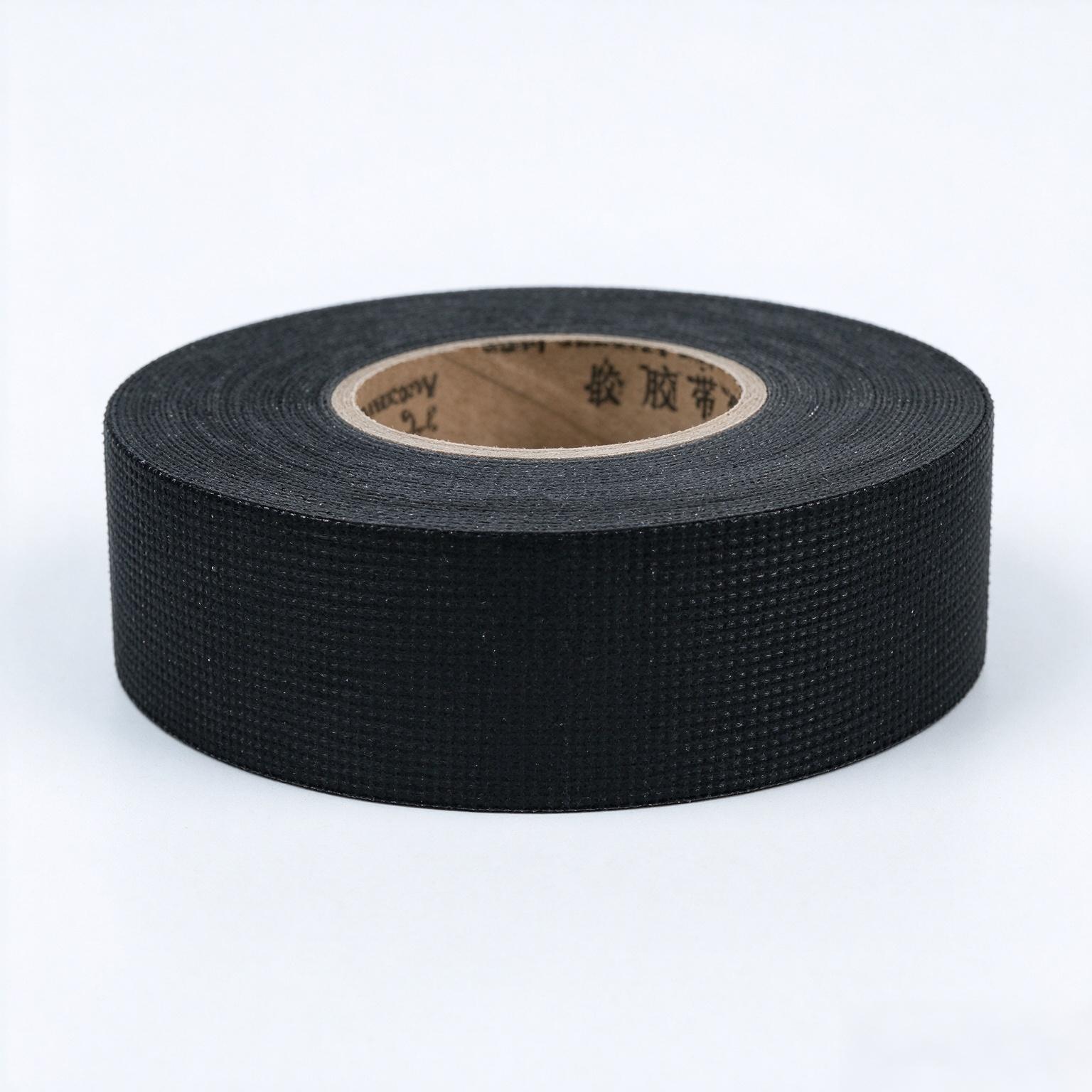
This practical guide walks through the key factors that influence cloth tape selection, from adhesive chemistry and substrate composition to environmental exposure and regulatory compliance. Whether you are designing new cable harnesses, upgrading existing installations, or troubleshooting performance issues, understanding the specifications of wire harness tape and electrical insulation tape will help you make informed decisions that protect your investment and minimize downtime.
Understanding Acetate Cloth Tape Specifications
Material Composition and Adhesive Performance
Acetate cloth tape consists of a woven fabric backing bonded with a pressure-sensitive adhesive formulation. The cloth substrate provides mechanical strength and tear resistance, while the adhesive chemistry determines how well the tape adheres to cable surfaces and environmental materials. Quality wire harness tape uses rubber-based or acrylic adhesive systems engineered to resist moisture, temperature cycling, and chemical exposure. The acetate fabric layer typically measures between 0.12 and 0.18 millimeters thick, providing sufficient cushioning for cable protection without adding excessive bulk to harness assemblies. This balance between protection and compact design makes cloth tape ideal for space-constrained routing applications where rigid conduit or tube is impractical.
Adhesive Strength and Long-Term Durability
The adhesive formulation in acetate cloth tape must maintain consistent hold strength across temperature extremes and humidity variations encountered in real-world cable routes. Pressure-sensitive adhesives used in electrical insulation tape exhibit peak performance between 15 and 35 degrees Celsius, with gradual strength reduction as temperatures increase above 60 degrees Celsius. When specifying tape for hot-running cable bundles or outdoor installations, engineers must account for adhesive creep and potential delamination in sustained high-temperature zones. Testing adhesive retention after thermal cycling, moisture absorption, and UV exposure ensures the selected cloth tape will maintain bond integrity throughout its service life. Premium formulations include tackifiers and resins that provide superior peel resistance and shear strength, minimizing the risk of tape unraveling or separating under mechanical stress.
Selection Criteria for Fixed Cable Routes
Environmental Exposure and Temperature Range
Fixed cable routes experience diverse environmental stresses depending on installation location and application context. Indoor industrial environments with stable temperature and humidity typically suit standard acetate cloth tape rated for -10 to 50 degrees Celsius. Outdoor cable runs and installations near process equipment require wire harness tape formulated for extended temperature ranges, often -20 to 65 degrees Celsius or higher. UV-stabilized variants of cloth tape include carbon black and other light-absorbing additives that prevent fabric degradation and adhesive breakdown when cables are exposed to direct sunlight. Chemical resistance becomes critical when cables route through areas with oil mist, solvents, or caustic fumes. Specifying electrical insulation tape with chemical-resistant adhesive systems protects against aggressive solvents and prolongs tape lifespan in challenging industrial zones. Always review the material safety data sheet and technical specifications provided by the tape manufacturer to confirm compatibility with specific environmental exposures in your application.
Cable Diameter and Bundle Configuration
The physical dimensions of cable bundles directly influence tape selection and application methodology. Smaller diameter cables require acetate cloth tape with enhanced conformability to wrap tightly without bunching or wrinkling. Standard cloth tape comes in widths ranging from 18 millimeters to 50 millimeters, with most wire harness applications using 24 to 36 millimeter widths for optimal coverage and efficiency. Larger cable bundles benefit from wider cloth tape that reduces the number of wraps required and provides consistent coverage across the bundle circumference. The tape thickness also affects how easily it conforms to irregular cable shapes; thinner formulations (0.08 to 0.12 millimeters total) wrap more smoothly around bends and curves than thicker variants. When bundles contain both rigid and flexible cables, selecting electrical insulation tape with moderate stretch and superior conformability ensures uniform adhesive contact across all cable types and prevents void formation that could compromise bundle integrity.
Installation Practices and Performance Optimization
Application Technique and Wrap Geometry
Proper installation technique directly impacts how effectively acetate cloth tape protects cables and maintains adhesive performance. Wrap the cloth tape at 45-degree angles around the cable bundle in overlapping passes, ensuring each wrap covers 50 to 60 percent of the previous layer. This overlap geometry distributes tension evenly, prevents moisture migration into the cable bundle, and maximizes the effective protection area per unit length of tape applied. Begin wrapping from one end of the cable route and progress along its entire length with consistent tension; excessive tension can stretch the tape and reduce adhesive contact, while insufficient tension leaves gaps that allow moisture and contaminants to penetrate. When wire harness tape reaches cable terminations or branch points, extend the wrap slightly beyond the termination to provide added mechanical support and environmental sealing. Smooth out air bubbles and wrinkles as you apply the tape; these defects reduce adhesive contact pressure and create stress concentration points where the tape may separate under thermal cycling or flexural loads.
Maintenance and Inspection Protocols
Regular inspection of acetate cloth tape installations ensures early detection of adhesion loss, environmental damage, or mechanical degradation. Conduct visual inspections quarterly in stable environments and monthly in high-stress locations where thermal cycling, vibration, or chemical exposure is continuous. Check for peeling tape edges, discoloration, brittleness, or adhesive residue migration; these signs indicate that the electrical insulation tape has reached the end of its service life and requires replacement. In moisture-rich environments, even premium cloth tape may experience adhesion loss if humidity remains above 80 percent for extended periods. Consider supplementary mechanical fasteners like cable ties or spiral wrap in critical sections to provide backup support if the tape fails. When replacing worn acetate cloth tape, clean residual adhesive from the cable surface using appropriate solvents before reapplying fresh tape; old adhesive residue reduces the bonding strength of new tape and shortens its functional lifespan.
FAQ
What temperature range does acetate cloth tape support in fixed cable applications?
Standard cloth tape typically operates from -10 to 50 degrees Celsius, while specialty formulations extend performance to -20 to 65 degrees Celsius or higher. The specific temperature rating depends on the adhesive chemistry and fabric construction; always consult the technical datasheet to confirm the tape meets your installation requirements. Extended temperature ranges require premium materials and may increase material cost, so select the rating appropriate for your actual operating environment.
How does wire harness tape differ from general-purpose cloth tape?
Wire harness tape is specifically engineered with electrical insulation properties, enhanced adhesion chemistry, and materials that resist cable flexing, thermal cycling, and environmental stress. General-purpose cloth tape lacks these specialized formulations and may fail prematurely in demanding electrical and industrial applications. Wire harness tape also meets stricter regulatory standards for flammability and electrical performance, making it the appropriate choice for safety-critical cable management.
Can acetate cloth tape withstand outdoor UV exposure?
Standard acetate cloth tape degrades under prolonged UV exposure within weeks or months. UV-stabilized formulations include additives that extend outdoor lifespan to several years, though performance still gradually declines over time. For permanent outdoor cable routes, consider supplementary protection like conduit or consider wrapping the cloth tape with light-blocking materials to extend tape life and maintain electrical insulation integrity.
 EN