Fiberglass sleeving serves as a critical protective layer for electrical connectors and termination points in demanding industrial and automotive applications. When properly installed, this material guards against abrasion, thermal damage, and electrical hazards while maintaining the integrity of your wiring system. Understanding the correct application methods ensures your connectors remain secure and protected throughout their operational lifetime.
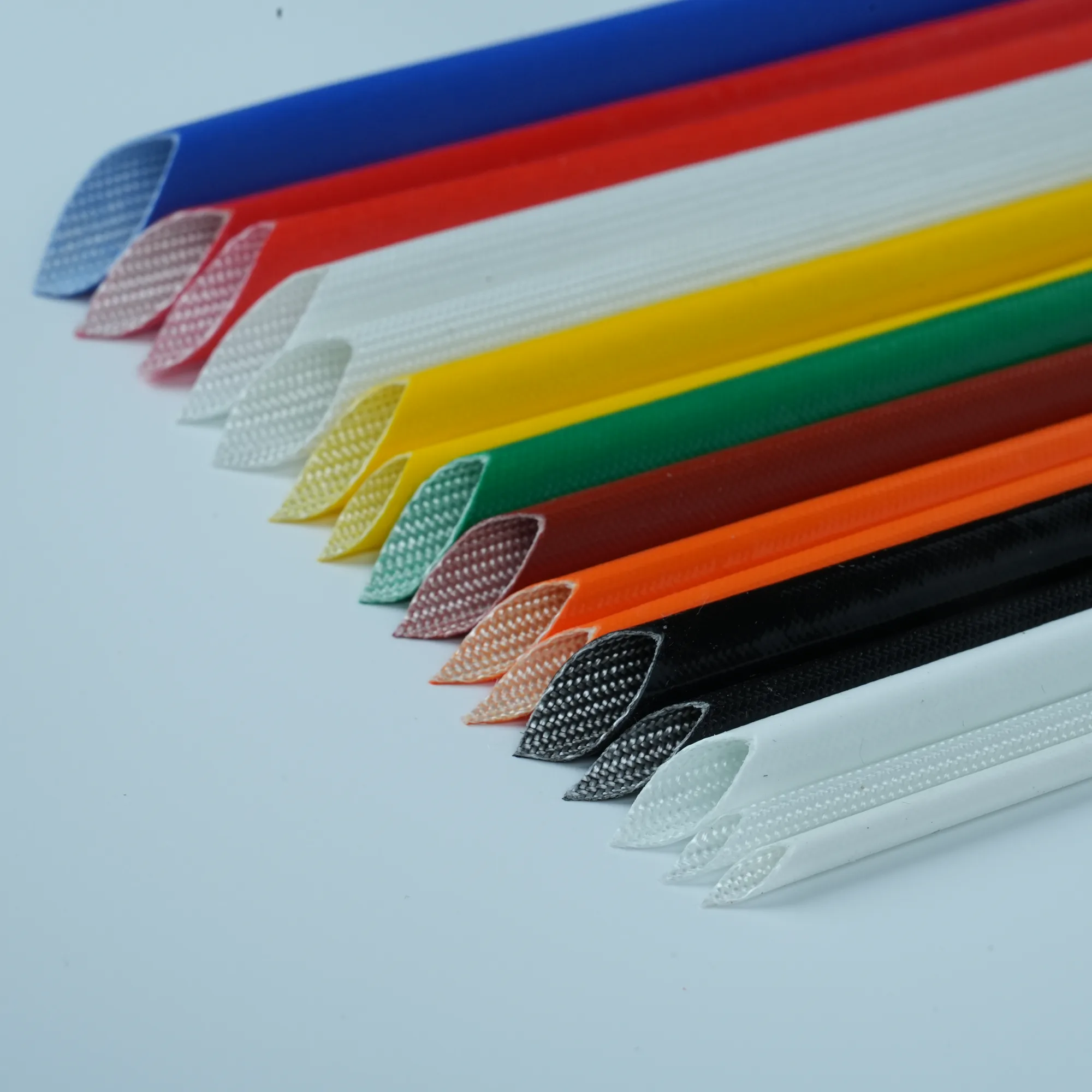
Proper installation of fiberglass sleeving around connectors requires attention to detail and knowledge of best practices. Whether you work in automotive wiring systems, industrial machinery, or electronic equipment, selecting the right sleeving type and following correct installation procedures prevents electrical failures and extends component lifespan. This guide walks you through the essential steps and considerations for effective connector protection.
Selecting the Right Fiberglass Sleeving for Your Connectors
Understanding Material Specifications and Heat Resistance
Heat resistance stands as a primary factor when choosing fiberglass sleeving for connector applications. Your selection must match the maximum temperature your system will experience during normal operation and under fault conditions. Automotive wiring environments often expose connectors to engine compartment temperatures exceeding 150°C, requiring sleeving materials rated for continuous exposure at those levels. High temperature insulation materials combine fiberglass reinforcement with silicone or rubber matrices to deliver both mechanical protection and thermal performance.
The wall thickness of fiberglass sleeving directly impacts both heat resistance and abrasion protection. Thicker materials provide superior heat resistance and mechanical shielding but may complicate installation in tight connector spaces. Assess your specific application demands, considering both the thermal environment and the physical space available around your termination points. Standard automotive wiring typically requires sleeving with 200–260°C heat resistance ratings for engine bay applications.
Material Compatibility and Connector Types
Different connector designs demand different installation approaches for fiberglass sleeving. Weather-sealed connectors, high-current contacts, and multi-pin terminals each present unique challenges for sleeving placement. Verify that your chosen material remains chemically compatible with connector contact materials, lubricants, and insulation compounds. Incompatible combinations may cause degradation or create electrical intermittencies that compromise reliability in automotive wiring systems.
Consider whether your connectors require moisture barriers in addition to heat resistance. Marine environments, outdoor installations, and underbody automotive wiring benefit from sleeving with moisture-resistant properties. Materials combining high temperature insulation performance with hydrophobic characteristics prevent water ingress that could trigger corrosion or electrical faults at critical termination points.
Installation Techniques for Connector Protection
Preparing Connectors and Measuring Sleeving Length
Begin by thoroughly cleaning your connector area to remove any oils, flux residue, or contaminants that might prevent proper sleeving adhesion. Measure the length needed by extending from at least one centimeter onto the cable jacket to past the connector body termination point. This measurement approach ensures complete coverage of exposed copper, solder joints, and vulnerable wire strands that could otherwise develop corrosion or short-circuit hazards.
Pre-cutting fiberglass sleeving to exact lengths saves installation time and ensures consistent coverage across multiple connectors in automotive wiring harnesses. When working with heat-shrink fiberglass sleeving, account for the shrinkage ratio specified by the manufacturer, typically ranging from 2:1 to 4:1 depending on the material composition. Always measure the nominal sleeving diameter to confirm it accommodates your connector assembly without excessive tightness that could damage wire insulation.
Sliding and Securing the Sleeving
Carefully slide the prepared fiberglass sleeving over your connector assembly, working slowly to avoid twisting or bunching the material. If the sleeving resists movement, rotate it gently rather than forcing it, which could separate internal fibers from the outer binder. For tight-fitting applications, applying a light coating of silicone grease to the sleeving interior facilitates smoother positioning without compromising the final seal.
Once the sleeving reaches its final position, secure it using heat-shrink technology if your material incorporates this feature. Apply controlled heat using a heat gun or hot air tool, maintaining consistent motion to ensure uniform shrinkage and adhesion to the connector body. If using non-shrink fiberglass sleeving, apply appropriate adhesive tape or heat-resistant tape at both termination points to prevent migration and maintain continuous protection of your automotive wiring terminations.
Ensuring Reliability and Long-Term Performance
Testing and Quality Verification After Installation
After completing sleeving installation, inspect the connector assembly from multiple angles to confirm complete coverage and proper alignment. Visual examination should reveal no exposed copper, solder joints, or wire strands along the termination points. Look for any bunching, gaps, or areas where sleeving might have shifted during the installation process, as these defects compromise both heat resistance and abrasion protection in demanding automotive wiring applications.
Perform electrical continuity testing across the connector to verify that sleeving installation did not create unintended connections or degrade contact resistance. High temperature insulation performance cannot compensate for electrical failures stemming from installation errors. Include sleeved connectors in your standard acceptance testing protocol, documenting baseline resistance and insulation resistance values for future comparison.
Maintenance and Environmental Considerations
Periodically inspect sleeved connectors during routine maintenance intervals, especially in automotive wiring systems exposed to vibration, thermal cycling, or chemical exposure. Look for signs of sleeving degradation including cracking, separation from the connector body, or discoloration indicating excessive temperature exposure. Environmental factors such as UV radiation, ozone, and aggressive chemical exposure can degrade sleeving materials over time, necessitating preventive replacement before failures develop.
Document the sleeving material type, installation date, and thermal ratings for each critical connector in your system. This information proves invaluable when troubleshooting failures or planning preventive maintenance on aging harnesses. For automotive wiring in particularly harsh environments, consider scheduling periodic sleeving replacement as part of your equipment lifecycle management strategy, particularly on vehicles or machinery approaching end-of-service intervals.
FAQ
Can fiberglass sleeving handle extreme temperature fluctuations in engine bay environments?
Modern high temperature insulation sleeving materials withstand rapid thermal cycling from ambient to over 200°C without cracking or losing adhesion to connectors. The fiberglass reinforcement provides dimensional stability while silicone or rubber matrices absorb thermal stress. For automotive wiring in engine bays experiencing severe thermal shock, verify that your chosen sleeving carries appropriate temperature cycling certifications and rating margins above your actual peak temperatures.
How does sleeving affect the electrical performance of automotive wiring connections?
Quality fiberglass sleeving introduces negligible electrical resistance when properly installed, as the material functions purely as a mechanical and thermal barrier. Heat resistance properties actually improve electrical reliability by preventing thermal degradation of insulation and reducing contact corrosion at termination points. Ensure sleeving does not compress connector contacts to excessive tightness, which could distort the connector body and increase contact resistance.
What distinguishes heat-shrink fiberglass sleeving from adhesive-lined alternatives?
Heat-shrink fiberglass sleeving bonds permanently to connectors and cables through thermal activation, creating a unified assembly that resists moisture ingress and vibration-induced migration. Adhesive-lined variants offer similar performance but require careful application of the correct adhesive formulation and drying time. For automotive wiring applications requiring maximum reliability, heat-shrink options generally provide superior long-term performance in high-vibration environments, though adhesive options work well in stationary industrial applications.
 EN







