EN
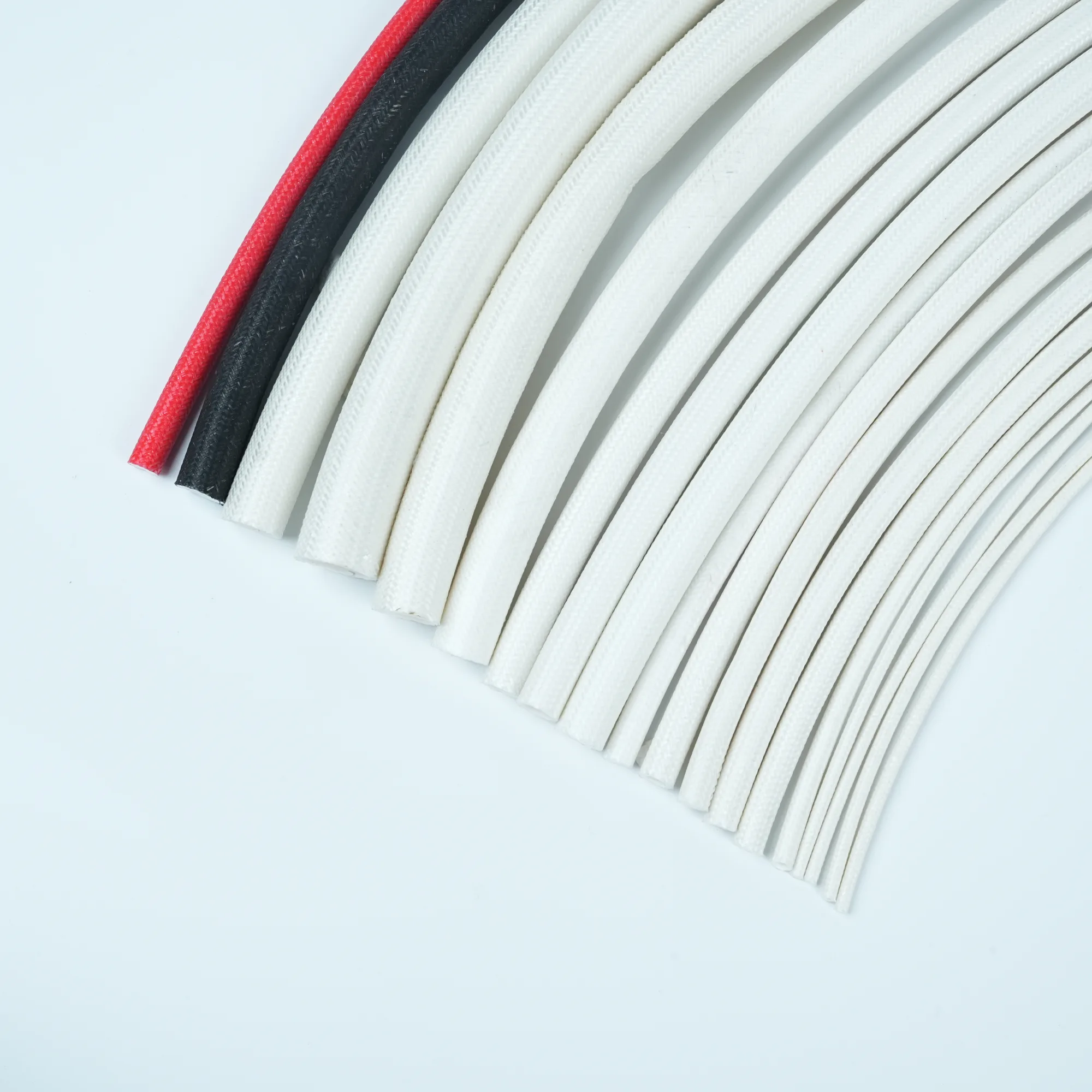
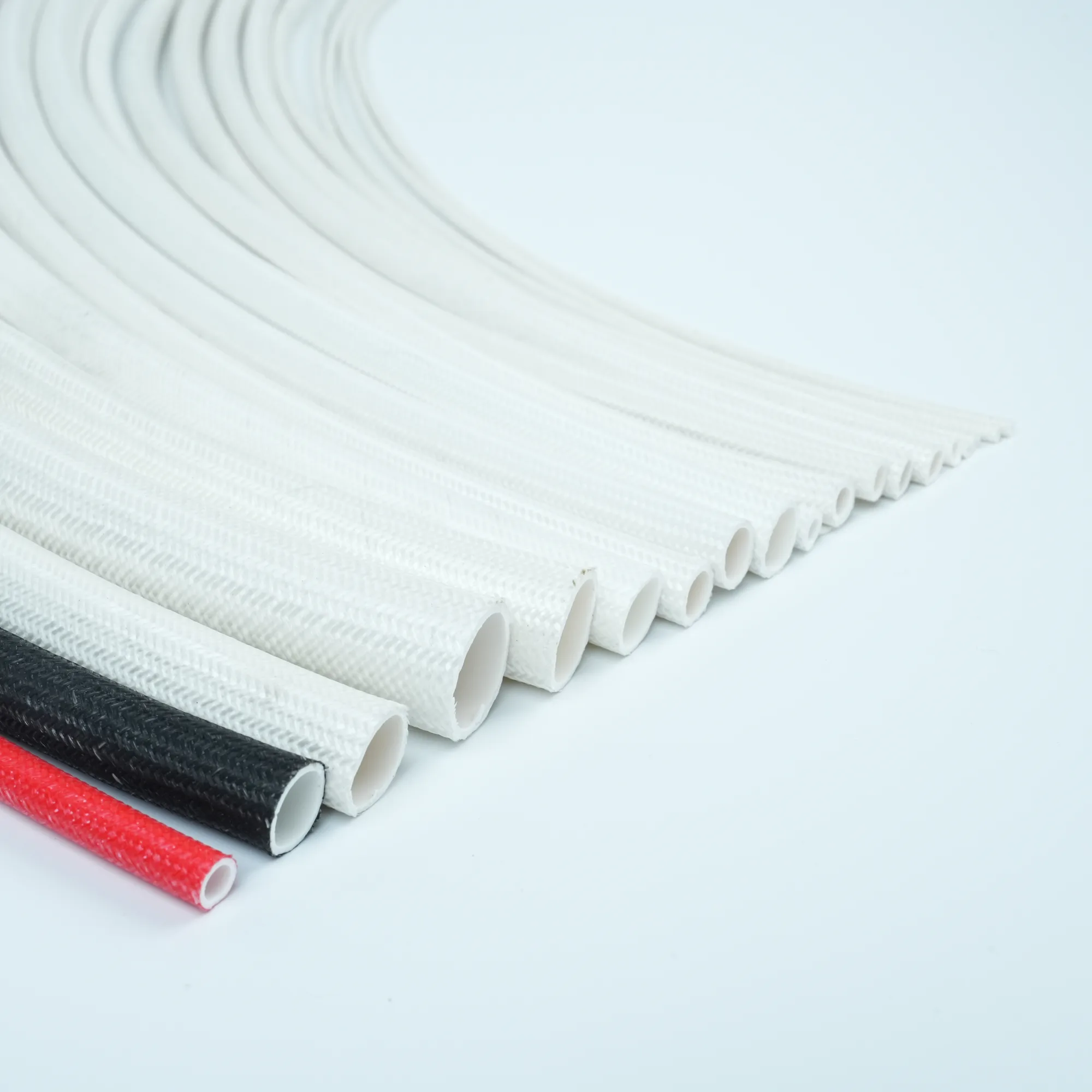
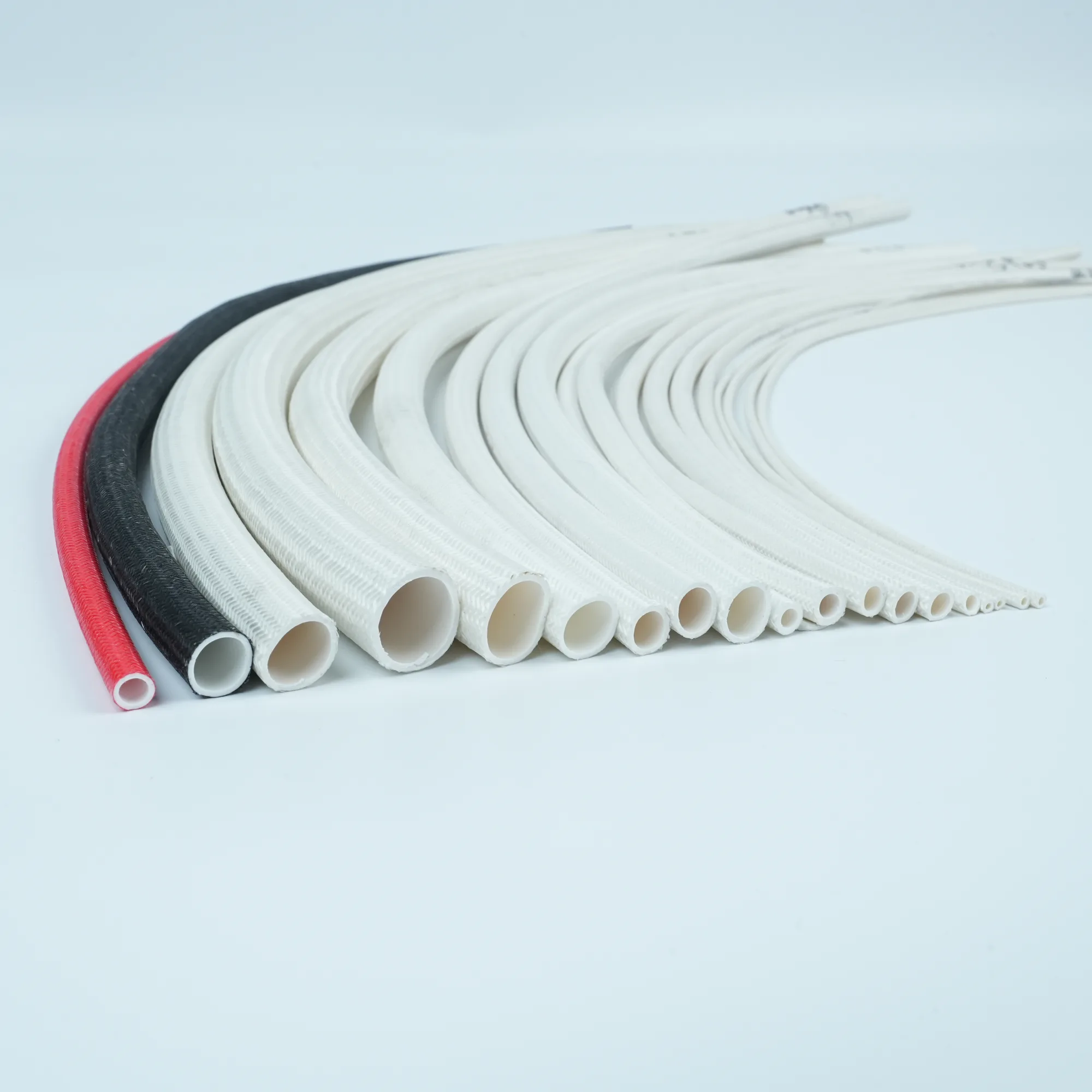
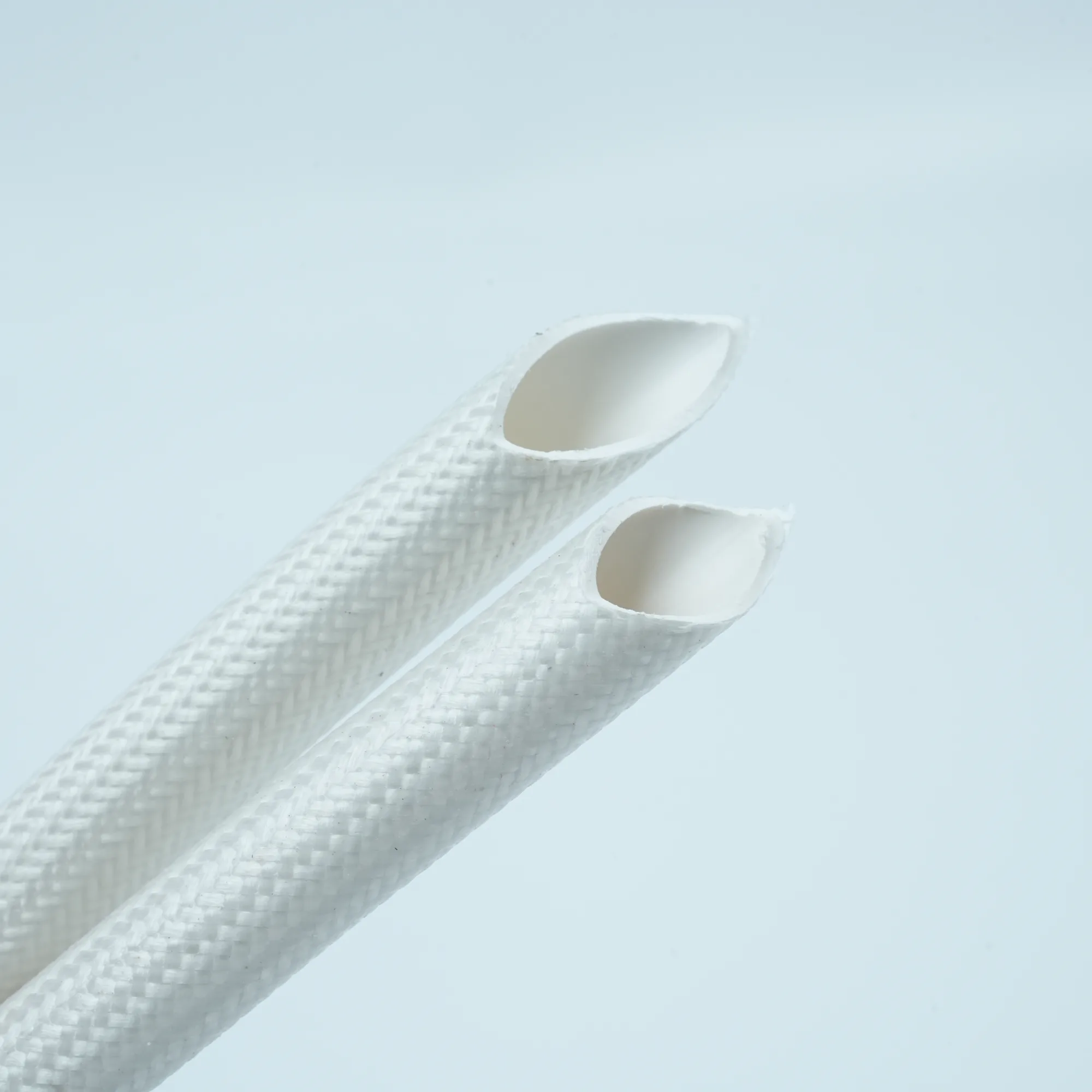
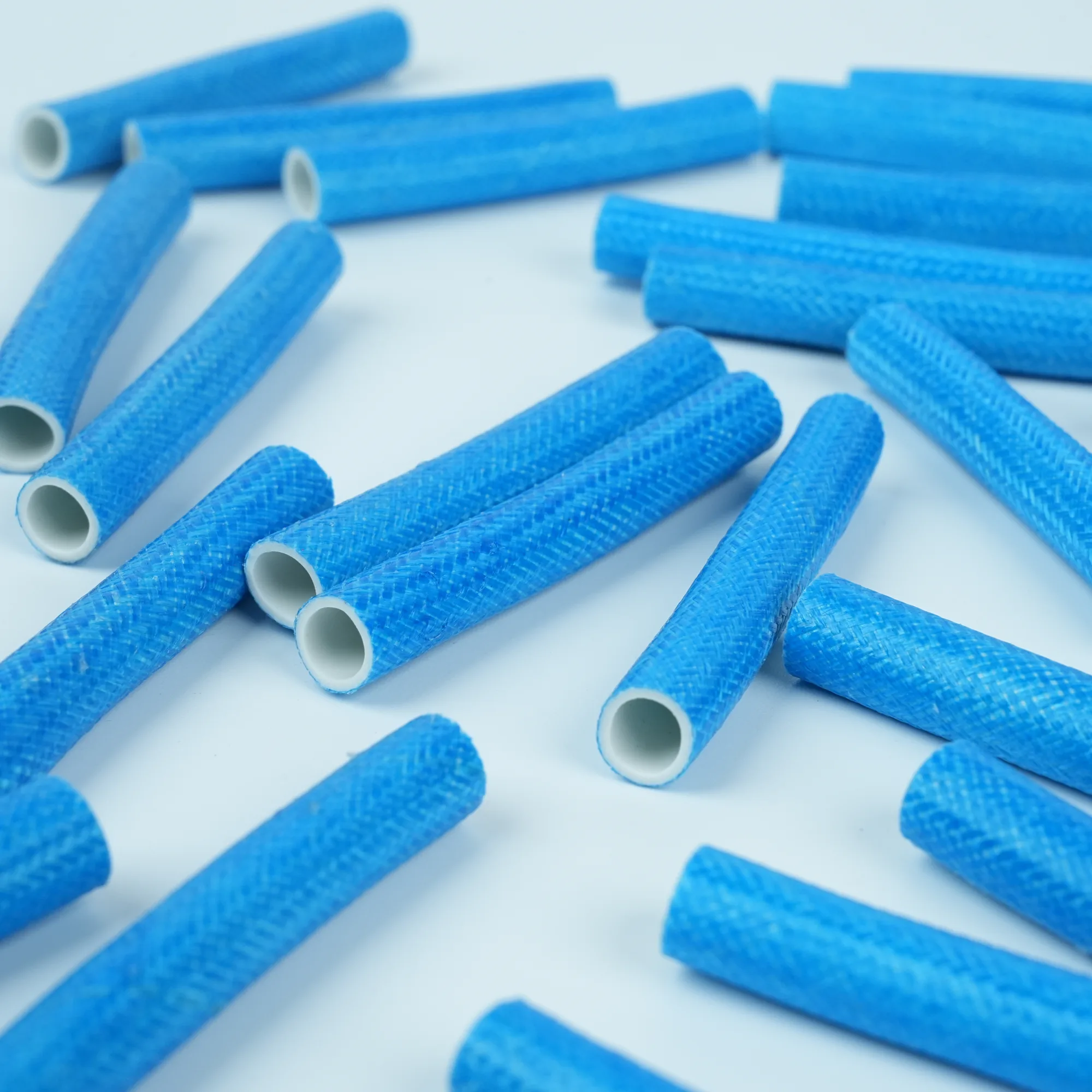
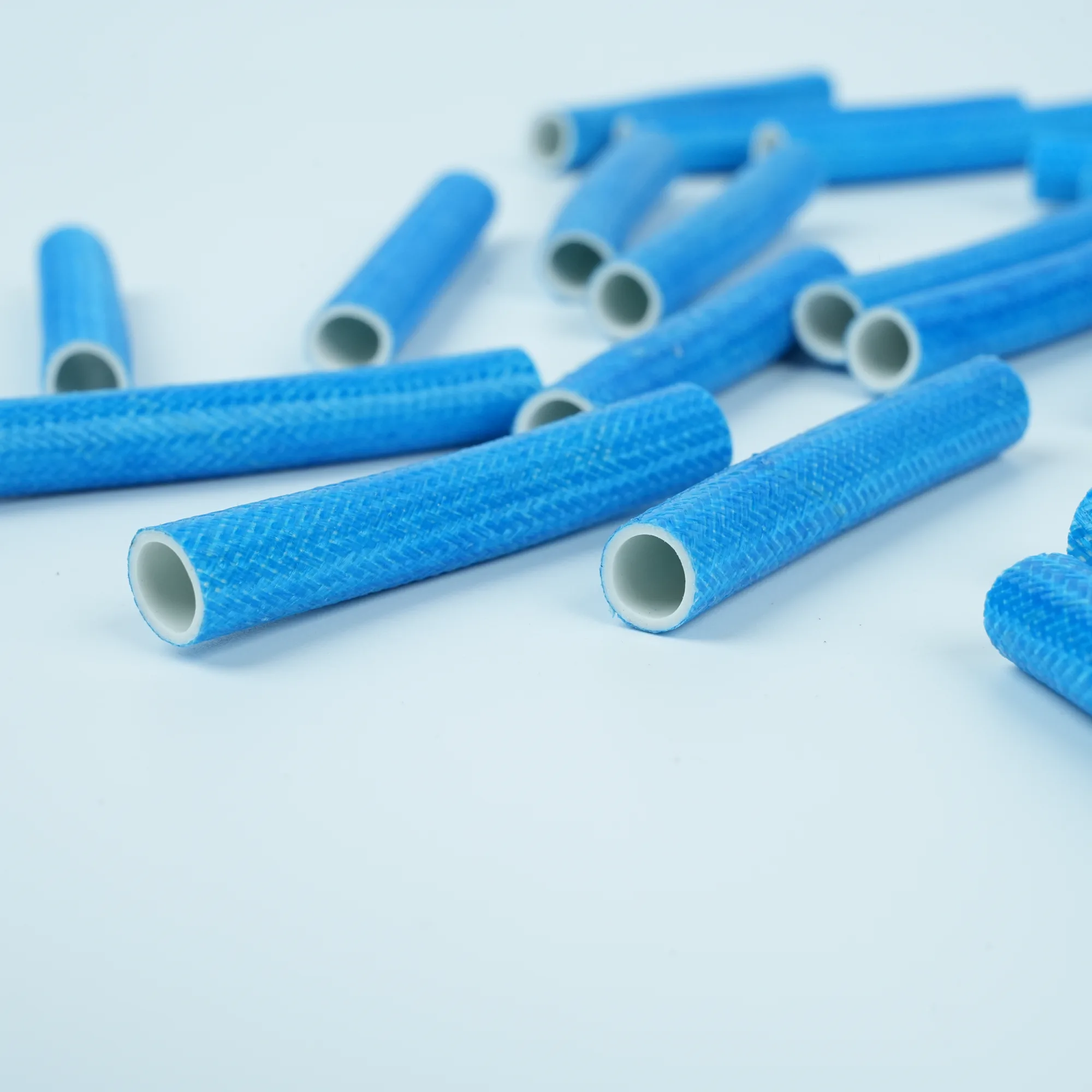
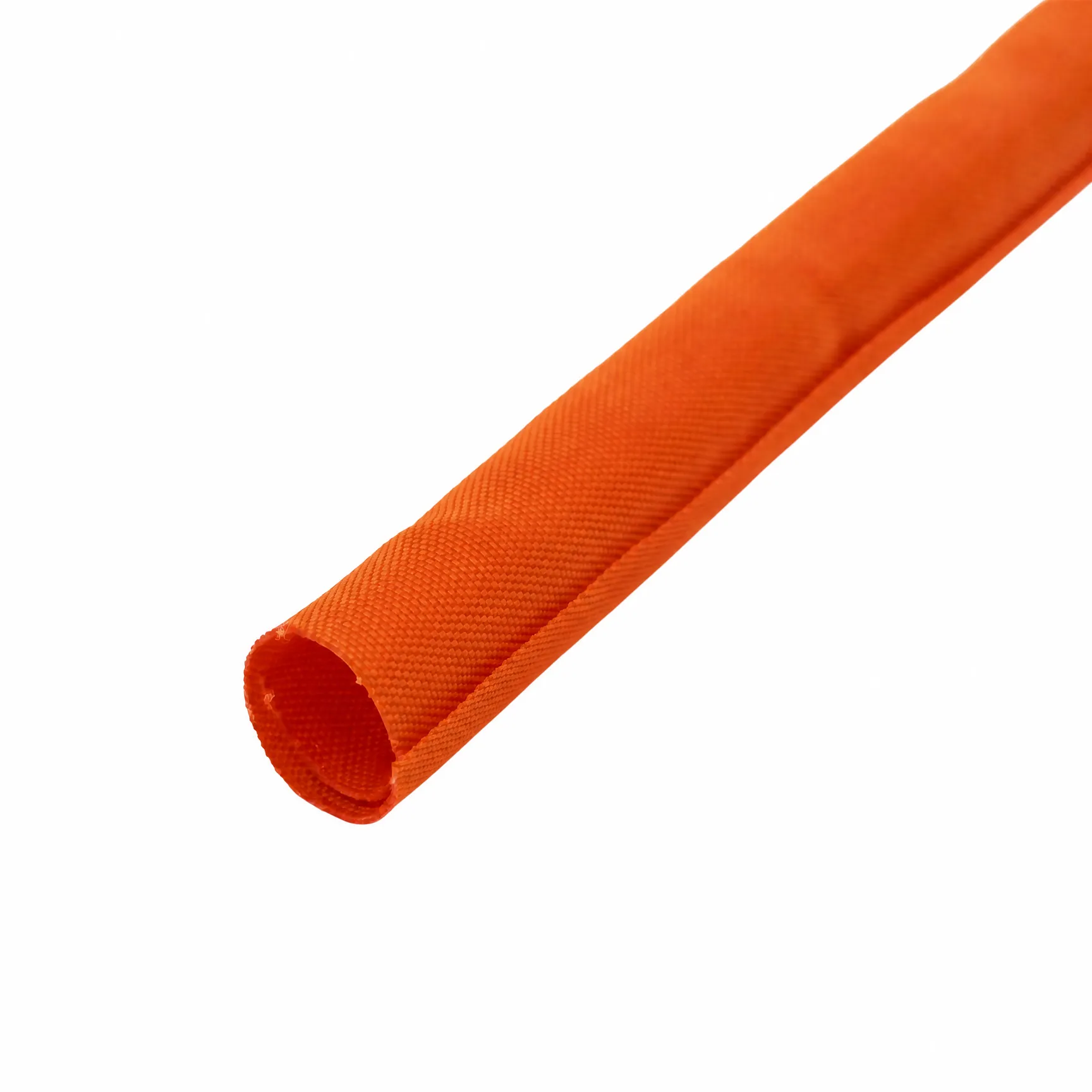
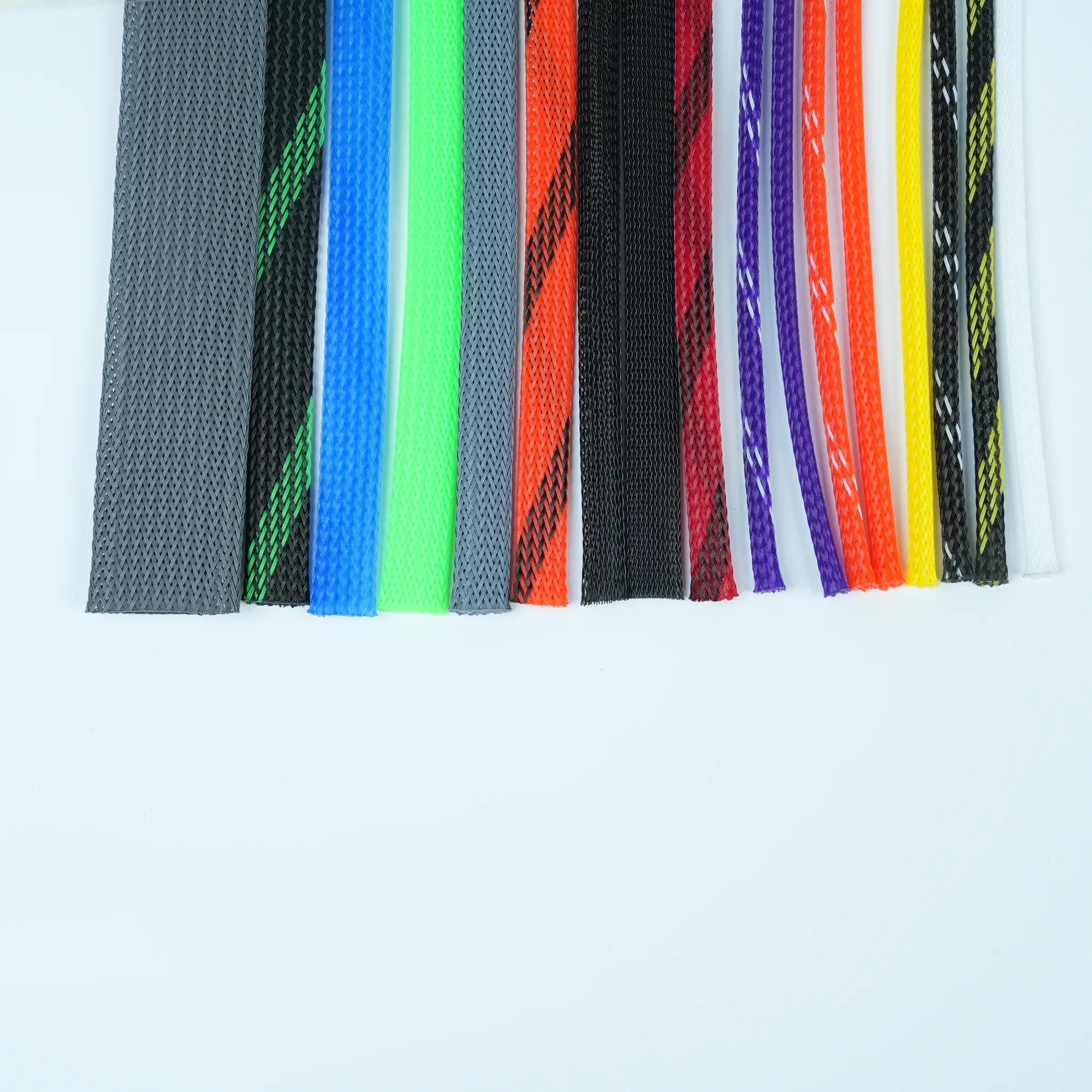
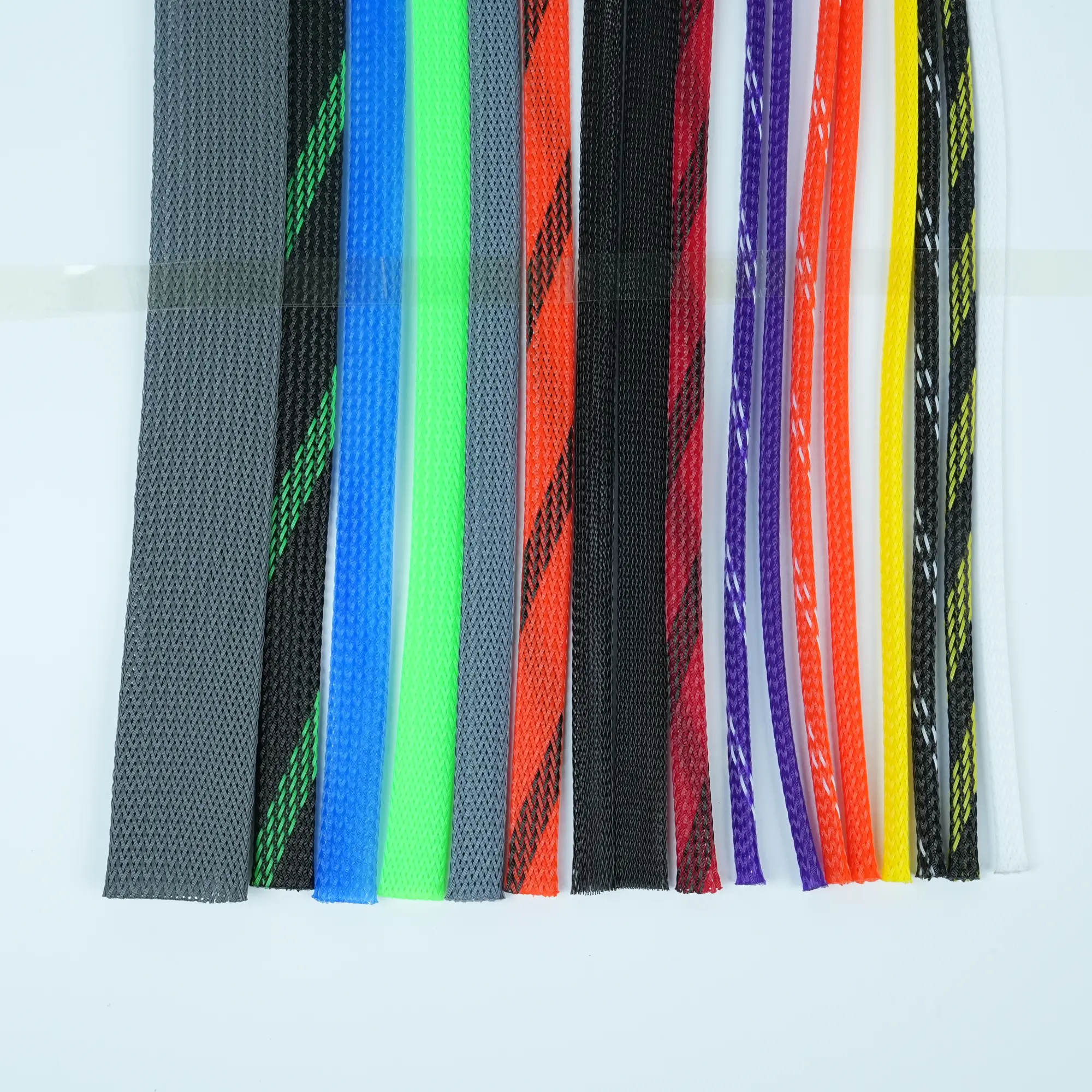
Silicone glass fiber sleeve is woven with by alkali glass fiber, coated with silicon resin and treated at high temperature, It has good dielectric, self-extinguishing performance and flexibility and is widely in insulation protection for H&N level motor, household appliance, Electric heating equipment, special lighting, television and internal wirecluster of electronic equipment.
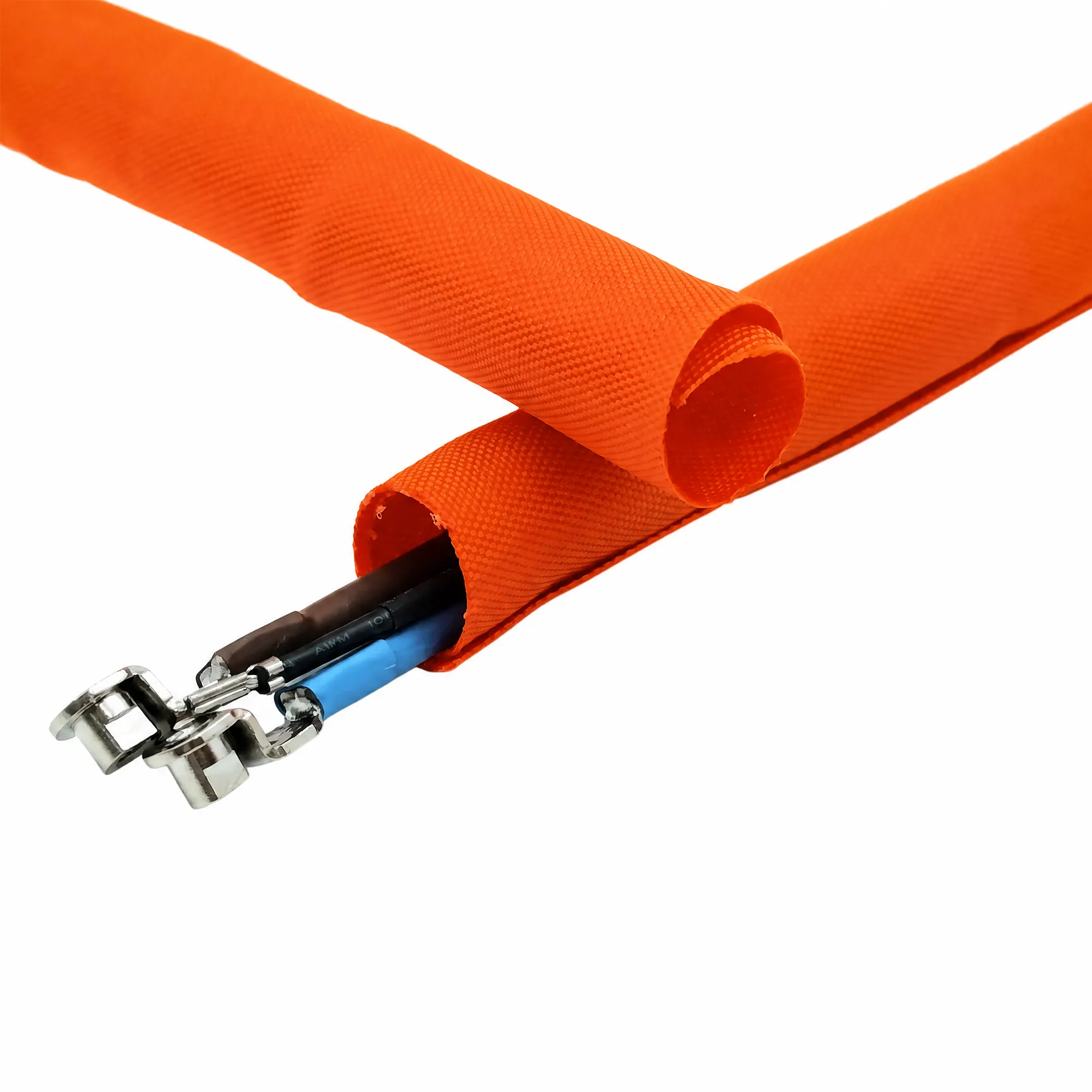
The Silicone Rubber Glass Fiber Sleeve( Rubber insider and Fiber outside) is a composite cable protection product engineered for environments where a single-material sleeve cannot address heat, fluid, and mechanical stress simultaneously. Its inner silicone rubber layer seals against oils, coolants, and hydraulic fluids, while the outer alkali glass fiber braid resists abrasion and surface contact damage. From engine compartment wiring to industrial high-voltage cable runs, this sleeve is specified where both sealing integrity and mechanical durability are required in the same component. When evaluating protective sleeves for demanding industrial wiring applications, the dual-layer construction of this product addresses failure modes that single-layer alternatives typically cannot cover at the same time.
The inner silicone rubber layer of the Silicone Rubber Glass Fiber Sleeve( Rubber insider and Fiber outside) contacts the conductor directly, blocking water, oil, and coolant ingress while remaining flexible through thermal cycling. The outer alkali glass fiber braid, treated with silicone resin and processed at elevated temperature, adds wear resistance, puncture protection, and dimensional stability. Think of this dual-layer structure as a thermos-flask principle applied to cable protection: the silicone core seals and insulates, while the glass fiber outer shell handles mechanical stress from surrounding surfaces. For wiring that must survive both fluid exposure and repeated contact with edges or chassis components, neither layer alone covers the full protection requirement. Model designation: YC-SRT-70.
Model YC-SRT-70 is certified under UL1441 with UL VW-1 flame-retardant rating. Verified test parameters include:
Continuous operation across this temperature range, confirmed by UL1441 thermal aging testing at 260°C for 6 hours, places this product above standard PVC or polyester cable protection in high-heat environments. In cable runs positioned near heat sources, materials that lack stable thermal properties often show surface discoloration or minor deformation as early indicators of thermal degradation — a visible sign that the protection is beginning to fail before mechanical failure occurs. Based on the performance data, the Silicone Rubber Glass Fiber Sleeve( Rubber insider and Fiber outside) maintains its structural and electrical function through sustained heat exposure, making it a practical choice for engine bays, industrial ovens, electric heating equipment, and drying lines where temperature load is constant during normal operation.
UL VW-1 certification with self-extinguishing performance of approximately 10 seconds is a frequently required qualification criterion in automotive supply chains, EV battery system sourcing, and industrial electrical enclosure specifications. In procurement qualification processes, flame-retardant compliance is sometimes identified as a hard requirement only after initial material selection is finalized, which forces re-qualification and can delay a project by several weeks. Specifying a product that already holds UL1441 and VW-1 certification at the design stage substantially reduces this risk. The Silicone Rubber Glass Fiber Sleeve( Rubber insider and Fiber outside) meets this qualification standard, and its documented certification status supports supply chain audit requirements without additional flame-retardant testing.
With volume resistivity of 10¹² Ω·cm and an average breakdown voltage of 7000 V under UL1441 test conditions (individual minimum: 6000 V), this sleeve provides documented dielectric protection relevant to transformer leads, switchgear wiring, and EV powertrain cable runs. In high-voltage scenarios — such as energy storage systems or new-energy vehicle high-voltage wiring — the electrical specification of the protective sleeve must be confirmed independently. Mechanical and thermal ratings do not substitute for dielectric data in these applications. Sourcing engineers working on high-voltage assemblies should treat the dielectric rating as a primary selection criterion rather than a secondary one.
Cold bending resistance at -10°C without cracking is a certification result that is sometimes deprioritized in tropical applications but becomes important in outdoor installations, cold-climate vehicle maintenance, and equipment that transitions between heated interiors and cold outdoor environments. Alongside this, long-term hydrolytic stability — non-tacky, non-distorted, non-softening — supports reliable performance in humid environments, coolant zones, and marine cable routing. For installations where consistent sealing and flexibility across both high and low temperature conditions are required, this combination of verified test results provides a solid specification basis.
In engine compartments, EV motor drive cabling, and onboard charging connector runs, the Silicone Rubber Glass Fiber Sleeve( Rubber insider and Fiber outside) manages oil exposure, thermal load, and mechanical contact simultaneously. Unlike engine harness tape or adhesive-wrapped solutions, this sleeve can be slid off and reinstalled during maintenance without residue or conductor surface damage. For high-voltage EV battery wiring, the documented 7000 V average breakdown voltage provides a verifiable insulation margin suitable for high-density conductor layouts. The UL VW-1 rating also satisfies common automotive supply chain audit requirements without additional flame-retardant qualification steps.
Electric heating equipment, welding cable runs, transformer leads, and outdoor substation wiring each present a combination of thermal load, fluid contamination risk, and mechanical wear. For projects where 2 inch heat shrink tubing or velcro cable sleeve formats create maintenance access limitations or cannot be reinstalled after initial use, the Silicone Rubber Glass Fiber Sleeve( Rubber insider and Fiber outside) offers a permanent, accessible, and flame-retardant protective layer. The glass fiber outer braid handles surface abrasion, and the inner silicone layer maintains sealing and dielectric integrity throughout the service period without requiring periodic replacement under normal operating conditions.
Series YC-SRT is available in inner diameters from 1.0 mm to 35.0 mm, covering a broad range of conductor and cable bundle sizes. Wall thickness runs from 0.70 mm for smaller diameters to 1.35 mm and above for larger sizes, with defined tolerances per grade. Rolls are supplied in 50-, 100-, or 200-meter lengths depending on the diameter. Custom colors are available to support circuit identification and assembly organization requirements.
| Certification | UL1441 / UL VW-1 |
| Operating Temperature | -10°C to +200°C |
| Peak Thermal Aging | 260°C, 6 hours |
| Avg Breakdown Voltage | 7000 V |
| Min Breakdown Voltage | 6000 V |
| Volume Resistivity | 10¹² Ω·cm |
| Inner Diameter Range | 1.0 mm – 35.0 mm |
Silicone glass fiber sleeve is woven with by alkali glass fiber, coated with silicon resin and treated at high temperature, It has good dielectric, self-extinguishing performance and flexibility and is widely in insulation protection for H&N level motor, household appliance, Electric heating equipment, special lighting, television and internal wirecluster of electronic equipment.

 KO
KO