Tape for Wire Harness and Industrial Assembly
This Tape category brings together practical wrapping materials for wire harness assembly, insulation work, bundle management, and equipment manufacturing. The current range includes filament tape, PET non-woven tape, PVC tape, and acetate cloth tape. Each Tape construction addresses a different combination of handling, surface contact, temperature exposure, noise control, or electrical insulation. Rather than treating every Tape as interchangeable, buyers can start with the harness location, the material being wrapped, and the production method. That approach helps engineering, quality, and purchasing teams discuss the same requirements before a part is selected.
For buyers comparing automotive or industrial Tape, the useful question is not simply which product has the strongest claim. It is which construction matches the work. A smooth manual wrap, a machine-assisted process, a quiet cockpit harness, a transformer coil, and a routed cable bundle can place different demands on the backing and adhesive. The product information in this category provides a clear starting point for matching Tape to a documented application.
Available Tape Types and Product Characteristics
Filament Tapes BX8150W / BX8150H: woven glass fiber fabric with a polymer anti-adhesive emulsion. The listed product is described for high tensile strength, flame retardancy, high-temperature resistance, and chemical corrosion resistance in transformers, motors, and coil wrapping.
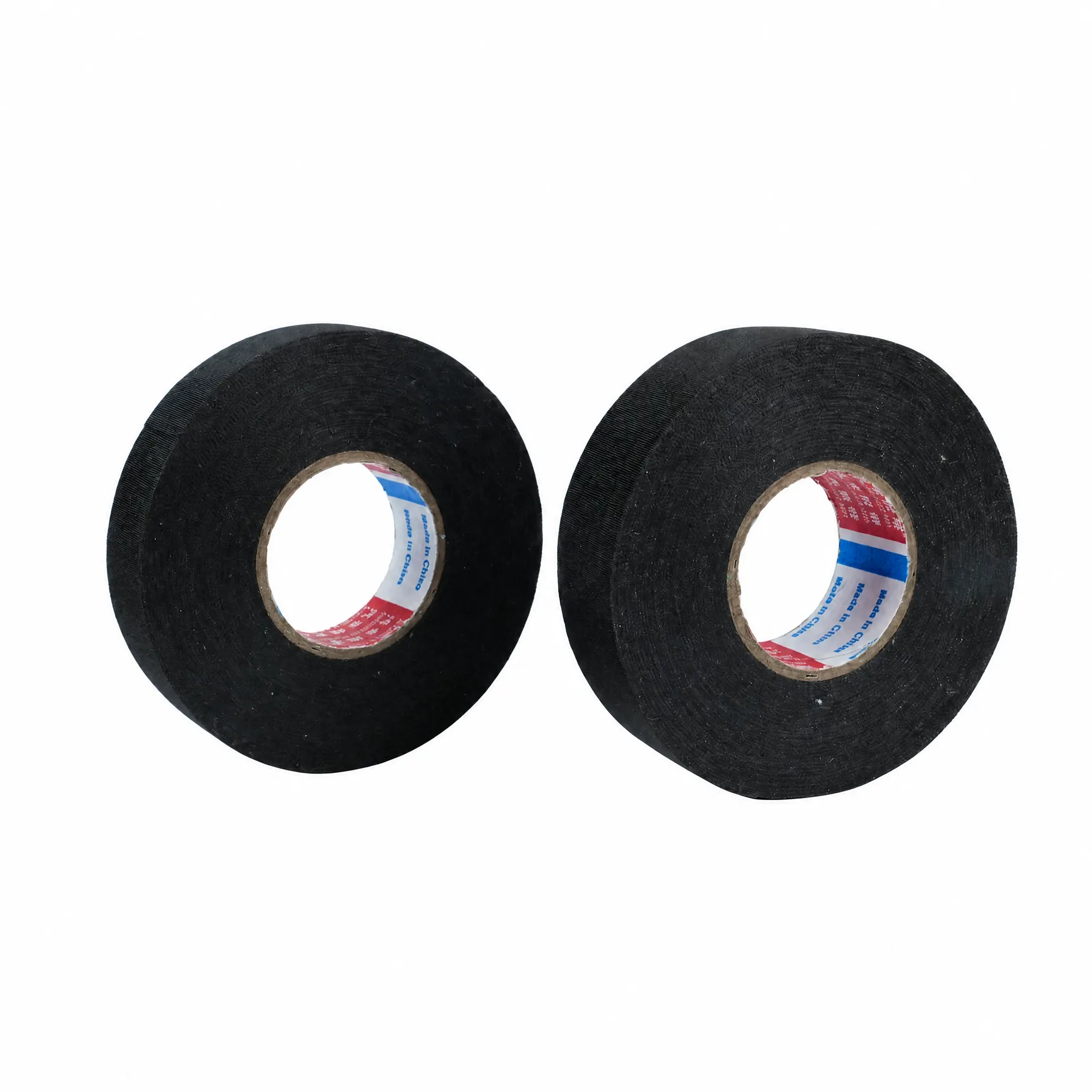
PET Non-woven Tape R1005: a PET non-woven construction for automotive cockpit wire harness bundling. Its listed features include Class C noise damping, hand tearability, and a stated operating range of −40 to 105°C. Product information also identifies low odor and low VOC requirements, oil resistance, aging resistance, and ROHS 2.0 compliance.
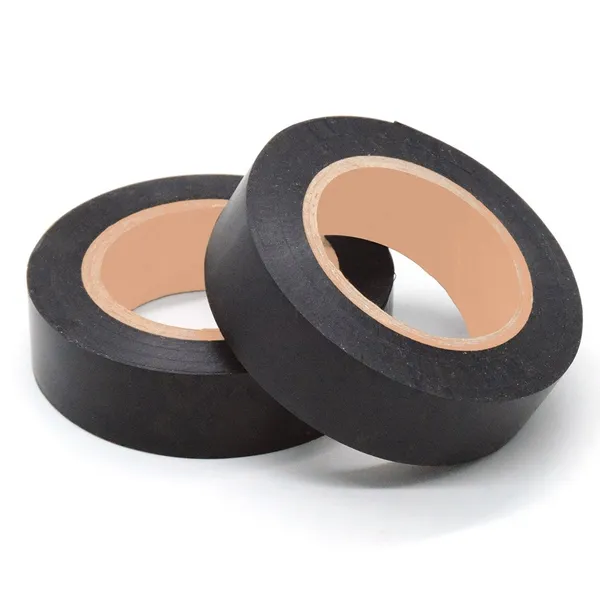
PVC Tape P105Z: PVC tape for automotive wire harness work, suitable for manual and machine wrapping. The listing states Class B flame retardancy, a −40 to 105°C range, 6.41 kV insulation, and ROHS and REACH information, together with chemical-solvent resistance and hand tearability.
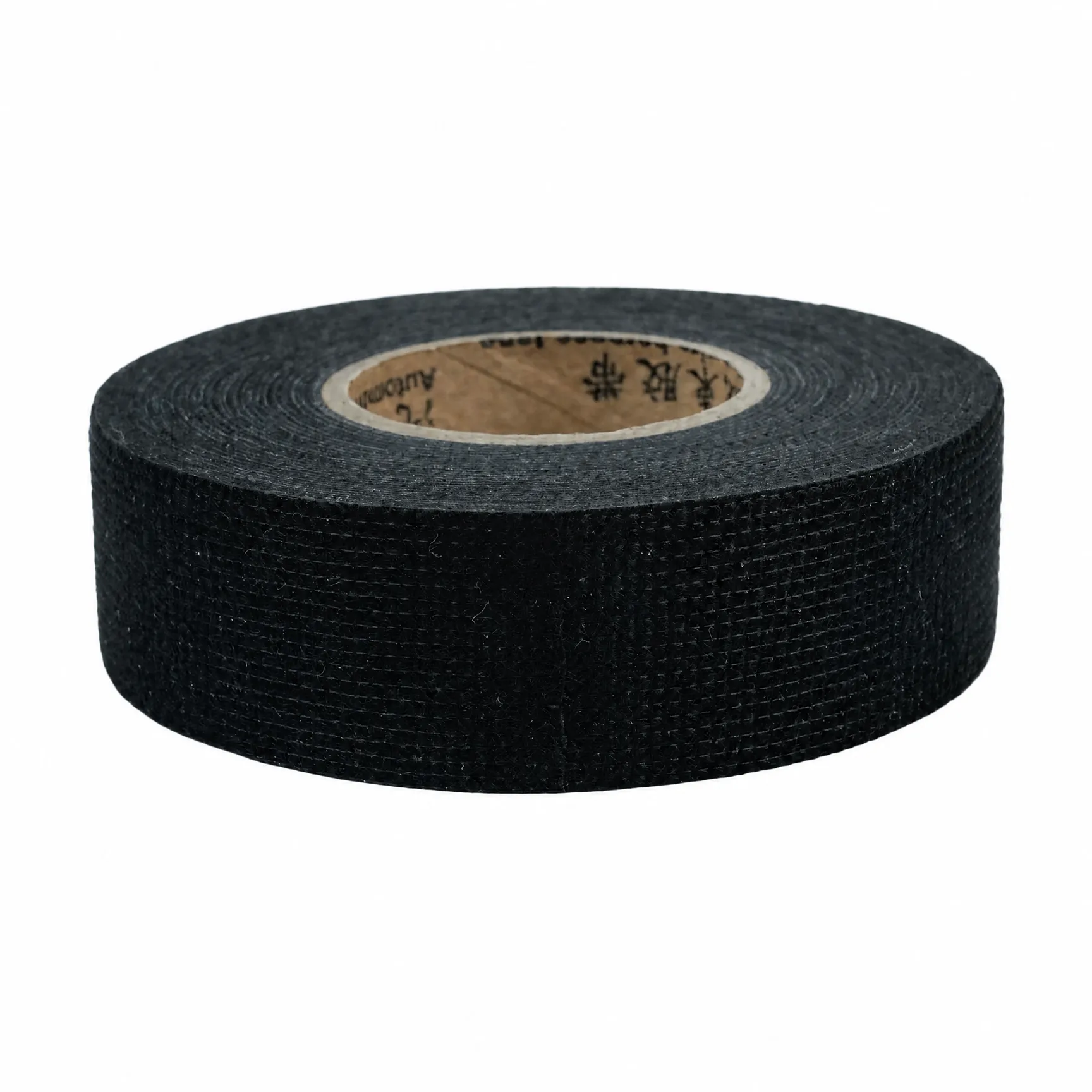
Acetate Cloth Tape C8020: polyester acetate cloth with synthetic rubber pressure-sensitive adhesive. The listing identifies 90 N/cm tensile strength, a −40 to 100°C range, and ROHS 2.0 and REACH information; it also notes low odor and low VOC requirements.
These details are product-specific, so they should be confirmed against the relevant product specification before use. A Tape selected for wire harness bundling may emphasize conformability and controlled hand tearing, while a Tape used around coils may prioritize tensile strength, heat resistance, or insulation. The category therefore supports a graded selection process rather than a one-material-fits-all choice.
Where Tape Is Used
Tape is commonly considered in manufacturing workflows for bundling, insulation, surface protection, masking, sealing, and related assembly tasks. Within this category, the listed products are especially relevant to automotive wire harness production, cockpit harness management, motors, transformers, and coil wrapping. PET non-woven Tape can be considered when a cockpit harness calls for noise damping and a soft, conformable wrap. PVC Tape can be considered where insulation, manual handling, or machine wrapping are part of the documented process. Filament Tape is presented for transformer, motor, and coil-wrapping work where its listed glass-fiber construction is relevant. Acetate cloth Tape provides another material option for harness-related wrapping where its listed temperature range and adhesive system fit the requirement.
Many buyers assume that a wire-harness Tape is only a finishing layer. In practice, material selection can affect wrapping consistency, bundle appearance, service conditions, and downstream inspection. In a vehicle cockpit, for example, noise damping can be one decision factor; in an electrical assembly, insulation requirements can become the first screen. Where a harness crosses temperature zones, the intended operating range and flame-retardancy requirement should be evaluated for that particular location rather than carried over from another section of the assembly.
How to Choose the Right Tape
Start by defining the application. Is the Tape intended to bundle an automotive harness, wrap a coil, provide electrical insulation, or control contact noise? Next, identify the substrate and application method: the product listing distinguishes hand-tearable options and states that PVC Tape is suitable for manual and machine wrapping. Then compare the operating conditions that matter to the installation, such as temperature range, chemical exposure, vibration, odor or VOC expectations, and any flame-retardancy or electrical requirement documented by the project.
A practical decision path is to use the application to narrow the category. For cockpit wire harness bundling with stated noise-damping needs, review PET non-woven Tape R1005. For automotive harness wrapping where the stated insulation and process characteristics are relevant, review PVC Tape P105Z. For motors, transformers, or coil wrapping, begin with the stated filament-tape use cases. For cloth-backed wrapping requirements, compare the acetate cloth Tape information. This is guidance for comparison, not a substitute for validating the specific specification, installation method, and target-market requirements.
It is also useful to agree acceptance criteria before a larger purchase. Engineering may need to confirm performance requirements, quality teams may need to verify documentation, and purchasing may need a consistent description of the selected construction. Tape selection often involves these different functions, particularly in automotive harness programs. Keeping the requested material, dimensions, application zone, and required properties in one inquiry reduces the chance that a suitable Tape is evaluated against the wrong condition.
Supporting Custom Cable Looms and Assembly Requirements
For projects involving custom cable looms, Tape can be part of the overall harness-management approach. It can help organize a bundle, support an intended routing process, or provide the wrapping treatment specified for a particular section. The product category should not be read as a claim that every Tape is appropriate for every loom design. Instead, buyers can specify whether the need concerns bundling, insulation, noise control, or coil wrapping and then compare the listed constructions accordingly.
The category also includes material and appearance considerations that may arise in specialized purchasing language, including searches for white shrink wrap tape or red wire loom. Those terms are included here as supporting search language, not as a promise that the listed products provide a particular color, shrink-wrap function, or loom configuration. When color coding, shrink behavior, or a custom loom design is required, provide the application details for confirmation before selection.
Why This Tape Category Matters for Industrial Buyers
A well-defined Tape category makes comparison more efficient because it groups several real product constructions without erasing their differences. Buyers can begin with the available product facts, then align Tape selection with the actual assembly environment. This is particularly useful for organizations serving automotive wire harness, appliance wire harness, photovoltaic wire harness, energy-storage wire harness, and hardware or electronics wholesale applications across international markets. Requirements can vary by application and target market, so any compliance or performance review should remain tied to the individual product and project.
Use this Tape category as a structured starting point: identify the operation, select the relevant material type, review the stated product characteristics, and verify the requirements that apply to the finished assembly. That process keeps Tape decisions practical, supports clearer communication across teams, and avoids overextending a product feature beyond the conditions for which it is listed.

 KO
KO