EN
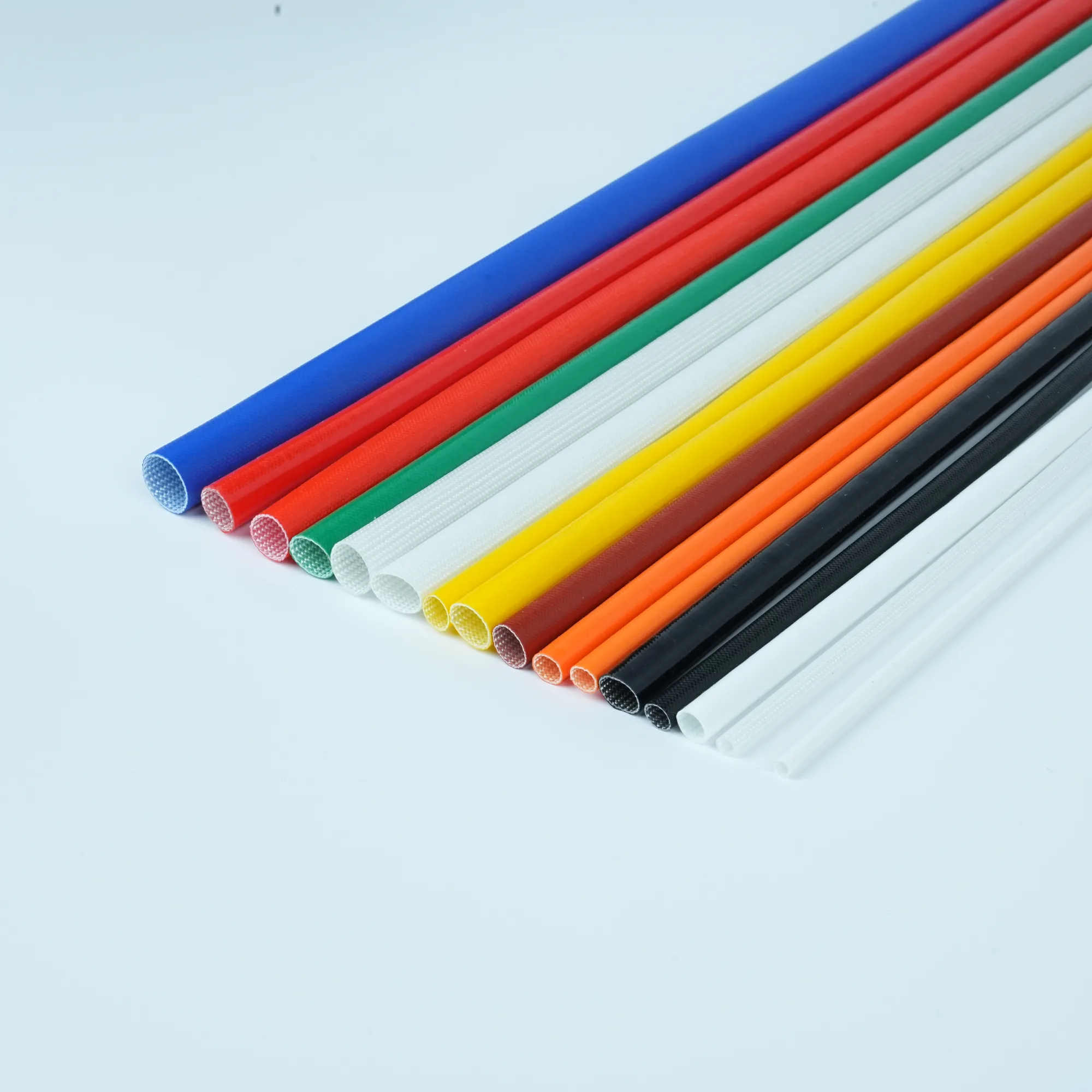
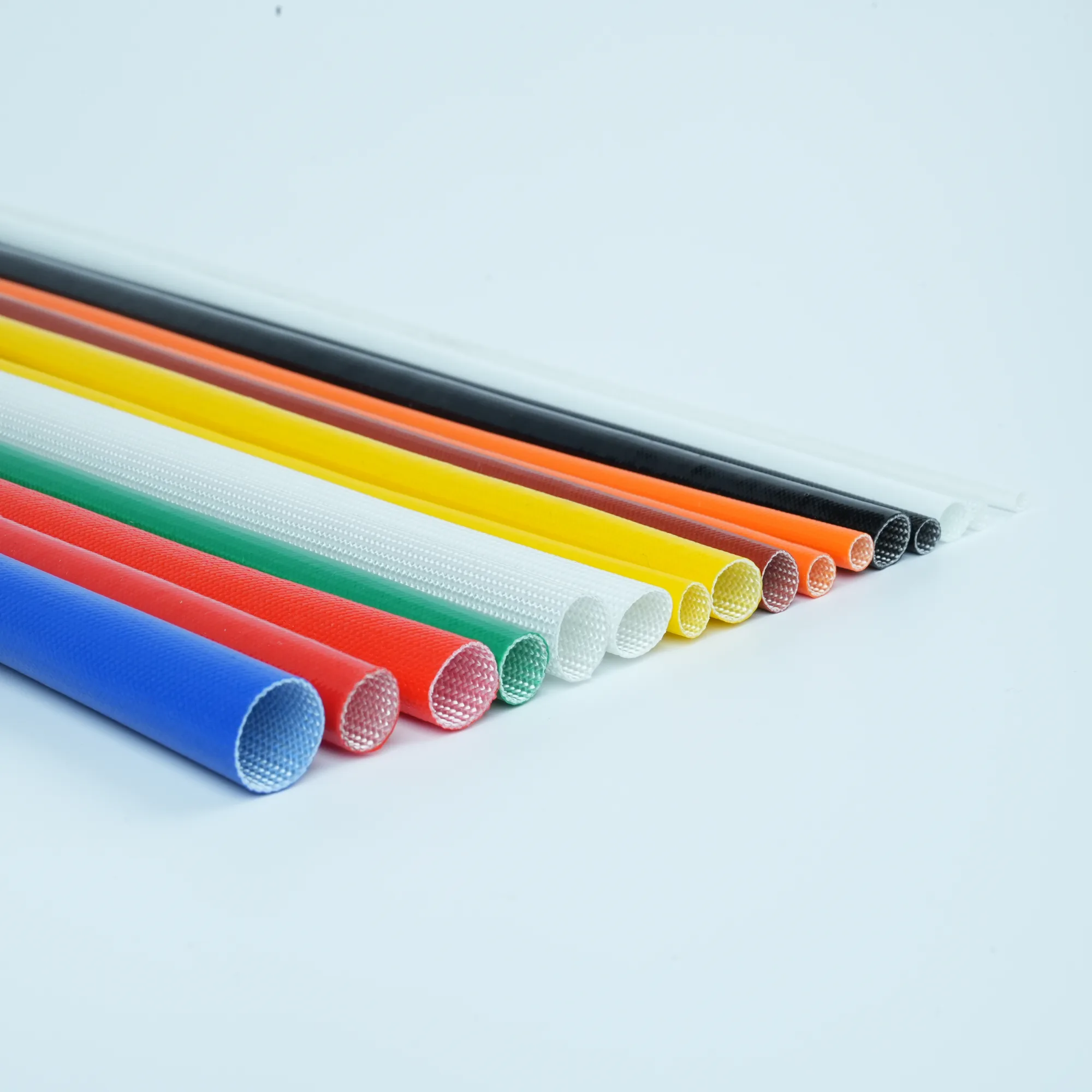
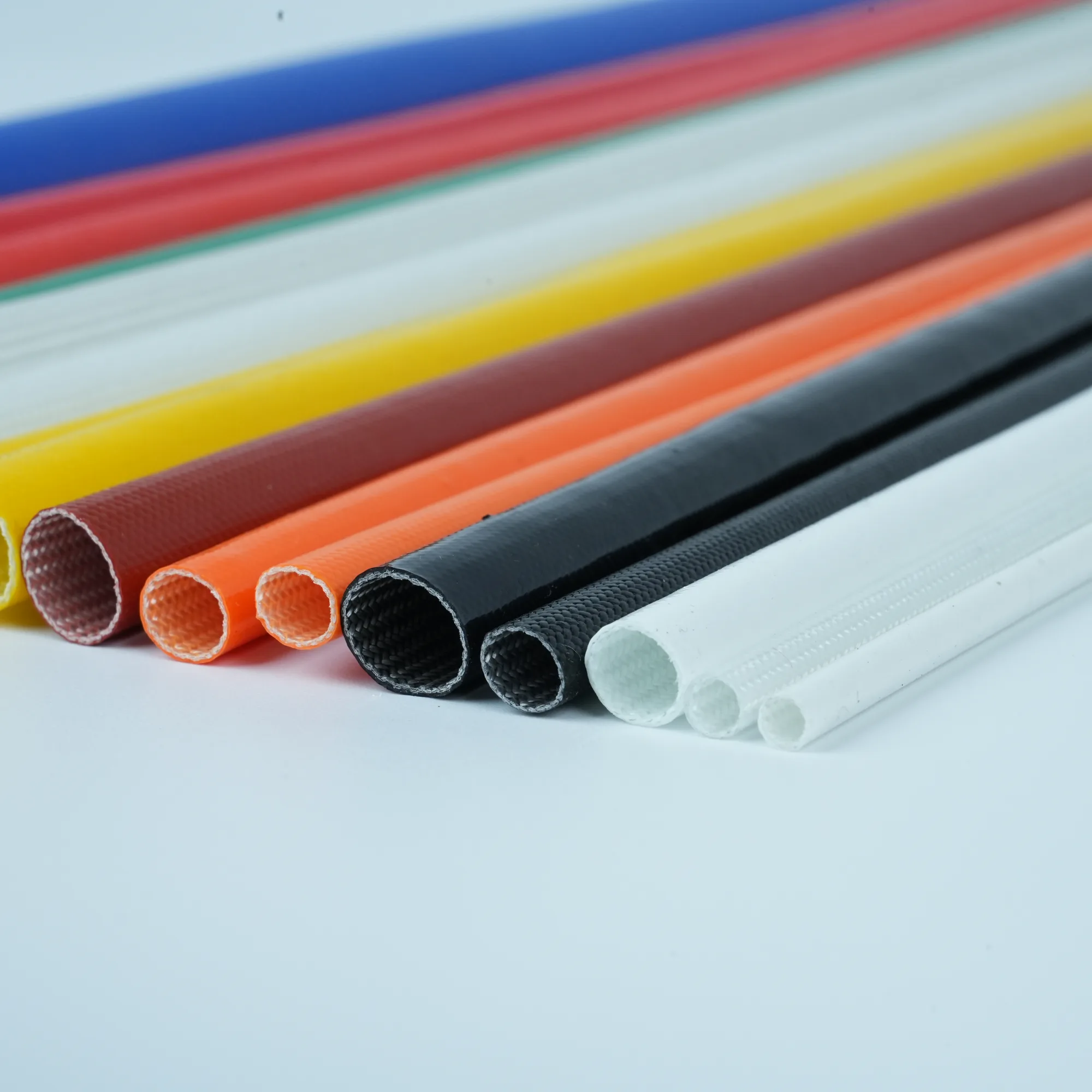
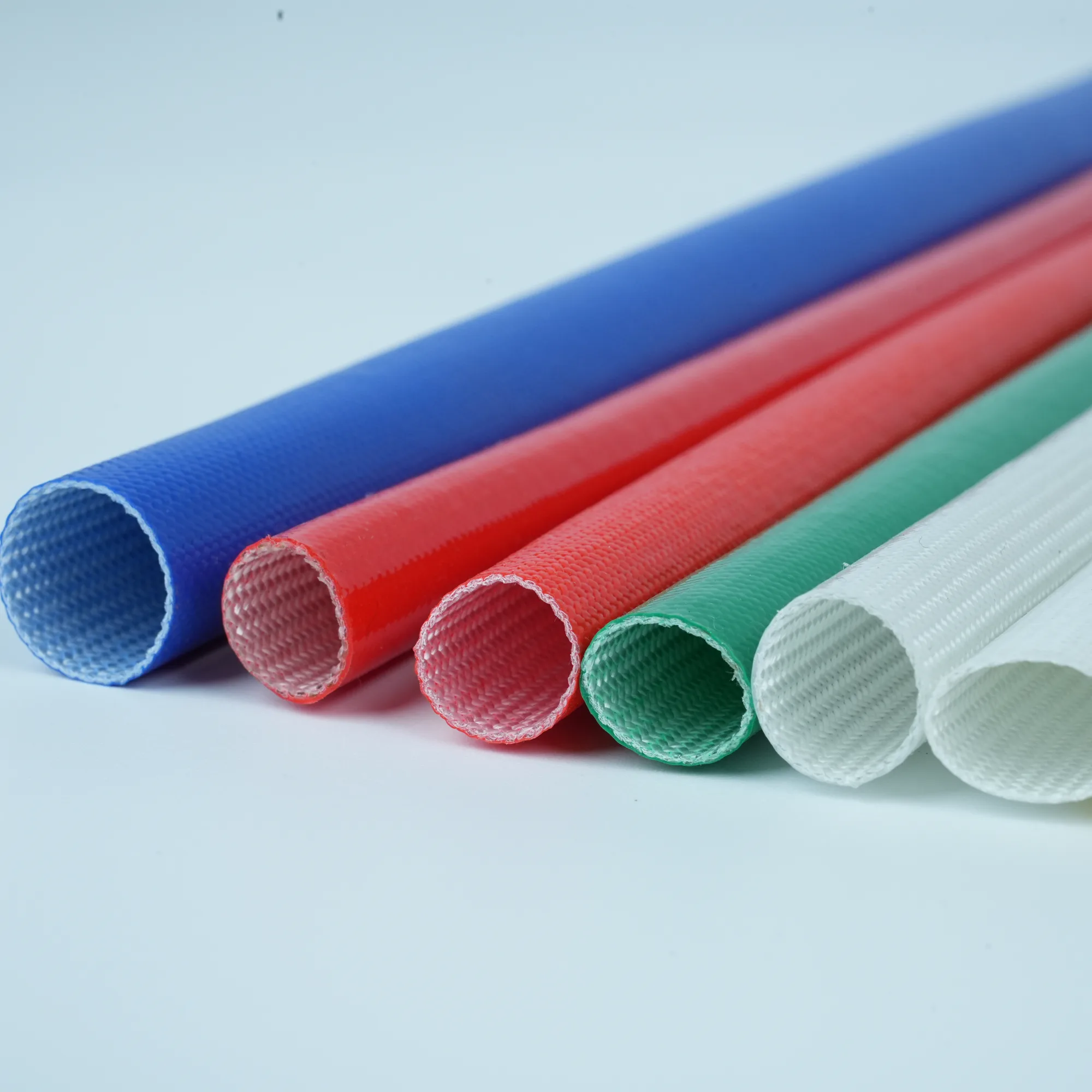
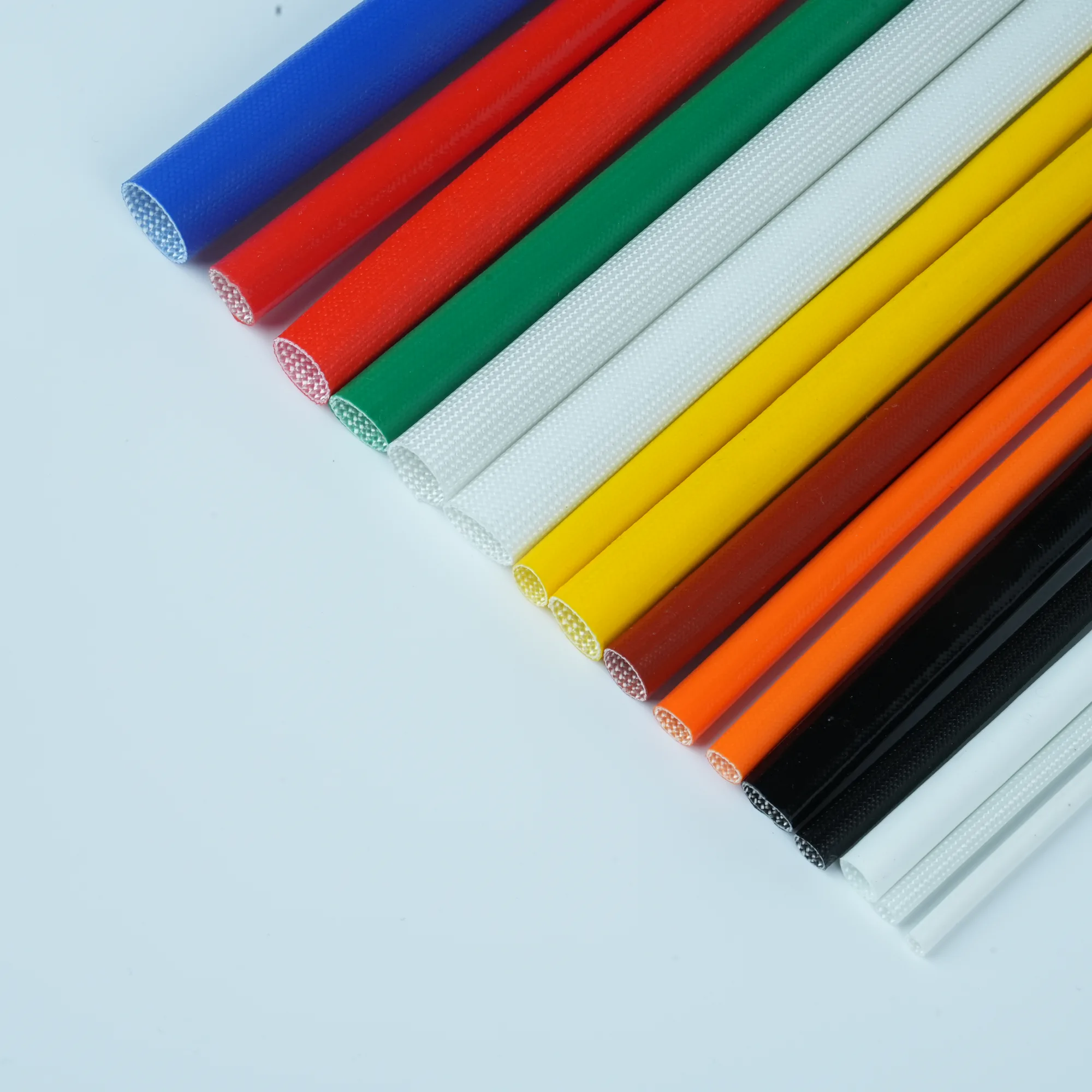
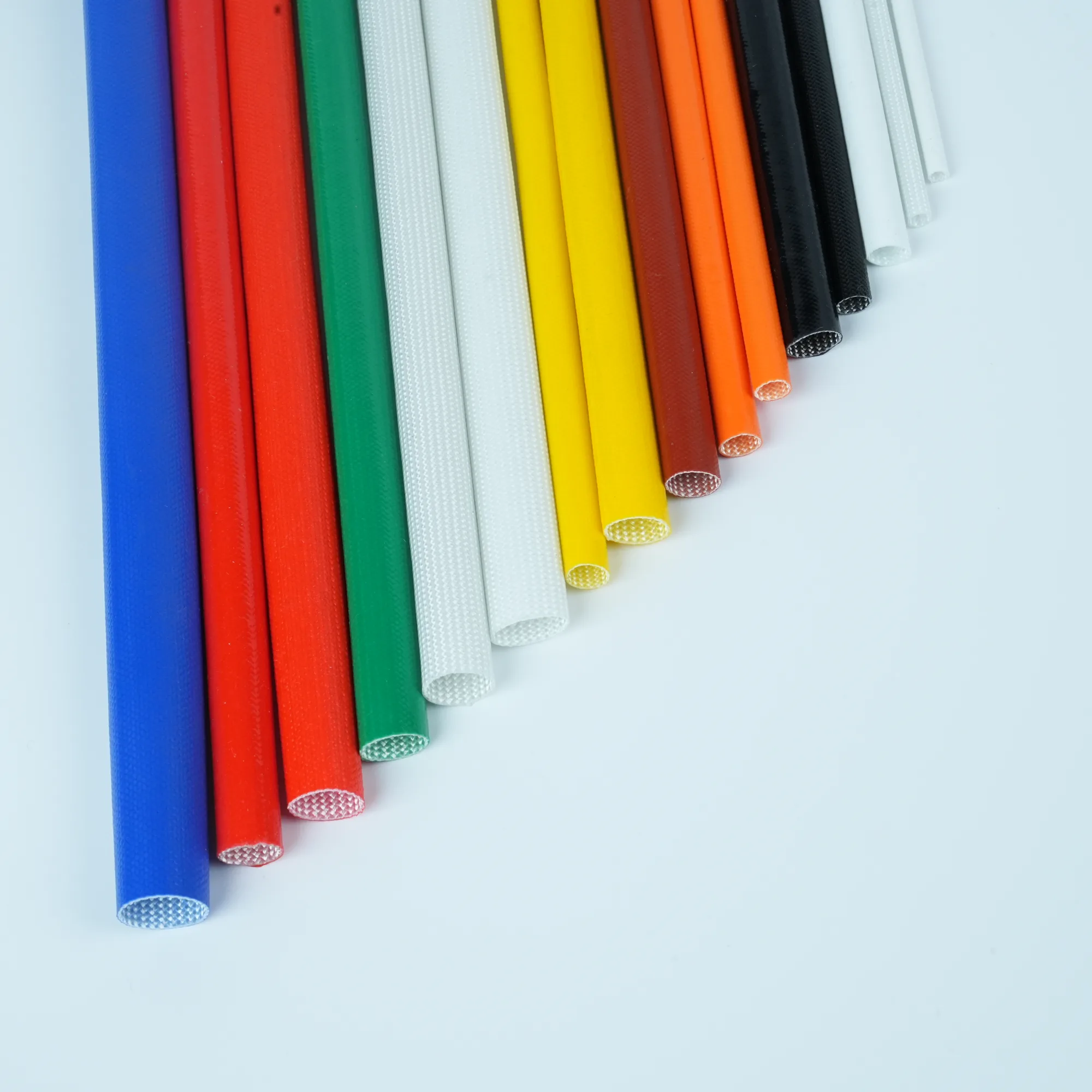
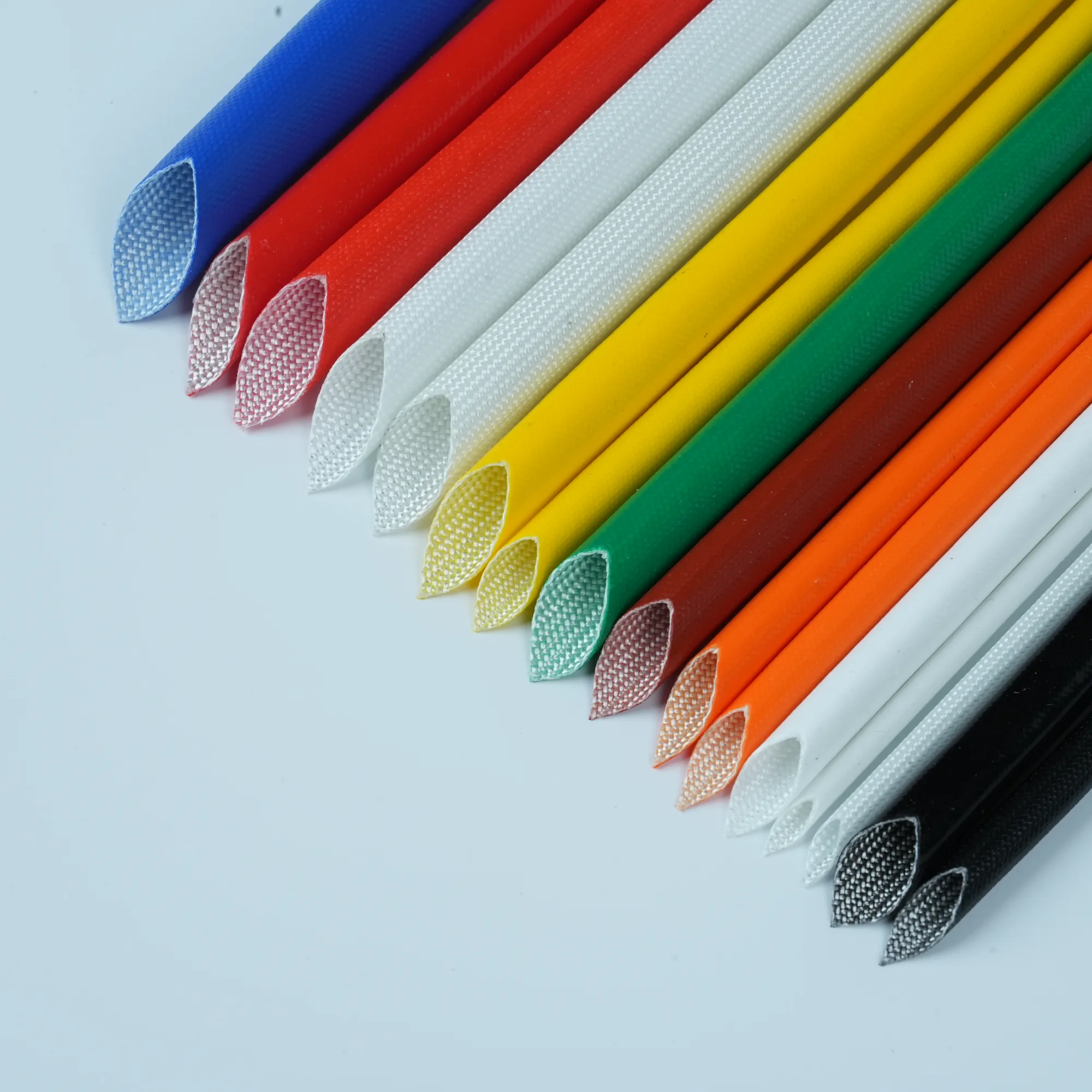
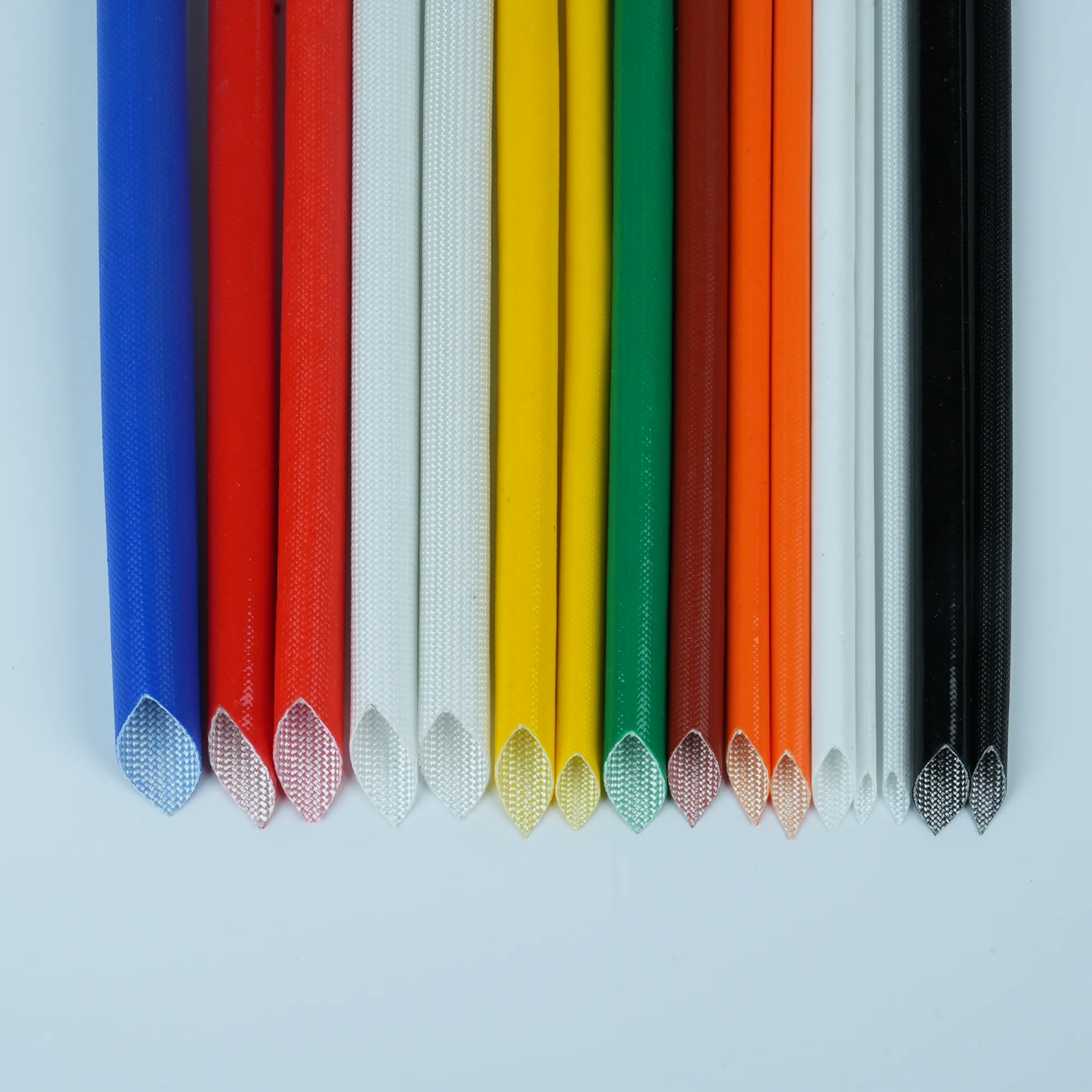
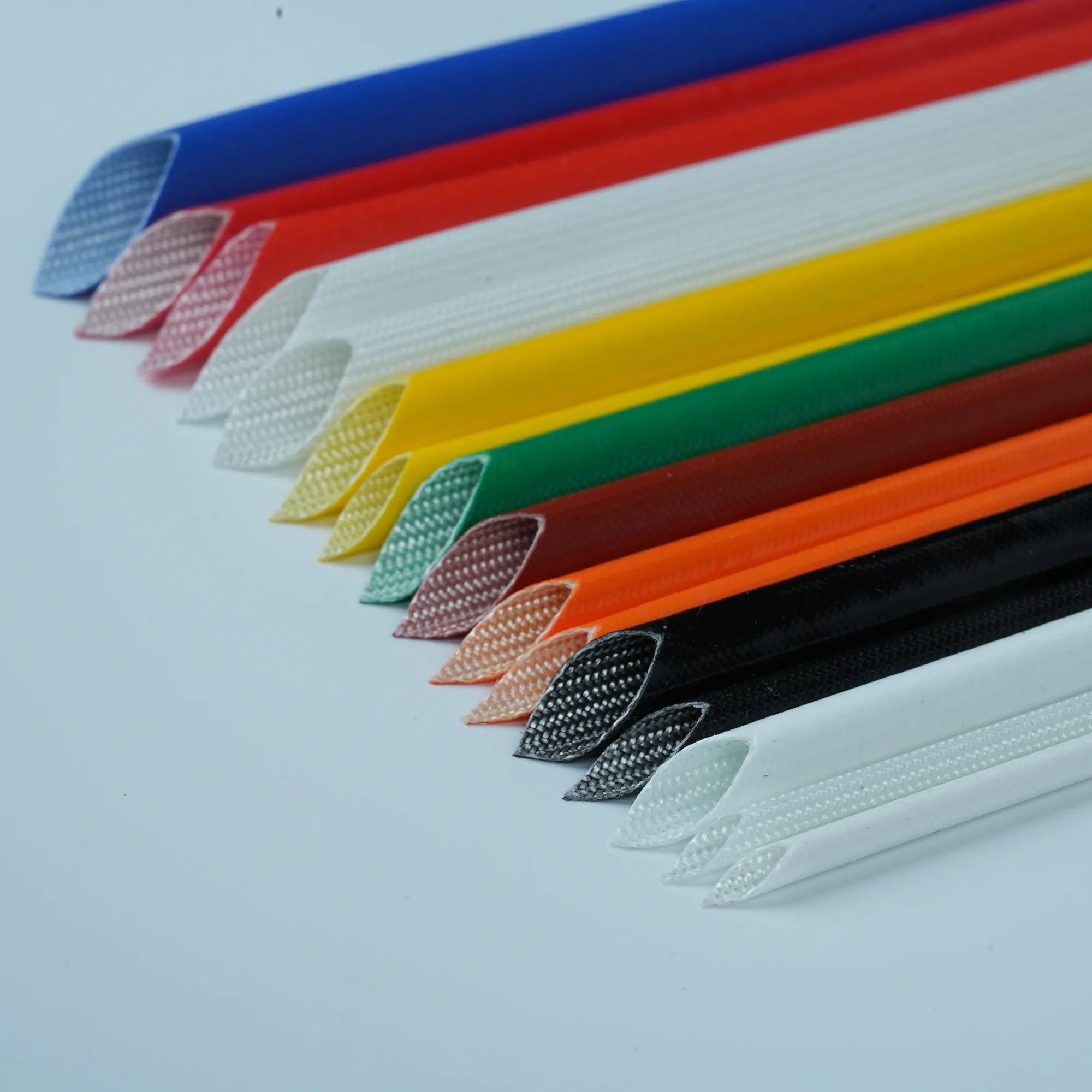
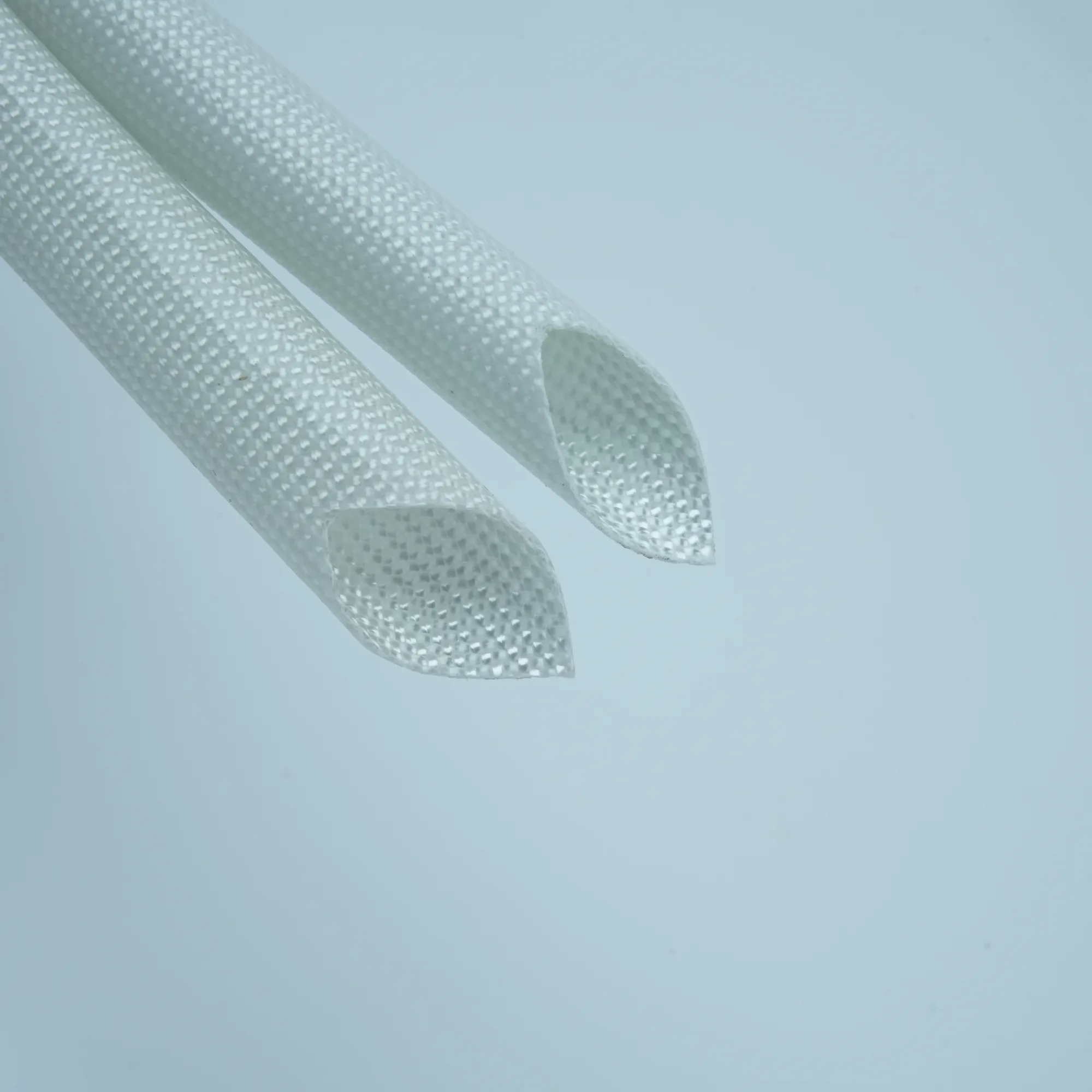
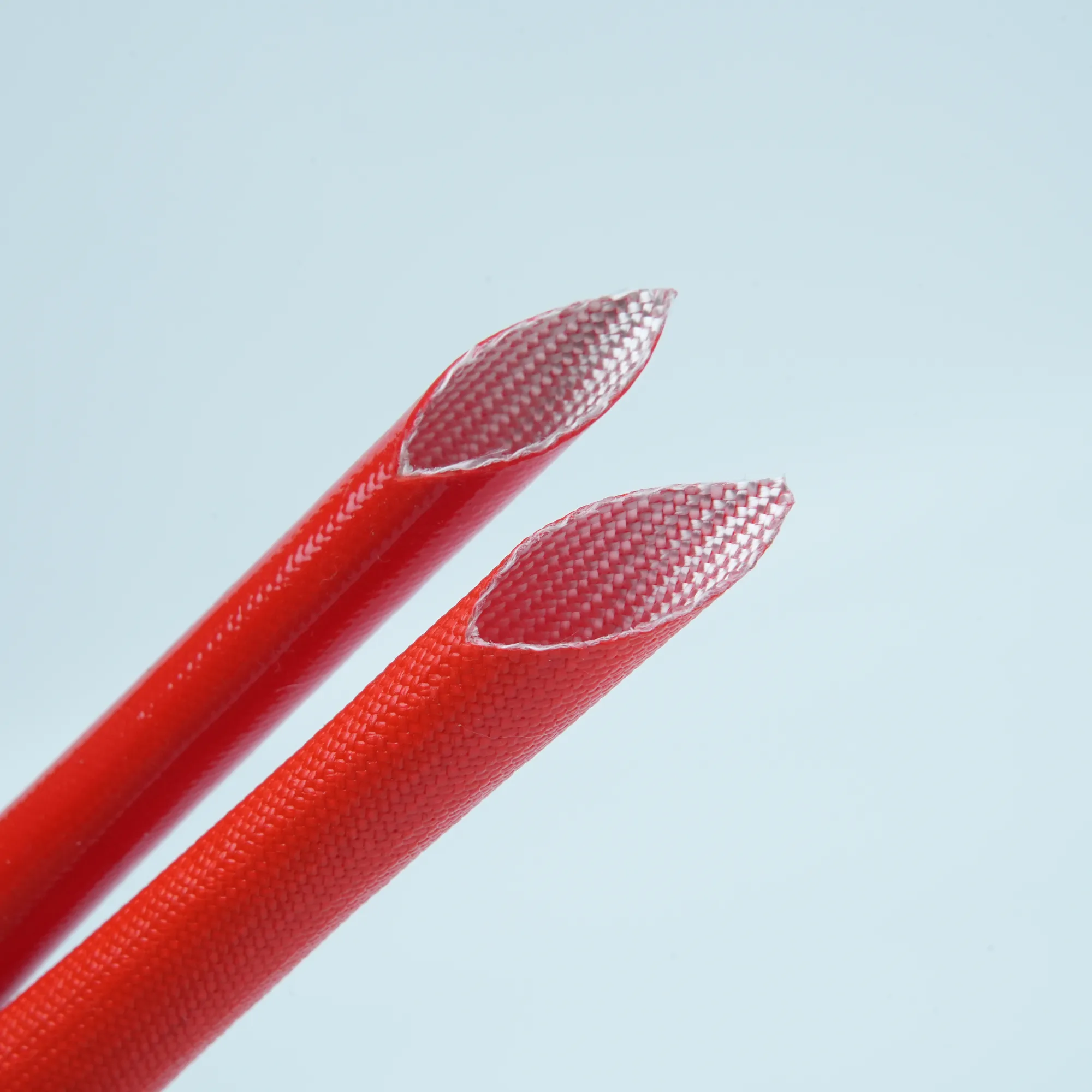
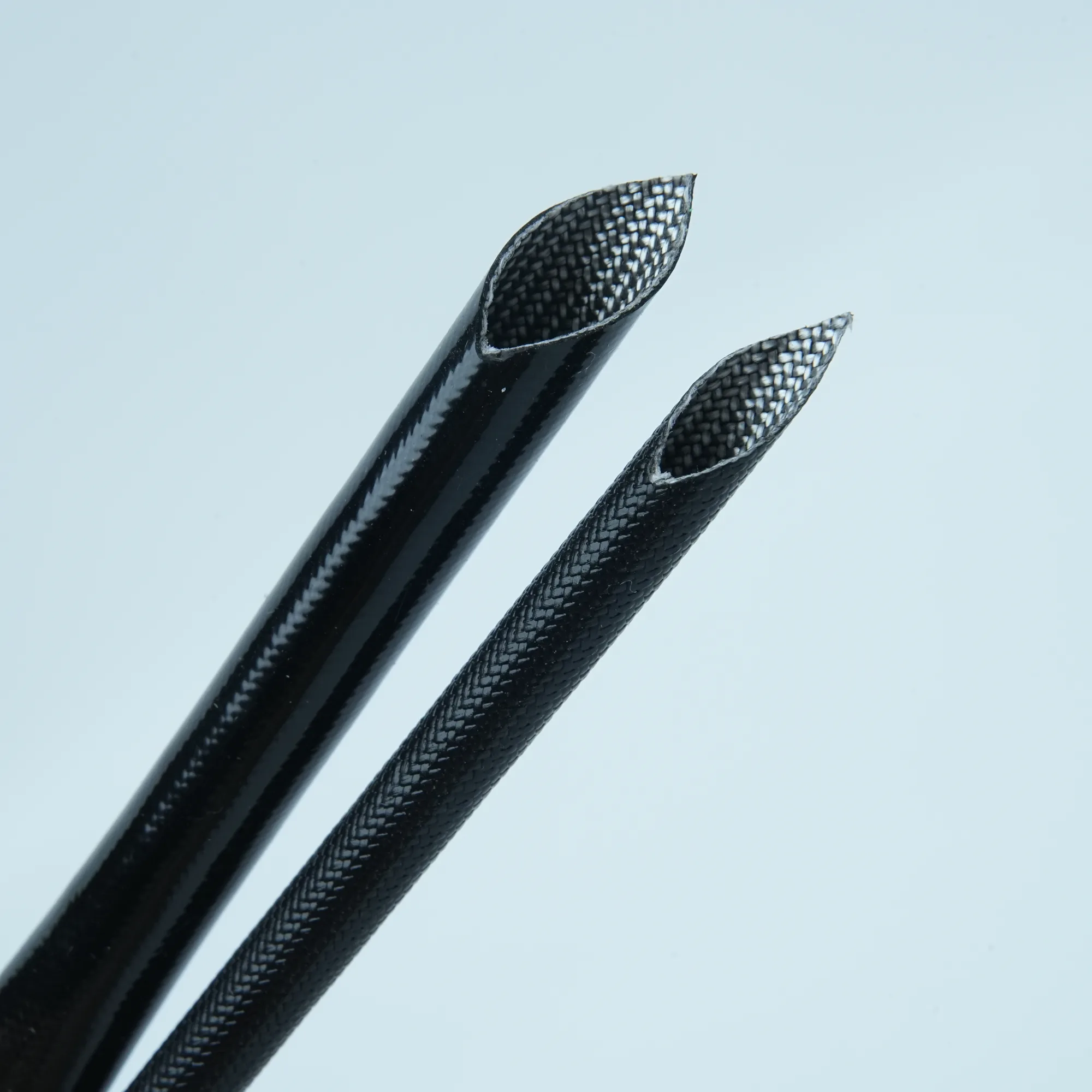
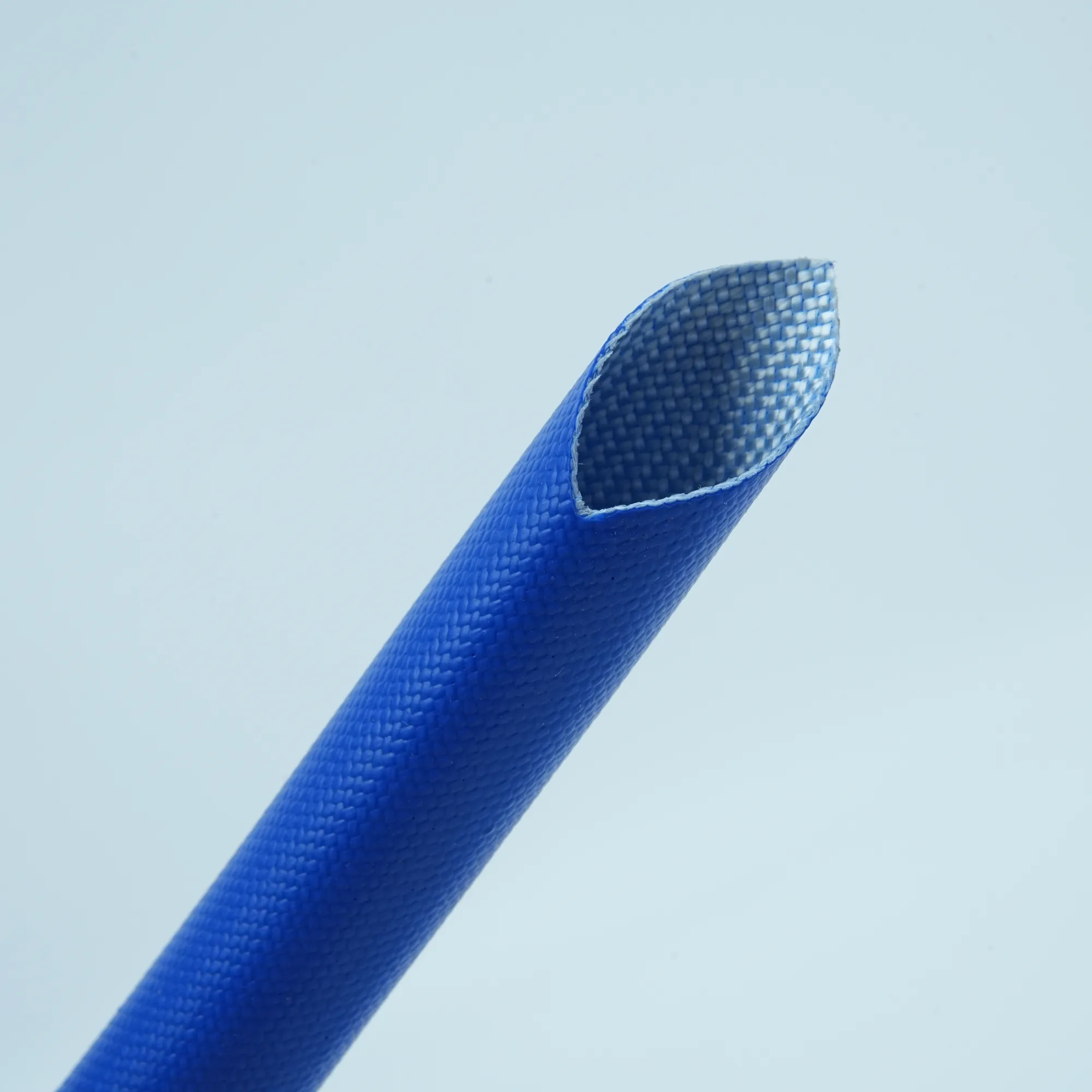
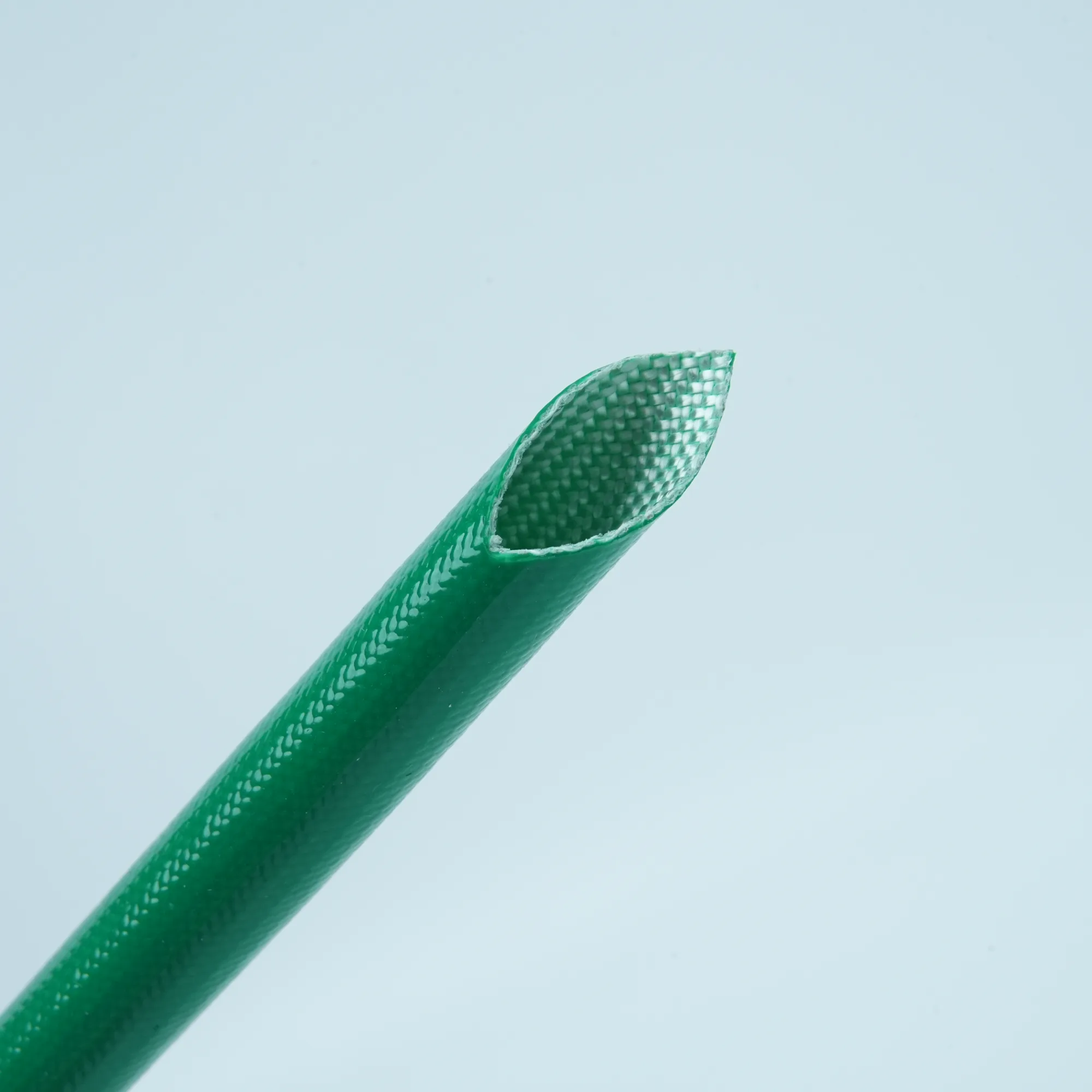
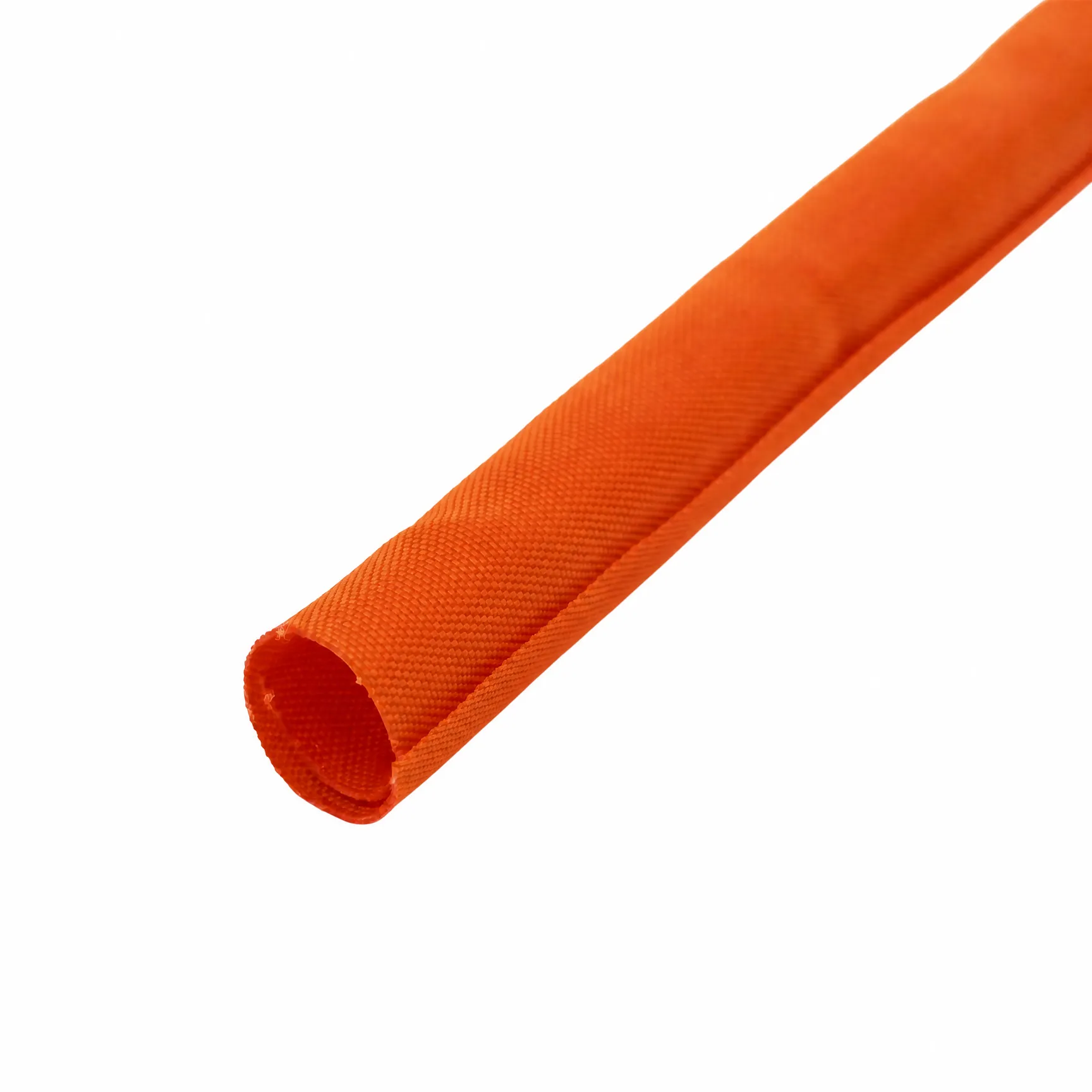
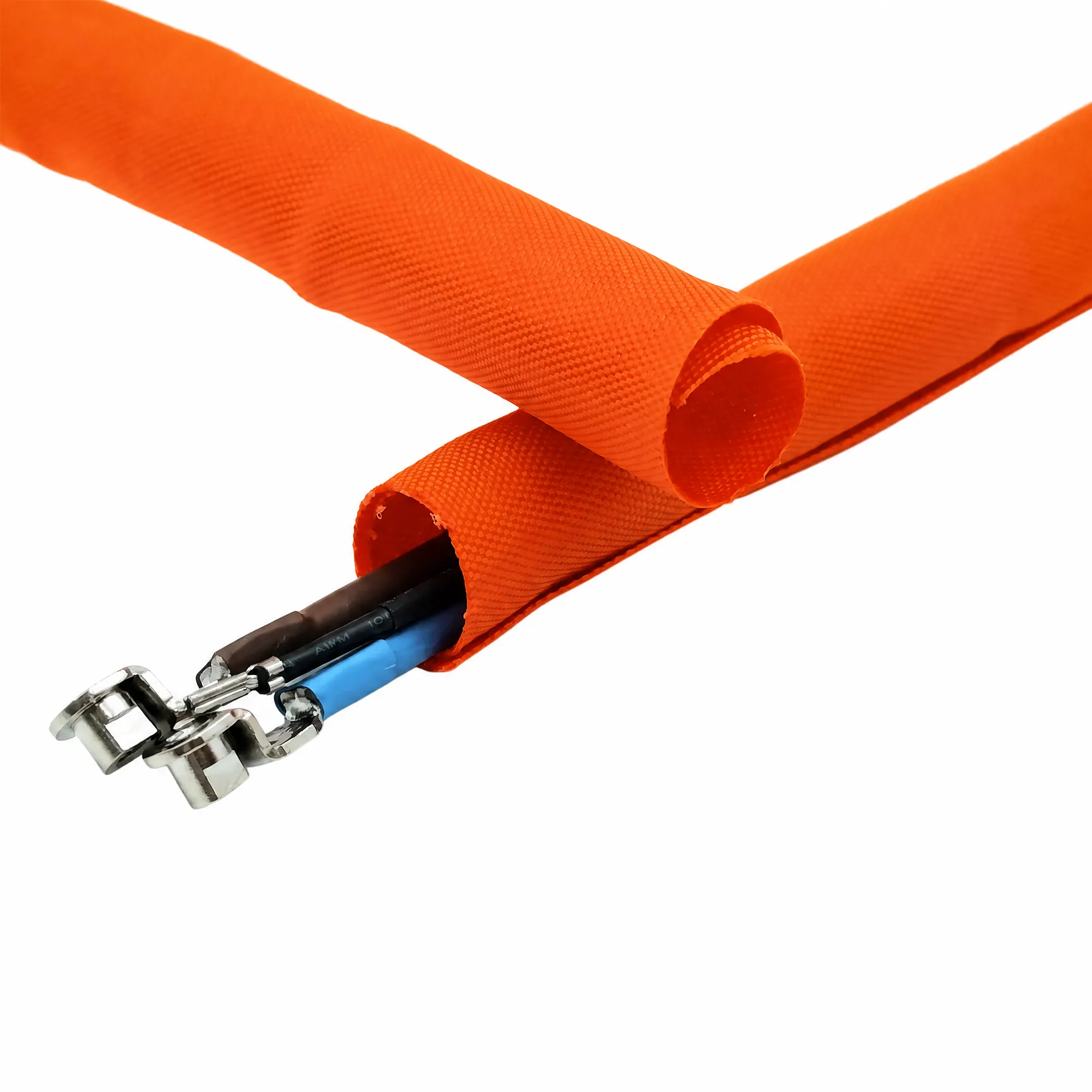
Silicone glass fiber sleeve is woven by alkali-free glsss fiber, coated with silicon resin and treated at high temperature. It has good dielectric, self-extinguishing performance and flexibility and is widely in insulation protection for H&N level motor, household appliance, Electric heating equipment, special lighting, television and internal wirecluster of electronic equipment.
Silicone Glass Fiber Sleeving is woven from alkali-free glass fiber and coated with silicone resin through a high-temperature treatment process. This sleeving is engineered for environments where standard protective materials lose insulation integrity, degrade under heat, or distort in humid conditions. For buyers evaluating wire and cable protection in demanding service environments, Silicone Glass Fiber Sleeving delivers a well-documented combination of thermal resistance, electrical insulation, and mechanical flexibility in one product.
The continuous operating temperature range for Silicone Glass Fiber Sleeving is -10°C to +200°C. Thermal aging is validated at 200°C ±2°C for 168 hours, maintaining at least half the original breakdown voltage after the aging cycle. This confirms long-term service capability rather than a single-point peak rating. Thermal aging at 260°C for 6 hours is also part of the standard test profile.
Cold bending performance is verified with no cracking under low-temperature conditions, which is relevant for installation in cold manufacturing facilities or winter service environments. Hydrolytic stability is confirmed as non-tacky, with no distortion or softening, making Silicone Glass Fiber Sleeving suitable for cabinet environments subject to humidity variation and condensation cycles.
A common misconception is that selecting a larger outer diameter automatically improves protection effectiveness. For Silicone Glass Fiber Sleeving, wall thickness and material quality are the primary performance variables — not outer diameter. Precise wall thickness specifications range from approximately 0.25 mm for 1.0 mm inner diameter up to 0.65 mm and beyond for larger sizes, each calibrated to the rated voltage class.
Silicone Glass Fiber Sleeving meets UL VW-1 flame resistance across all standard models, tested to UL1441 and UL224 standards. Horizontal combustion and VW-1 test performance exceeds 30 seconds. Volume resistivity is rated at 10¹² Ω·cm. For engineering teams that require documentation of electrical material compliance, test records are available for all four standard models.
Four voltage classes are available, each tied to a specific wall construction:
This range allows a single product family to serve standard low-voltage applications through demanding high-voltage scenarios. Buyers sourcing for automotive electrical systems, power generation equipment, or industrial control panels can select the appropriate voltage class without switching to a separate material category.
Automotive and Transportation: Engine compartments and transmission areas expose wire harnesses to combined heat, vibration, and tight routing constraints. Silicone Glass Fiber Sleeving addresses all three simultaneously. The cold bending specification supports installation in low-temperature factory conditions without brittleness risk, while the UL VW-1 rating meets standard automotive fire safety requirements.
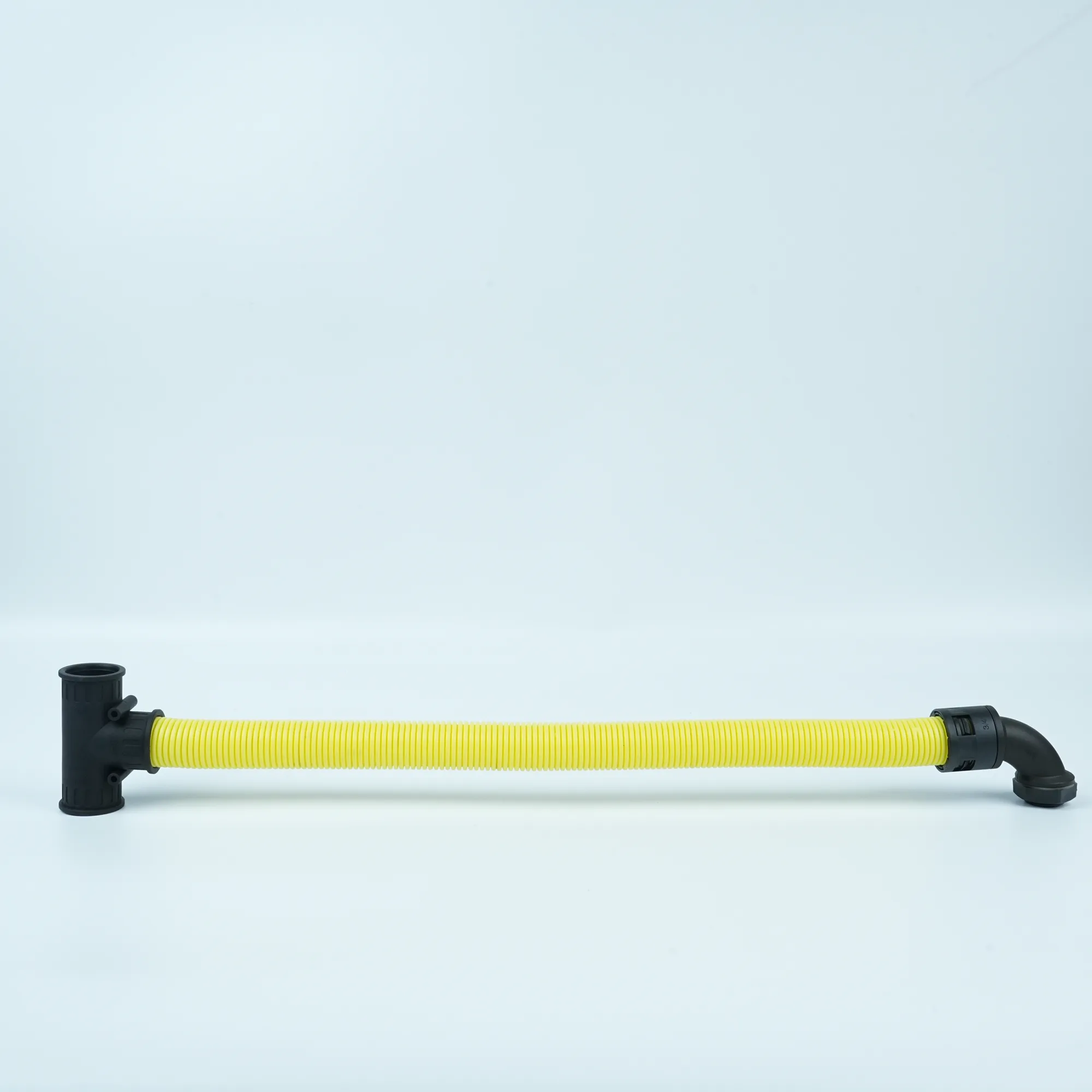
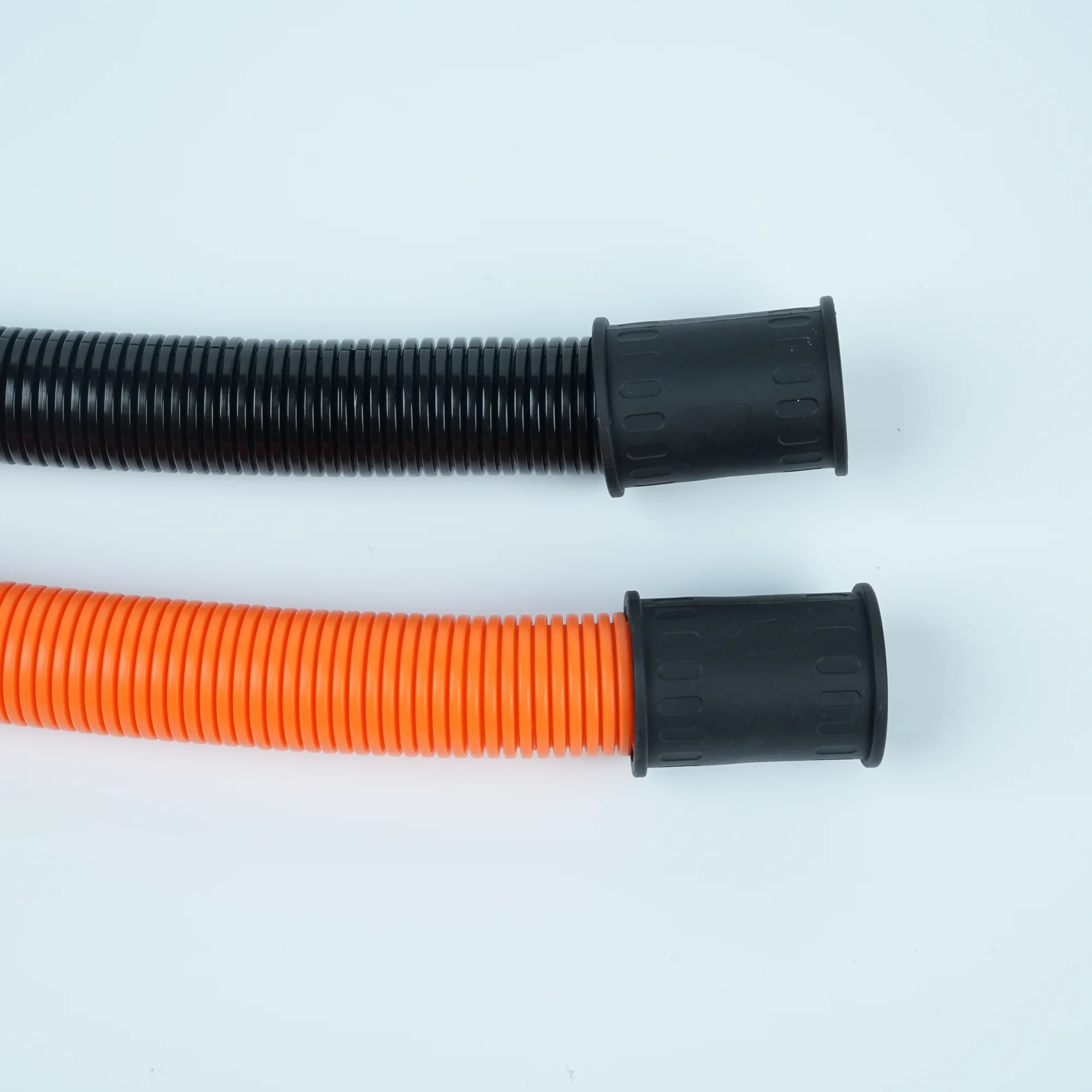
Industrial Equipment and Power Generation: In industrial furnaces, chemical processing lines, and power generation facilities, cable runs near heat sources require insulation that maintains breakdown voltage through extended operating cycles. Unlike corrugated flexible conduit used primarily for mechanical routing, Silicone Glass Fiber Sleeving provides direct conductor-level insulation. This distinction is important when both thermal protection and electrical performance are required in the same installation zone.
Electrical Enclosures and Telecommunications: For wiring inside electrical cabinets and control panels, Silicone Glass Fiber Sleeving supports organized routing and stable insulation through temperature cycling. The non-tacky hydrolytic stability of the silicone coating ensures clean fit and reliable separation between circuit zones even when internal humidity varies.
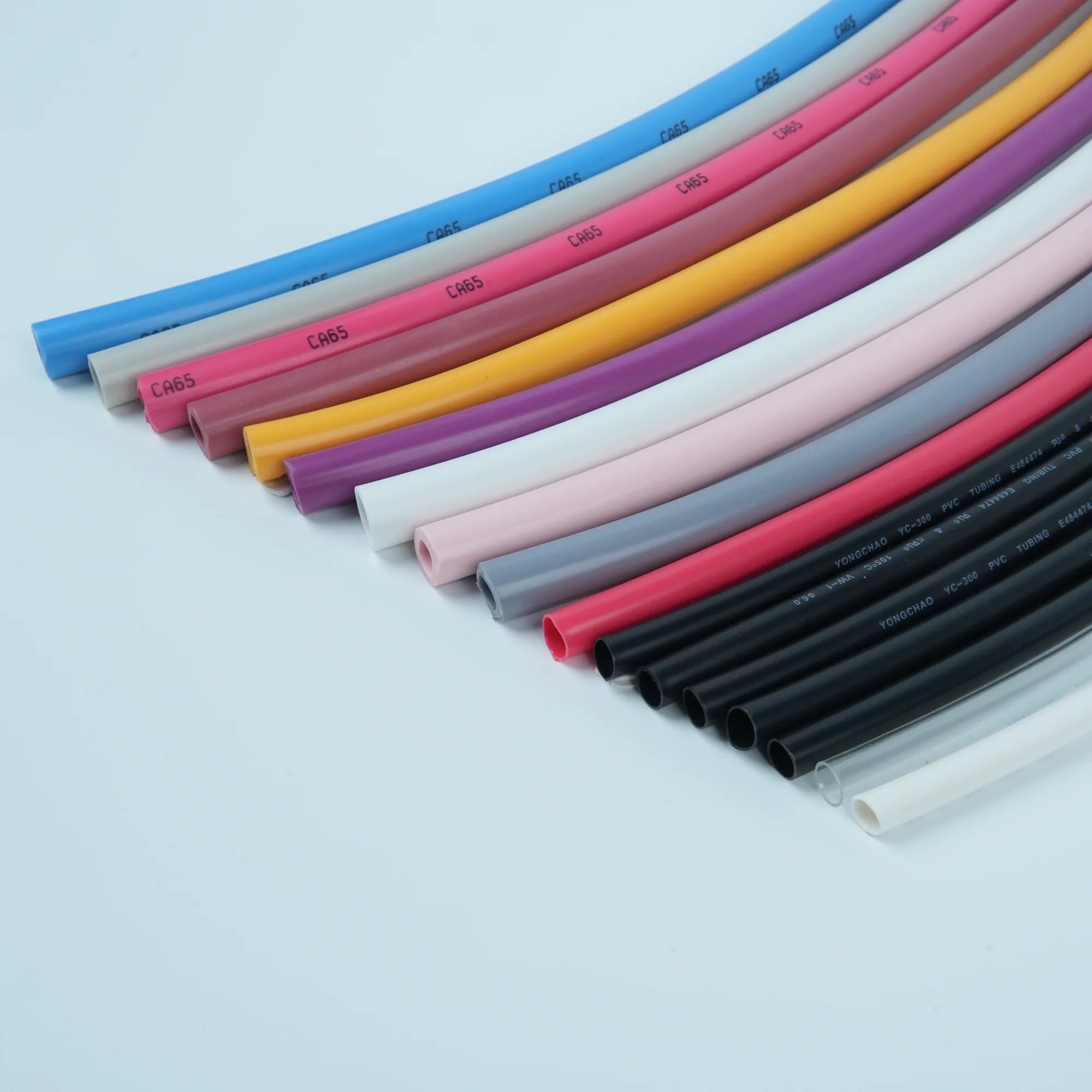
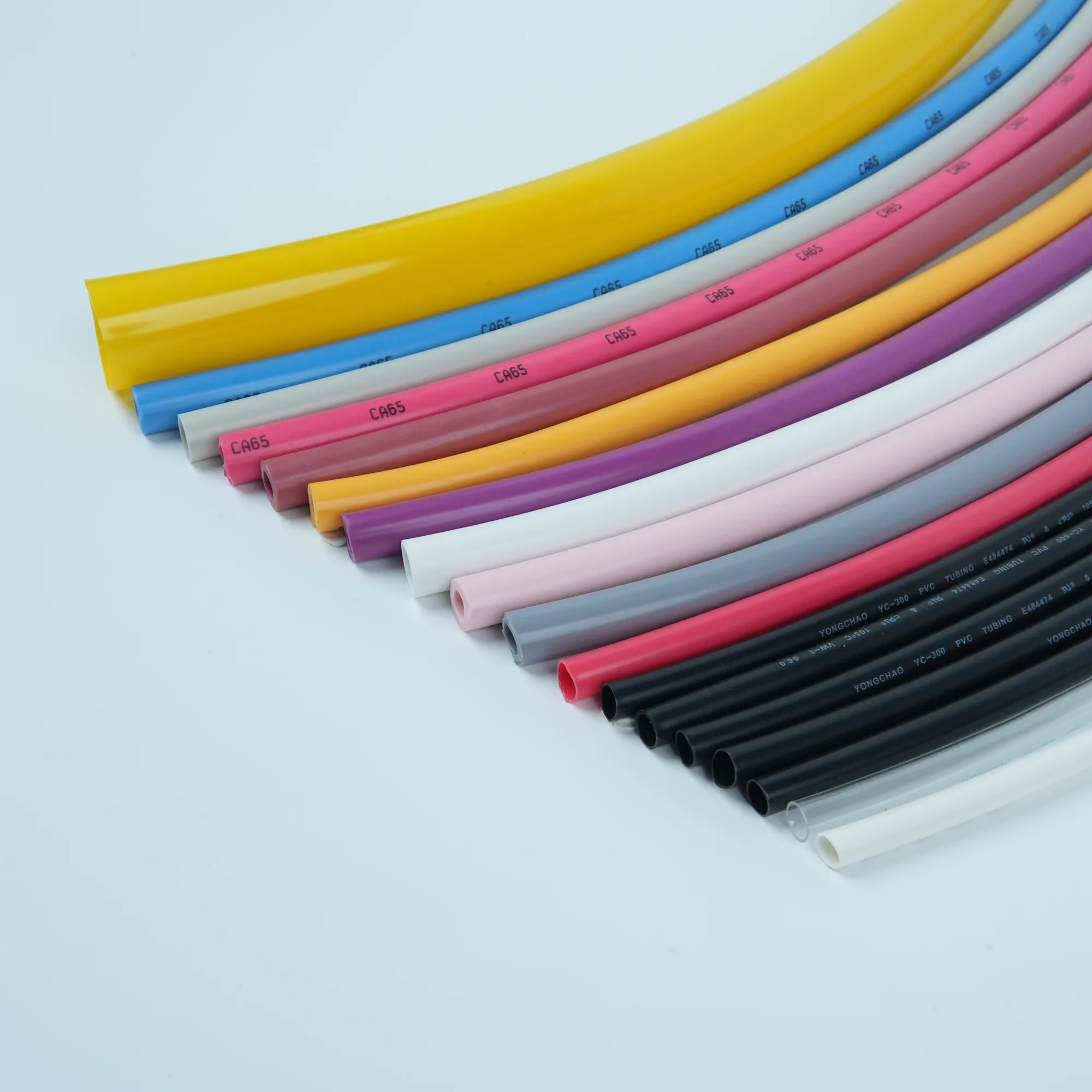
Silicone Glass Fiber Sleeving (model series YC-SRC) is available in fiber-inside silicone-outside and silicone-inside fiber-outside constructions. The fiber-inside silicone-outside configuration is the standard option suited to general industrial and electrical applications. The silicone-inside fiber-outside construction is available for the 7000V rating, providing a different surface configuration for applications with specific conductor contact requirements. Inner diameters range from 1.0 mm to 35.0 mm, covering fine conductors through larger cable bundles and hose applications. Packaging scales with diameter: 200 M/roll at 1.0 mm, 100 M/roll for 1.5–6.0 mm, and 50 M/roll for 7.0 mm and above. Standard color is white; custom colors and non-standard sizes are available on purchase order to support identification coding and OEM requirements.
Buyers comparing Silicone Glass Fiber Sleeving against rodent resistant braided sleeving, expandable tubing, or corrugated flexible conduit should confirm their primary protection requirement first. Rodent resistant braided sleeving addresses mechanical puncture resistance but does not provide thermal or electrical insulation at industrial levels. Expandable tubing is effective for bundling but typically lacks the specific voltage breakdown and thermal aging characteristics required for demanding electrical applications. Corrugated flexible conduit offers mechanical routing protection without functioning as a direct insulation layer on conductors.
When both thermal and electrical protection are required together, Silicone Glass Fiber Sleeving is the appropriate category. The voltage class structure of YC-15 through YC-70 allows targeted specification that matches installation requirements without overspecifying wall thickness or incurring unnecessary material cost. For buyers specifying this type of sleeving for the first time, confirming the voltage class and temperature exposure range as an initial step narrows the selection to the correct model without requiring evaluation of multiple separate product families.
Model |
Test Conditions |
Flame Resistance |
Temperature |
Breakdown Voltage Rating |
Average Voltage |
Individual Value |
YC-15 |
UL1441 / UL224 |
UL VW-1 |
-10℃~+200℃ |
C2 |
1500V |
1000V |
YC-25 |
UL1441 / UL224 |
UL VW-1 |
-10℃~+200℃ |
C1 |
2500V |
1800V |
YC-40 |
UL1441 / UL224 |
UL VW-1 |
-10℃~+200℃ |
B |
4000V |
3000V |
YC-70 |
UL1441 / UL224 |
UL VW-1 |
-10℃~+200℃ |
A |
7000V |
5000V |
Item |
Performance Indicators |
Continuous Operating Temperature Range |
-10℃~+200℃ |
Temperature Resistance |
200℃±2℃, 168h ≥ 1/2 original voltage breakdown |
Thermal Aging |
260℃, 6 hours |
Cold Bending |
No cracks |
Horizontal Combustion |
30 seconds |
Combustion (VW-1) |
30 seconds |
Volume Resistivity |
10¹² Ω·cm |
Hydrolytic Stability |
Non-tacky, no distortion, no softening |
Silicone glass fiber sleeve is woven by alkali-free glsss fiber, coated with silicon resin and treated at high temperature. It has good dielectric, self-extinguishing performance and flexibility and is widely in insulation protection for H&N level motor, household appliance, Electric heating equipment, special lighting, television and internal wirecluster of electronic equipment.

 KO
KO