EN
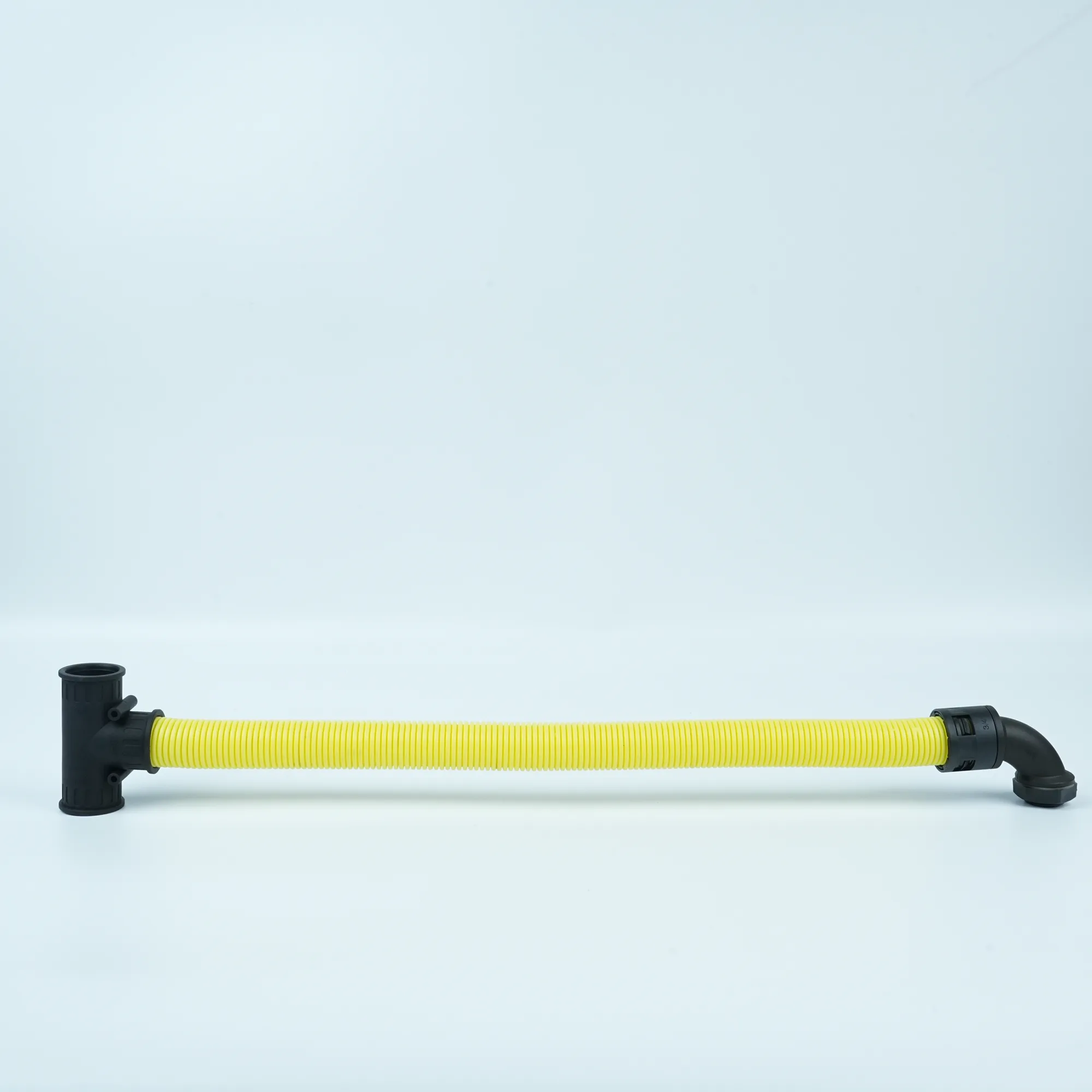
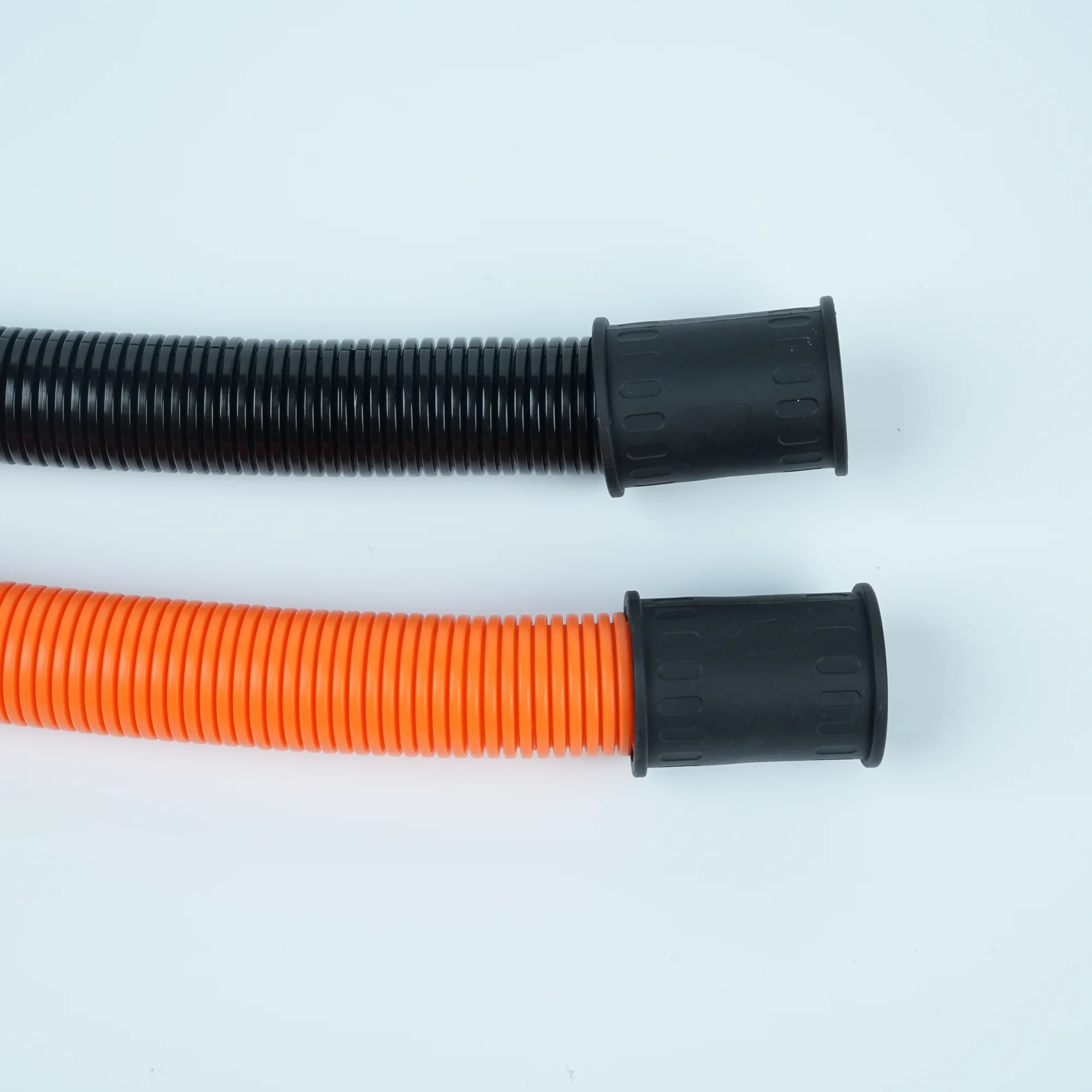
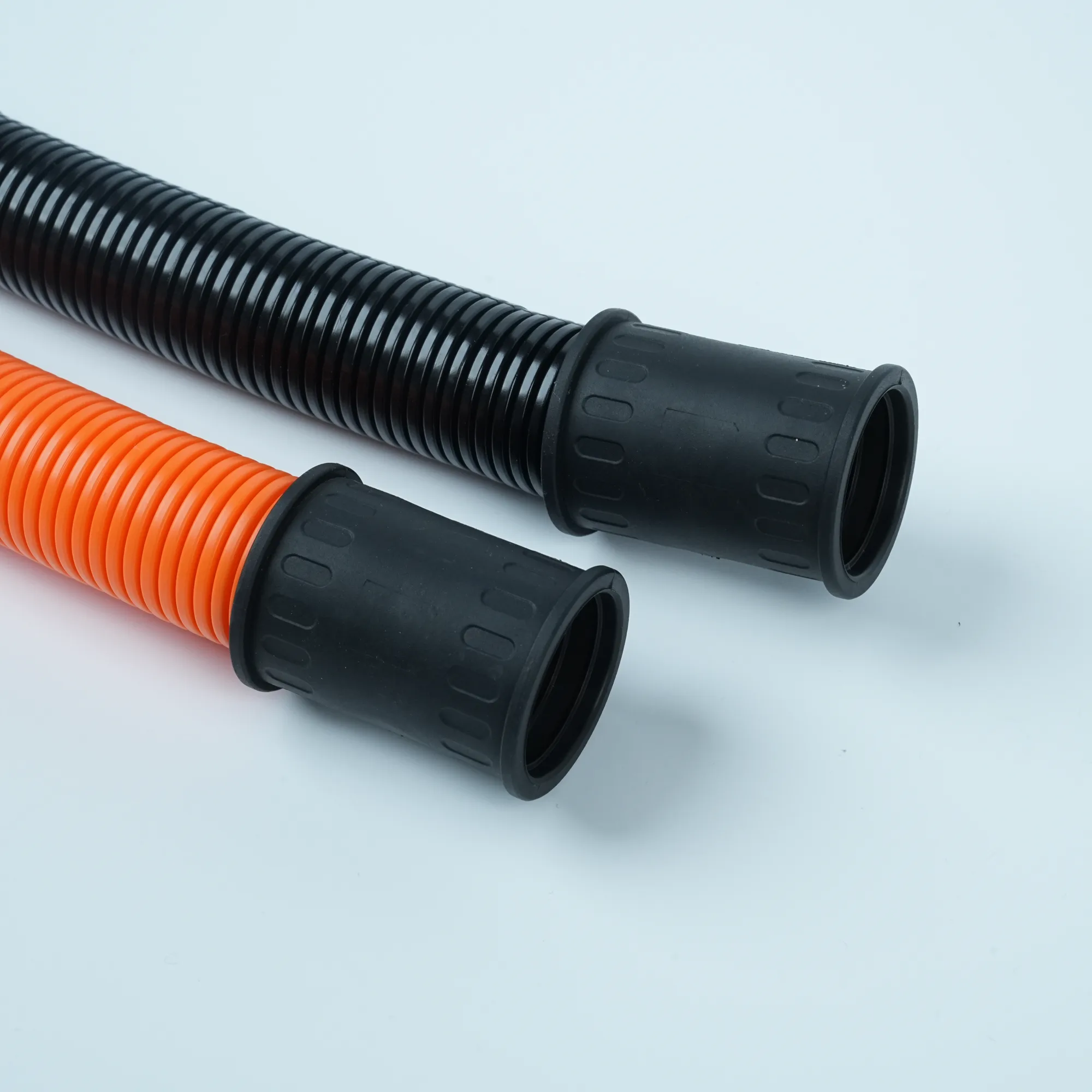
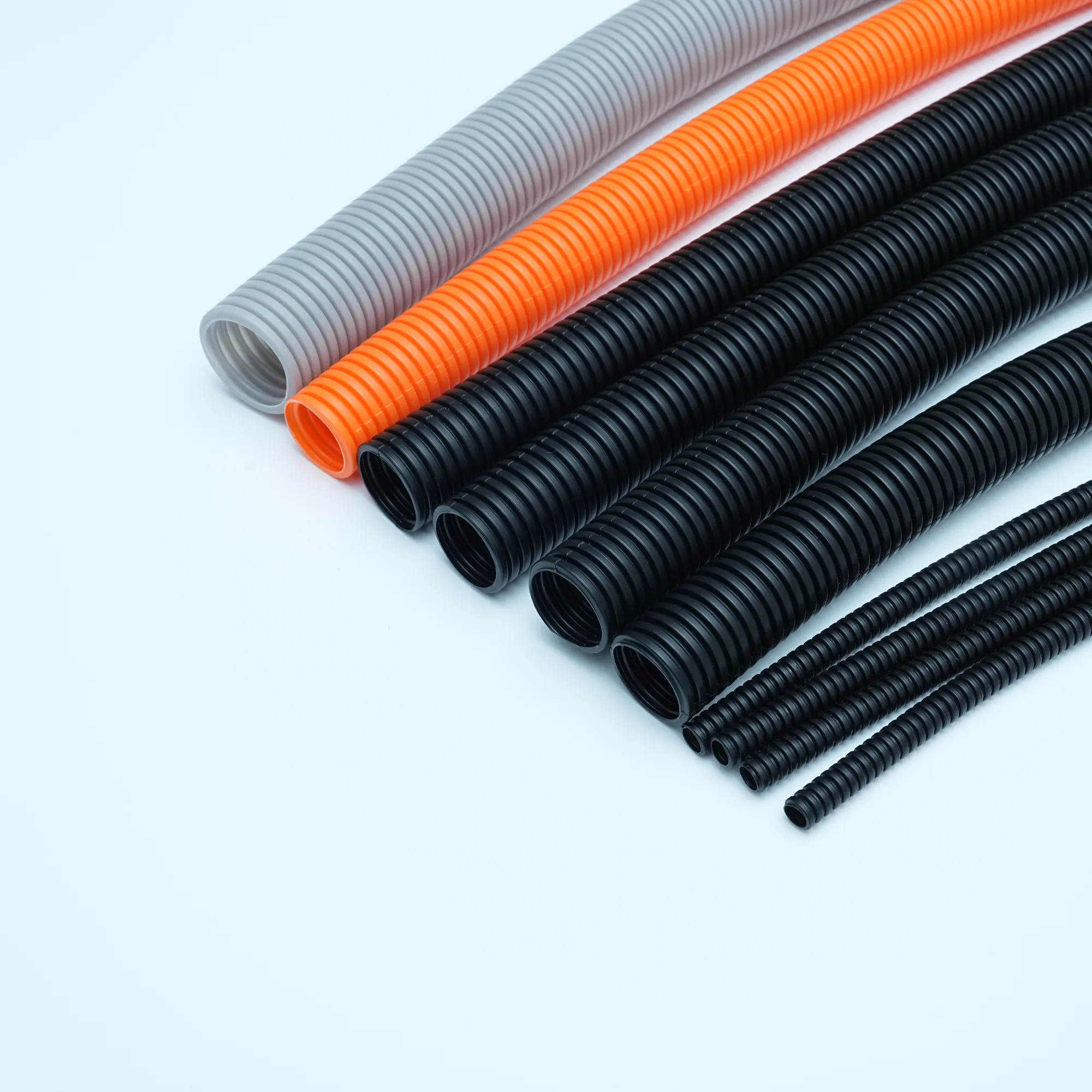
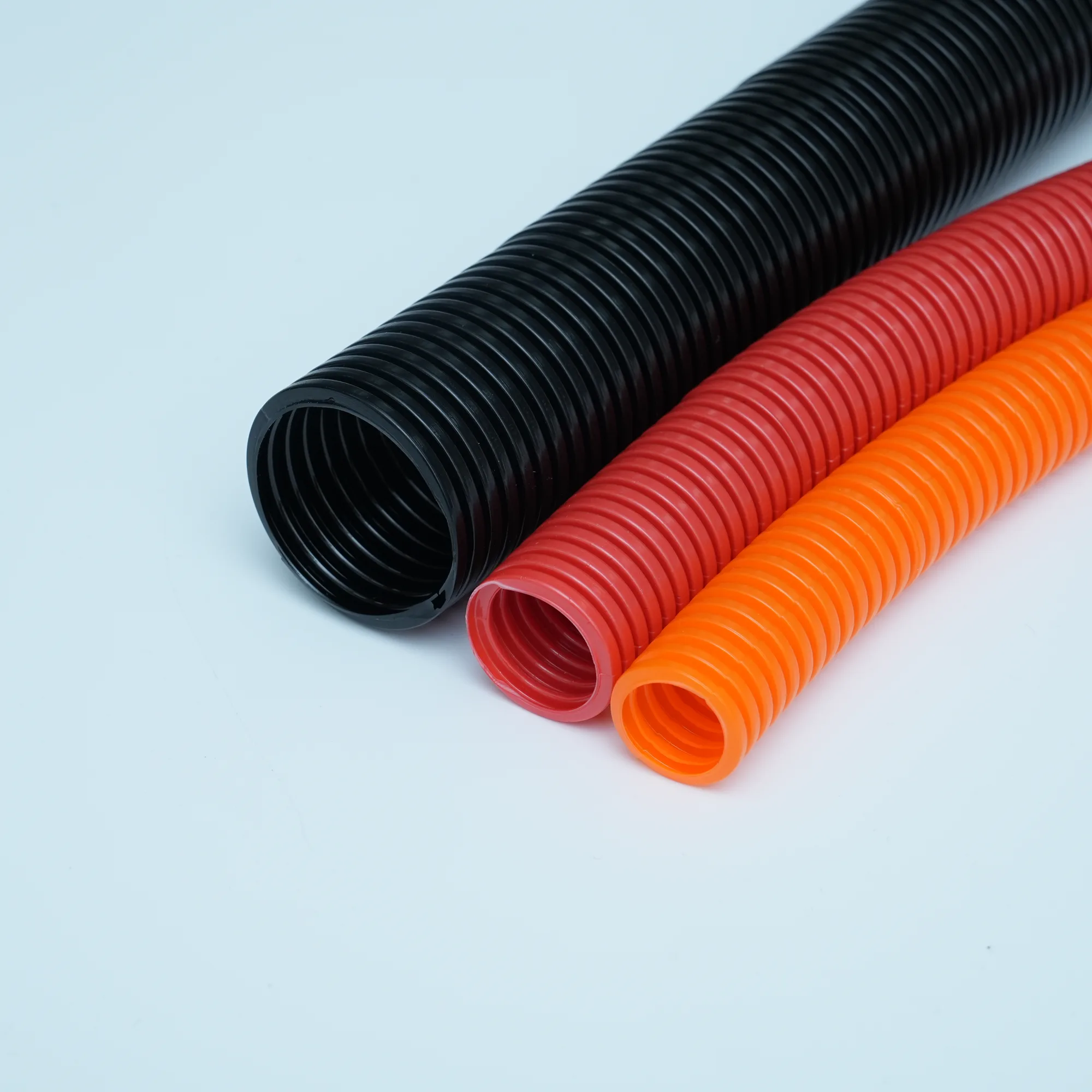
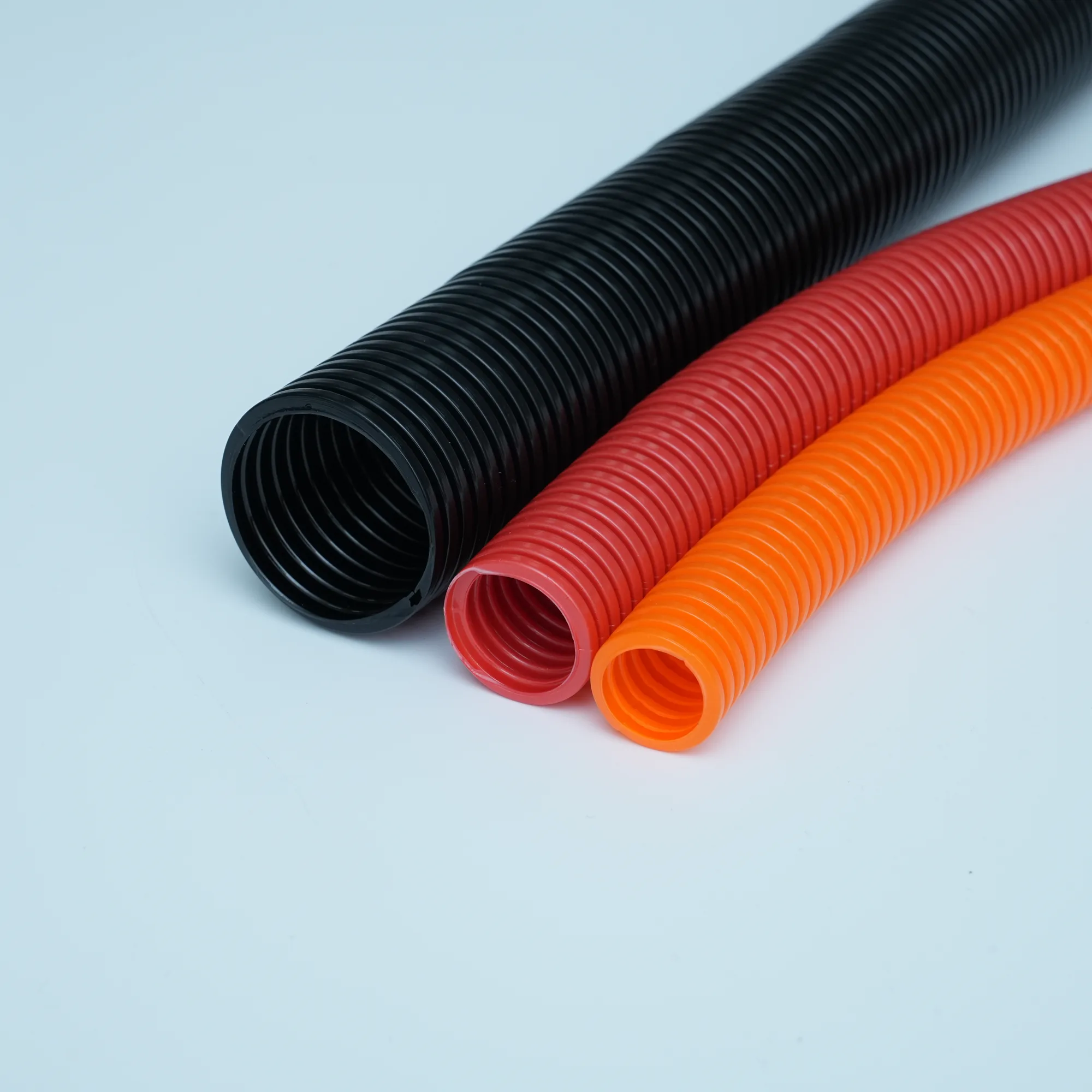
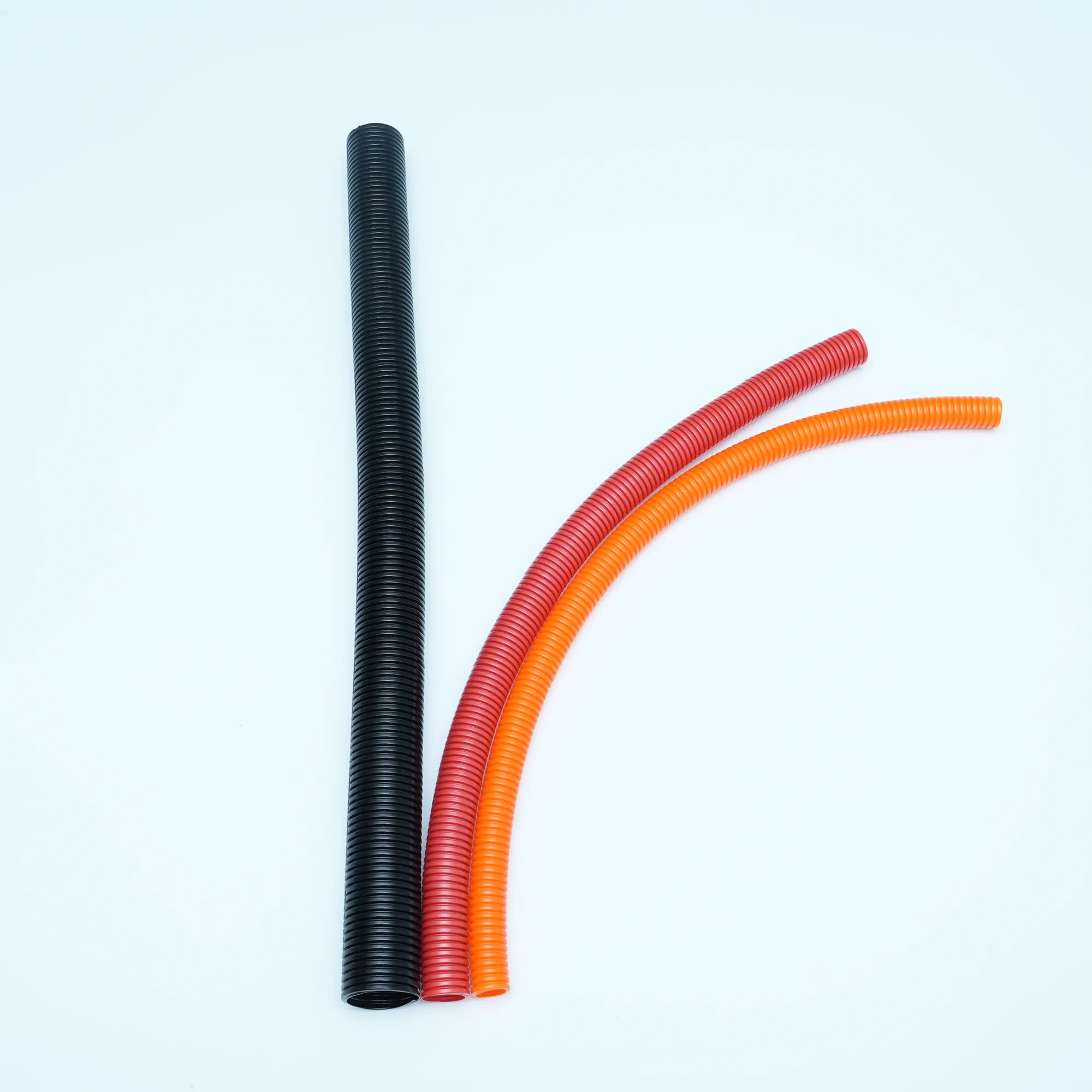
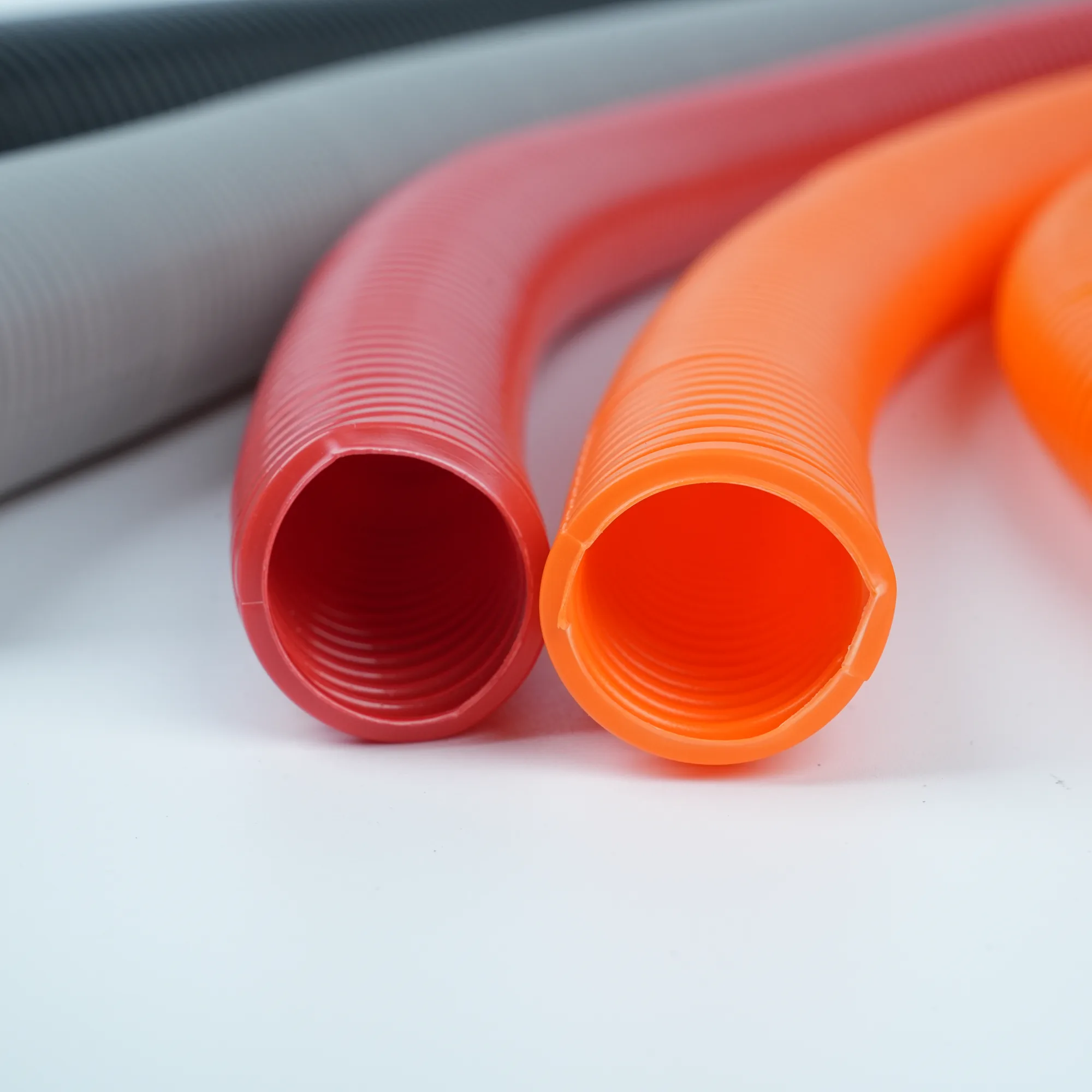
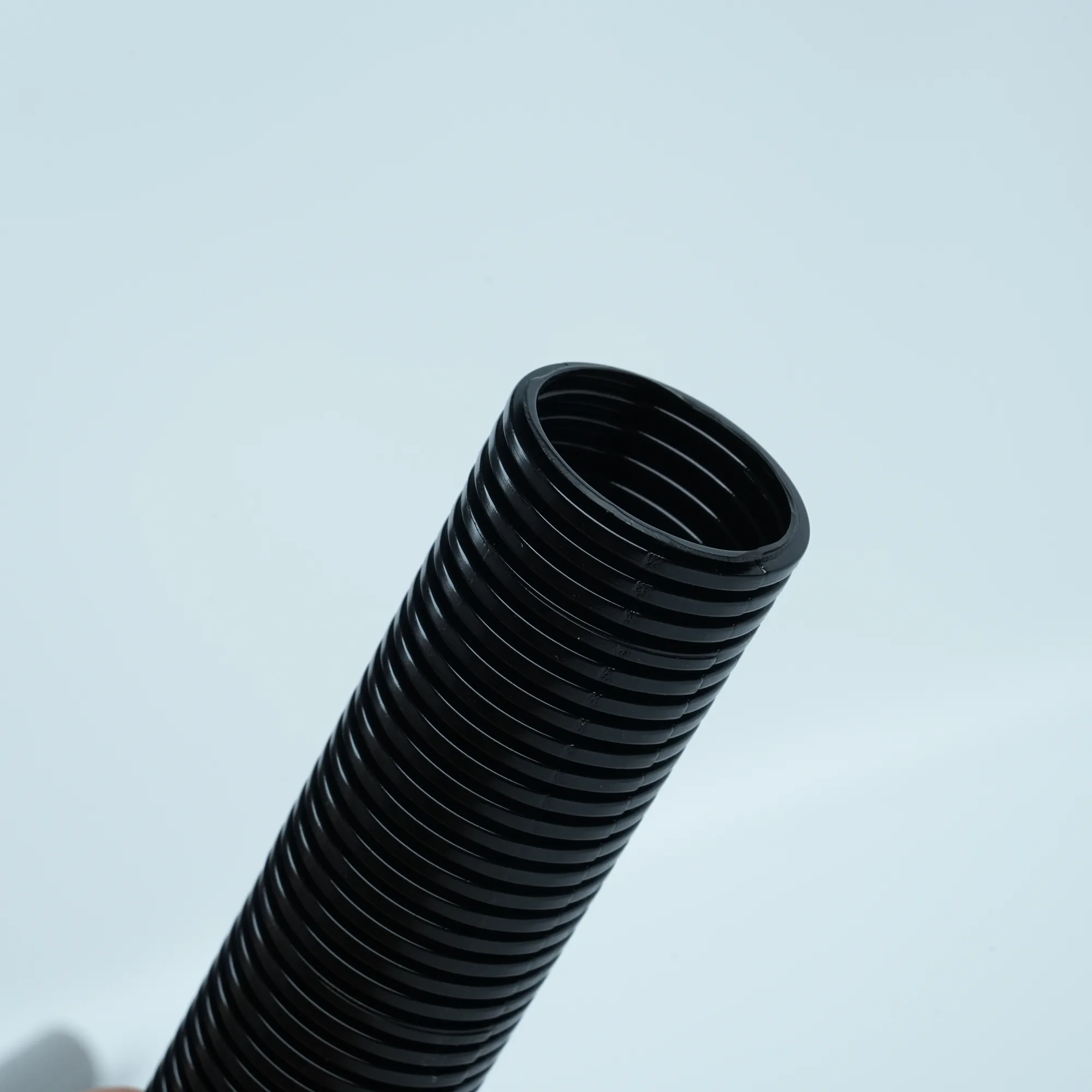
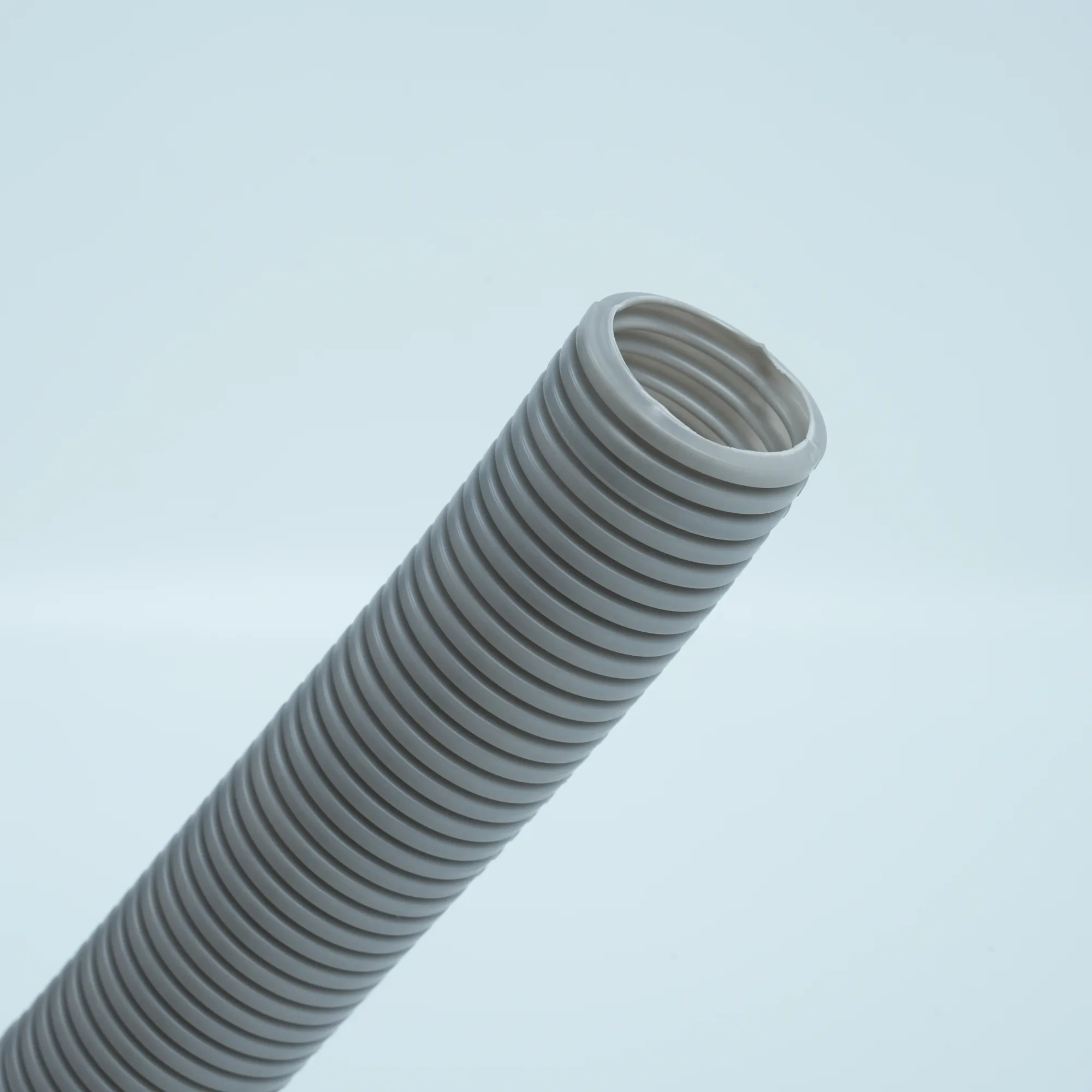
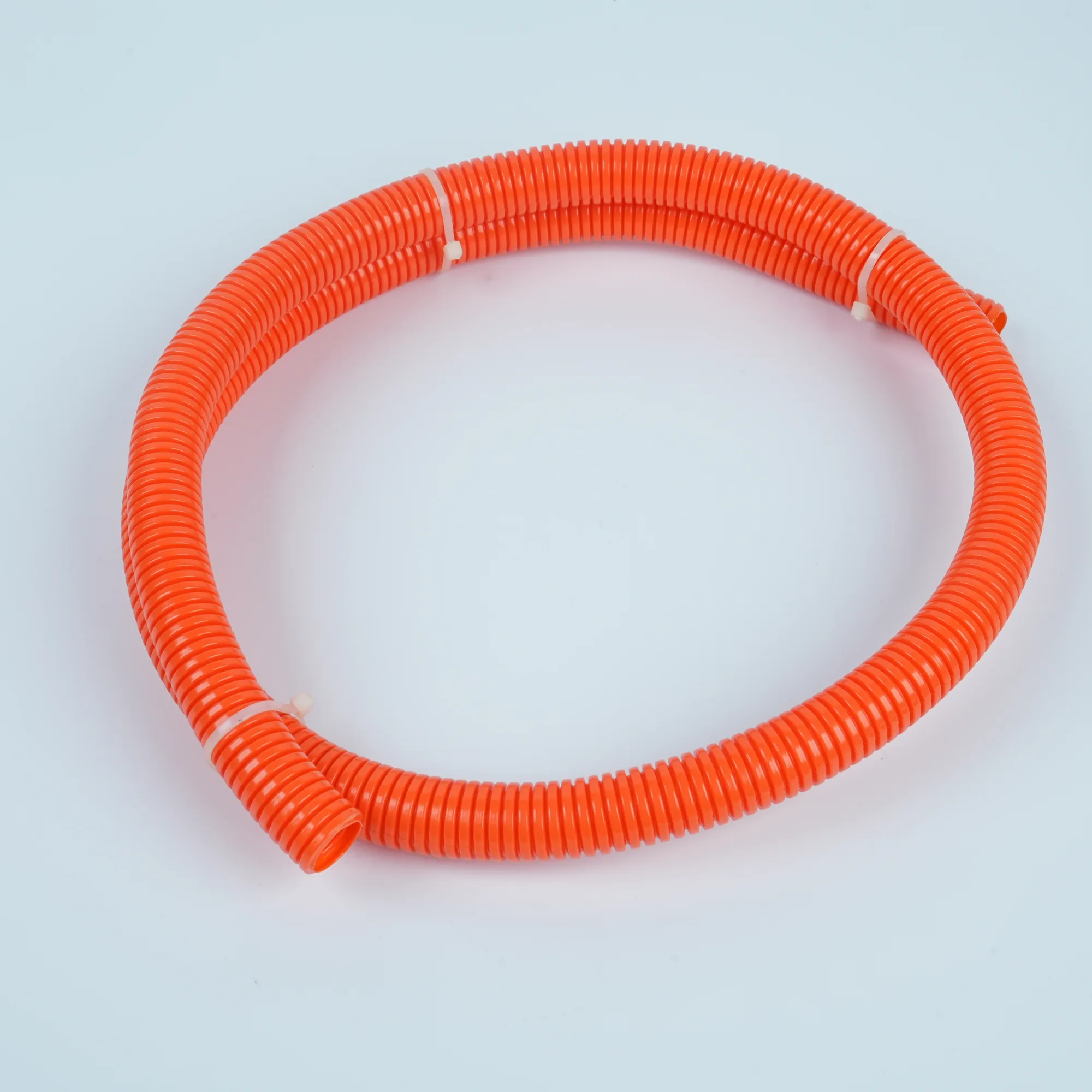
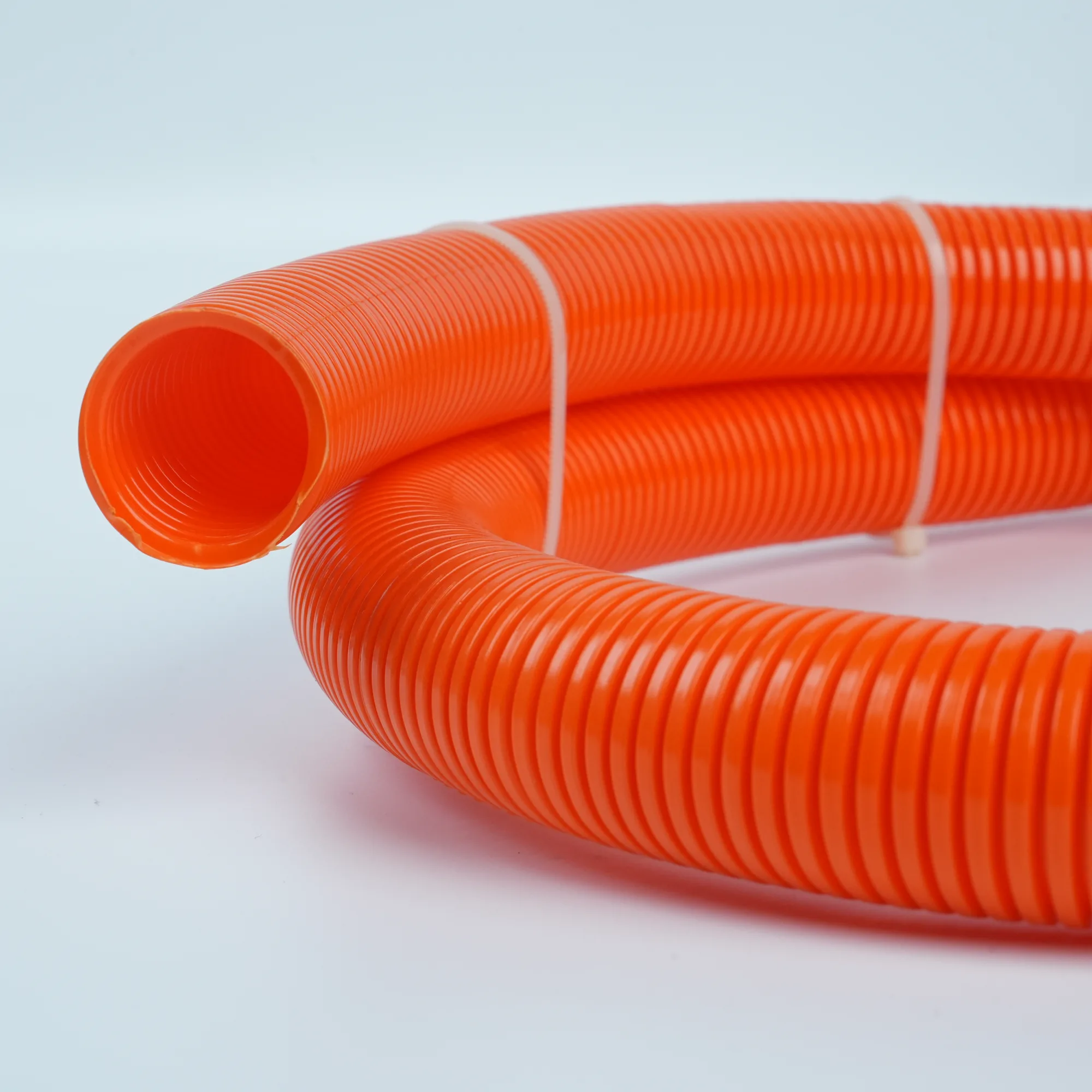
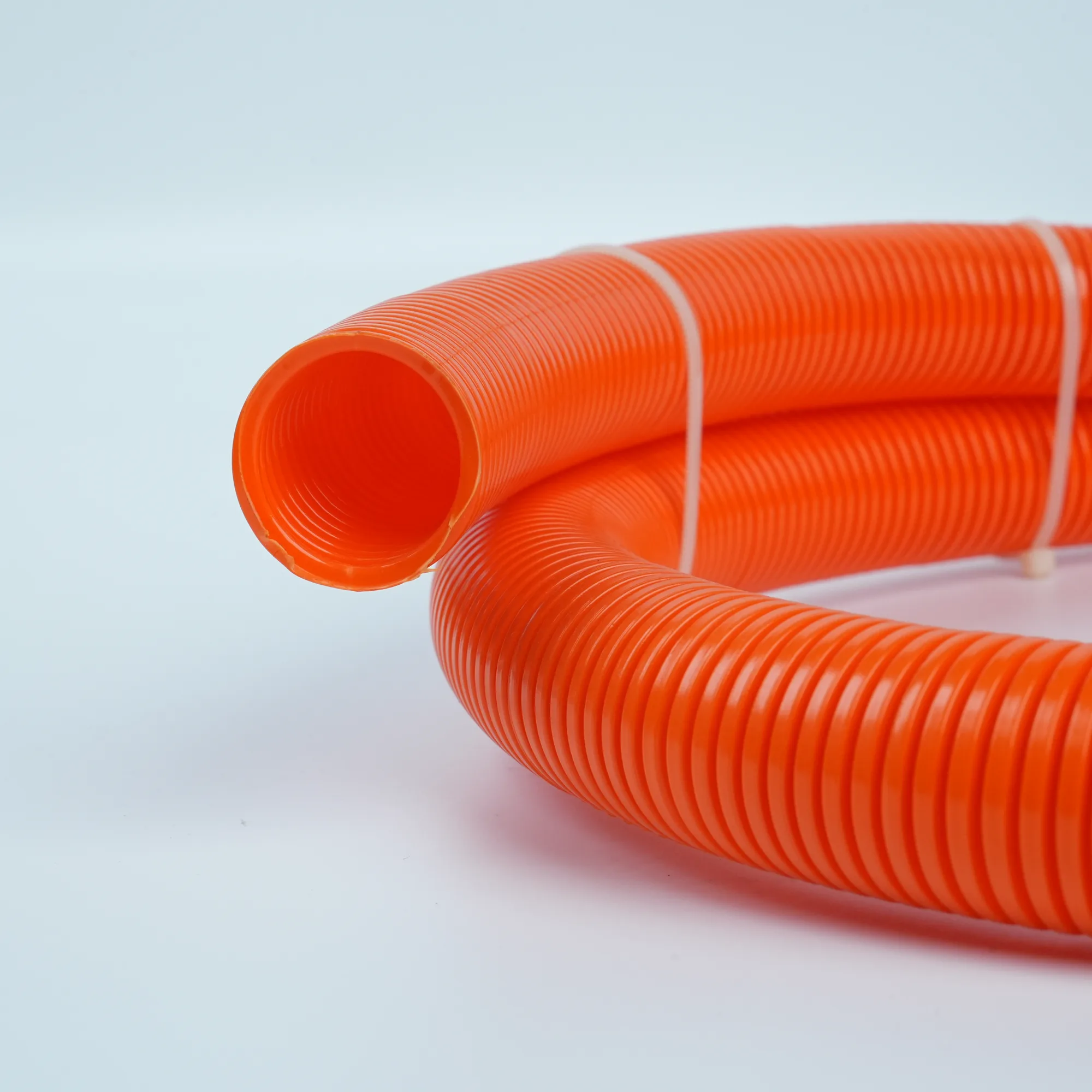
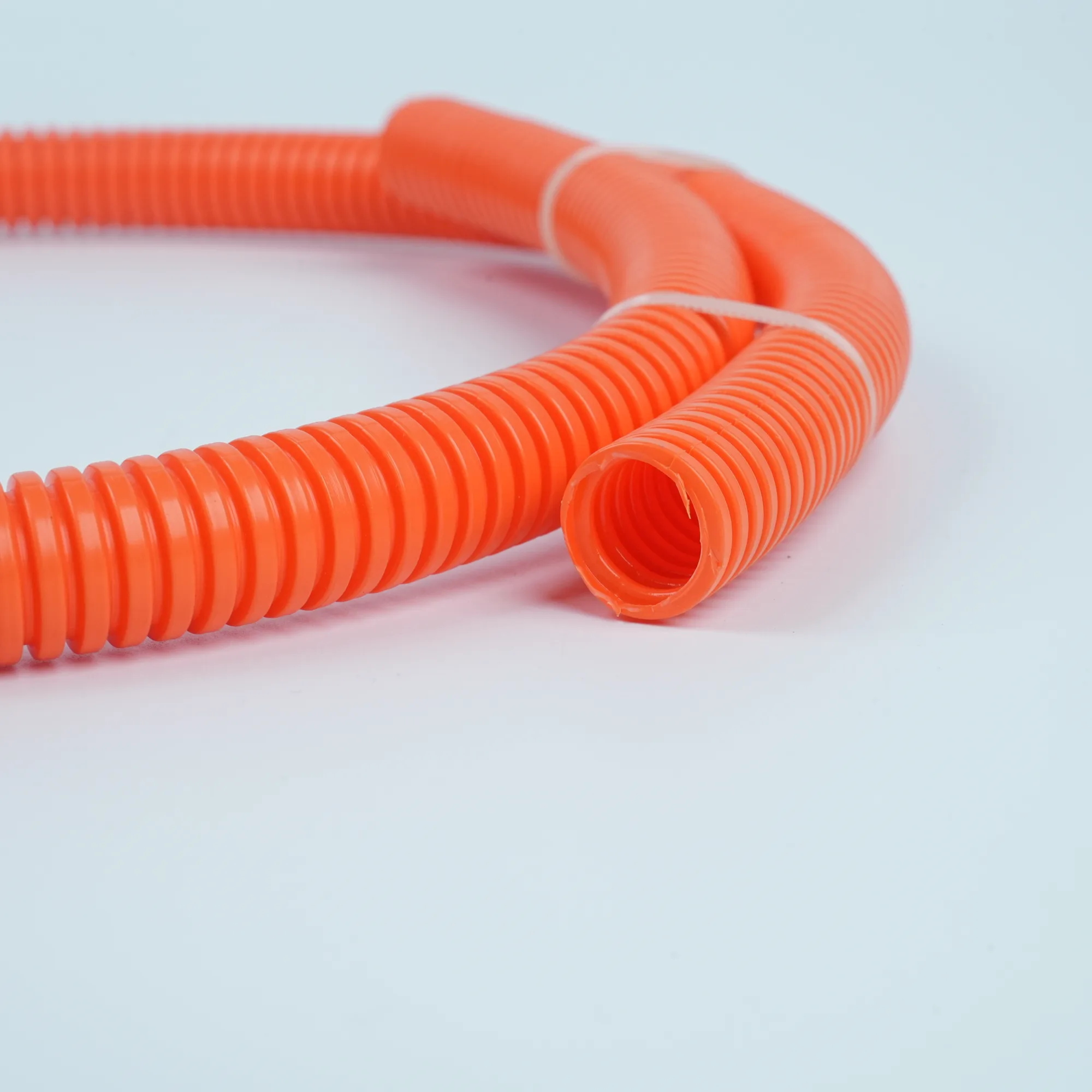
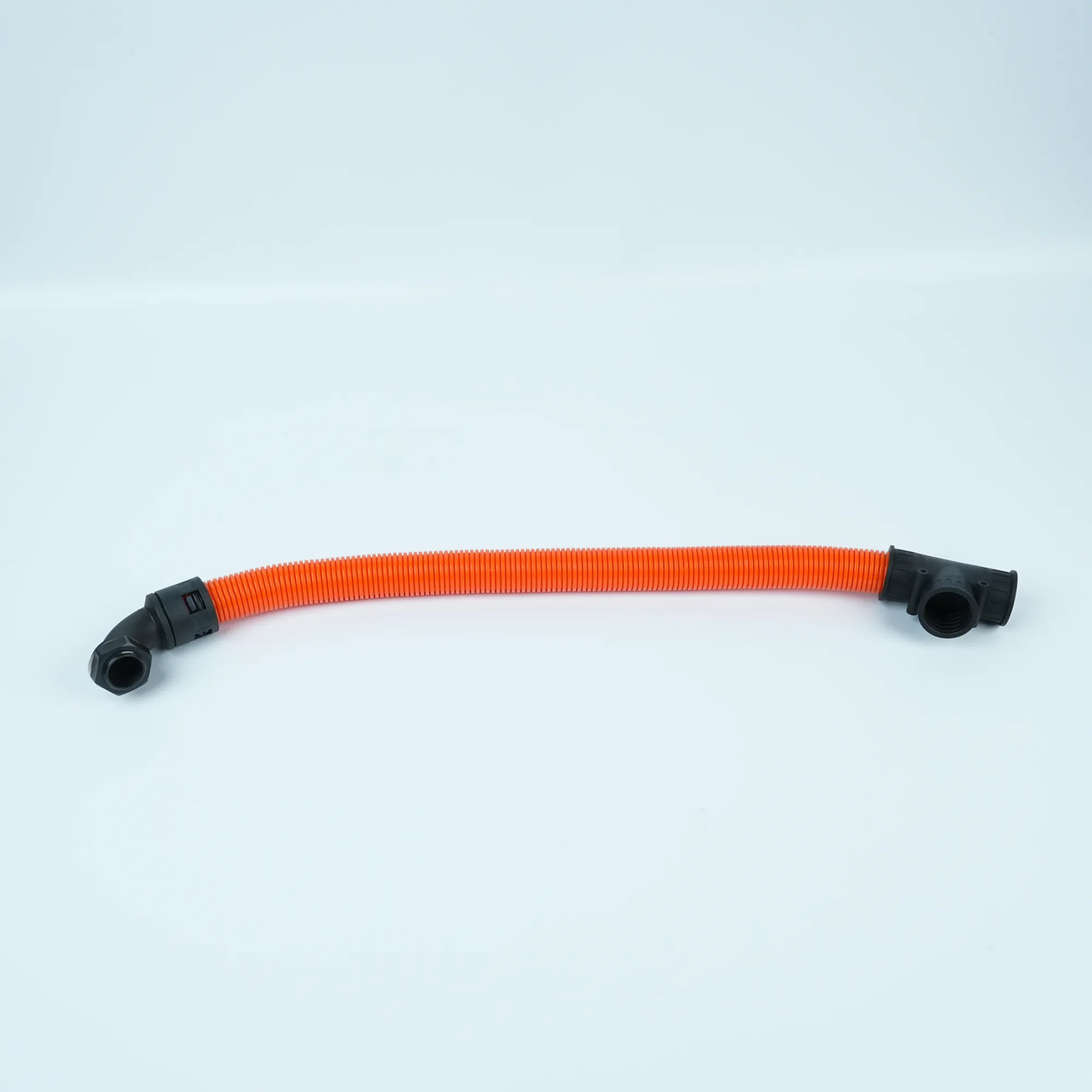
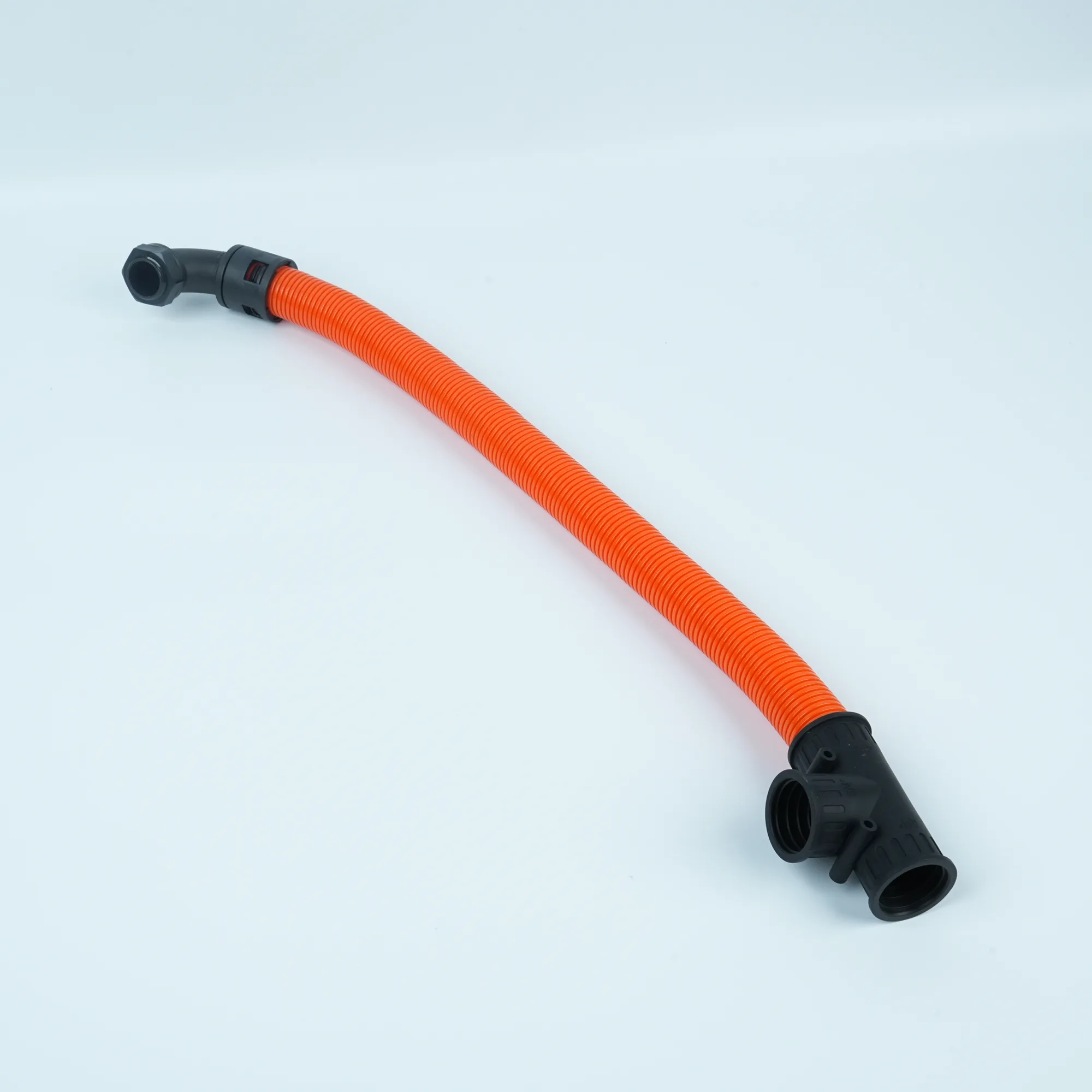
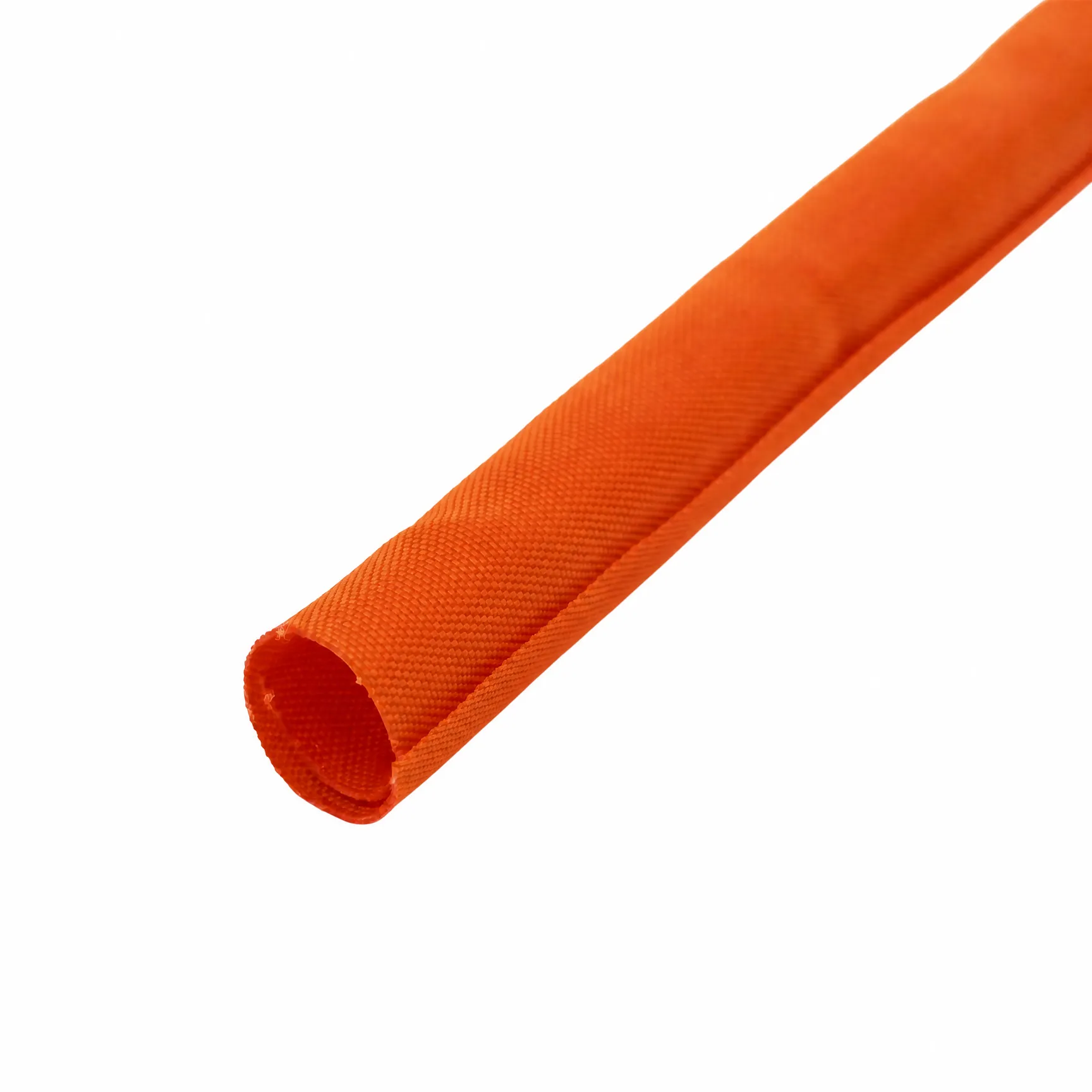
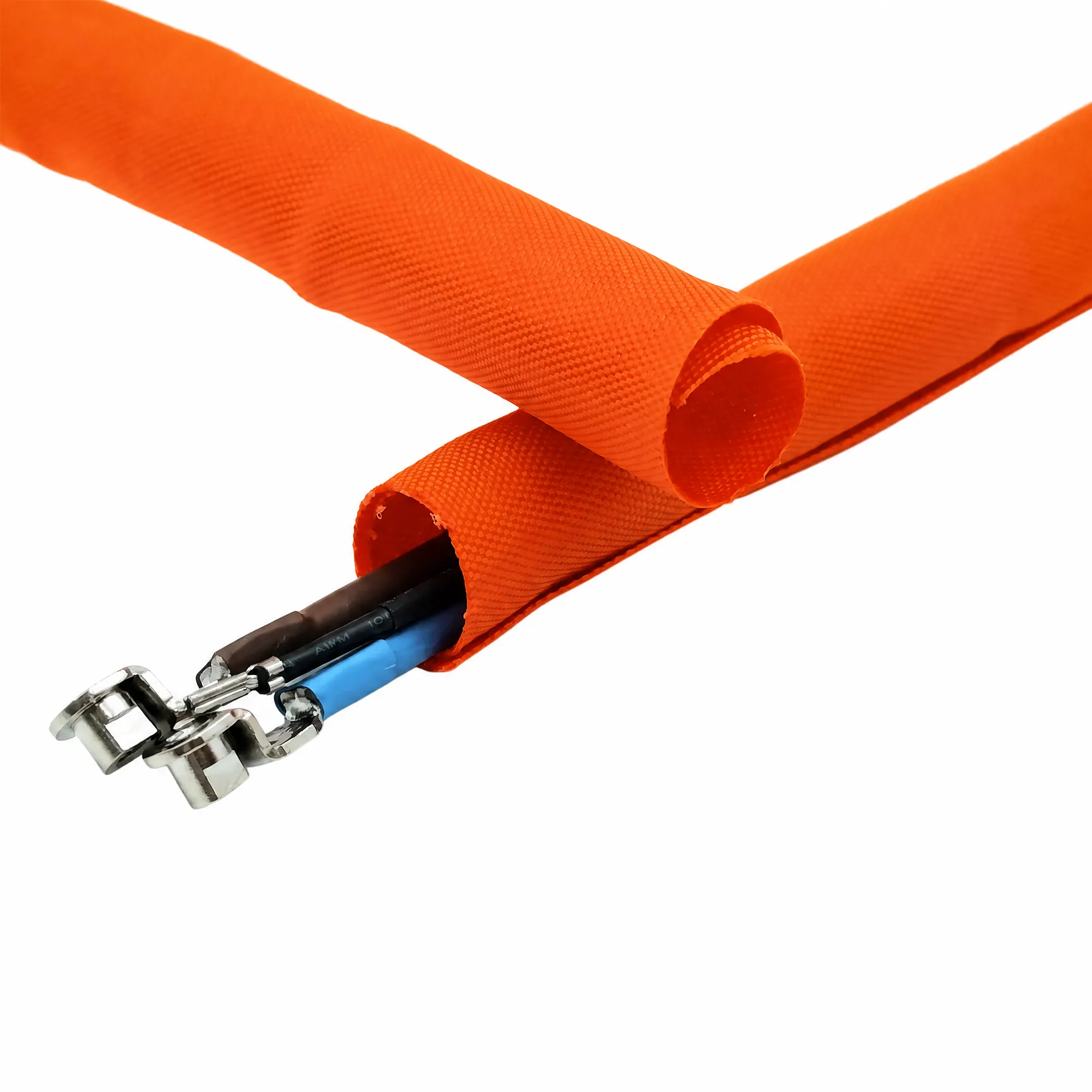
PA Corrugated Tube Is Made Of Nylon Extrusion Molding, mainly Used In Automotive Wiring Hardness, can Also Be Used For Machine Tool, Automation Instrument, Electrical Motor, protect The Cable Wires From External, Wear And Tear.
PA Standard Nylon Conduit Tubing is an industrial-grade cable protection product made from nylon (PA) through extrusion molding. Its corrugated inner and outer surface profile combines axial rigidity with lateral flexibility, allowing it to follow complex routing paths while maintaining a protective envelope around the cable bundle. This makes it suitable for automotive wire harness routing, mechanical equipment cable management, and industrial environments where cables face sustained vibration, thermal cycling, and chemical exposure.
The PA material in PA Standard Nylon Conduit Tubing has a tensile strength of 80 MPa (ASTM D-638), bending strength of 105 MPa (ASTM D-790), and elongation of 100% (ASTM D-638). Hot deformation temperature is 160°C at 0.46 MPa (ASTM D-648), and dielectric strength is 20 KV/mm (ASTM D-149). The operating temperature range is -40°C to +150°C, covering cold-climate installations and high-heat equipment zones. The finished product carries UL94-V0 flame retardant certification with self-extinguishing behavior. Compliance documentation covers ROHS, REACH, and 5510; smell test and TVOC support are available as options.
Available in sizes from Φ5.0 to Φ48.0mm, with inner diameters from 4.8mm to 48.0mm and outer diameters from 7.2mm to 54.5mm. Minimum bending radius ranges from 5mm to 80mm by size, and roll lengths range from 25M to 500M.
Automotive wire harness routing in cockpit, engine compartment, chassis, and door assemblies requires cable protection that tolerates sustained vibration, repeated bending, oil exposure, and temperature extremes. For standard interior zones, the 105°C configuration applies. For engine compartments and battery pack wiring in new energy vehicles, the 150°C specification is appropriate. One technical constraint that is consistently confirmed in automotive supplier qualification reviews: flame retardancy is a mandatory specification. Projects that introduce corrugated conduit without verifying UL94-V0 or equivalent certification regularly face rework at the final audit stage, because fire safety is a hard requirement in most automotive programs.
In CNC machine tools, robotic arms, and automated production lines, cable bundles follow dynamic paths that flex repeatedly during operation. From post-installation inspection of conduit in industrial environments, wear concentrates at minimum bending radius points rather than at entry or exit connections. Matching conduit size to the actual routing geometry—specifically the bending radius specification—is the most direct way to extend service life in dynamic cable routing. PA Standard Nylon Conduit Tubing is available in split and non-split configurations, giving installation teams flexibility for retrofit and new-build projects.
Chemical processing, metallurgical equipment, and marine installations expose cable protection to acid and alkali contact, elevated heat, and salt spray corrosion. The chemical resistance of nylon and the 150°C upper temperature rating of PA Standard Nylon Conduit Tubing address these conditions. For marine environments, the nylon construction provides corrosion resistance that extends service life compared to materials with lower chemical tolerance.
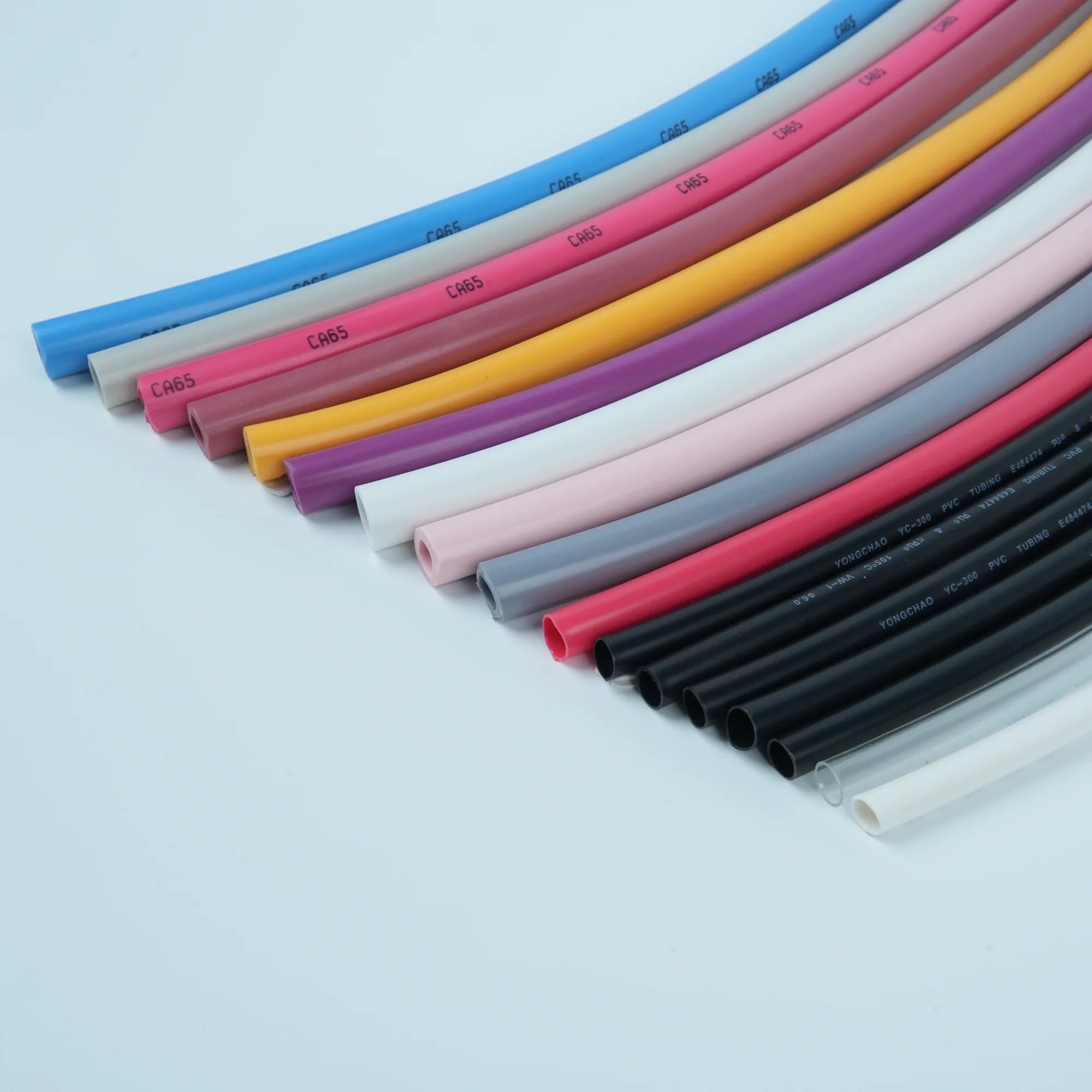
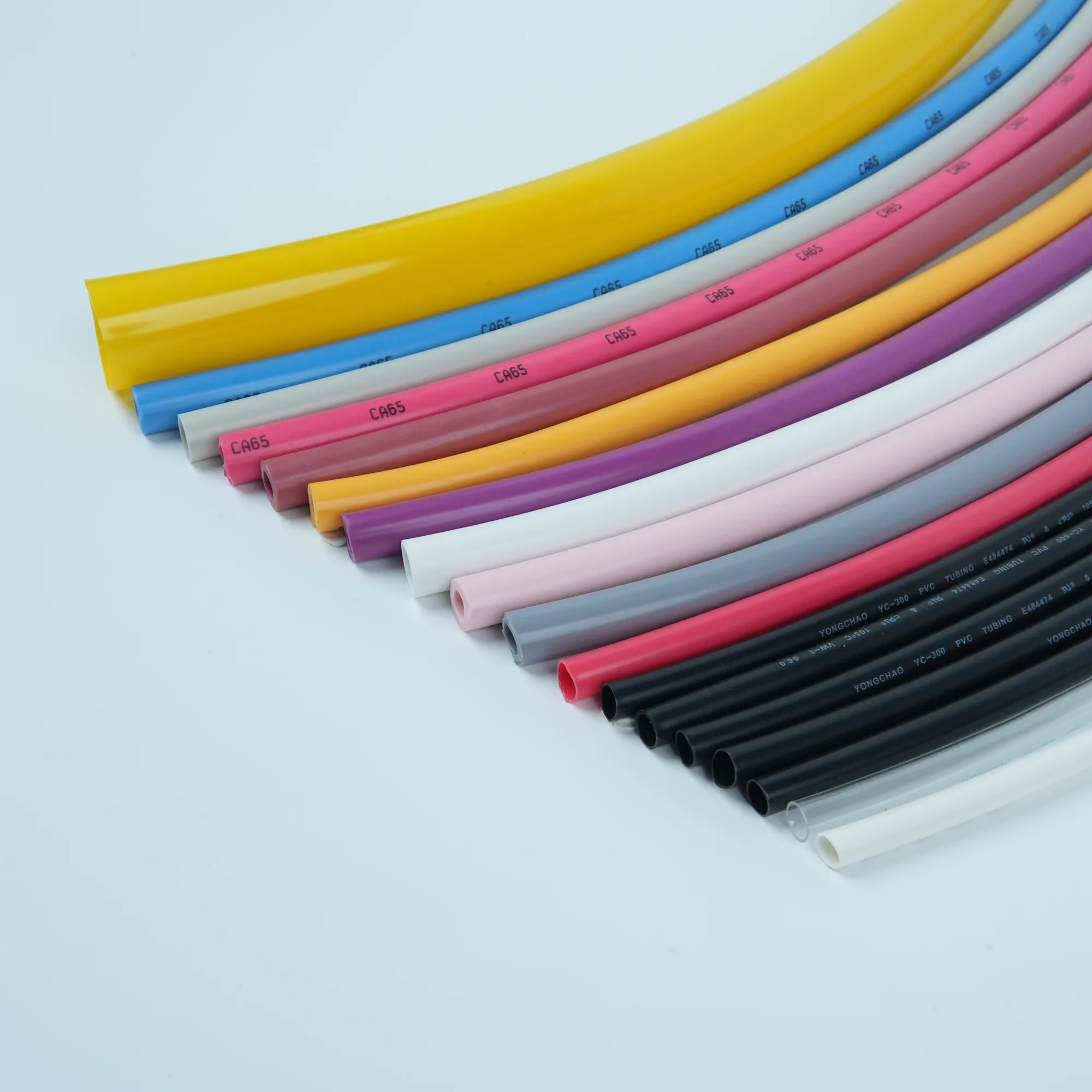
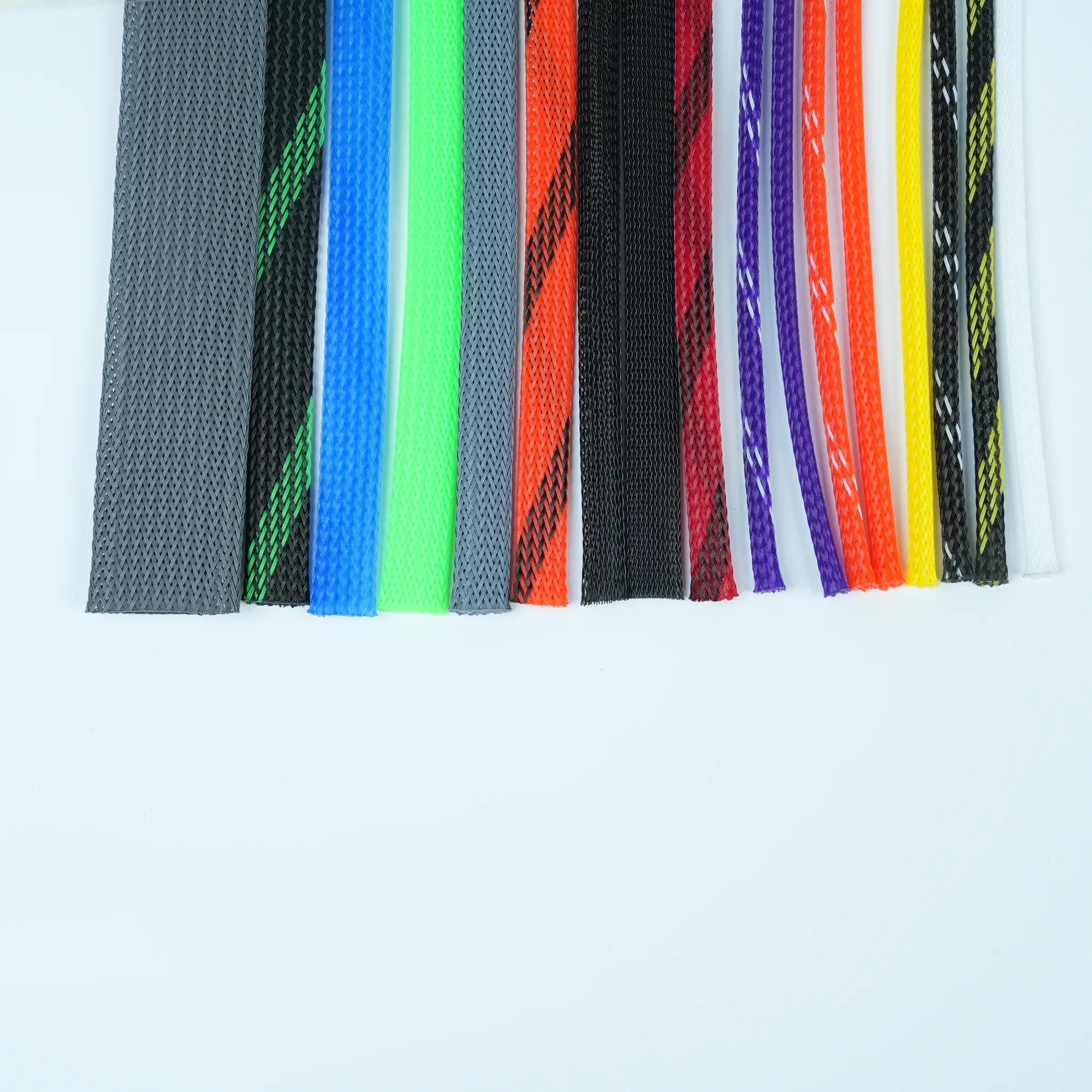
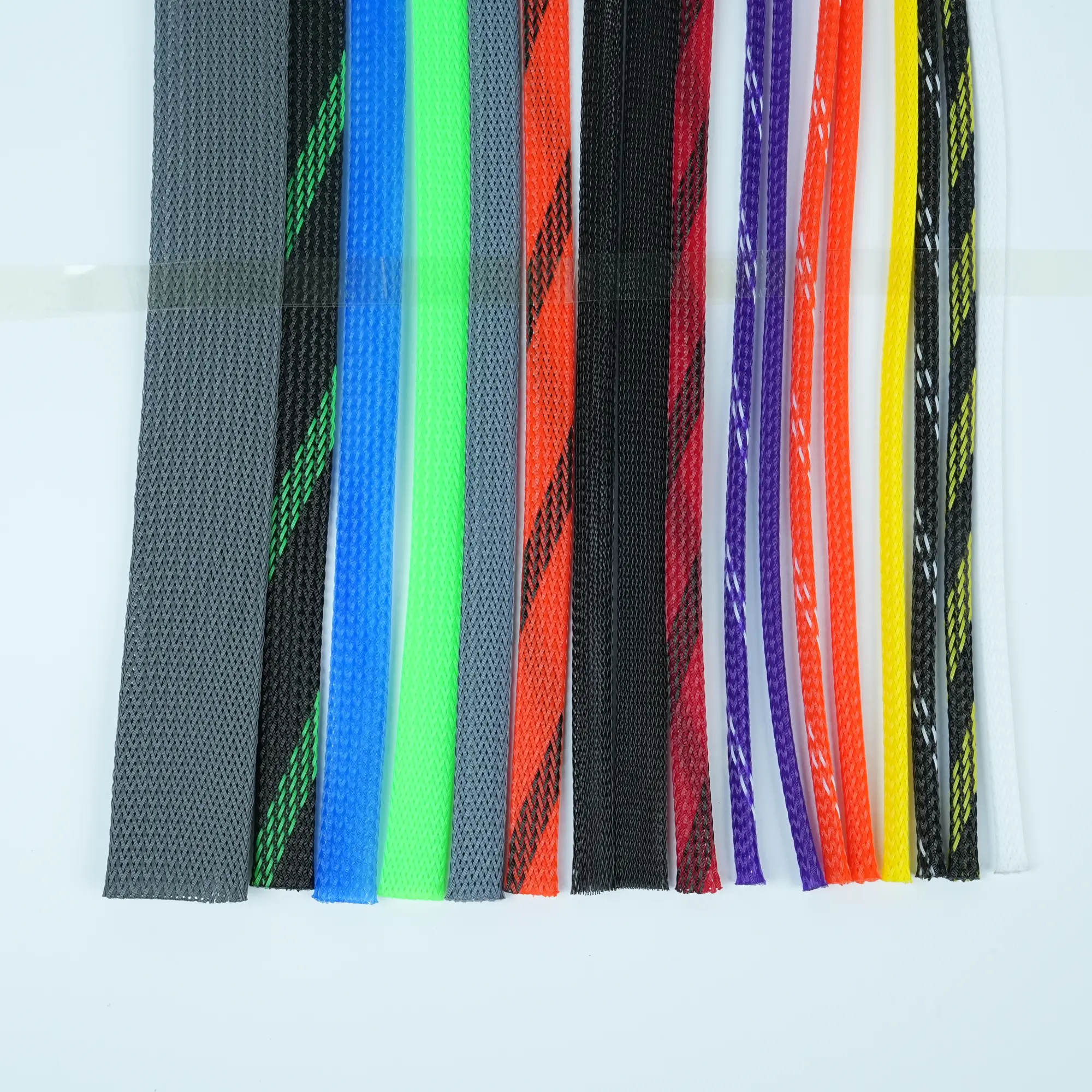
When selecting PA Standard Nylon Conduit Tubing, the key parameters are cable bundle outer diameter, operating temperature zone, and bending geometry of the routing path. Color options—black, orange, gray, white, red, blue, yellow, and custom—support color-coded zone management in harness assembly without requiring separate product families. Split construction simplifies retrofit installation where cables are already positioned; non-split construction provides a sealed channel for new harness builds. Both configurations span the full Φ5.0 to Φ48.0mm size range. The specification table below provides dimensional data for matching conduit to cable bundle with appropriate wall thickness and bending radius.
| Physical Properties of PA (Nylon) Raw Material | ||||
| Parameter | Test Condition | Test Method | Test Data | Unit |
| Relative Density | --- | ASTM D-1505 | 1.13 | --- |
| Tensile Strength | --- | ASTM D-638 | 80 | MPa |
| Elongation | --- | ASTM D-638 | 100 | % |
| Bending Strength | --- | ASTM D-790 | 105 | MPa |
| IZOD Notched Impact Strength | --- | ASTM D-256 | 0.04 | KJ/mm |
| Dielectric Strength | 3.2mm | ASTM D-149 | 20 | KV/mm |
| Rockwell Hardness | --- | ASTM D-785 | 120 | --- |
| Volume Resistivity | --- | ASTM D-257 | 10.15 | Ω·cm |
| Flammability | --- | UL 94 | V-2 | --- |
| Hot Deformation Temperature | 0.46MPa | ASTM D-648 | 160 | ℃ |
| Specification | Inner Diameter (mm) ID | Outer Diameter (mm) OD | Wall Thickness (mm) | Min. Bending Radius (mm) | Length (M/R) |
| Φ5.0 | 4.8±0.2 | 7.2±0.2 | 1.1±0.2 | 5 | 500 |
| Φ6.0 | 6.0±0.2 | 9.0±0.2 | 1.5±0.2 | 5 | 400 |
| Φ7.0 | 7.0±0.3 | 10.0±0.3 | 1.5±0.2 | 10 | 200 |
| Φ8.0 | 8.5±0.3 | 11.5±0.3 | 1.5±0.2 | 15 | 200 |
| Φ10.0 | 10.0±0.3 | 13.0±0.3 | 1.5±0.2 | 20 | 200 |
| Φ11.0 | 11.0±0.3 | 14.0±0.3 | 1.5±0.2 | 25 | 200 |
| Φ12.0 | 12.0±0.3 | 15.8±0.3 | 1.6±0.2 | 30 | 200 |
| Φ13.0 | 13.0±0.3 | 17.0±0.3 | 2.0±0.2 | 35 | 100 |
| Φ14.3 | 14.3±0.3 | 18.5±0.3 | 2.0±0.2 | 40 | 100 |
| Φ15.9 | 15.9±0.3 | 20.0±0.3 | 2.0±0.3 | 45 | 100 |
| Φ17.0 | 17.0±0.5 | 21.2±0.5 | 2.1±0.3 | 45 | 100 |
| Φ18.0 | 18.0±0.5 | 22.0±0.5 | 2.0±0.3 | 45 | 100 |
| Φ21.0 | 21.0±0.5 | 25.0±0.5 | 2.2±0.3 | 50 | 100 |
| Φ23.0 | 23.0±0.5 | 28.5±0.5 | 2.5±0.3 | 55 | 50 |
| Φ25.0 | 25.0±0.5 | 30.0±0.5 | 3.0±0.3 | 55 | 50 |
| Φ29.0 | 29.0±0.6 | 34.5±0.6 | 2.75±0.3 | 60 | 50 |
| Φ36.0 | 36.0±0.6 | 42.5±0.6 | 3.25±0.3 | 70 | 25 |
| Φ48.0 | 48.0±0.6 | 54.5±0.6 | 3.25±0.3 | 80 | 25 |
PA Corrugated Tube Is Made Of Nylon Extrusion Molding, mainly Used In Automotive Wiring Hardness, can Also Be Used For Machine Tool, Automation Instrument, Electrical Motor, protect The Cable Wires From External, Wear And Tear.

 KO
KO