What Is Braided Sleeving?
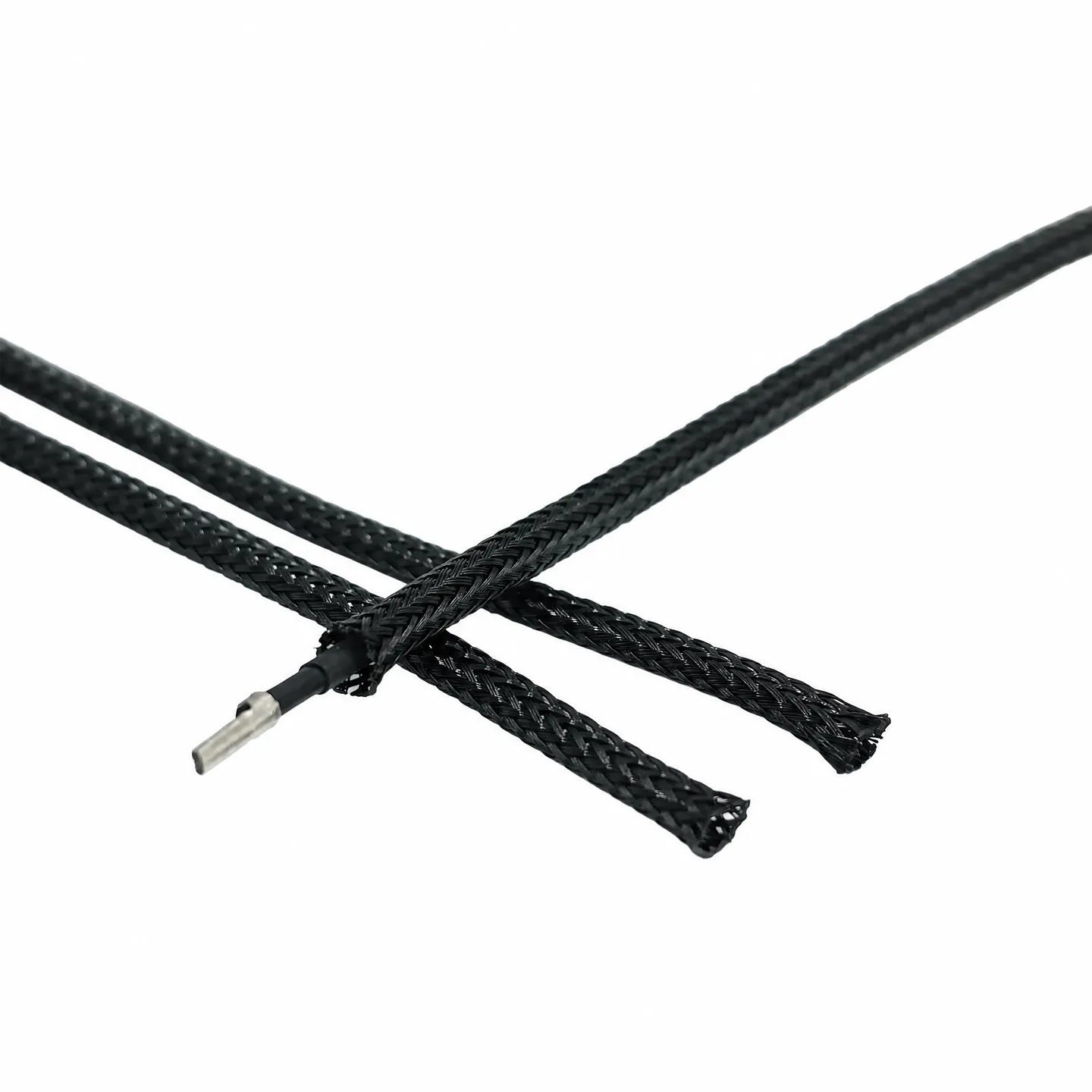
Braided sleeving is an expandable, flexible cable management solution woven from synthetic or metallic fibers — including PET polyester, PPS (Polyphenylene Sulfide), fiberglass composites, tinned copper foil, and aluminum foil blends. Unlike rigid conduit, braided sleeving accommodates varying cable bundle diameters, conforms to harness contours, and provides layered protection against mechanical abrasion, radiant heat, electromagnetic interference (EMI), and chemical exposure. This type of cable sleeve covers both tubular (push-over) formats for new assembly and self-closing (side-opening) formats for retrofit installation on pre-assembled harnesses. Whether you are protecting a high-voltage busbar in an EV charging system or bundling general-purpose cables in an appliance, the right braided sleeving construction depends on matching material properties to your specific operating environment.
Key Braided Sleeving Characteristics
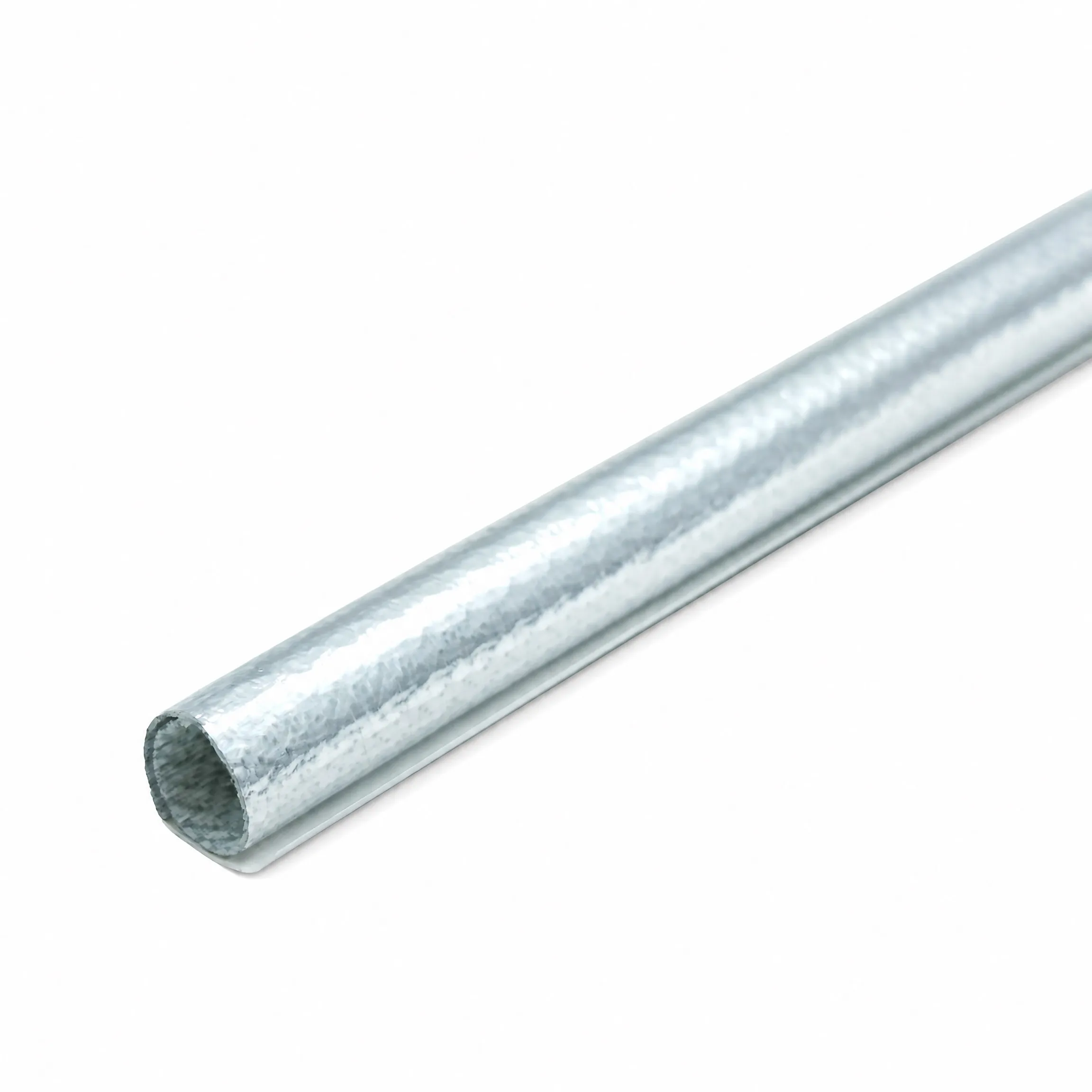
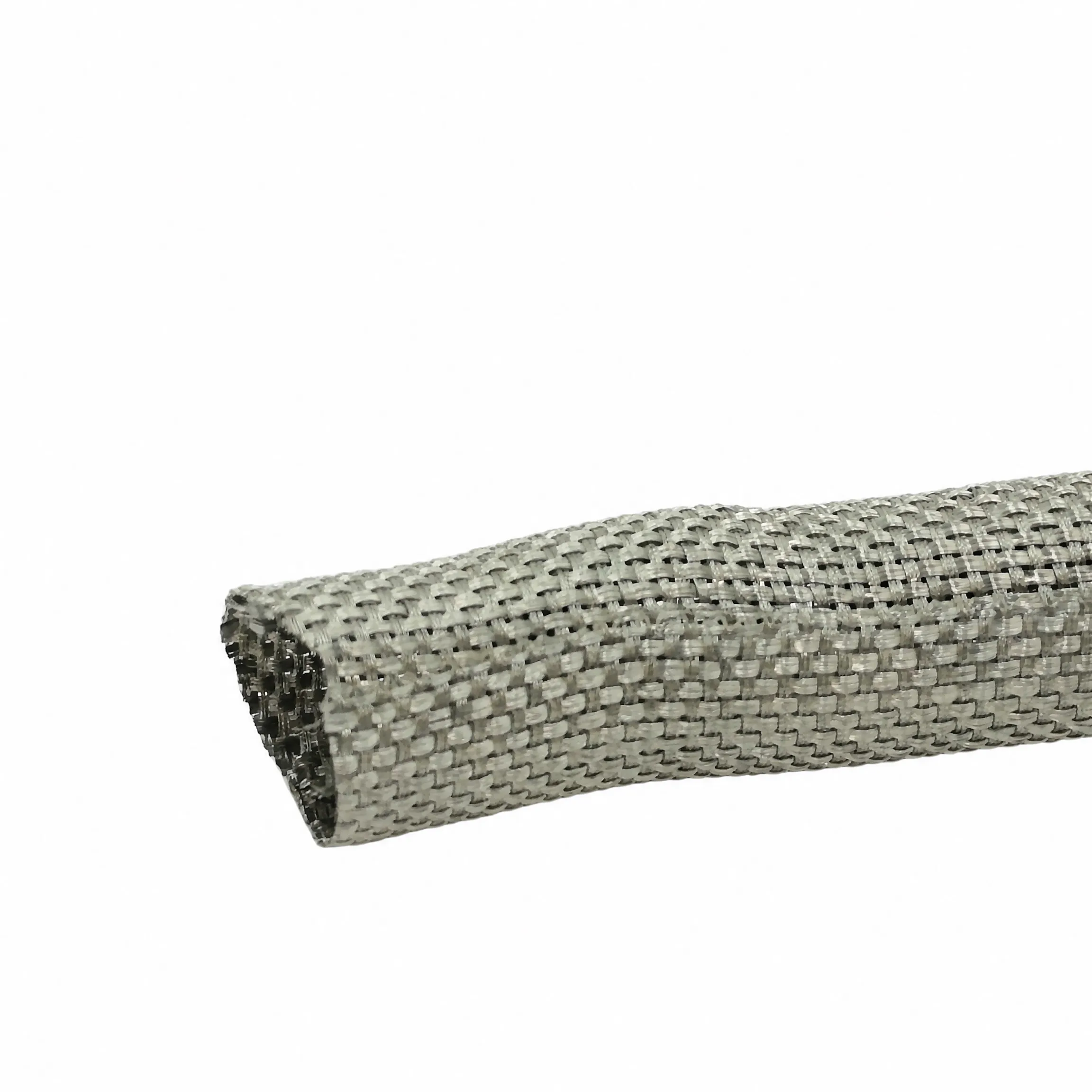
Material variety: PET monofilament or multifilament for standard general-purpose wire protection; PPS braided sleeving for extreme heat and chemical resistance; aluminum foil plus fiberglass composite for radiant heat shielding; tinned copper foil hybrid for lightweight EMI shielding; polyester blend for EV busbar wrapping and high-voltage harness bundling.
Expandability: Most braided sleeving designs expand well beyond their nominal diameter, accommodating connector hardware during push-over installation and adjusting to uneven cable bundle cross-sections without gaps in coverage.
Installation format: Tubular formats require end access to the cable bundle; self-wrapping or self-closing braided sleeving opens laterally, making it significantly faster to install on pre-routed cables or in retrofit situations where disassembly is not practical.
Flame-retardant options: Select braided sleeving constructions carry applicable flame-retardant classifications relevant to automotive, energy storage, and rail transit applications. The specific classification required depends on your project standard category — confirm this before finalizing your specification to avoid re-selection during supplier qualification review.
EMI shielding: Tinned copper foil hybrid construction reduces electromagnetic interference while maintaining a significantly lower weight than all-copper braid alternatives — relevant for weight-sensitive EV and aerospace harness applications.
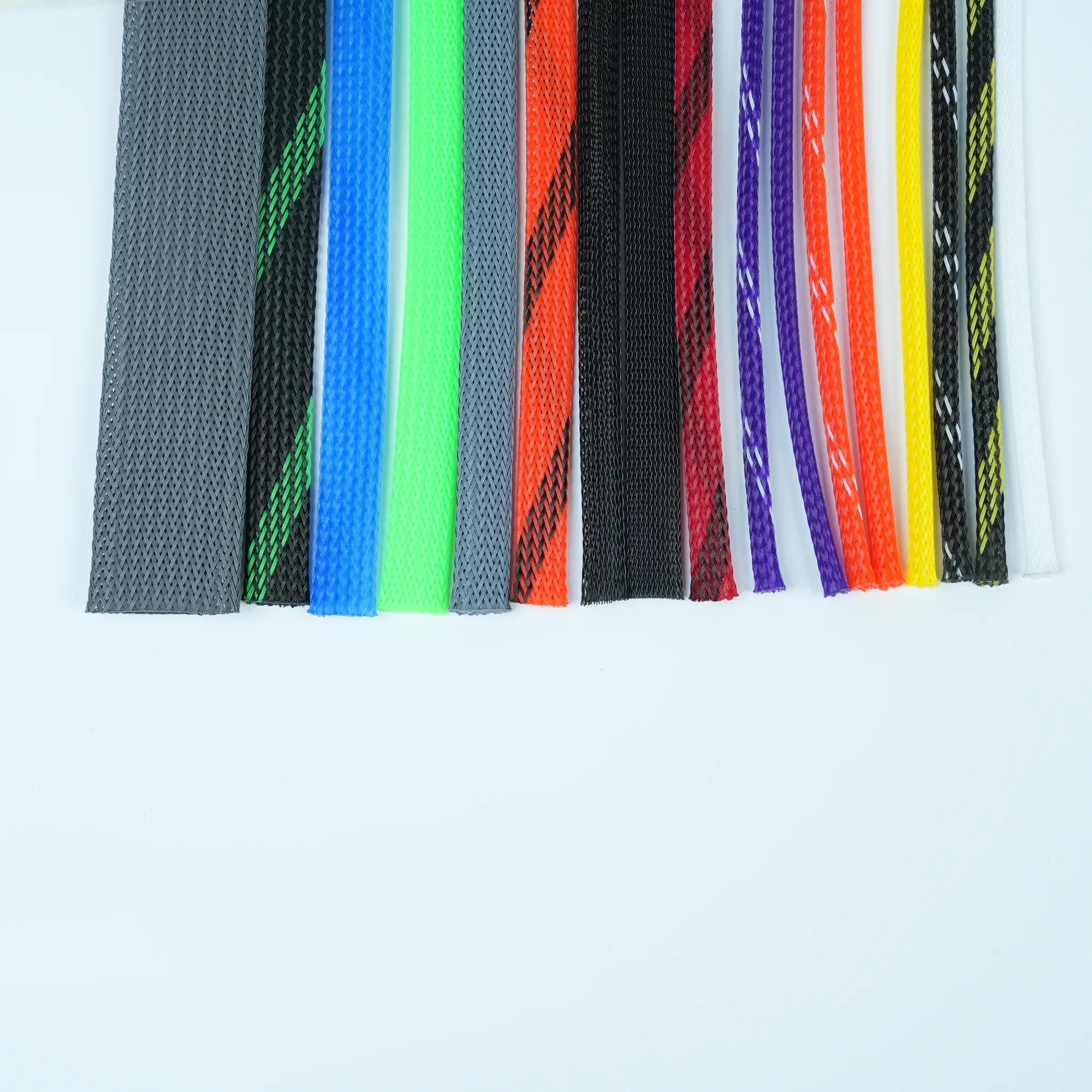
Color identification: Orange and other high-visibility color options are available for applications where high-voltage harness identification is required during assembly or maintenance.
RoHS compliance direction: PPS braided sleeving is offered in RoHS-compliant configurations, relevant for buyers targeting European markets or end customers with green supply chain documentation requirements.
Common Braided Sleeving Applications
Braided sleeving is used across multiple industrial sectors wherever flexible cable protection, bundling, and identification are needed alongside vibration resistance and environmental durability:
Automotive wire harnesses: Bundling and protecting low-voltage signal cables, high-voltage EV power cables, and aluminum busbar connections in battery management and charging systems. Square-profile polyester braided sleeving designed for flat busbar cross-sections addresses a specific geometry requirement not well-served by round tubular formats.
Electric vehicles and energy storage: EMI-shielding braided sleeving combines shielding performance with reduced weight, suited to battery pack cabling where both electromagnetic protection and mass management matter. Aluminum foil fiberglass wrap adds insulating and reflective protection near power electronics generating radiant heat.
Industrial machinery and robotics: Protecting cables in robotic arms, CNC equipment, and conveyor systems from abrasion, oil mist, and mechanical contact during high-cycle operation where cumulative wear is the primary failure mode.
Solar and renewable energy: Braided sleeving protects DC cables at string and inverter level, including outdoor installations where UV exposure, thermal cycling, and moisture are ongoing conditions over a multi-decade system lifetime.
Appliances and consumer electronics: Standard PET braided sleeving provides abrasion protection, visual cable organization, and basic thermal insulation for internal harness routing in household appliances and electronics manufacturing.
Rail and transit: Flame-retardant and high-temperature constructions address cable protection requirements in rolling stock and trackside equipment harnesses where both thermal and fire-resistance performance are specified.
How to Choose the Right Braided Sleeving
Selecting the right braided sleeving starts with identifying your primary protection requirement. A practical decision framework:
Start with operating environment temperature and heat source type. If the installation is exposed to radiant heat from exhaust systems or high-power electronics, aluminum foil plus fiberglass composite construction addresses this through heat reflection and thermal insulation together. For sustained high temperatures combined with chemical exposure — as found in EV underhood routing — PPS braided sleeving maintains dimensional stability at temperatures where PET materials would progressively degrade. If the temperature environment is standard, general-purpose PET is the most practical starting point.
Then consider whether EMI shielding is required. If the cables carry sensitive signals running near high-voltage power lines or switching outputs, tinned copper foil hybrid braided sleeving provides lightweight shielding. Keep in mind that shielding effectiveness depends on grounding continuity at both cable ends — the sleeving provides the shielding medium, but termination design determines whether the system-level shielding objective is met.
For standard abrasion protection without extreme thermal or EMI requirements, PET braided sleeving covers the broadest general-purpose range at the most practical cost. Where flame-retardant performance is required, identify which test classification category applies before ordering — in automotive, energy storage, and rail segments this is typically a mandatory specification, and retrofitting after harness assembly is considerably more time-consuming than getting the specification right upfront.
One selection misconception worth addressing directly: outer diameter alone does not determine the protection level of braided sleeving. The actual performance depends on braid coverage density, fiber material properties, and how well the diameter fits the actual cable bundle. A properly fitted braided sleeving option at the right coverage percentage outperforms an oversized sleeve of the same material — think of it like the difference between a well-fitted protective layer and a loose-fitting one: the contact coverage does the work, not the nominal size.
On flame-retardant requirements: these questions typically surface during supplier qualification audits rather than at the initial specification stage. Buyers who confirm the applicable standard category at the braided sleeving selection phase avoid a full re-specification cycle later — a meaningful time saving in any project-driven procurement environment.
Why Braided Sleeving Selection Benefits from Technical Guidance
Braided sleeving spans a wider range of materials, constructions, and performance tiers than is immediately obvious from product listings alone. First-time buyers often find the choice between PET, PPS, fiberglass composite, and metallic hybrid options unclear without application context — and selecting the wrong braided sleeving material for temperature, flame, or shielding requirements typically becomes apparent in service rather than at incoming inspection.
For global buyers comparing braided sleeving suppliers, temperature rating credibility is a legitimate concern. For critical applications — EV routing, underhood automotive, or high-temperature industrial environments — requesting test method orientation details alongside product specifications provides a better basis for cross-supplier comparison than nominal data sheet values alone.
Cross-industry buyers managing purchasing programs across automotive, appliance, solar, and energy storage applications benefit from working with a supplier experienced across all four segments. The protection requirements differ in ways that affect long-term reliability: applicable dimensional tolerances, flame classifications, and UV resistance requirements vary between an appliance internal harness and an EV battery pack harness, even when both nominally use the same braided sleeving material type. Customization options — including braid coverage density, material selection, sleeve width, and color coding — are available for volume orders. Confirming customization feasibility at the inquiry stage prevents downstream specification mismatches in OEM and Tier 1 harness programs.

 KO
KO