What Is Fiberglass Sleeving?
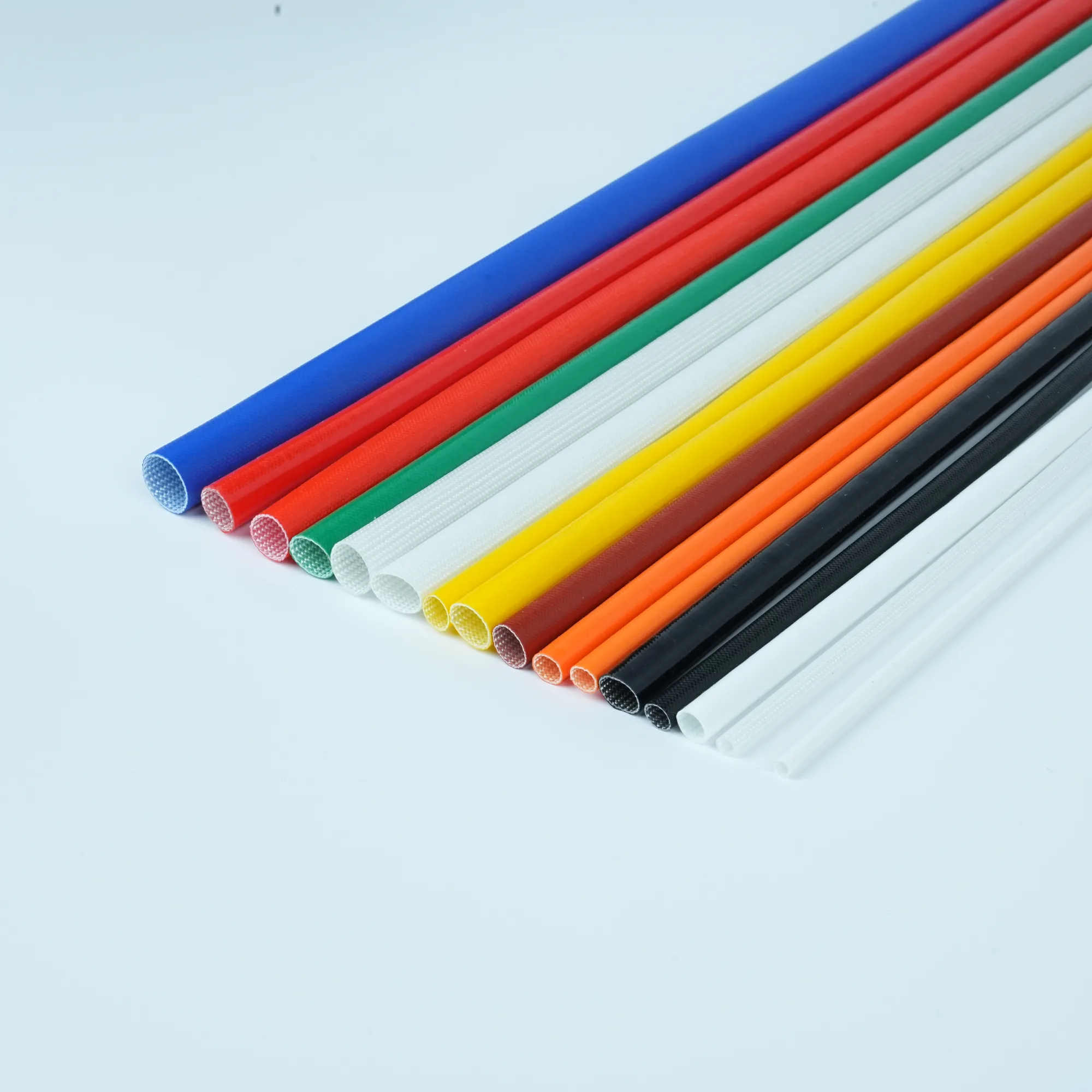
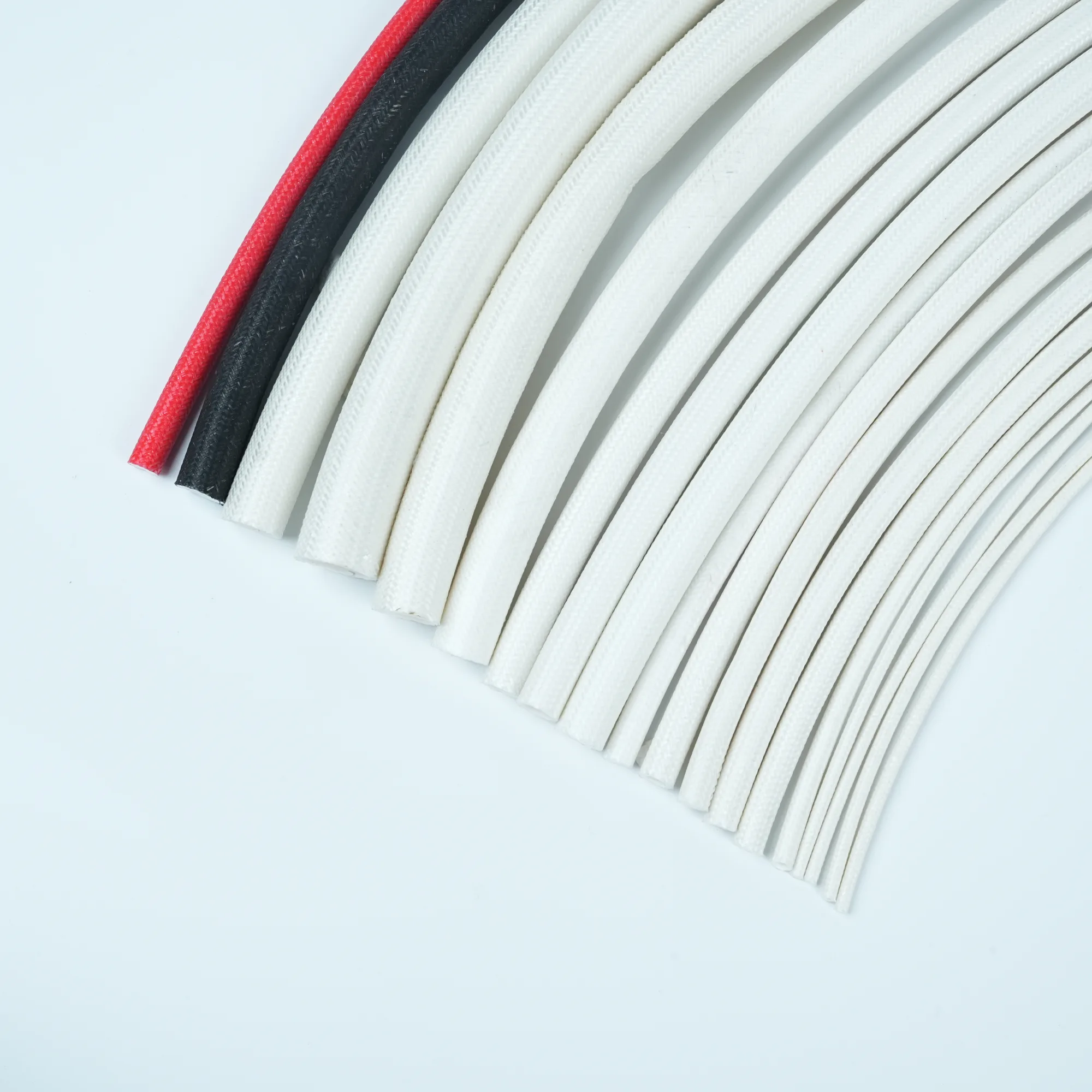
Fiberglass sleeving is a tubular protective material braided or woven from continuous glass fiber strands. It provides reliable insulation and thermal resistance for wires, cables, and components in environments where standard plastic conduits fall short. Unlike polymer-based alternatives, fiberglass sleeving maintains structural integrity at sustained high temperatures, making it a preferred choice in motor windings, transformer assemblies, industrial heating systems, and automotive wire harness protection.
There are several coating types available in this category, each suited to different operating conditions:
Uncoated fiberglass sleeving – Suited for extreme-temperature applications exceeding 400°C, typically used around industrial furnace elements or high-temperature sensor leads. Lightweight and flexible, though it absorbs moisture if not stored correctly.
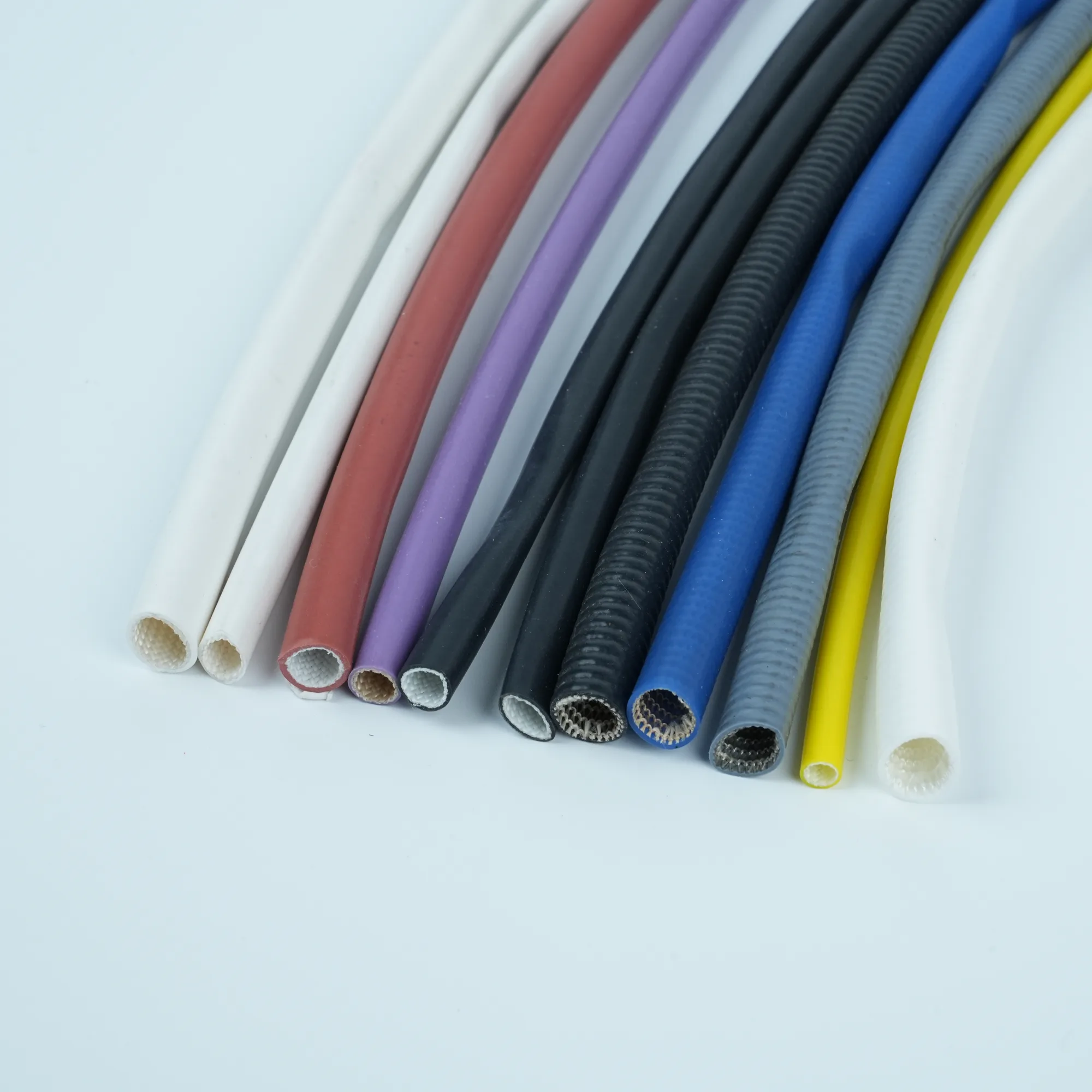
Silicone-coated fiberglass sleeving – The most widely used type. The silicone layer adds oil resistance, improves surface smoothness for easier cable routing, and provides a dielectric barrier rated for approximately 180°C to 200°C continuous service. Suitable for H- and N-class motor insulation, automotive under-hood applications, and household appliance internal wiring.
Silicone rubber fiberglass sleeving (rubber inside, fiber outside) – Combines a flexible silicone inner layer with a durable fiberglass outer braid. This construction improves handling comfort and mechanical durability while maintaining electrical insulation performance for H- and N-class motor and appliance wiring environments.
Fire-resistant fiberglass sleeving (SFT1500 type) – Built with a significantly thicker profile than standard insulation sleeves. The iron oxide–based silicone coating enables this type to withstand short-term thermal spikes up to 1650°C, making it appropriate for furnace feed cables, welding equipment leads, and fireproofing applications where extreme heat exposure is a genuine operating risk.
Electrical and Thermal Performance
Fiberglass sleeving is selected primarily for its dielectric strength and temperature resistance. Dielectric strength typically ranges from 1,500 V to 7,000 V depending on coating type and wall thickness. Silicone-coated grades commonly offer continuous working temperatures from 180°C to 200°C, while uncoated variants can reach well above 400°C. For applications involving high-voltage motor lead insulation or bus bar protection where leakage current cannot be tolerated, verifying the specific dielectric rating—not just the temperature specification—is critical before placing a bulk order.
From a procurement standpoint, one concern that surfaces regularly is how to verify whether a supplier's stated temperature rating reflects real-world performance rather than nominal lab conditions. The practical approach is to request documentation aligned with applicable insulation standard categories—for electrical insulation products, relevant frameworks include material classification, dielectric testing, and flame-resistance verification. Certifications such as UL 224, IEC 60684, and VDE-direction testing are commonly referenced for fiberglass sleeving used in electrical and automotive applications. Keep in mind that the applicable testing framework varies by end-use industry: automotive wire harness applications typically reference different standard categories than household appliance or industrial equipment wiring.
Common Applications by Industry
Fiberglass sleeving serves a wide range of industries, and the right choice depends heavily on the specific working environment. Rather than applying one specification across all scenarios, experienced procurement teams tend to segment their purchasing by application type.
Electric motors and generators – Silicone-coated fiberglass sleeving is used around winding leads and coil insulation for H- and N-class motors. The combination of thermal stability and dielectric performance makes it a cost-effective insulation solution for motor manufacturers and repair operations.
Household appliances – Electric heating elements, ovens, hair dryers, and similar products use fiberglass sleeving around internal wiring where standard PVC insulation would degrade under operating heat. Silicone-coated types provide the flexibility needed for tight routing paths common in appliance assembly.
Automotive wire harness protection – Engine compartment wiring, sensor leads, and exhaust-adjacent harness segments benefit from fiberglass sleeving's resistance to sustained heat and oil vapor. For EV platforms, high-voltage battery system wiring increasingly specifies fiberglass-based protection with verified dielectric ratings to address electrical safety requirements.
Special lighting and electronic equipment – Transformers, ballasts, and high-intensity discharge lighting equipment rely on fiberglass sleeving around lead wires where heat dissipation is significant and conventional plastic would soften over time.
Industrial and renewable energy systems – PV inverter wiring, wind turbine generator leads, and industrial heating element feed cables commonly use silicone fiberglass sleeving or fire-rated grades depending on the operating temperature range and flame-resistance requirement of the installation.
How to Choose the Right Fiberglass Sleeving
Selecting the correct fiberglass sleeving type is not primarily about finding the largest diameter or the highest temperature rating available. In practice, the decision comes down to matching the coating type and dielectric rating to the actual working conditions—and avoiding over-specification that adds cost without providing real protection value.
Key factors to evaluate:
Operating temperature: Determine the continuous working temperature of the cable or component—not just the peak ambient temperature of the surrounding area. Silicone-coated grades typically cover up to 200°C continuous. For short-duration thermal exposures beyond 400°C, fire-rated grades are the appropriate direction.
Dielectric strength requirement: Low-voltage appliance wiring and high-voltage motor insulation have very different dielectric requirements. Confirm the rated dielectric strength of the sleeving against the actual voltage class of the circuit—dielectric performance is a non-negotiable dimension in high-voltage applications, not a secondary specification.
Inner diameter sizing: A widely used guideline is to select a sleeving inner diameter approximately 25–30% larger than the cable outer diameter. This provides enough clearance for installation without excessive slack that could allow movement during operation.
Flame retardancy classification: For applications in motor enclosures, household appliances, or energy storage equipment, flame retardancy is often a mandatory requirement rather than an optional upgrade. It is more efficient to confirm the flame-resistance classification at the specification stage than to discover it is unmet during a supplier audit or customer compliance review.
Cut-end fraying behavior: When fiberglass sleeving is trimmed to length, the cut edge may fray if the braid structure is not secured. Coated types tend to hold their edges better than uncoated grades. For high-volume assembly operations where frayed edges could contact adjacent electrical components, validating cut-end behavior on a sample lot before committing to full production quantities is advisable.
Customization requirements: Applications falling outside standard diameter ranges, or requiring a specific wall thickness for space-constrained installations, benefit from confirming a supplier's ability to adjust production parameters early in the evaluation process. Discovering that non-standard specifications cannot be met after samples are requested creates avoidable timeline delays.
Sourcing Considerations for Global Procurement
For procurement teams managing wire insulation materials across multiple product lines or export markets, the practical value of a supplier with a broader coating range—silicone, fire-resistant, and customizable grades—extends beyond reducing supplier count. It provides the flexibility to match insulation specifications to actual application requirements without switching suppliers when a new project calls for a different heat or insulation rating.
Certification and testing documentation requirements vary significantly across North America, Europe, and Asian markets. Confirming that product documentation aligns with the target market's applicable standard direction at the inquiry stage is considerably more efficient than resolving certification gaps after goods have shipped. If your supply chain covers multiple regions, clarifying this requirement with the supplier at initial contact is a straightforward step that prevents larger coordination issues later.
Quality consistency across production batches is another dimension worth addressing during supplier evaluation. Fiberglass sleeving performance depends on both the base fiber quality and the coating application process—two variables that can produce batch-to-batch variation if production controls are not well managed. Requesting documentation on the quality inspection approach and asking about the supplier's process for handling specification deviations provides useful insight beyond what sample testing alone can reveal.

 KO
KO