EN
2026/08/28
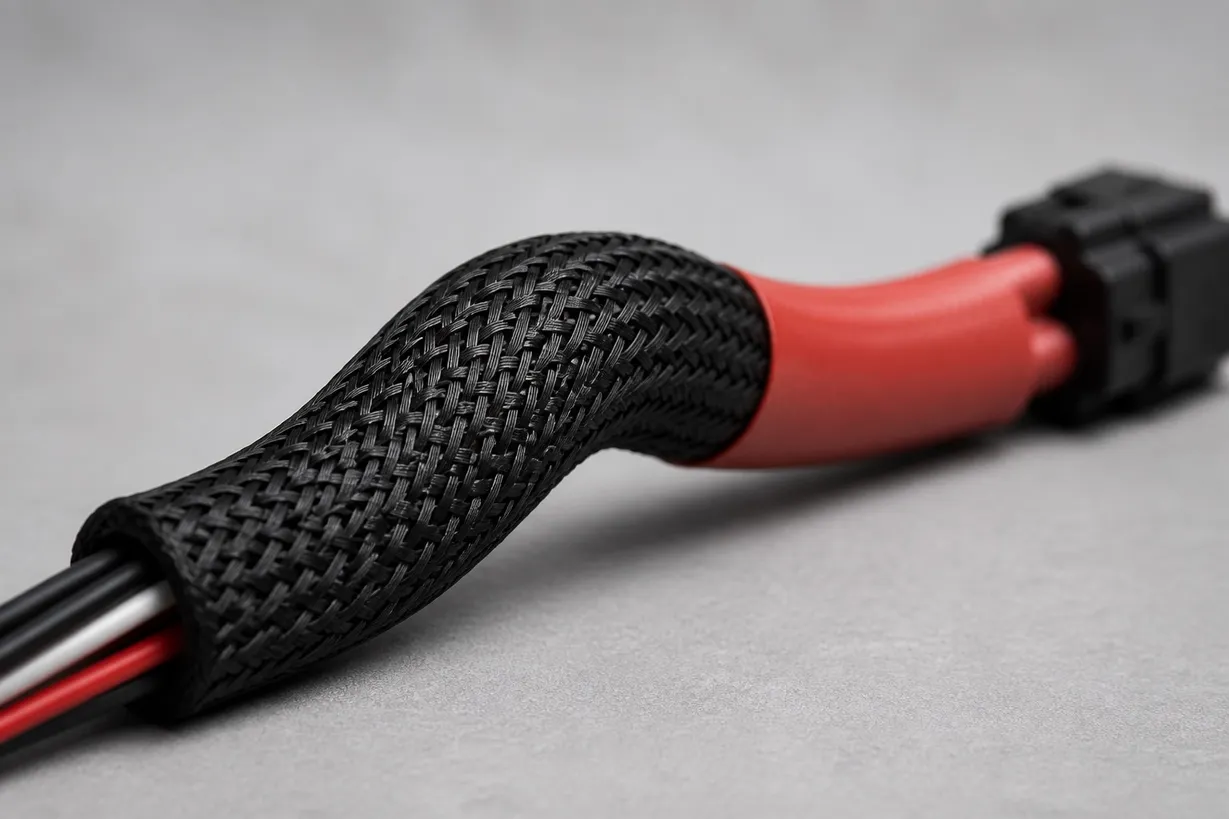
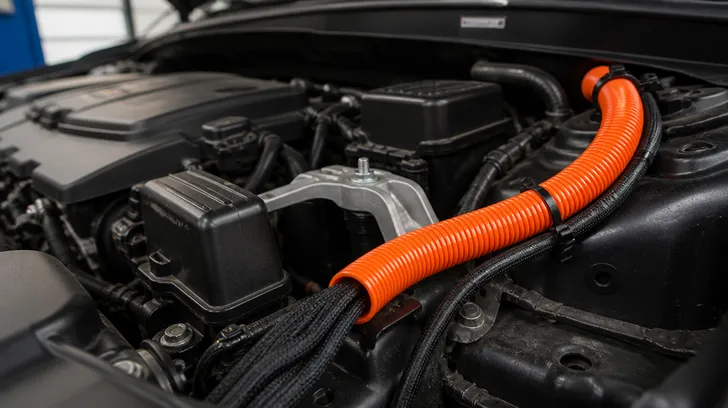
Forecasters disagree on most numbers this year, but not on the direction: demand for cable protection is up, and the requirements behind it are getting harder. Global EV sales are projected to reach 23 million units in 2026 — about 28% of all new cars. Platform voltages are moving to 800 V. The sleeving and tubing segment is growing in the mid-single digits. And stationary storage, barely a cable market a few years ago, is now measured in the hundreds of gigawatt-hours. Four trends explain what is happening.
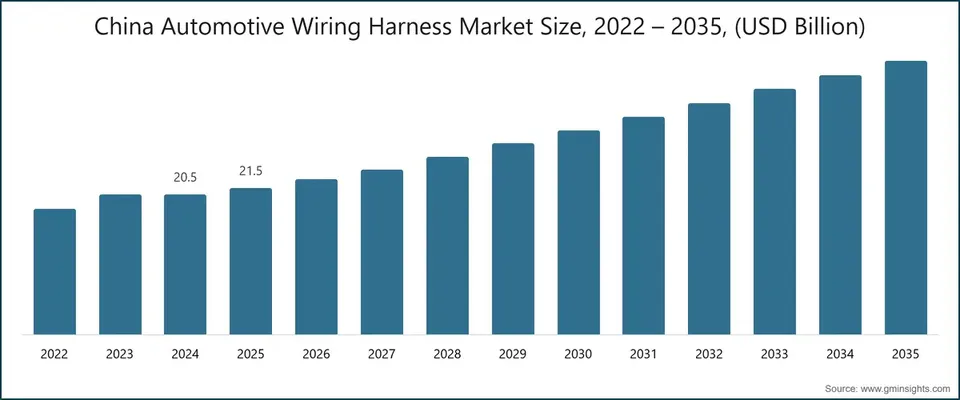
The IEA's Global EV Outlook 2026 projects 23 million electric car sales worldwide this year, roughly 28% of the new-car market; battery-electric models accounted for close to 70% of electric car sales in 2025. Forecasts for the automotive wiring harness market in 2026 range from about USD 55 billion to USD 85 billion depending on scope and methodology, with published growth rates from roughly 2% to 10% a year. The part that matters to suppliers is not the size of the pie but its composition: an EV carries more cable and more protection per vehicle than an equivalent combustion car — high-voltage runs, battery pack wiring, sensing and communication links — and every one of those runs needs insulation, sleeving or conduit specified and documented.
The 800 V electric vehicle architecture market is projected to grow from USD 7.12 billion in 2026 to USD 52.8 billion by 2034 (Fortune Business Insights). For insulation, the practical consequence is a steady tightening of the margin for error. Systems operate at steady-state and transient DC voltages up to 800–1,000 V; spacing gets tighter, thermal loads rise, and flame and heat-aging validation is moving into routine procurement specifications rather than remaining an exception. Suppliers are increasingly asked to document sustained-temperature performance and per-batch test evidence, not just nominal ratings.
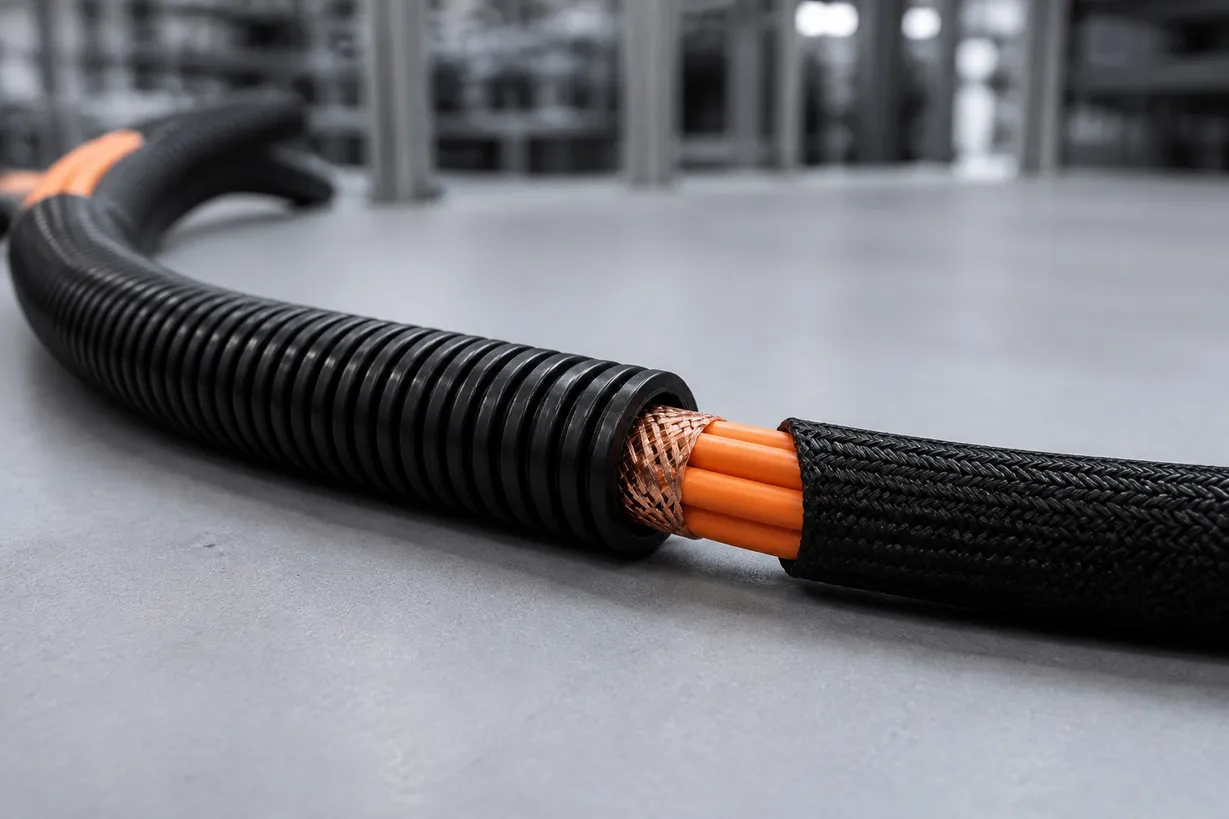
Heat shrink tubing and sleeving products are forecast to grow from roughly USD 2.6–3.3 billion in 2026 to USD 4.2–5.3 billion by 2034–2035, about 5–7% a year across published studies (Fortune Business Insights, Spherical Insights, Market Research Future). Electrification, grid upgrades and EV battery systems appear across most reports as the primary drivers. This is the segment where protection components — conduit, braided sleeving, heat shrink — are specified by the meter and delivered by the batch, which is why supply consistency and documentation carry as much weight as the material itself.
The IEA counts 108 GW of new battery storage capacity added in 2025, up 40% year on year. BESS shipments rose 75.5% in 2025 to 421.2 GWh, with roughly 600 GWh projected for 2026 (Energy Industry Review). Container-scale storage adds real cabling volume per installed megawatt-hour — power, control and communication runs inside racks and containers. In parallel, robotics and automation keep raising demand for dynamic-flex and abrasion-resistant cable protection, where braided sleeving is often the specified answer.
None of these trends depends on new material science. They depend on disciplined verification of what already exists:
What is changing in 2026 is measurable: more vehicles at higher voltage, more storage capacity, and more weight on documented, traceable performance.
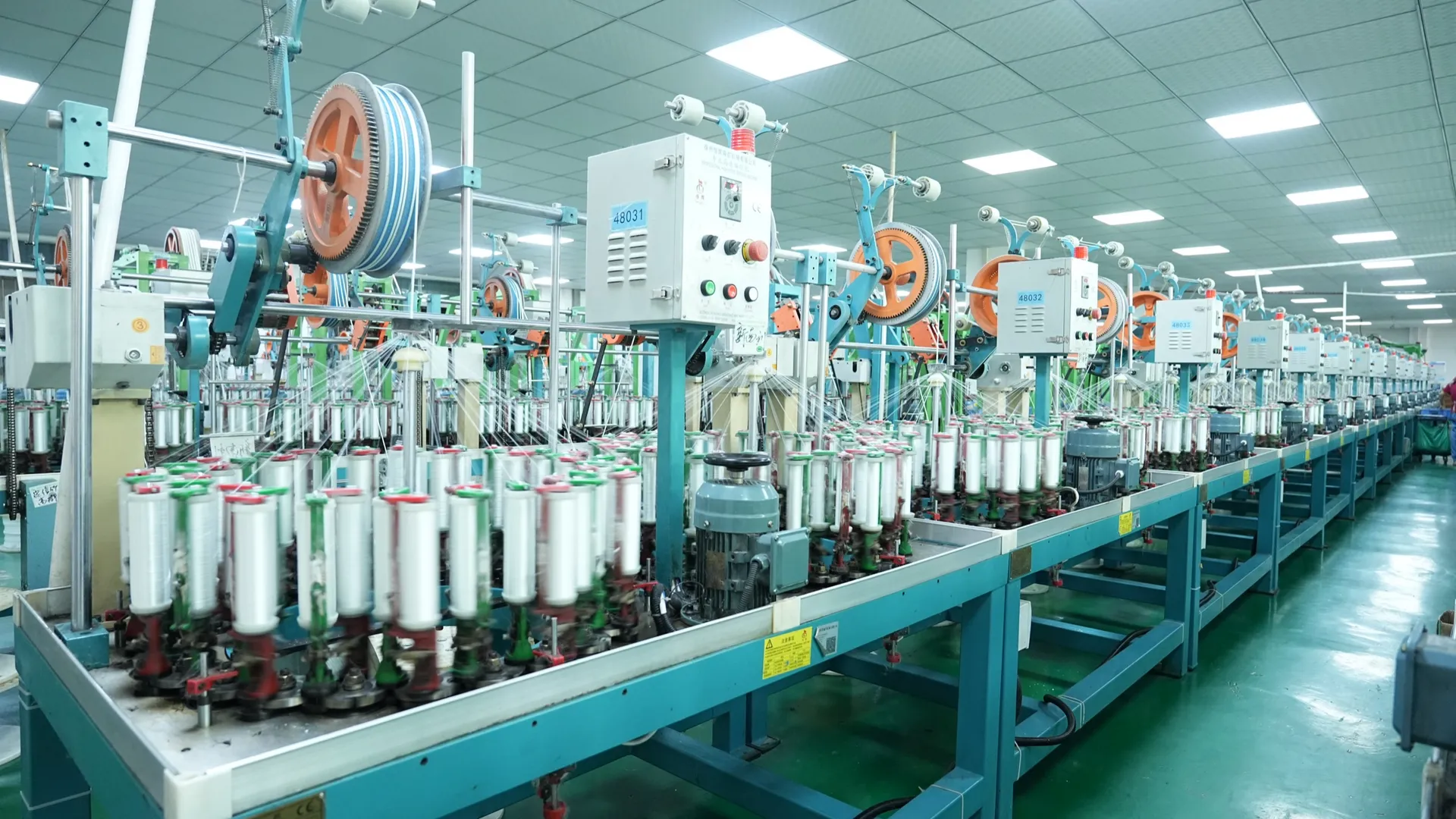
About Chengrun. Dongguan Chengrun Insulation Materials Co., Ltd. is a manufacturer of electrical insulation materials based in Dongguan, Guangdong, China. Six product lines — fiberglass sleeving, convoluted tubing, heat shrink tubing, braided sleeving, adhesive tape and PTFE tubing — are produced, tested and documented in the company's own factory. Products are supplied to manufacturers of EV wire harnesses, motors, home appliances and electronic devices.
Market figures are third-party research forecasts published 2025–2026; estimates vary by scope and methodology and are provided for reference only.
Media & sales contact: [email protected] · +86 137 6308 3951

 KO
KO