EN
2026/09/04
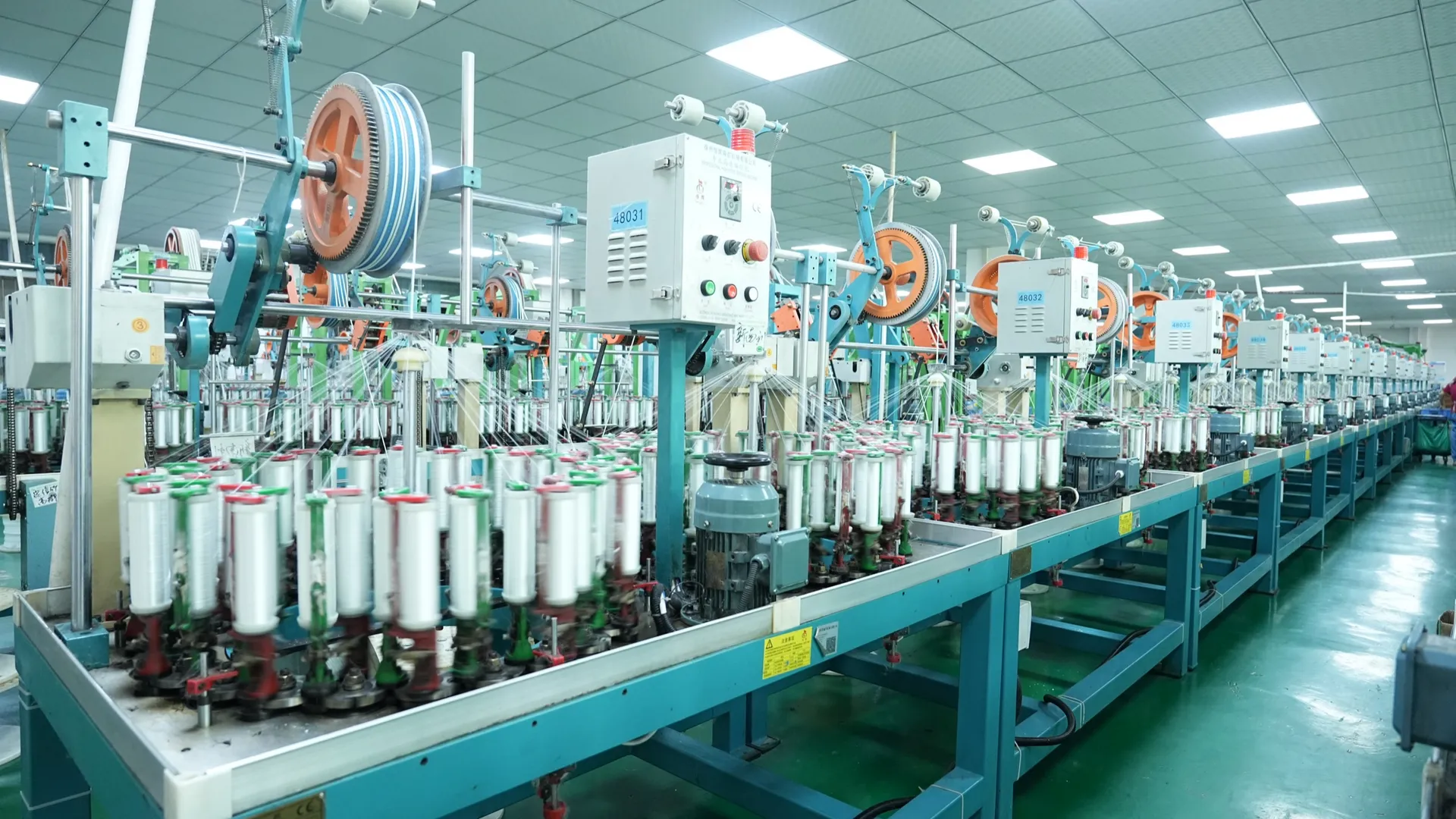
In 2019, Chengrun's modified materials production base was officially commissioned. Equipped with five production lines, the facility primarily manufactures PVC, PP, and PA compounds—supplying both Chengrun's own tubing operations and external customers. For buyers of PVC protective sleeves, PP corrugated tubes, and PA corrugated tubes, this strategic move manifests in two critical shifts: the way products are developed, and the consistency of performance across deliveries.
For wire harness protection tubing, performance is not determined solely at the extrusion stage. Material formulation, raw material stability, and application validation play equally pivotal roles—sometimes even more so. When material R&D and tubing manufacturing operate within the same ecosystem, formulation issues are exposed during the trial-production phase, rather than surfacing only when the product reaches the customer's assembly line.
Different applications impose distinct performance requirements on tubing—operating temperature, flame retardancy, mechanical strength, flexibility, abrasion resistance, and weatherability all influence the choice of material formulation and tubing architecture.
The modified materials base houses a five-person R&D team dedicated to developing PVC, PP, and PA compound formulations. The facility is equipped with material prototyping equipment and shares access to testing apparatus—including tensile, flame-retardant, temperature-resistance, aging, impact, and weatherability testers—with the tubing plant. This enables a tightly coupled workflow: formulation development, material prototyping, tubing trial production, performance testing, and formulation refinement. R&D personnel can continuously optimize the material-product fit based on trial and test results.
Modified formulations strike a balance between temperature resistance, flame retardancy, and flexibility. Representative products operate across a temperature range of −40 °C to +125 °C, achieve UL 94 V-0 flame retardancy, deliver tensile strength above 18 MPa, and elongation at break exceeding 300%—providing a robust material foundation for wire bundling, protection, and installation.
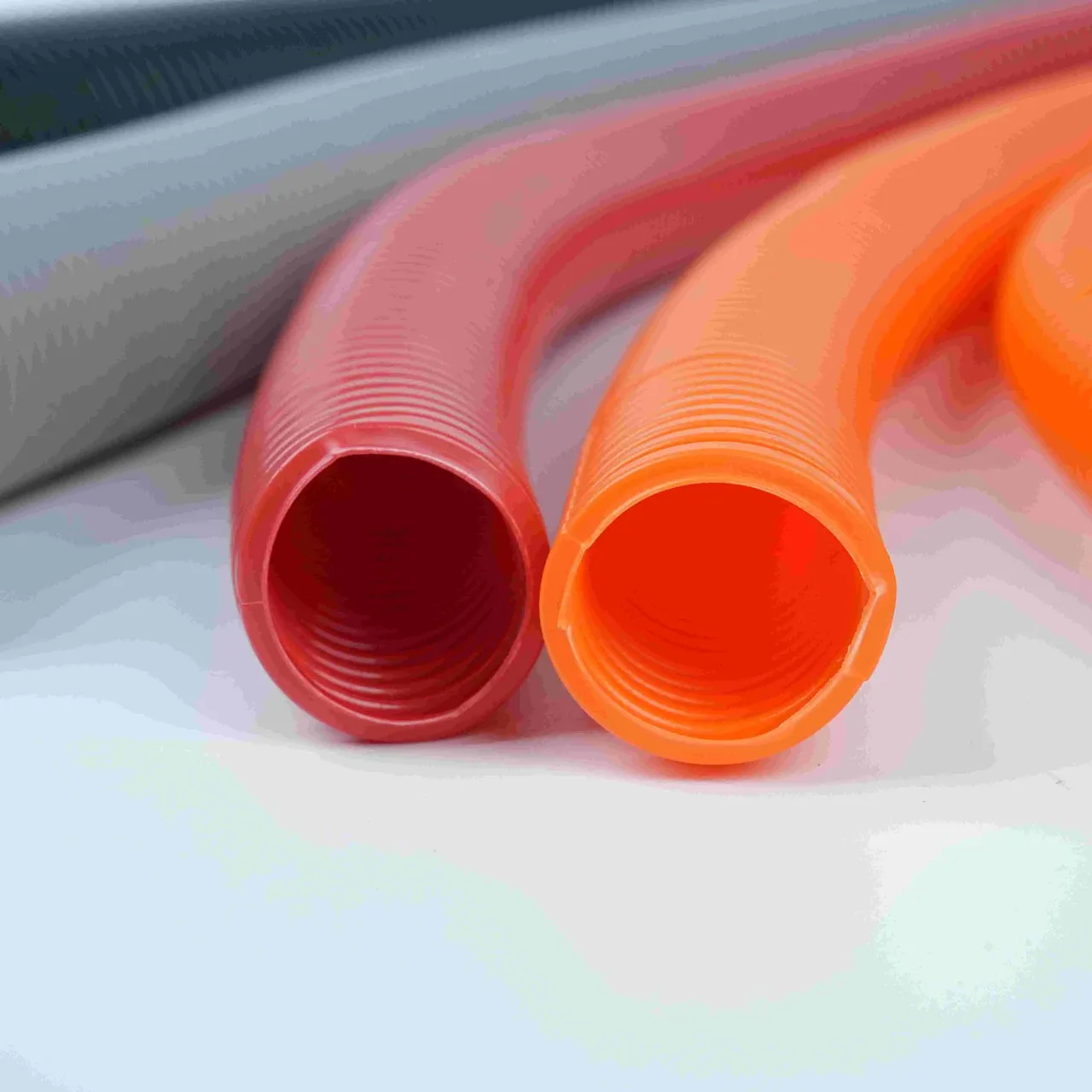
Modification efforts focus on flame retardancy, impact resistance, and long-term aging performance. Representative products operate from −40 °C to +125 °C, meet UL 94 V-0, and can be validated to FMVSS 302 upon request for automotive wiring projects. They remain crack-free after 125 °C × 3,000 hours and 150 °C × 240 hours of heat aging—a level of long-term stability that automotive and industrial equipment rely on over years of service.
Emphasis is placed on high-temperature resistance, low-temperature toughness, abrasion resistance, and weatherability. High-temperature-grade representatives operate from −40 °C to +150 °C and achieve UL 94 V-0; they remain crack-free after 150 °C × 3,000 hours and 175 °C × 240 hours of heat aging, making them suitable for wiring applications demanding high thermal and mechanical protection.
The above data reflect test results for representative formulations and products under specified conditions. Actual performance may vary depending on formulation, tubing geometry, wall thickness, specifications, and testing parameters; final performance is subject to mutually agreed product specifications and corresponding test reports.
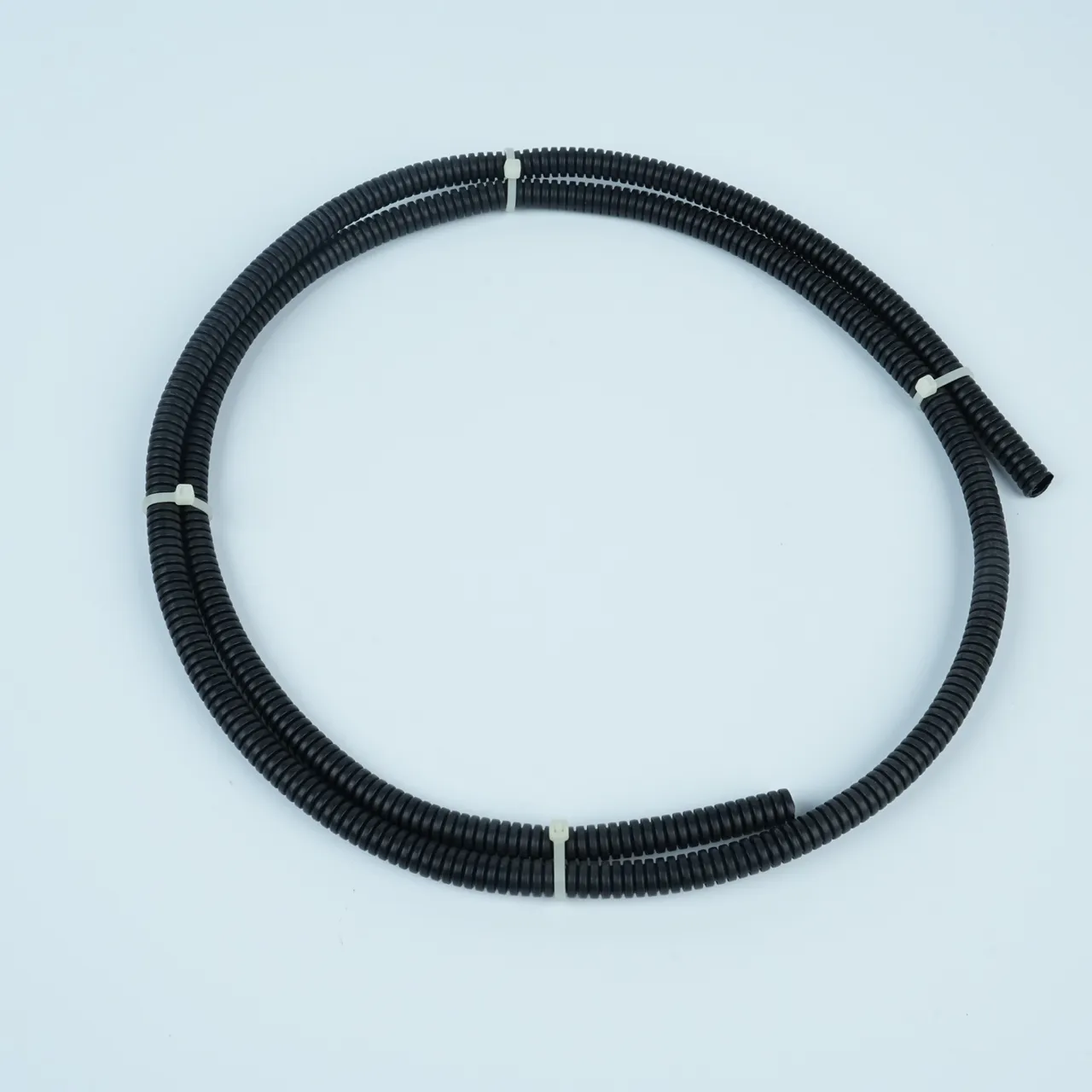
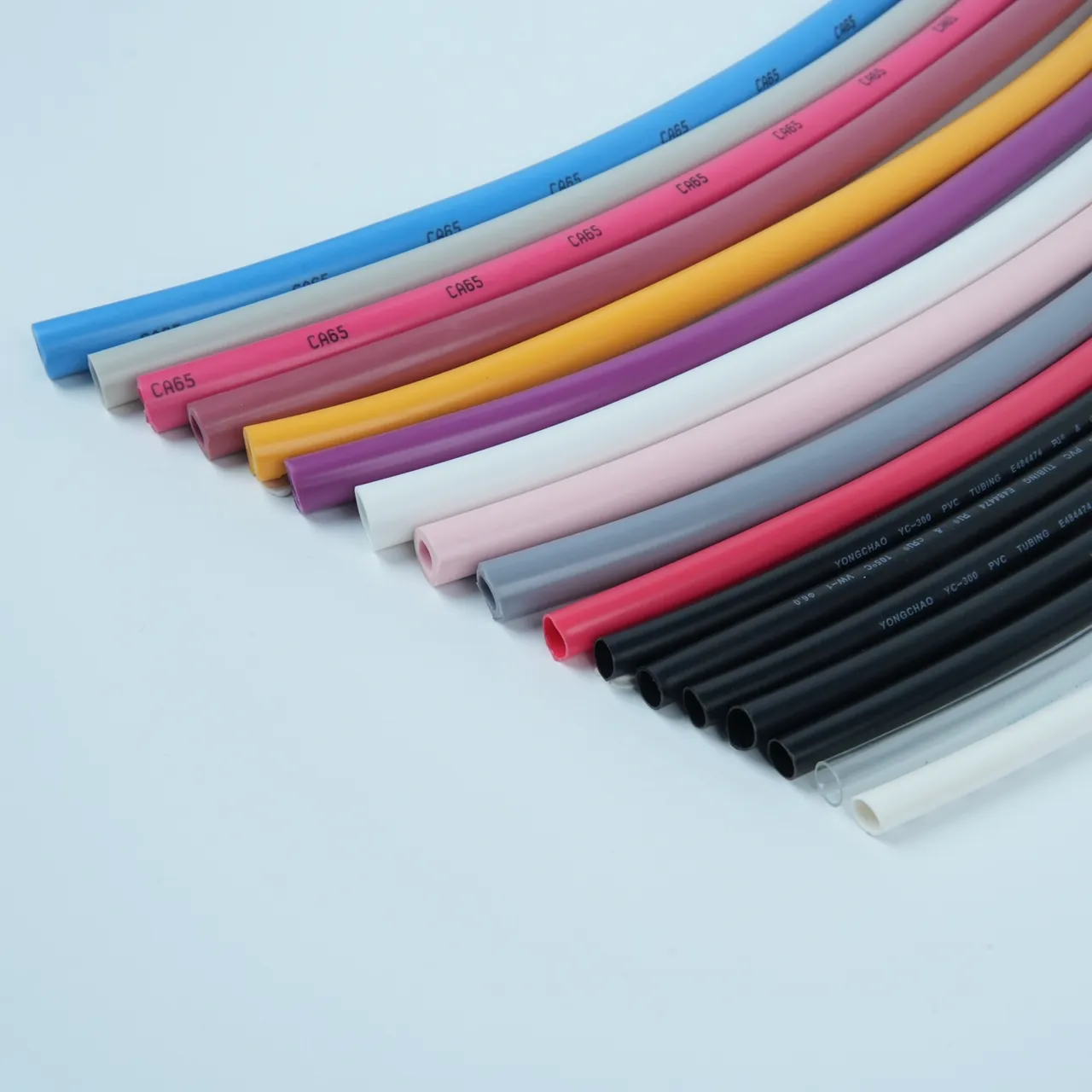
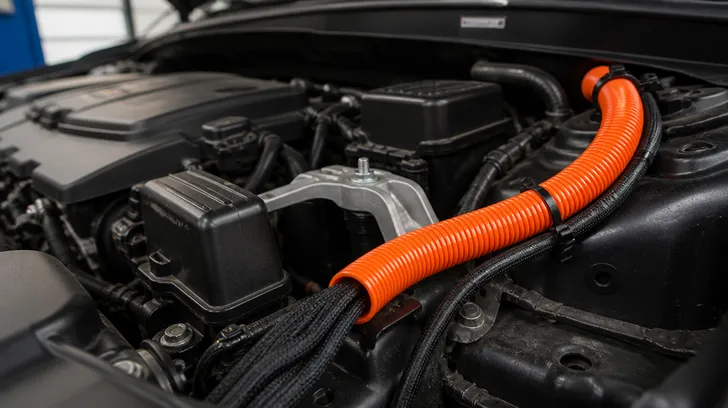
Once modified materials are prototyped, they are immediately fed into tubing trial production and subjected to flame-retardant, high/low-temperature, heat-aging, tensile, impact, and weatherability tests per product requirements. Validation extends from the material stage through to the finished product, enabling earlier detection of mismatches among processing, forming, and end-use performance.
When test results deviate from targets, the R&D and production teams can diagnose and adjust from three angles: material formulation, manufacturing process, and product geometry. The same formulation, same equipment, and same inspection records accompany each batch—providing a traceable foundation for product consistency and continuous improvement.
For projects with specific performance criteria, customers may provide details on actual application, continuous and peak temperatures, flame-retardant standards, wiring harness outer diameter, mechanical protection needs, weatherability, color, packaging, and more. Chengrun's materials R&D and tubing production teams jointly conduct technical assessments, performing formulation matching, material prototyping, tubing trial runs, and performance verification tailored to project requirements—ensuring that material development and finished-product manufacturing no longer operate as disconnected silos.
The modified materials base also enhances coordination between material preparation and tubing production scheduling, improving responsiveness in sampling and manufacturing, and lending greater predictability to order fulfillment. Specific lead times remain subject to product specifications, performance requirements, order quantity, and material readiness.
These developments do not alter the appearance of the tubing. What they change is Chengrun's speed in matching materials to specific applications, and the depth of insight into product performance before it ever leaves the factory. For wire and cable protection projects with stringent specifications, the true value lies precisely in these unseen material endeavors.
Dongguan Chengrun Insulation Materials Co., Ltd., based in Dongguan City, Guangdong Province, China, is a manufacturer of electrical insulation materials. Its six product lines—fiberglass sleeving, corrugated tubing, heat-shrink tubing, braided sleeving, insulating tape, and PTFE (Teflon) tubing—are all produced, inspected, and documented in-house. Products are supplied to manufacturers of new-energy vehicle wiring harnesses, motors, home appliances, and electronic equipment.
Media and Sales Inquiries: [email protected] +86 13763083951

 KO
KO