Polyethylene Conduit Tubing for Cable Routing
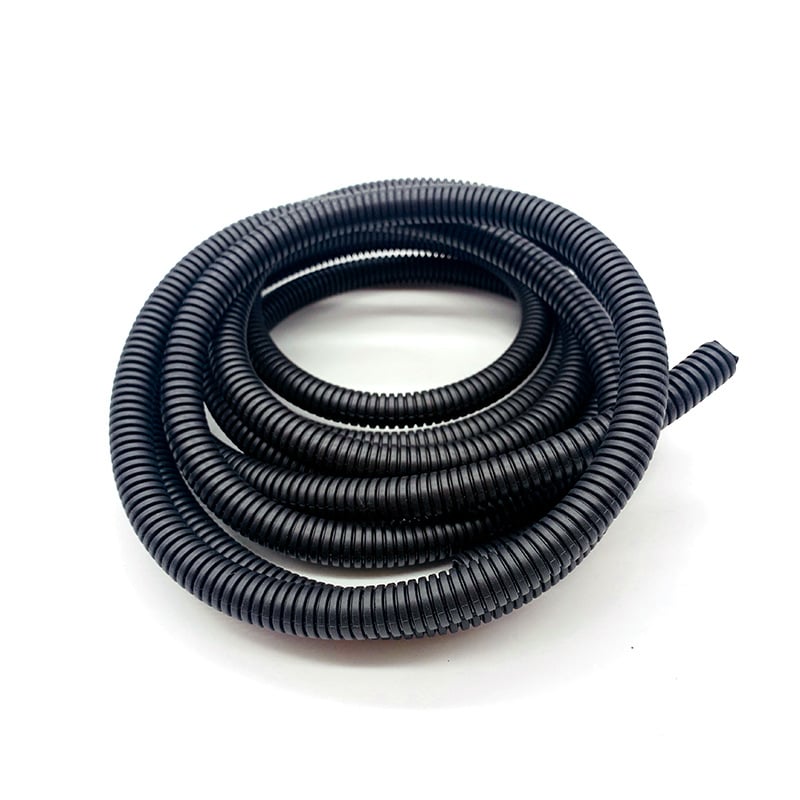
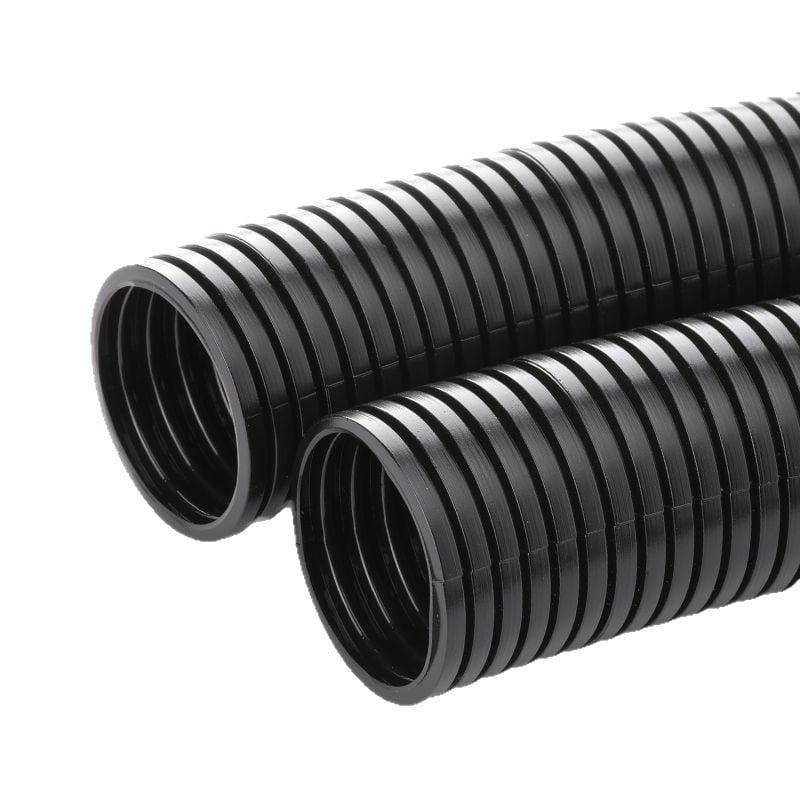
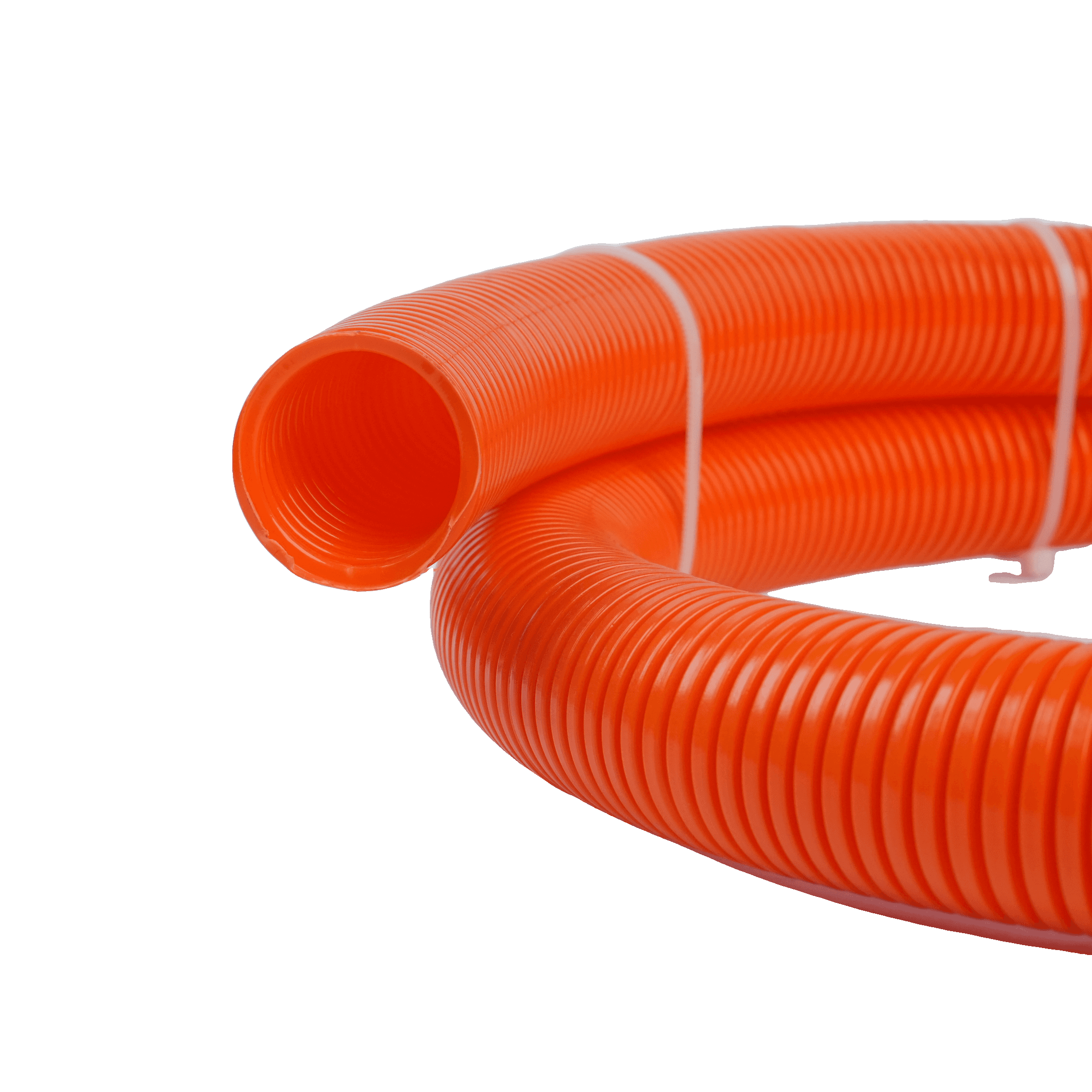
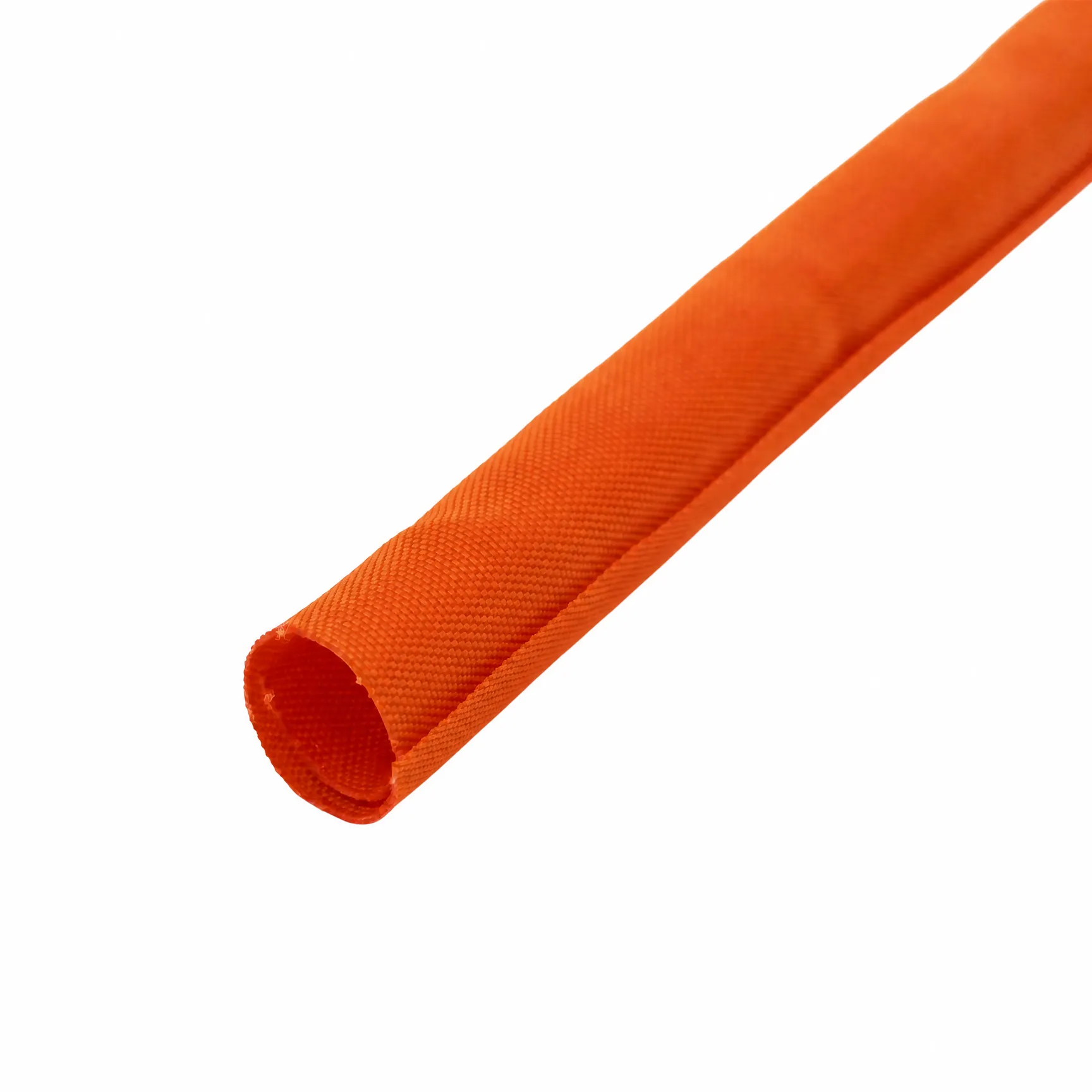
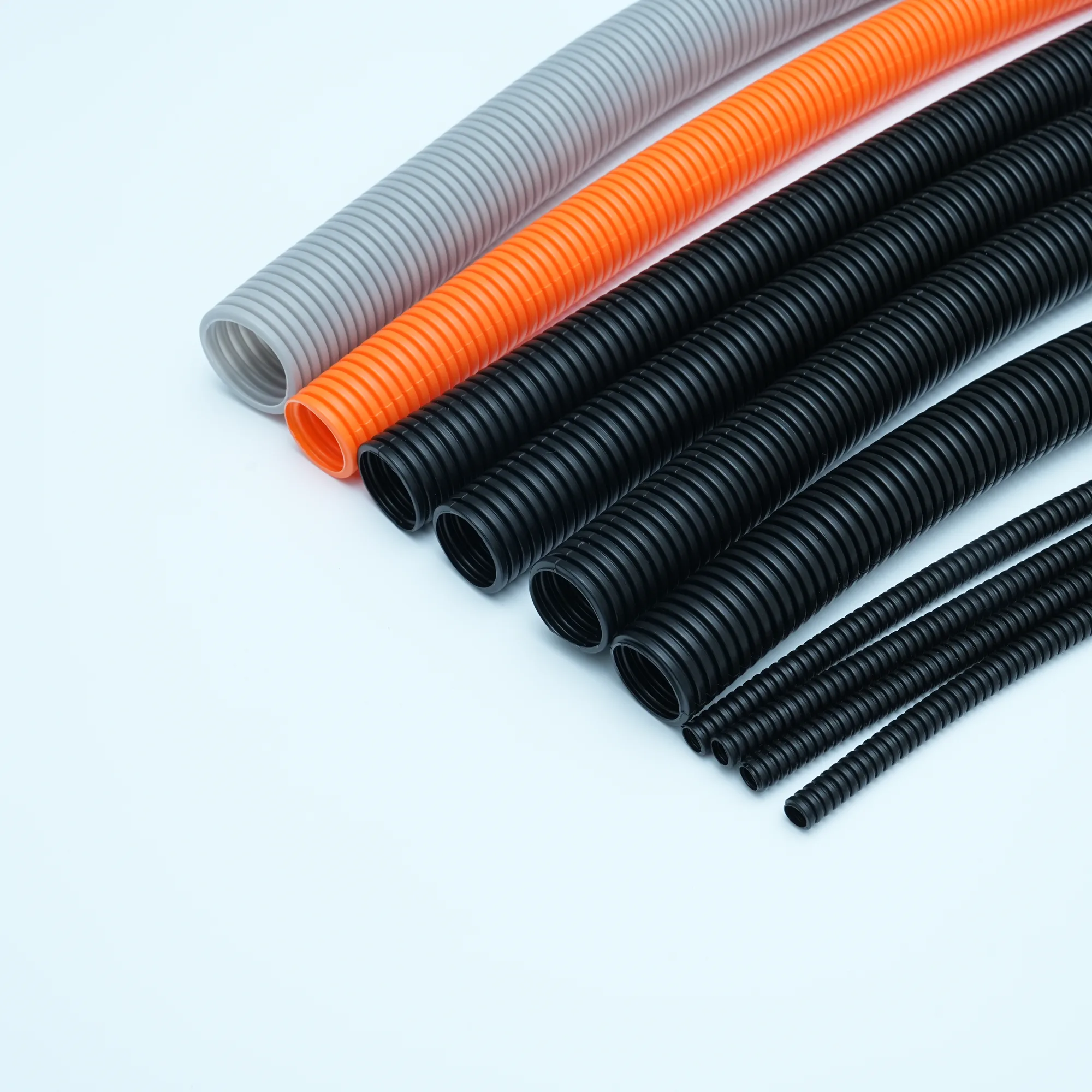
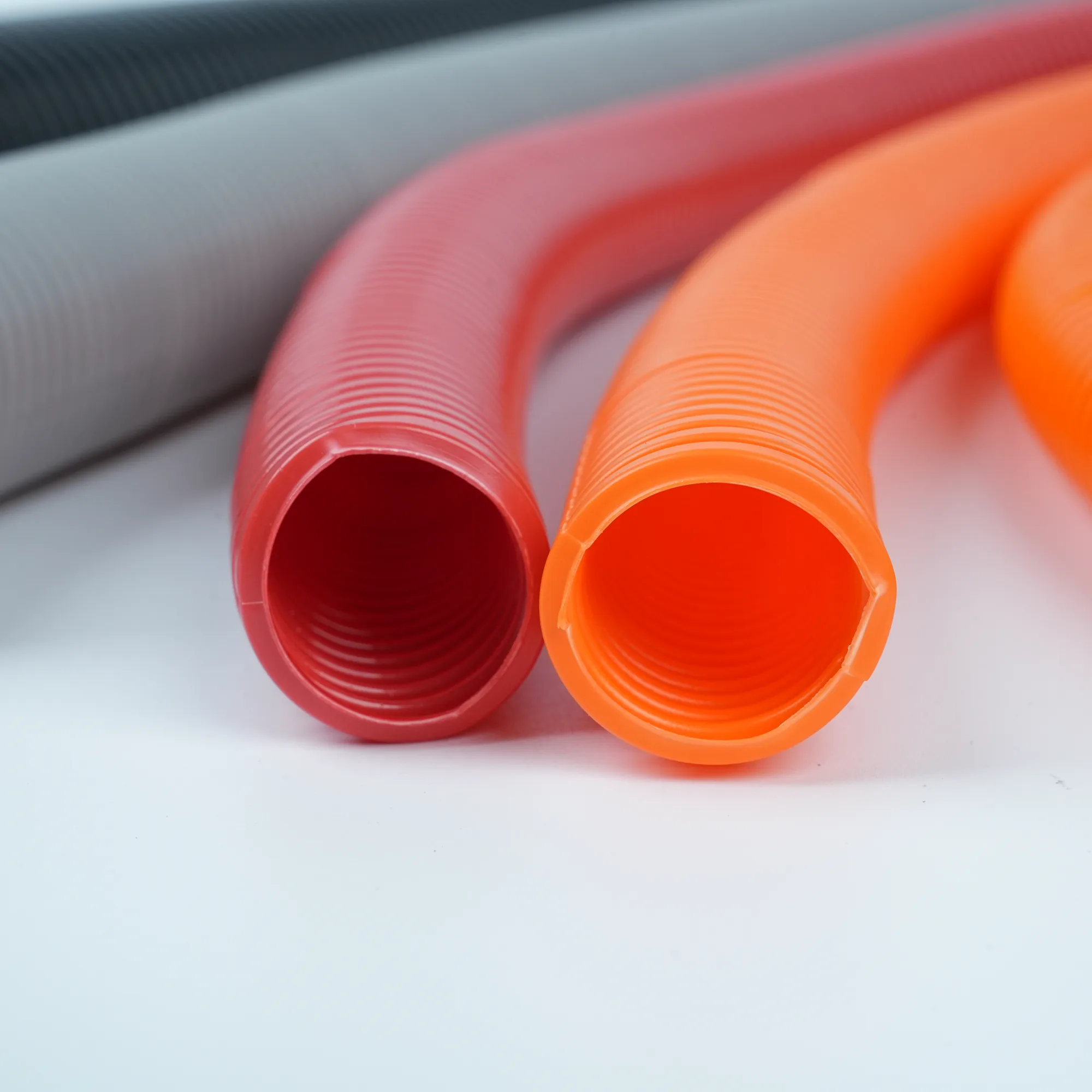
Polyethylene Conduit Tubing is a double-sided corrugated cable protection tube for organizing and shielding wires along automotive, machinery, and electrical equipment routes. Its corrugated construction helps the tube follow bends and route changes while creating a protective layer around cable bundles. Polyethylene Conduit Tubing is intended for wiring paths where friction, compression, and surface abrasion can affect exposed wires. The available PE construction combines flexibility with a smooth corrugated profile, making it a practical option for protected routing where the cable path must turn, pass through limited space, or remain easier to identify during service.
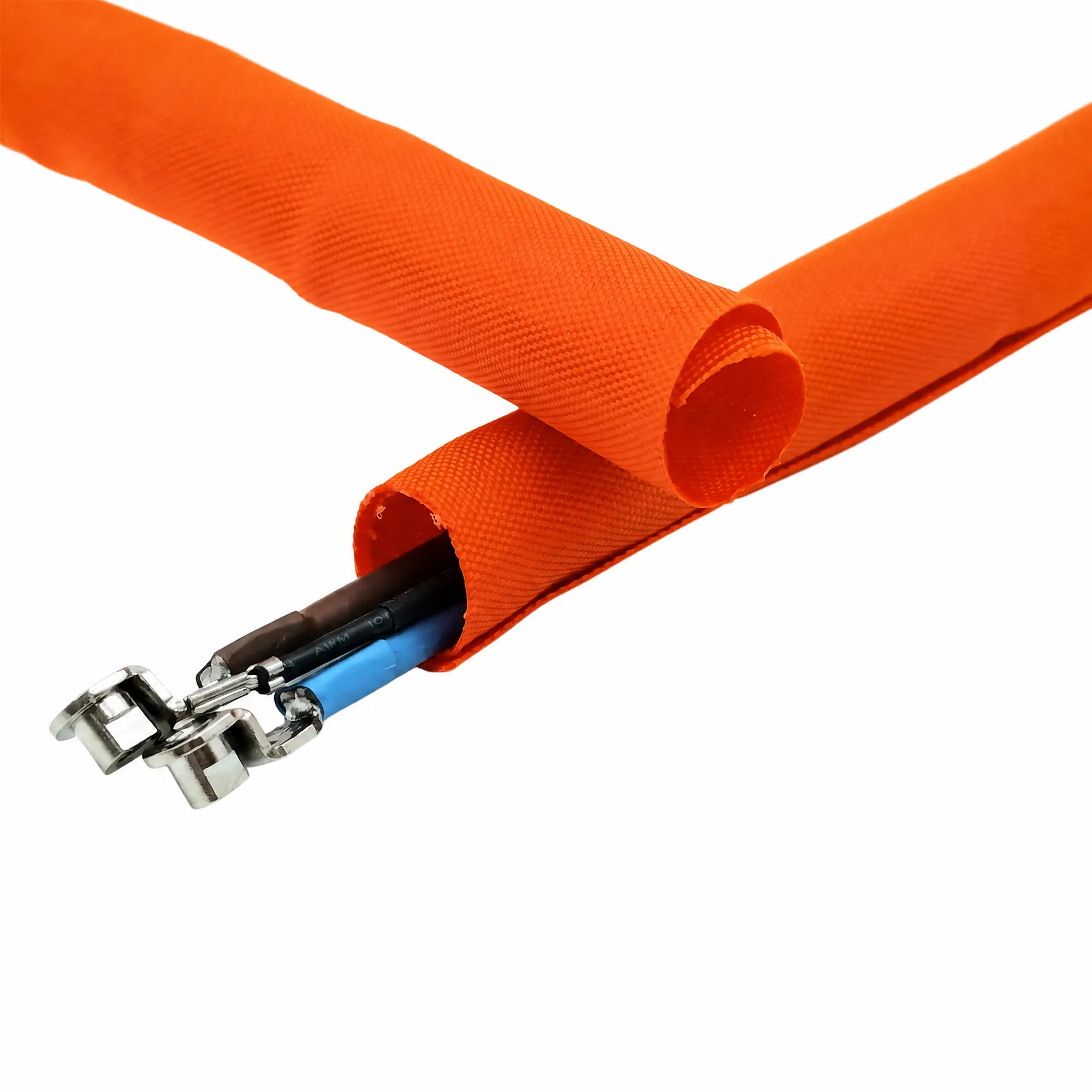
In a cable assembly, Polyethylene Conduit Tubing is not merely a covering placed around a harness. The selected inside diameter, bend path, fixed points, and installation method all affect the result. A tube that is too tight can make insertion difficult, while excessive clearance may allow unnecessary movement at support points. For this reason, the listed size range and the actual bundle layout should be considered together before installation. Polyethylene Conduit Tubing is available in both slit and non-slit versions, so the construction can be matched to whether the harness is being assembled before routing or protected around existing wiring.
Verified Material and Construction Details
Polyethylene Conduit Tubing is made from polyethylene and has a corrugated profile on both the inside and outside surfaces. The existing product information lists an operating temperature range of -30°C to 105°C. It also lists resistance to environmental stress cracking, chemical media, and oil, along with electrical insulation properties. These characteristics are useful when a wiring route needs a flexible physical barrier, but final suitability should still be checked against the actual temperature, fluid exposure, movement, and system requirements of the installation.
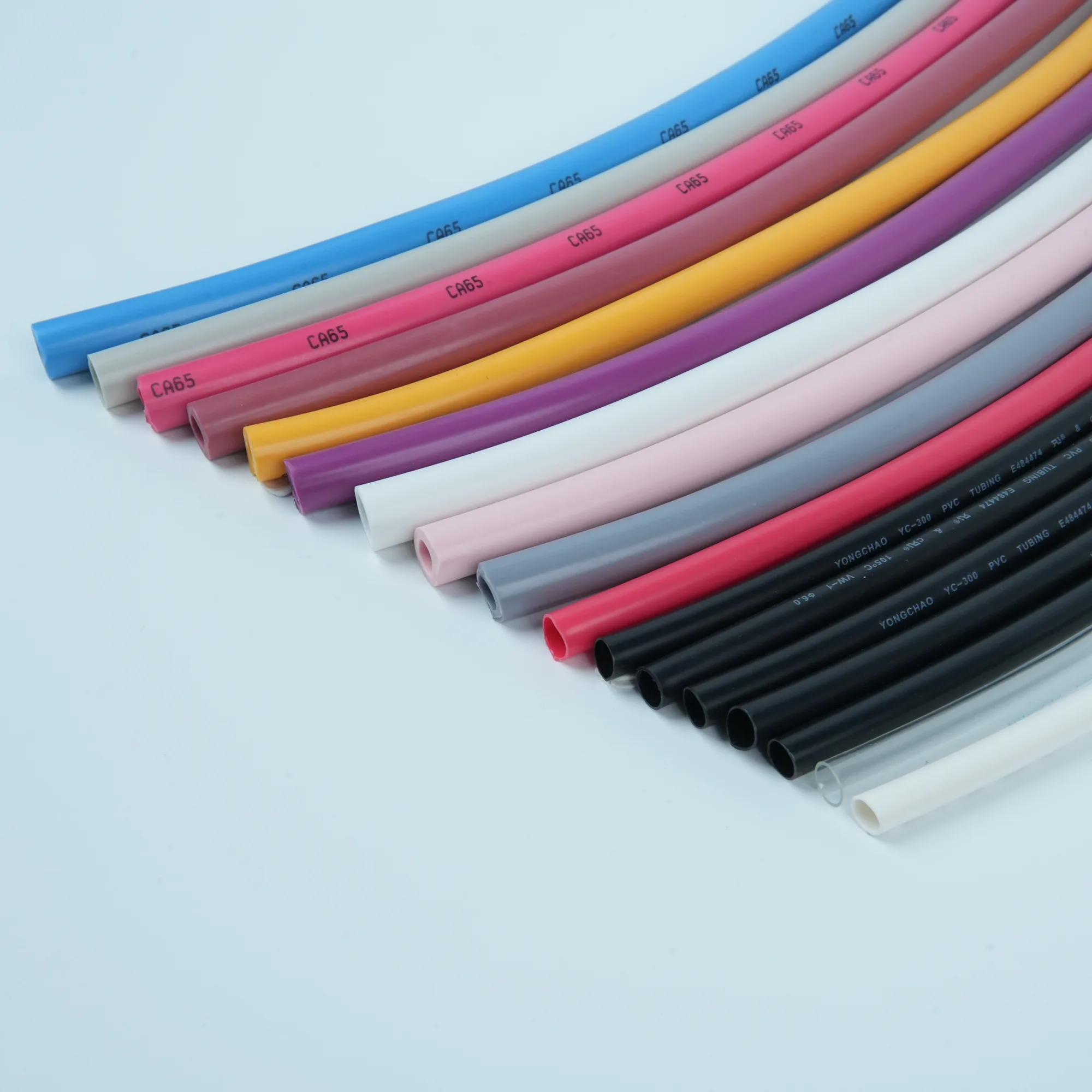
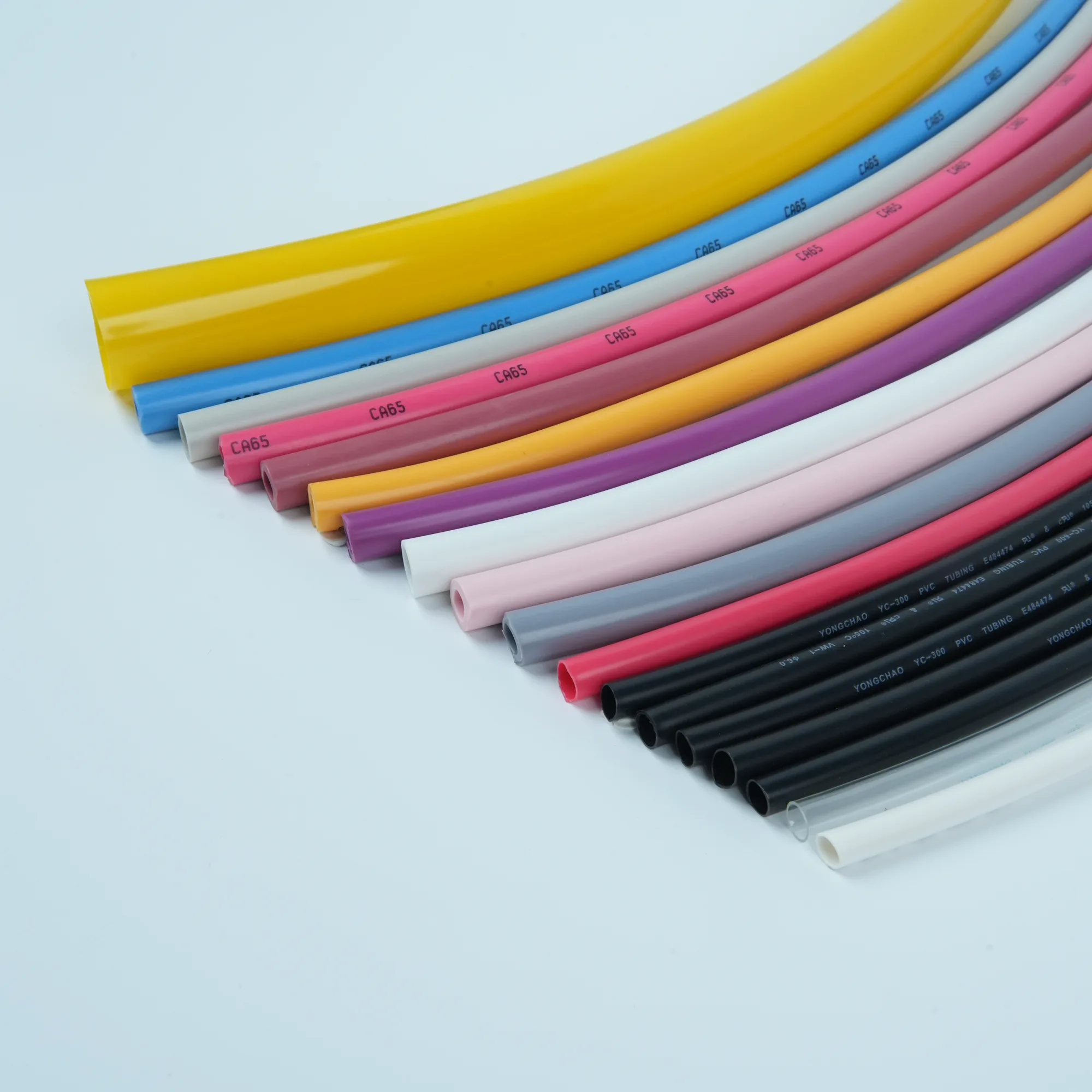
The available nominal size range extends from Φ5.0 to Φ48.0 mm across 19 standard sizes. Listed specifications include inner diameter, outer diameter, total wall thickness, minimum bending radius, and roll length. This range gives installers a starting point for matching Polyethylene Conduit Tubing to individual wires or bundled harnesses. The detailed specification table supplied with the product should be used when a particular diameter, wall thickness, or bend radius is required. Custom colors are also listed as available, allowing the tubing color to be aligned with a wiring layout or identification preference.
-
Flexible corrugated form: Polyethylene Conduit Tubing supports routing through curved or space-limited cable paths.
-
Double-sided corrugation: the construction is designed to create a protective passage for wires while keeping the tube flexible.
-
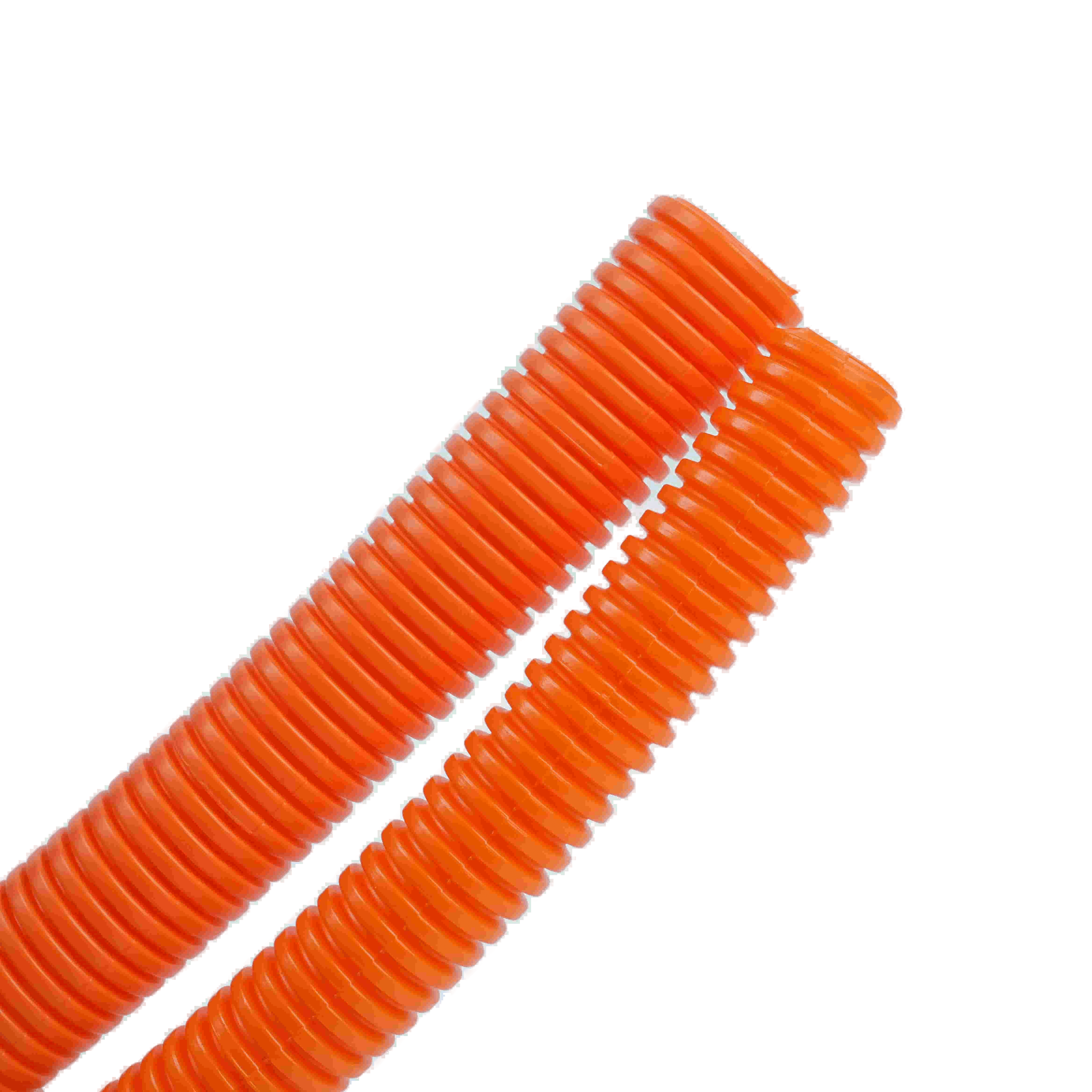
Slit and non-slit options: choose a slit construction when wrapping existing wiring is needed, or a non-slit construction for routing wires through the tube.
-
Listed temperature range: existing product data states -30°C to 105°C.
-
Size coverage: standard options span Φ5.0 to Φ48.0 mm, with color customization listed as available.
Use in Cable Protection Applications
Polyethylene Conduit Tubing can be used for automotive body, door, dashboard, lighting, and chassis wiring where a flexible corrugated covering is appropriate. In these areas, the tube can help separate a harness from surrounding surfaces and help reduce direct rubbing against edges or neighboring components. For engine-bay or other demanding vehicle locations, installation conditions and required system standards should be confirmed before selection because cable protection requirements vary by vehicle location and operating environment.
For machine tools, automated processing equipment, industrial robots, and servo-motor peripheral cabling, Polyethylene Conduit Tubing provides a routeable protective channel for fixed harnesses and organized wiring runs. A corrugated form can be especially useful where the route includes bends or where cable bundles need a defined protective sleeve. In control cabinets, PLC systems, sensors, industrial meters, and electrical panels, Polyethylene Conduit Tubing can also support neat cable routing and mechanical protection for power or signal wires.
Building structured-cabling and equipment wiring are further examples of listed uses. Polyethylene Conduit Tubing can be considered for signal and fiber-optic line protection where its available size and installation format fit the cable bundle and routing plan. Selecting a tube should begin with the bundle diameter and the bends in the path rather than relying on outside diameter alone. If future cable additions, clamps, connectors, or tighter turns are part of the layout, provide those details when requesting a size recommendation.
Performance Information from Existing Product Data
The existing material lists test references including ASTM D-792 for relative density, ASTM D-1238 for melt flow rate, ASTM D-1693 for environmental stress cracking, ASTM D-638 for tensile strength and elongation at break, ASTM D-150 for electric constant and loss factor, and ASTM D-257 for volume resistivity. Listed values include a relative density of 0.943, a melt flow rate of 0.85 g/10 min at 190°C/2.16 kg, environmental stress cracking of 96 hours under the stated test condition, tensile strength of 20 KJ/mm as presented in the original data, elongation at break of 400%, an electric constant of 2.33, a loss factor of 0.0003, and volume resistivity of 1.00E+15 Ω·cm at 23°C.
These data points describe the supplied product information and should be interpreted together with the relevant application standard. Polyethylene Conduit Tubing should be selected based on the conditions it will encounter, including cable type, bend radius, support spacing, temperature, and contact with fluids or moving surfaces. A listed material property does not replace system-level verification for a specific installation. When the product is intended for a regulated application, confirm the applicable requirements with the project specification.
Choosing Slit or Non-Slit Tubing
Slit Polyethylene Conduit Tubing is useful when a harness is already terminated or when the cable run cannot be disconnected for installation. The longitudinal opening permits the tube to be placed around the wiring. Non-slit Polyethylene Conduit Tubing is suited to routing wires through the tube during assembly, creating a continuous enclosure around the bundle. Neither option is universally better; the practical choice depends on the assembly sequence, service needs, bundle geometry, and required coverage.
For either format, allow for realistic routing conditions. Sharp path changes, mounting points, and cable exits deserve attention because they influence how the tube sits around the bundle. Polyethylene Conduit Tubing is designed to be flexible, but its minimum bending radius should still be respected for the chosen size. Confirm the exact specification when a route has limited space or an unusually tight bend. This approach helps keep the conduit aligned with the harness rather than forcing the harness into an unsuitable path.
Request Product and Size Information
Polyethylene Conduit Tubing offers a flexible corrugated option for cable protection in automotive, industrial machinery, automation, electrical-control, and building-cabling applications. To identify an appropriate construction, share the wire-bundle diameter, desired slit or non-slit format, routing conditions, expected operating temperature, required color, and any relevant technical requirements. Product information can then be matched to the application more accurately.
Although the keywords red shrink tubing and silicone rubber coated sleeving may describe other cable-protection product categories, Polyethylene Conduit Tubing is the product described on this page. Contact us for available Polyethylene Conduit Tubing sizes, color options, and details from the supplied specification data.
 EN