PI High Temperature Tape-PI5300 for Heat-Resistant Masking and Insulation
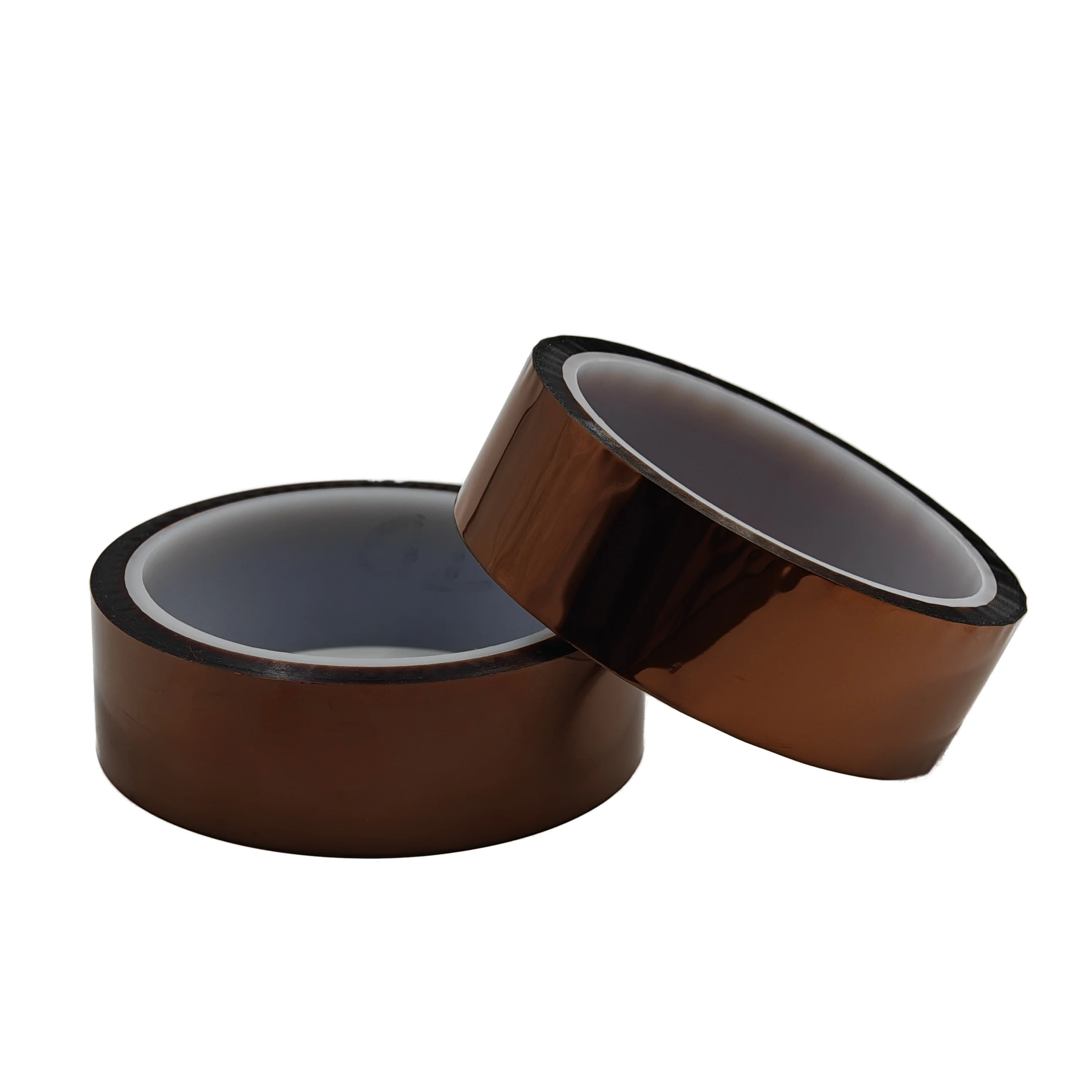
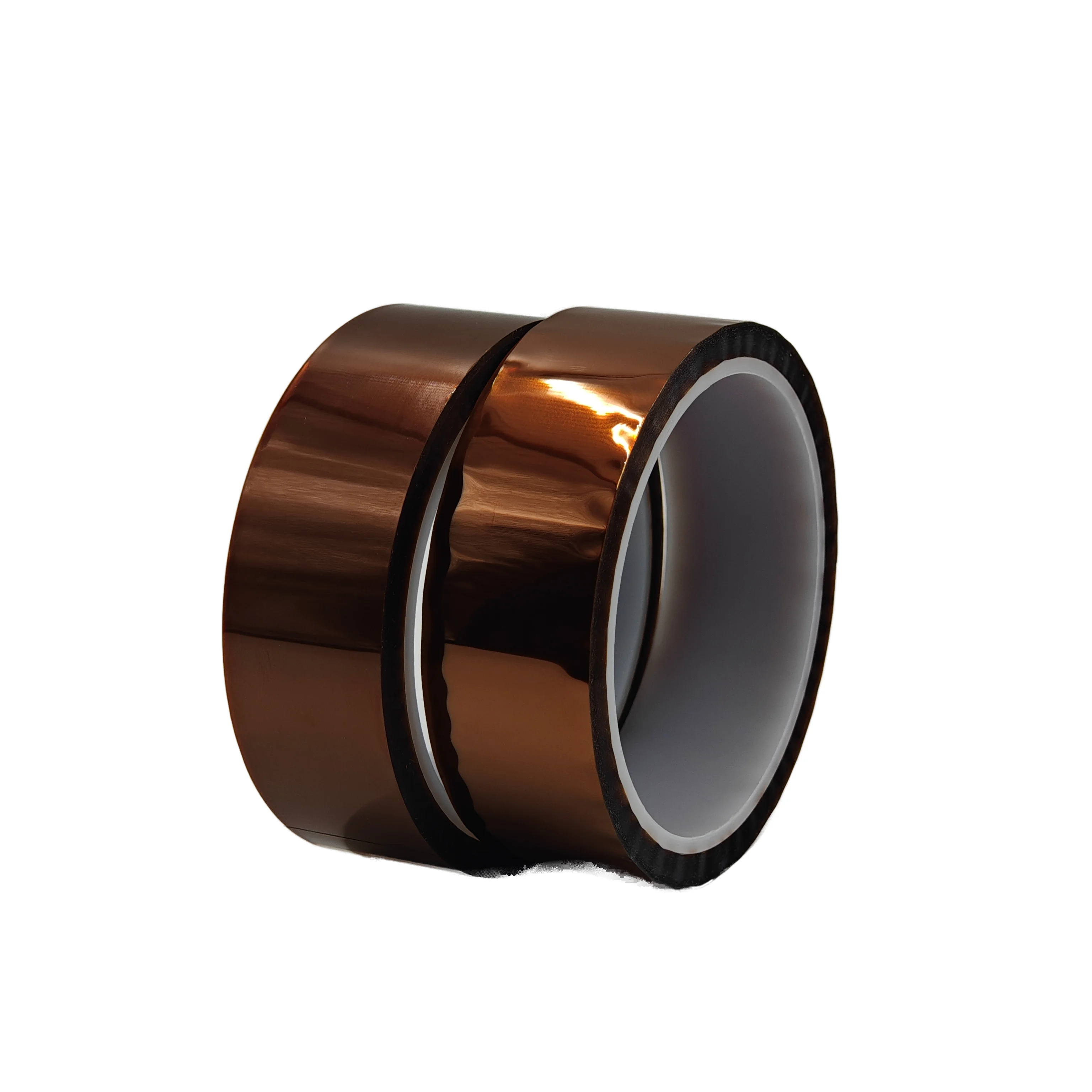
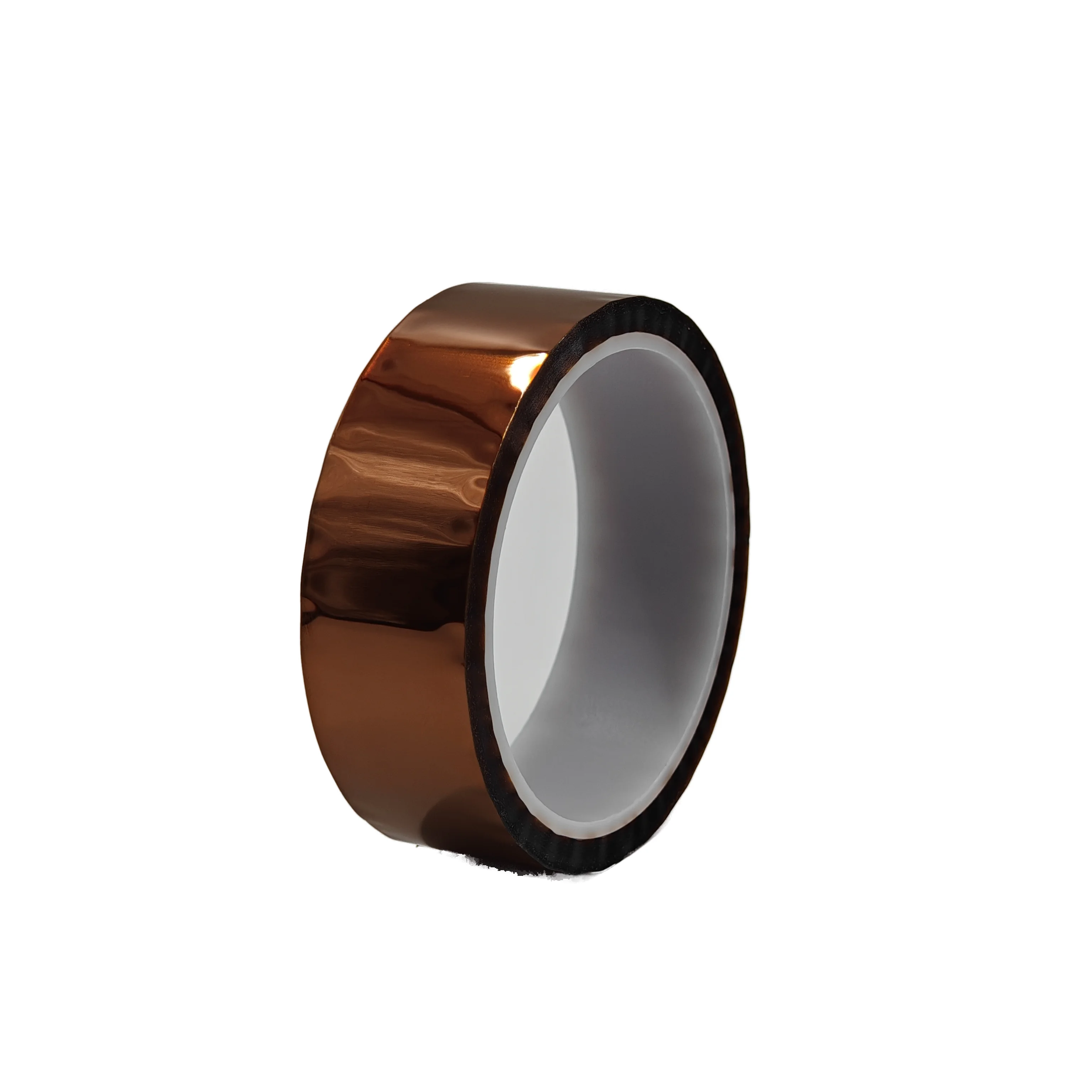
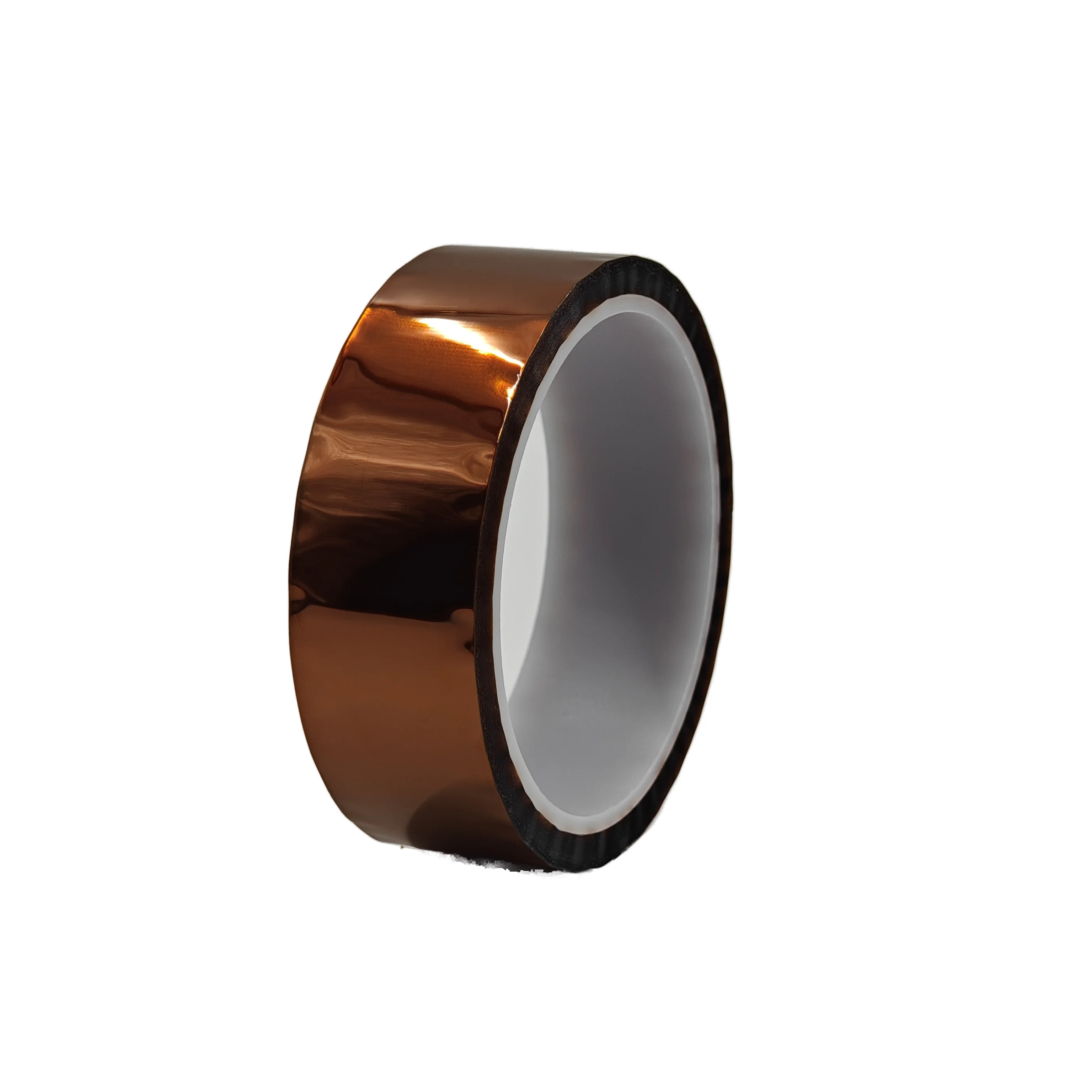
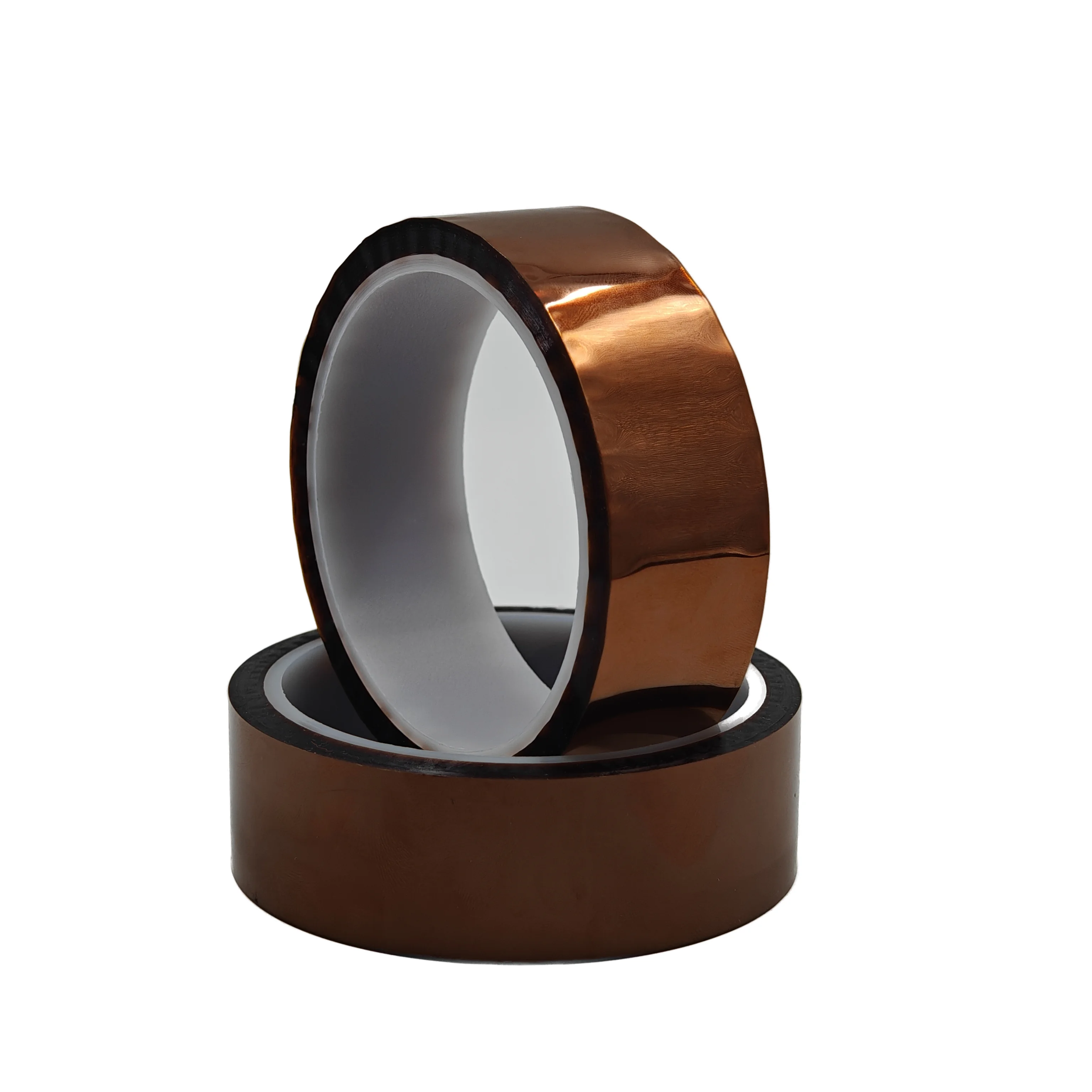
PI High Temperature Tape-PI5300 is an amber polyimide film tape coated with silicone pressure-sensitive adhesive. The supplied product information identifies it as PI5300 and lists it for work where a thin tape is needed during high-temperature spraying, surface treatment, or electrical insulation evaluation. this tape is not presented as a universal answer to every hot-process problem. Instead, its value depends on the actual temperature profile, exposure time, surface condition, part geometry, and removal procedure.
For a production engineer or buyer, this tape should be assessed as part of a complete process. A tape that performs appropriately on a clean, smooth panel may respond differently on a contoured part, a textured substrate, or a surface carrying process residues. The source data gives useful starting points, while representative trials remain the practical way to confirm a specific application.
For PI High Temperature Tape-PI5300, document the approved process window on representative parts. Confirm the tape is appropriate before production release, especially where temperature, electrical design, coating quality, or removal requirements are critical.
Material Construction and Product Definition
this tape uses polyimide film as the backing and silicone pressure-sensitive adhesive as the adhesive layer. This construction combines a thin film with an adhesive system intended to hold the tape in position during the stated process uses. The amber backing makes the tape visually distinct during placement and removal. this tape is described in the supplied material as flexible enough to follow curved or irregular structural parts.
The purpose of this tape is more specific than simply tolerating heat. During a masking operation, the tape needs to make a close edge, remain positioned while the process is performed, and then be removed in a controlled manner. During an insulation-related evaluation, the tape is only one part of a complete electrical design. These are different decision paths, even when the same tape is under consideration.
Core Technical Data
| Property |
Typical listed value |
| Product No. |
PI5300 |
| Color |
Amber |
| Substrate |
Polyimide film |
| Adhesive |
Silicone pressure-sensitive adhesive |
| Total thickness |
0.050 ± 0.002 mm |
| Adhesion |
450 ± 100 g/25 mm |
| Tensile strength |
40 N/25 mm |
| Elongation |
40% |
| Breakdown voltage |
5 KV |
| Heat resistance |
260°C |
| Environmental compliance stated |
RoHS 2.0, REACH |
These figures for this tape are typical values for reference. They should not be converted into a blanket guarantee for every substrate, heat cycle, voltage arrangement, or chemical exposure. If an application is regulated, safety-critical, or unusually demanding, review the relevant technical documentation and validate the finished assembly under its own conditions.
Key Features to Consider
High-temperature process reference
this tape has a listed heat-resistance value of 260°C. This provides a factual basis for considering the tape in high-temperature spraying and surface-treatment masking. It does not by itself define the acceptable dwell time, heating method, airflow, pressure, or removal temperature. Those details should be confirmed against the actual process.
Thin, conformable film
With a listed total thickness of 0.050 ± 0.002 mm, this tape is intended to support close placement on curved or irregular parts. Thin construction can be useful where edge definition matters, but application pressure and surface preparation still affect the final masking line.
Silicone adhesive system
The supplied material describes this tape as having stable adhesion and residue-free removal in the intended setting. Clean, dry contact surfaces and controlled application are still important. From an experience-based selection perspective, many tape issues originate in surface preparation or a mismatched process window rather than in a headline material property alone.
Electrical property reference
this tape has a listed breakdown voltage of 5 KV. This is relevant information for insulation discussions, but it is not a replacement for application-specific electrical design, required clearances, system safety margins, or finished-product testing.
Resistance considerations
The source material describes this tape as resistant to solvents and common chemical media in masking processes. Chemical suitability should be checked with the specific substance, concentration, temperature, and contact duration involved. A general resistance statement is not evidence for every chemical environment.
Application Scenarios
High-temperature spray masking
this tape can be evaluated for masking chassis, cabinets, and metal structural components during the stated high-temperature spraying processes. Apply the tape with even pressure, secure the edges, and use representative parts to check coating boundaries and removal behavior after the actual cycle.
Surface-treatment protection
For surface treatment, this tape may be used to cover areas intended to remain free from coating contamination. Complex shapes require particular attention to corners, overlaps, and edge sealing. The tape should be trialed on the production substrate rather than selected solely from a temperature number.
Electrical-insulation evaluation
this tape may also be considered where a polyimide tape with a stated dielectric property is required for evaluation. Confirm the insulation-system design, geometry, environmental conditions, and applicable test requirements independently before approval.
Selection and Handling Notes
When comparing this tape, begin with the full operating condition: process temperature, exposure duration, substrate cleanliness, contour, chemical contact, and desired removal result. It can be helpful to think of tape selection as matching a process window rather than choosing the largest headline number. The stated 260°C value is important, but it is only one part of the decision.
Before release, use clean, dry surfaces, avoid excessive stretching, press edges consistently, and remove this tape according to the approved process procedure. Confirm adhesion, masking edge quality, and removal on representative production parts. Keep related products distinct: a heavy duty cord protector addresses cable protection rather than the masking or insulation function of this tape, and pet cloth tape is not interchangeable with this tape.
The differentiating combination for this tape is its polyimide backing, silicone pressure-sensitive adhesive, thin listed construction, stated 260°C heat resistance, and stated 5 KV breakdown voltage. Select it through a condition-based review, document the approved process, and treat the listed values as typical reference information.
 EN

 Download Product Manual: