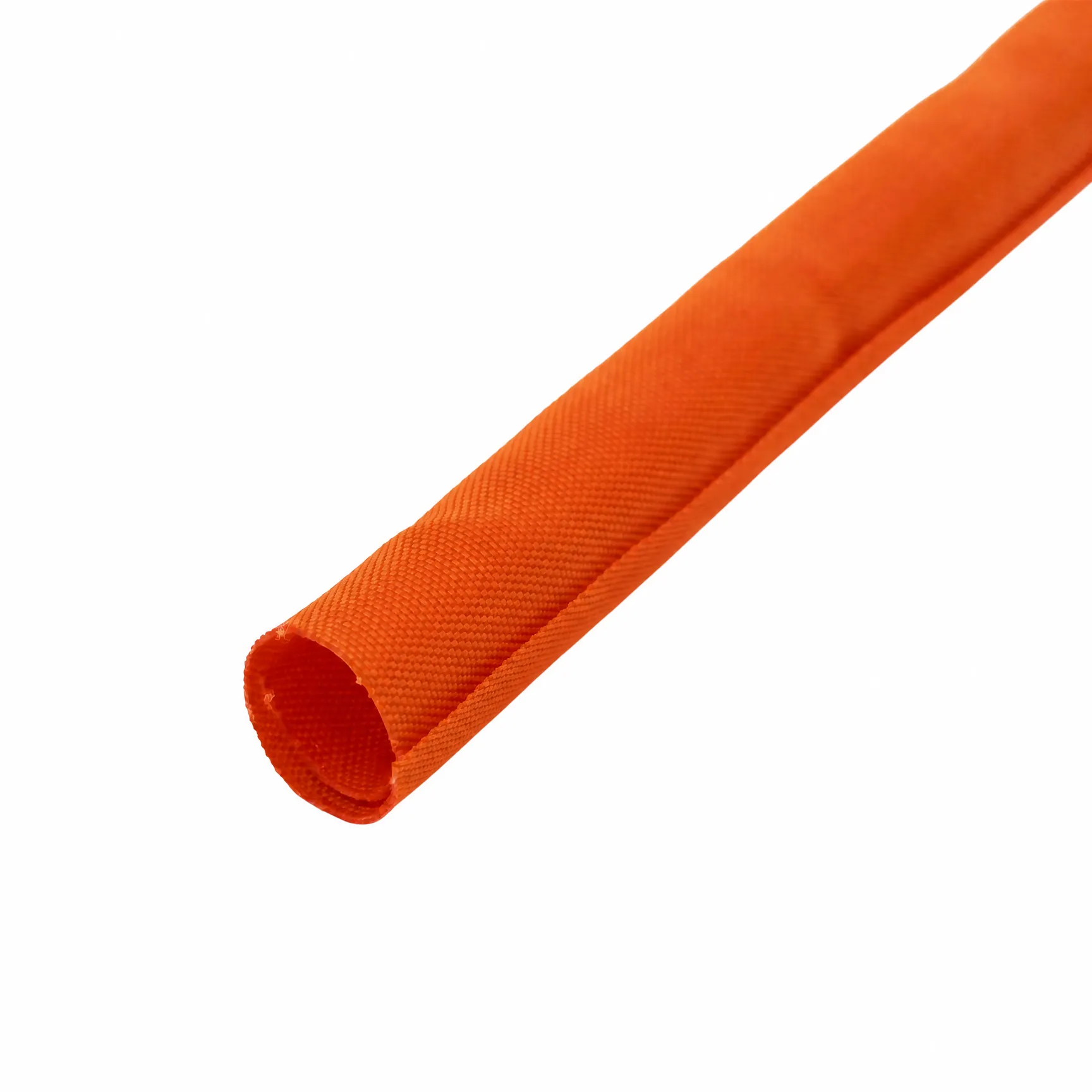
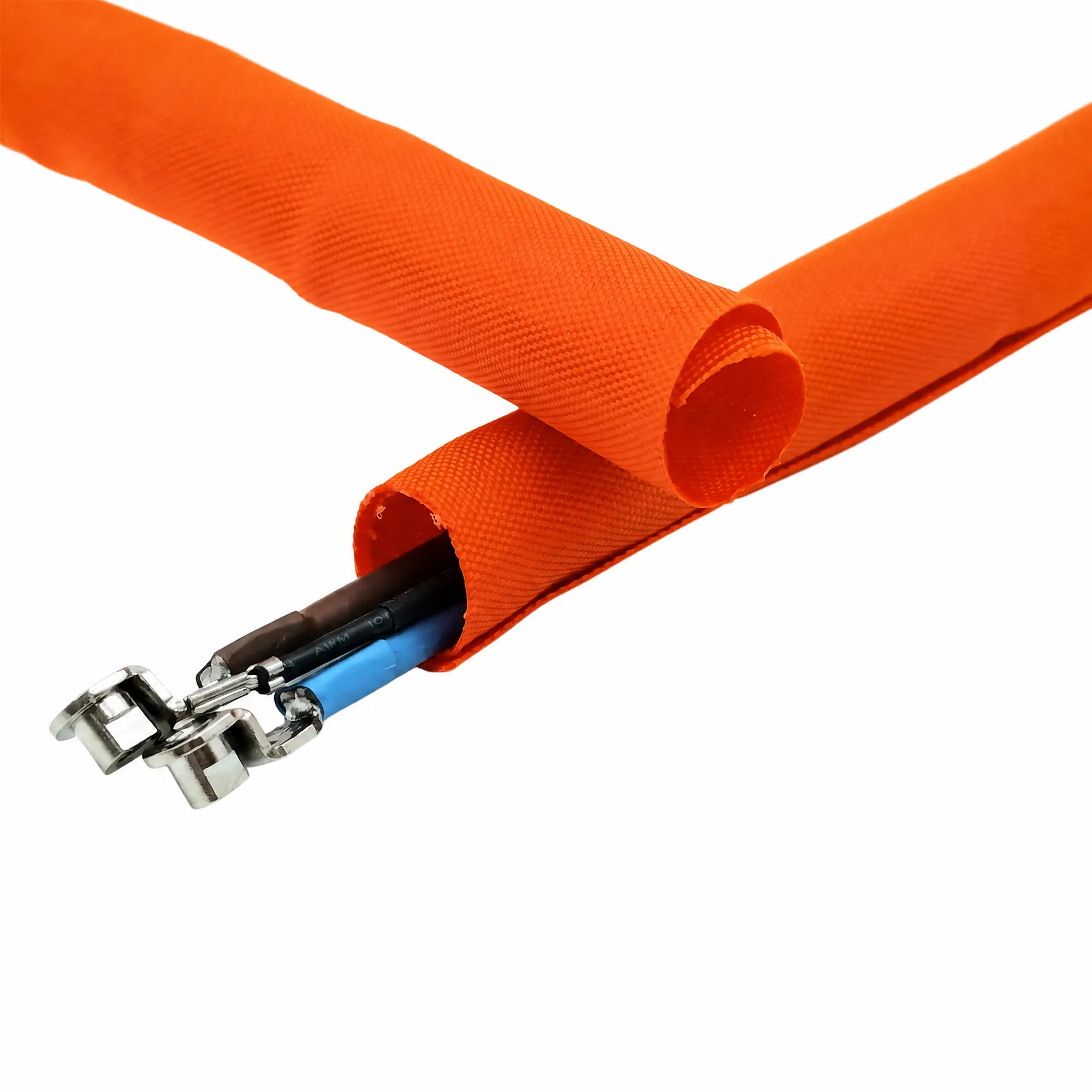
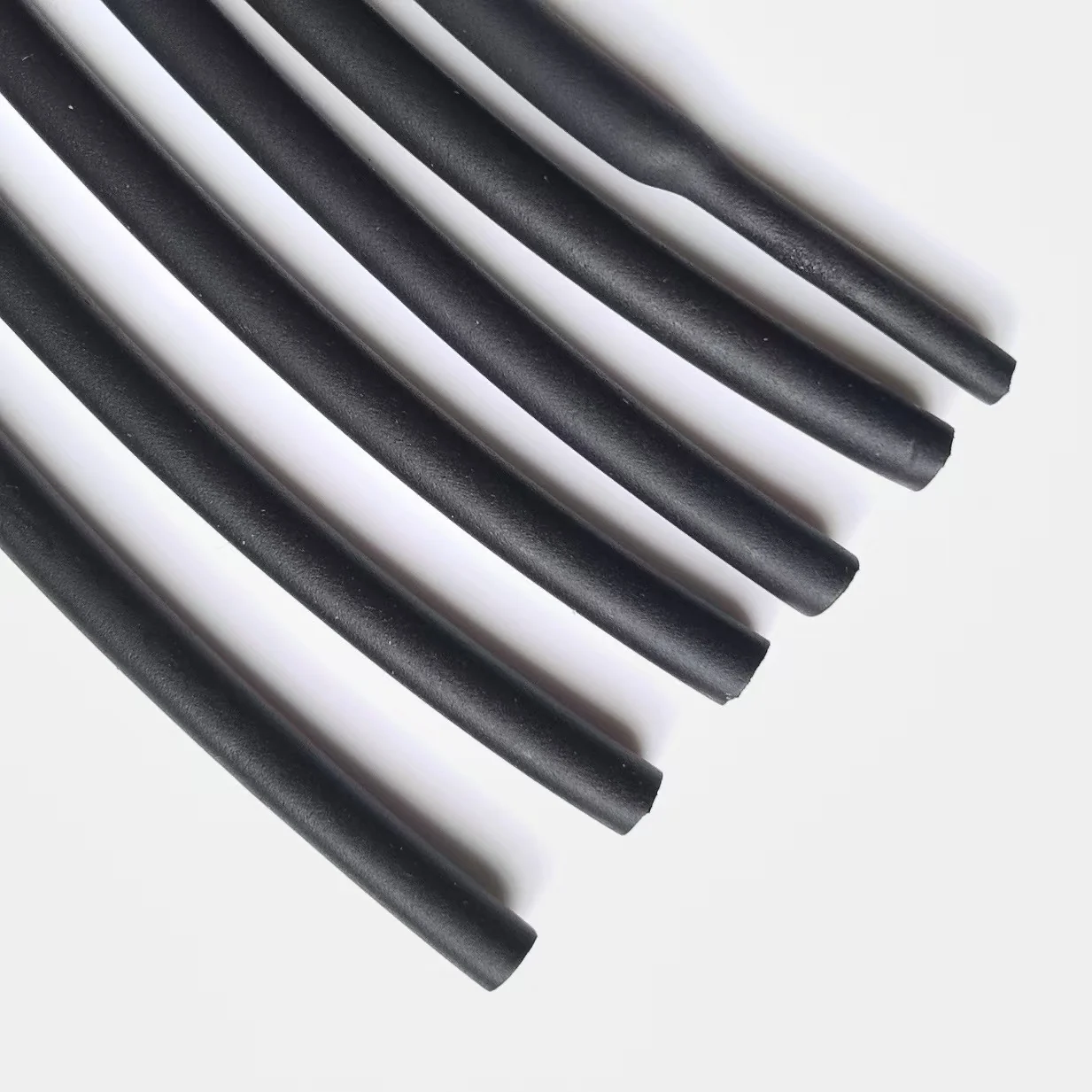
FKM Fluorine Rubber Heat-shrinkable Tubing
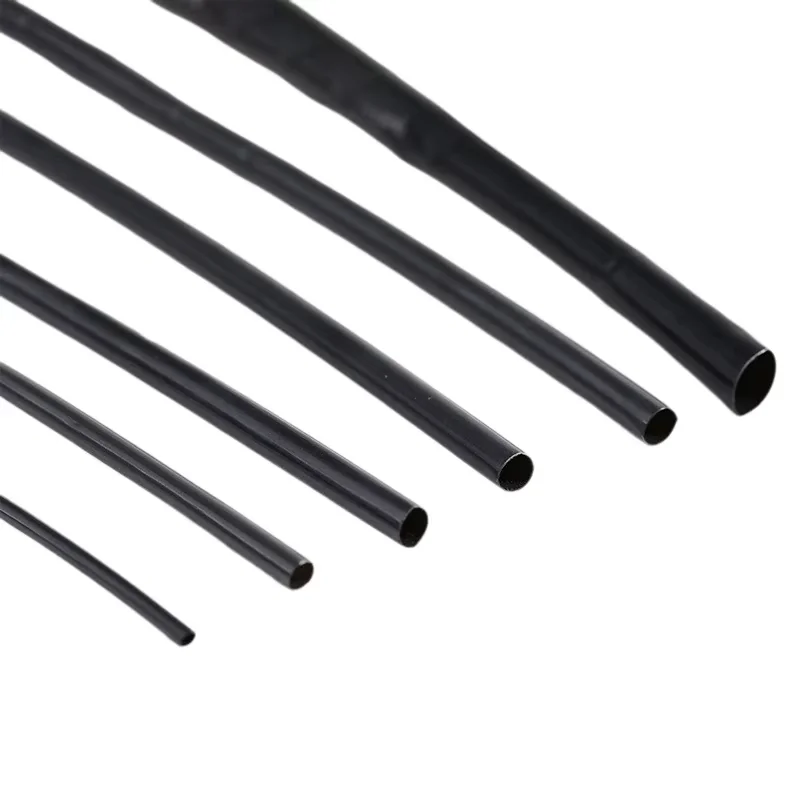
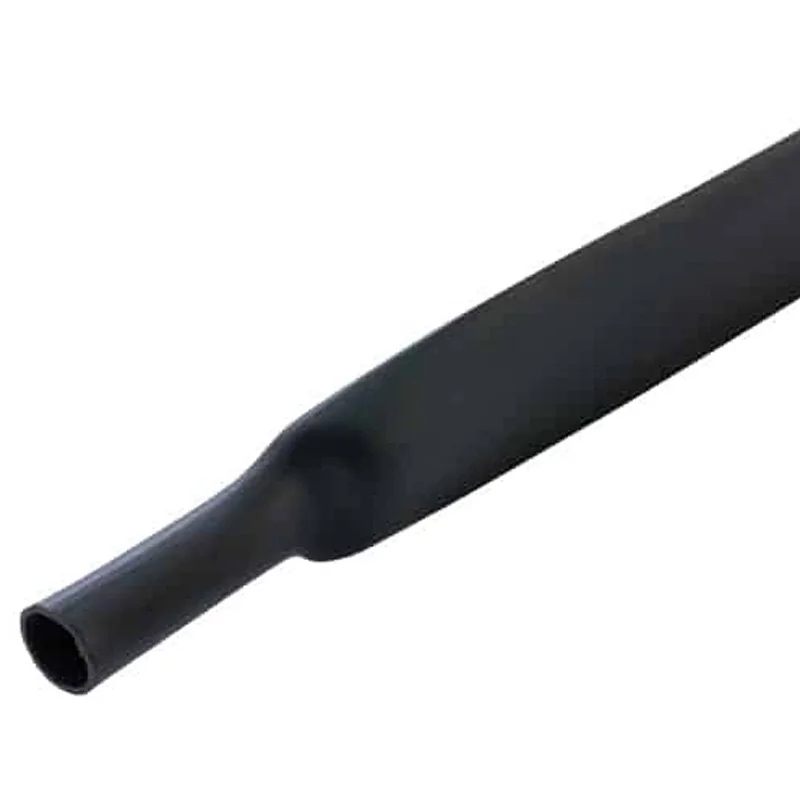
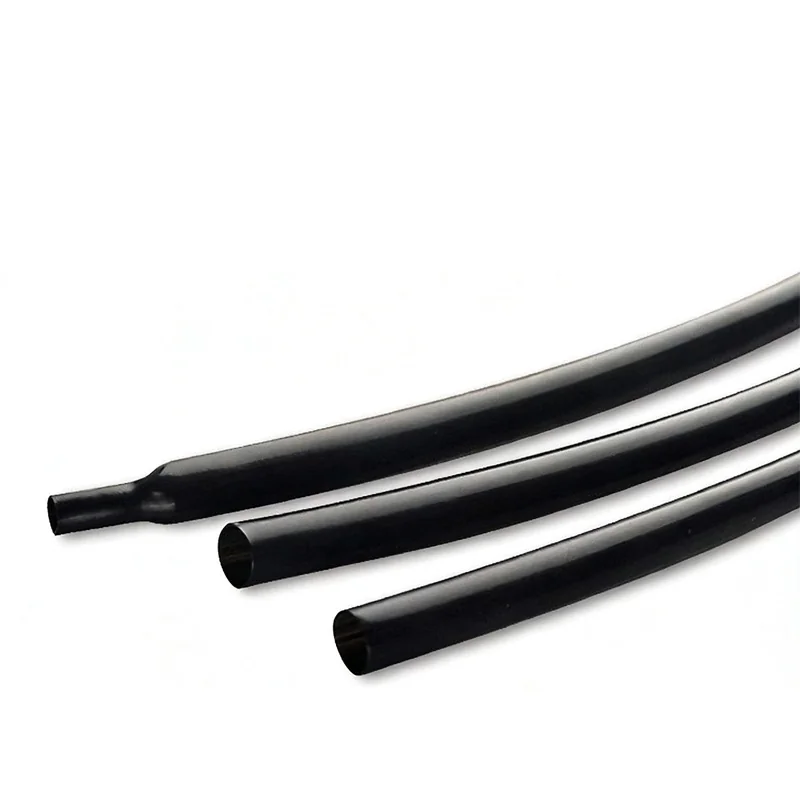
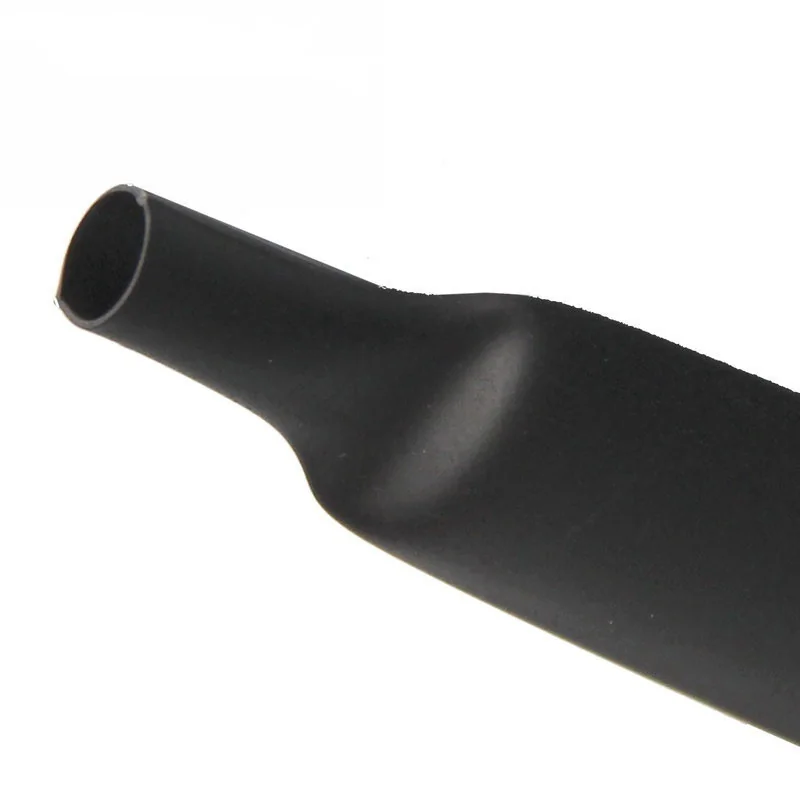
FKM Fluorine Rubber Heat-shrinkable Tubing is a radiation-crosslinked modified fluorine-elastomer sleeve designed for insulation, protection, and reinforcement where wiring or electronic parts face demanding thermal or fluid exposure. The supplied product information describes a 2:1 shrinkage rate and a flexible construction with stated resistance to high temperature, flame, oil, acid, and alkali. It is intended for buyers who need a heat-shrinkable protective layer around wires, wire ends, connections, terminals, resistors, capacitors, or thermocouples.
As a technical selection point, the product should be matched to the actual installation conditions rather than selected from a name or a single headline value. Temperature range, contact media, component geometry, required electrical clearance, heating process, and the applicable end-product specification all matter. The source describes a general operating range of -55°C to 200°C. It also presents a separate typical table entry of -55°C to +220°C, so project teams should confirm the governing product specification for their exact design and acceptance requirement before release.
Stated Product Characteristics
-
Fluorine-elastomer construction: The supplied description identifies radiation-crosslinked modified fluorine elastomer as the base material.
-
Heat shrink performance: The product is stated to have a 2:1 shrinkage rate. The source lists a minimum complete shrinkage temperature of 175°C and separately references a minimum shrinkage temperature of 100°C; confirm the heating profile and endpoint required for the selected size.
-
Environmental resistance: Source material describes resistance to high temperature, flame, oil, acid, and alkali, with flexibility for routed wiring and protected components.
-
Electrical protection: The supplied table lists dielectric strength of at least 7.9 kV/mm, with a typical value of at least 11 kV/mm, and volume resistivity of at least 1014 Ω·cm.
-
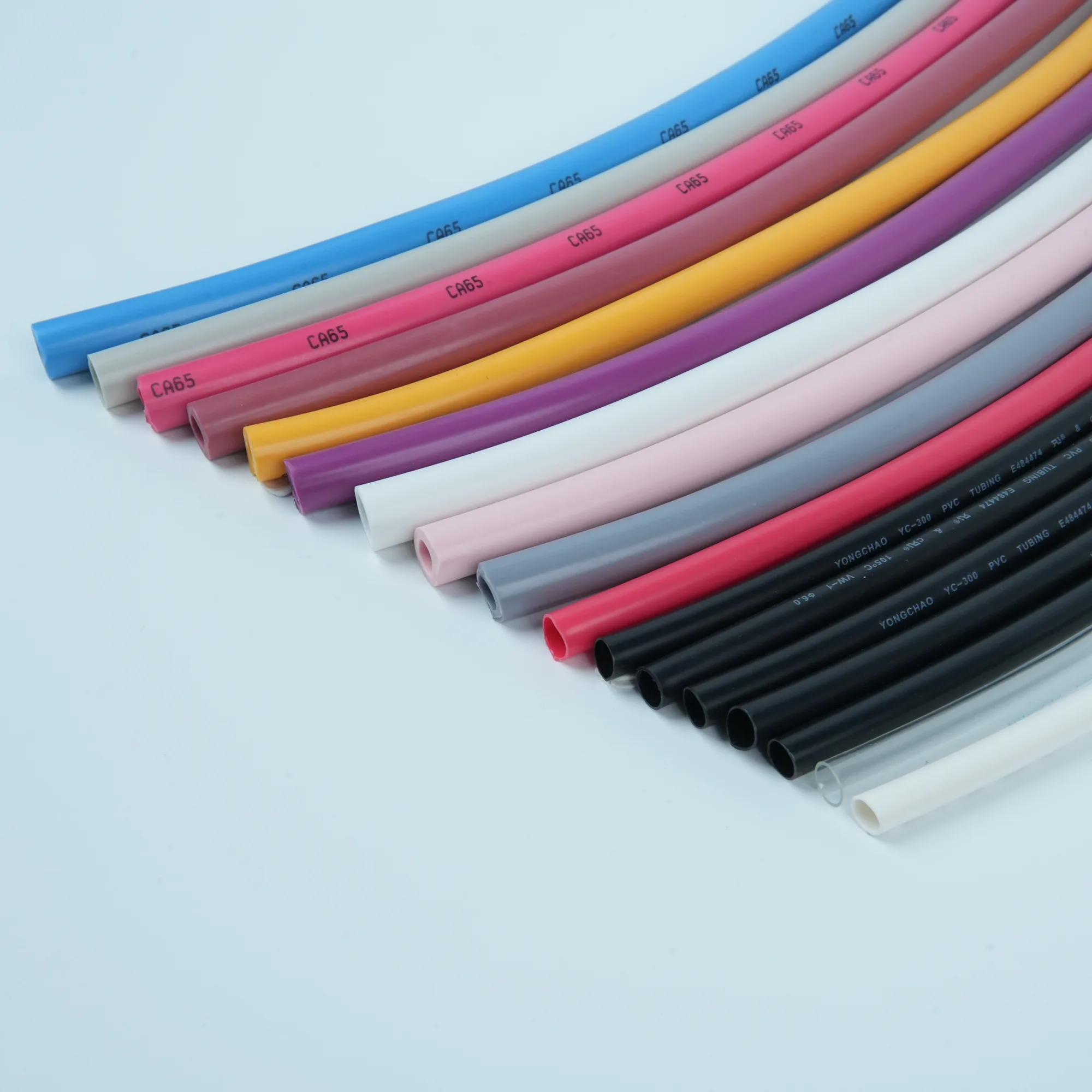
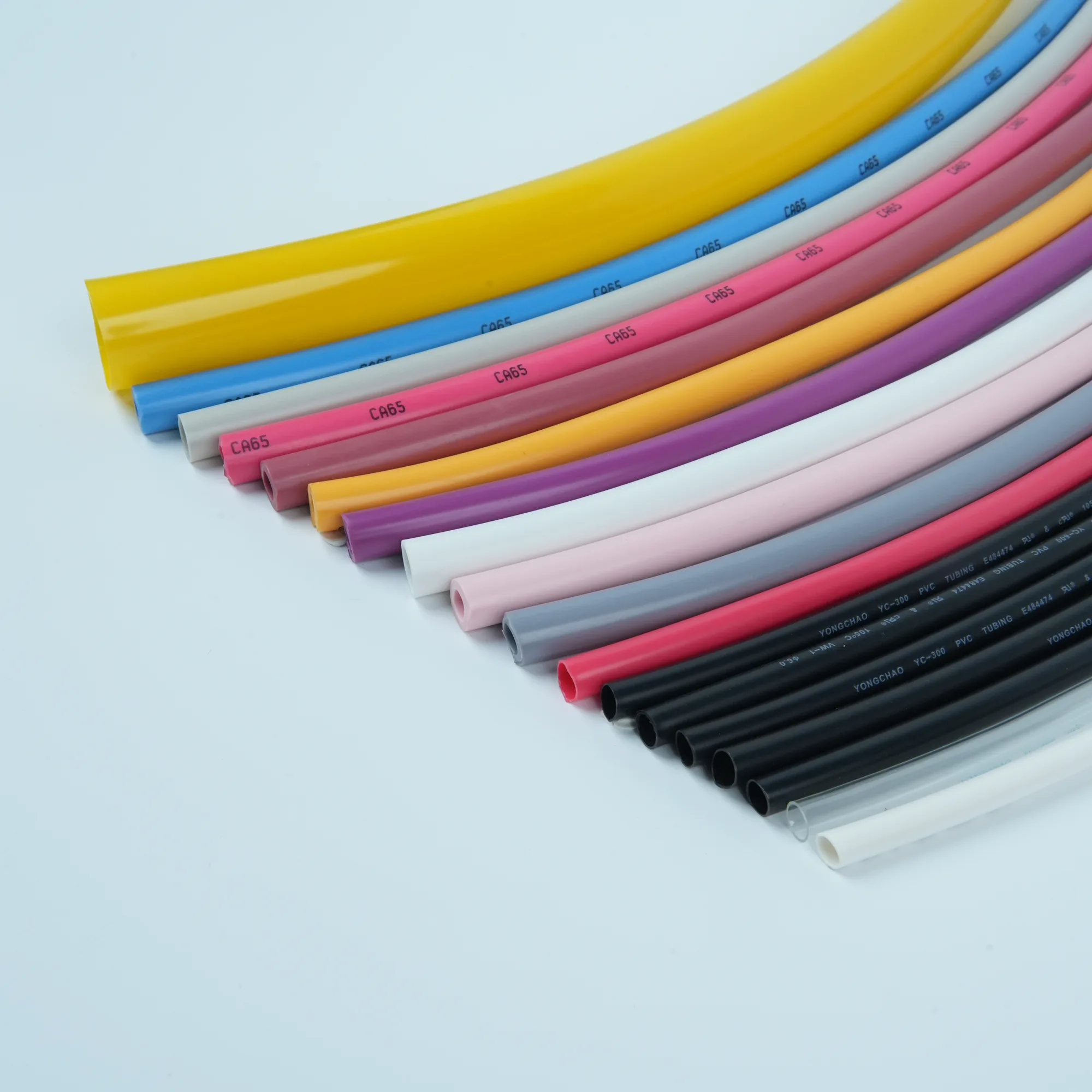
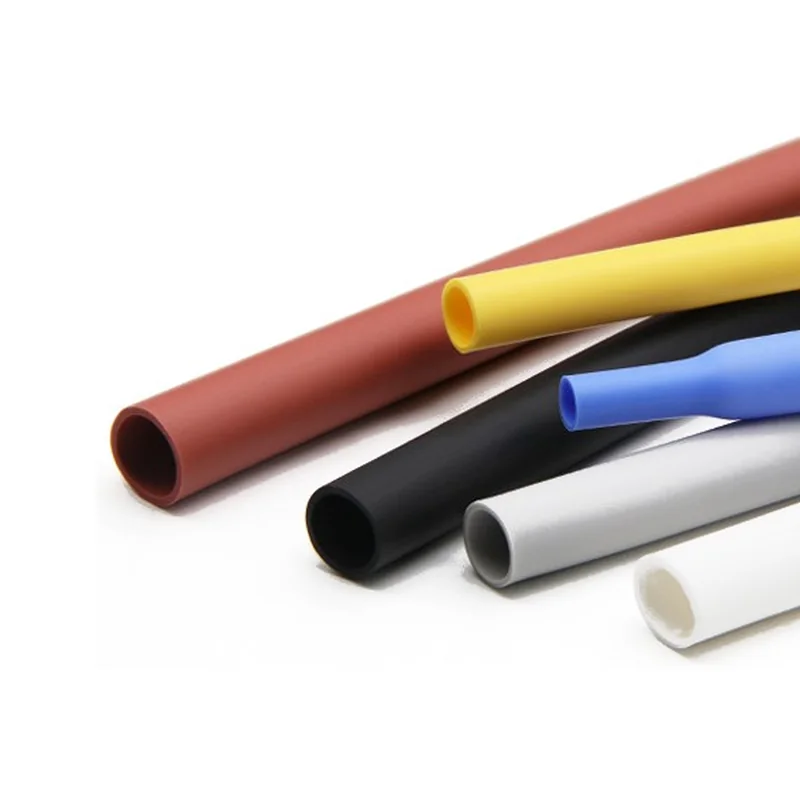
Customization options: Black is stated as the standard color. Other colors, sizes, and fixed cutting lengths are available upon request according to the source material.
Specifications from the Supplied Product Data
| Property |
Stated Requirement |
Stated Typical Value |
| Tensile strength |
≥8 MPa |
12.4 MPa |
| Breakage elongation |
≥250% |
300% |
| Longitudinal length change |
≤10% |
≤5% |
| Dielectric strength |
≥7.9 kV/mm |
≥11 kV/mm |
| Volume resistivity |
≥1014 Ω·cm |
≥1014 Ω·cm |
| Thermal shock |
No crack, no dripping at 300°C±3°C for 4 h |
No crack, no dripping |
These are source-supplied figures and test references, including ASTM D638, ASTM D2671, ASTM D876, and IEC216 references. They should not be treated as a substitute for application-specific qualification. Test standards and acceptance systems differ across automotive, industrial equipment, and appliance projects. Where an end customer has a named standard, compare the requested condition, sample preparation, and acceptance criteria with the applicable product documentation.
Where This Tubing Can Be Considered
High-temperature or oily wiring areas
FKM Fluorine Rubber Heat-shrinkable Tubing can be considered for wires or components in the high-temperature and oily environments identified in the supplied description. The practical question is not simply whether the area is hot; it is whether the full operating cycle, local hot spots, oil exposure, vibration, and required electrical performance stay within the approved project limits. For a high heat wire loom arrangement, verify the finished assembly rather than assuming a loose-sleeve value applies unchanged after shrinking.
Electronic components and thermocouples
The product is stated for insulation and protection of resistors, capacitors, and thermocouples. A wiring sleeve flexible tube solution can help organize protection around these parts when the selected internal diameter, wall recovery, and heating method are appropriate. Before final selection, confirm that recovery does not place unacceptable stress on the component, lead, sensor junction, or adjacent insulation.
Wire ends, terminals, and connections
The source identifies insulation, protection, and reinforcement of wire ends, connections, and terminals. This can be relevant where a controlled heat-shrink process is already established. However, heat shrink tubing alone should not be assumed to provide sealing, connector retention, or system compliance unless the relevant assembly design and documents specifically establish those functions.
Selection and Installation Notes
Many buyers first compare a high temperature split loom or another sleeve only by nominal size. That is not enough. The finished fit depends on the actual bundle or component profile, the recovered dimensions, the heat source, and the needed clearance after assembly. Likewise, a larger outside diameter is not automatically better protection; material behavior, wall condition after recovery, and fit to the protected item are more useful checks.
For repeatable results, define the application temperature range, possible contact media, required insulation performance, part dimensions, color requirements, cut length, and target shrink process before requesting a sample or production quotation. If the project requires a special color or fixed length, include those details in the inquiry. The supplied material states custom colors and other sizes are available on request, but it does not provide MOQ, delivery time, certification status, or a universal compatibility claim.
Why Use a Source-Qualified FKM Sleeve
The value of FKM Fluorine Rubber Heat-shrinkable Tubing lies in combining a stated fluorine-elastomer material system, flexible heat-shrink construction, and source-listed electrical and mechanical indicators in one protective sleeve. It may be a useful option when the design calls for protection around electronics, thermocouples, metallic wires, or terminals in the stated kinds of demanding environments. For a heat shrink roll requirement, confirm the required diameter, length format, and finished-use condition with the supplier before ordering.
For engineering review, retain the source values as a starting point, then verify the exact specification against the intended system. That disciplined approach is particularly important when temperature, chemical exposure, electrical insulation, and dimensional recovery must all be satisfied at once.
Project Review Checklist
Before approving this sleeve for production, review the required recovered diameter, wall condition after shrinkage, expected temperature exposure, contact with oil or cleaning chemicals, and installation method. Confirm the applicable electrical test criteria and component clearance with the system owner. Run representative samples through the intended heat cycle and inspect the recovered assembly for uniform coverage, component stress, and any unacceptable surface change. Where batch consistency matters, define the inspection points and acceptance records in advance. This keeps material selection tied to evidence from the actual assembly rather than to a broad comparison alone.
Engineering Handoff
Document the sample size, heat source, exposure conditions, and inspection result when moving from evaluation to production. This information helps the team compare trial results with the source-supplied properties and identify whether a dimensional, thermal, or process adjustment is needed.
 EN

 Download Product Manual: